





















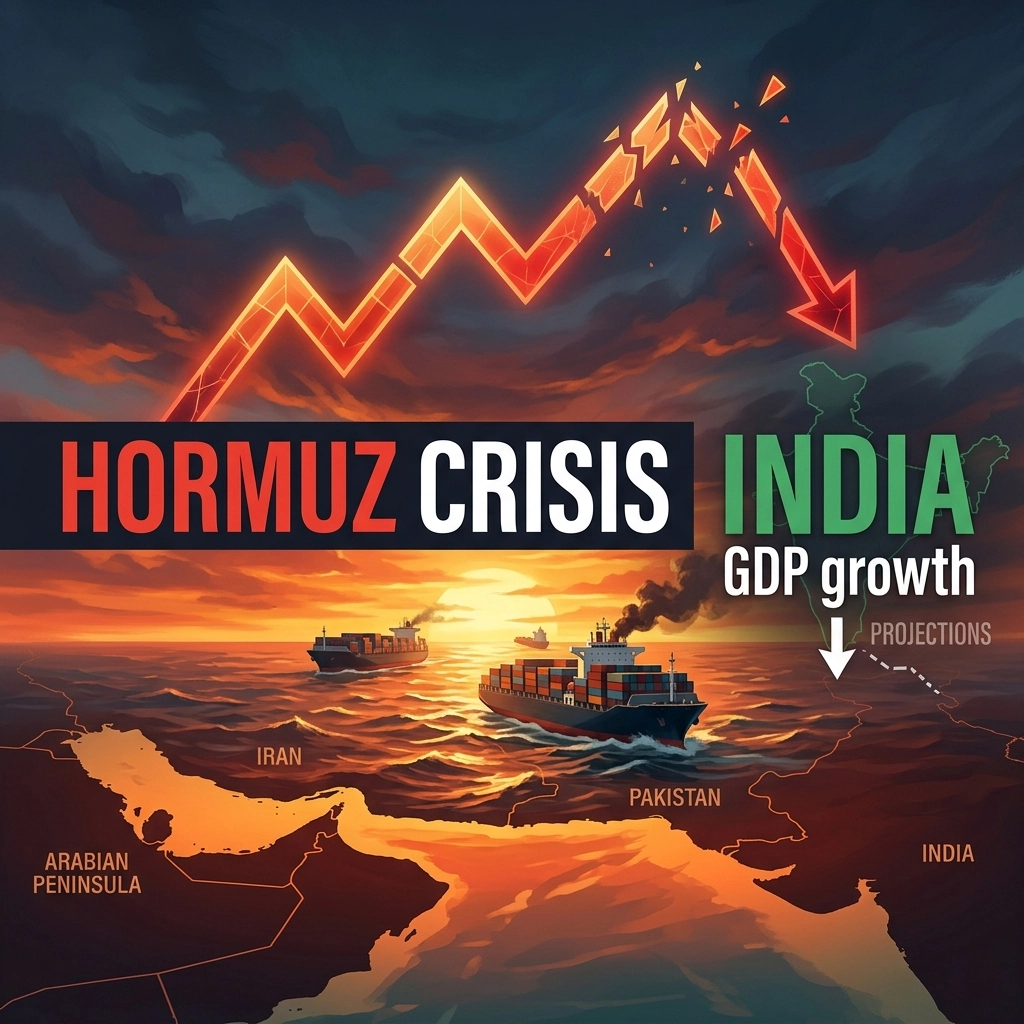
GDP growth India: Hormuz Crisis Slashes Projections

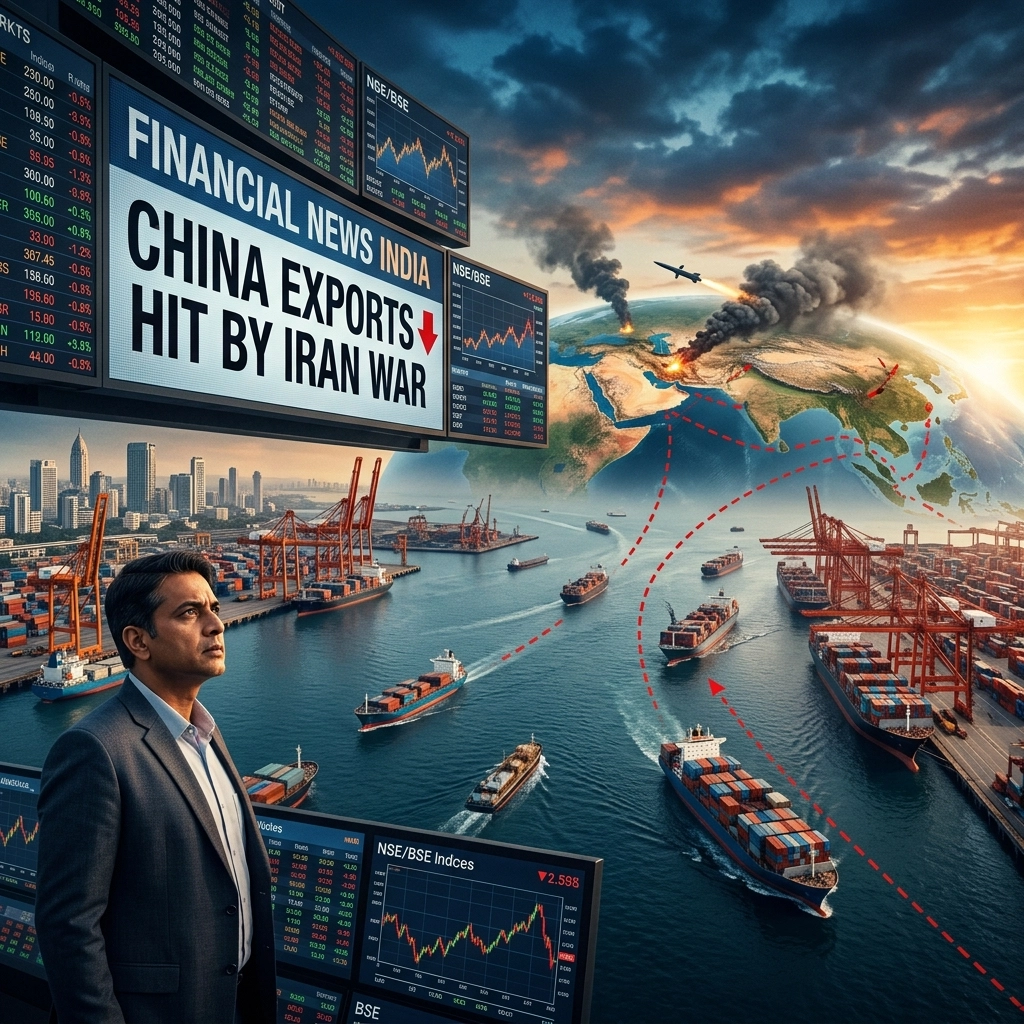
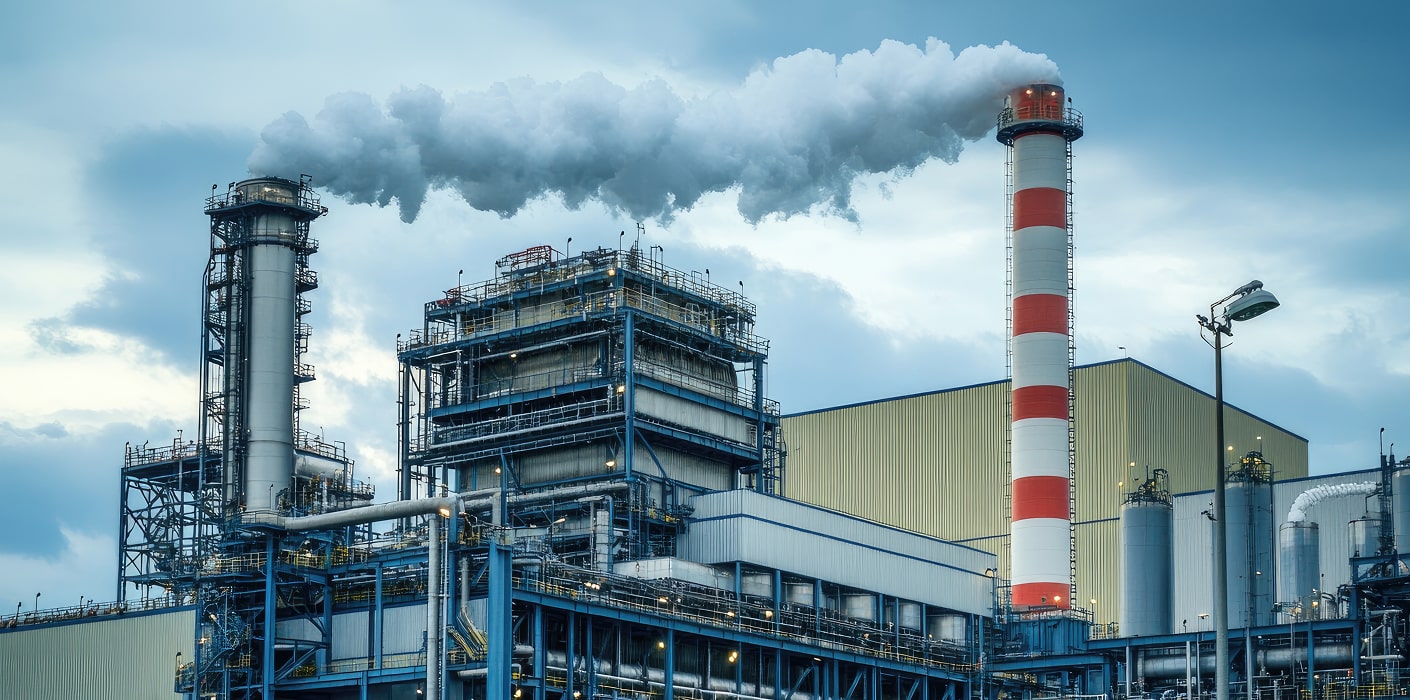
GDP growth India is now facing its most brutal stress test of the decade as the Strait of Hormuz transitions from a vital maritime artery into a geopolitical noose. The sudden escalation of the Mideast conflict has not merely disrupted shipping routes; it has effectively detonated the optimistic economic forecasts that characterized the start of 2026. For an economy that relies on the Middle East for nearly half of its crude oil imports, the closure or severe restriction of the Hormuz waterway is not a distant "risk", it is a direct, systemic hit to the nation's financial jugular.
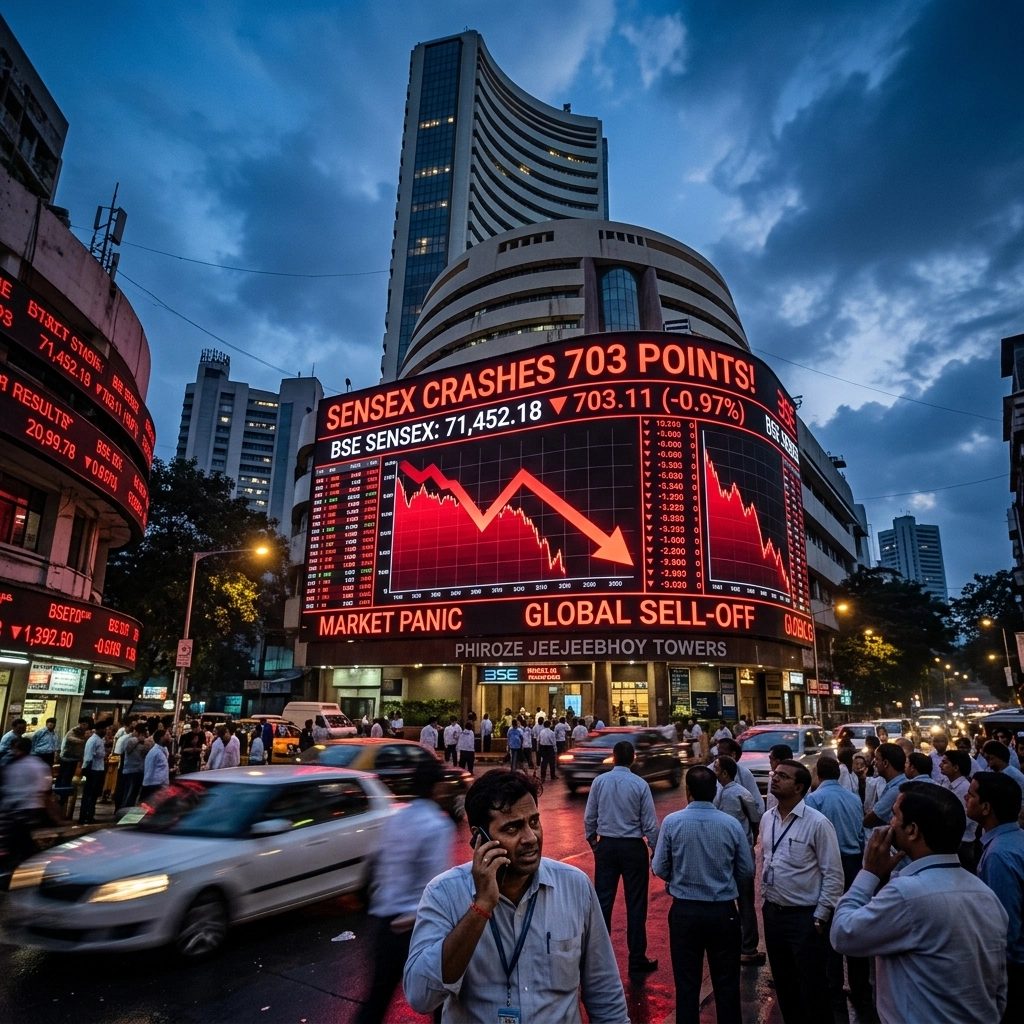
Global financial titans are already sounding the alarm. Goldman Sachs, in a move that has sent shockwaves through the Mumbai financial district, has slashed its projections for the fiscal year to a staggering 5.9%. This is a violent departure from the 7% growth previously anticipated. This isn't just a minor correction; it is a signal of institutional lack of confidence in the face of supply chain paralysis.
1. Geopolitical Chokeholds and the Deceleration of GDP growth India
The current volatility in the Strait of Hormuz has created an environment where economic forecasting becomes an exercise in disaster management. When we look at the latest updates from the Ministry of External Affairs, the diplomatic tension is palpable. The "business as usual" rhetoric has been replaced by a grim acknowledgment of the "unprecedented maritime security challenge."

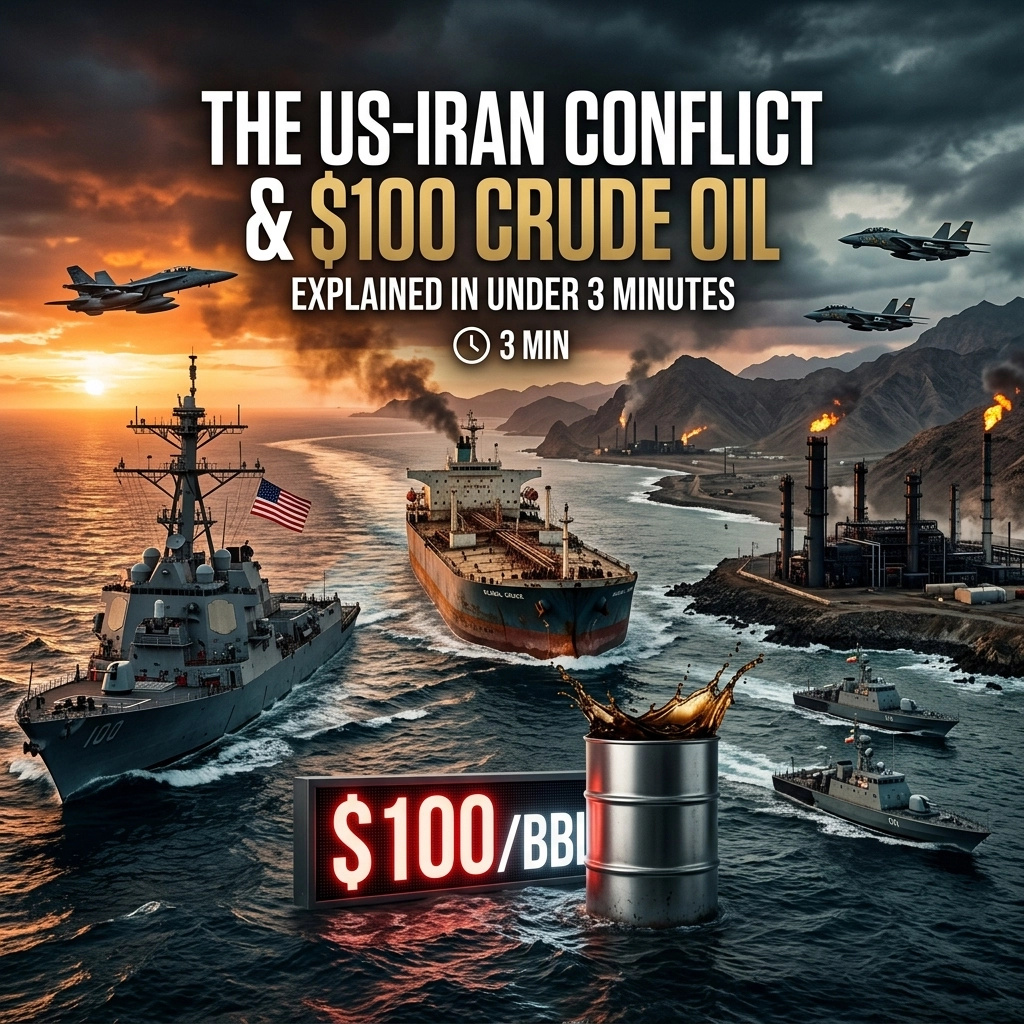
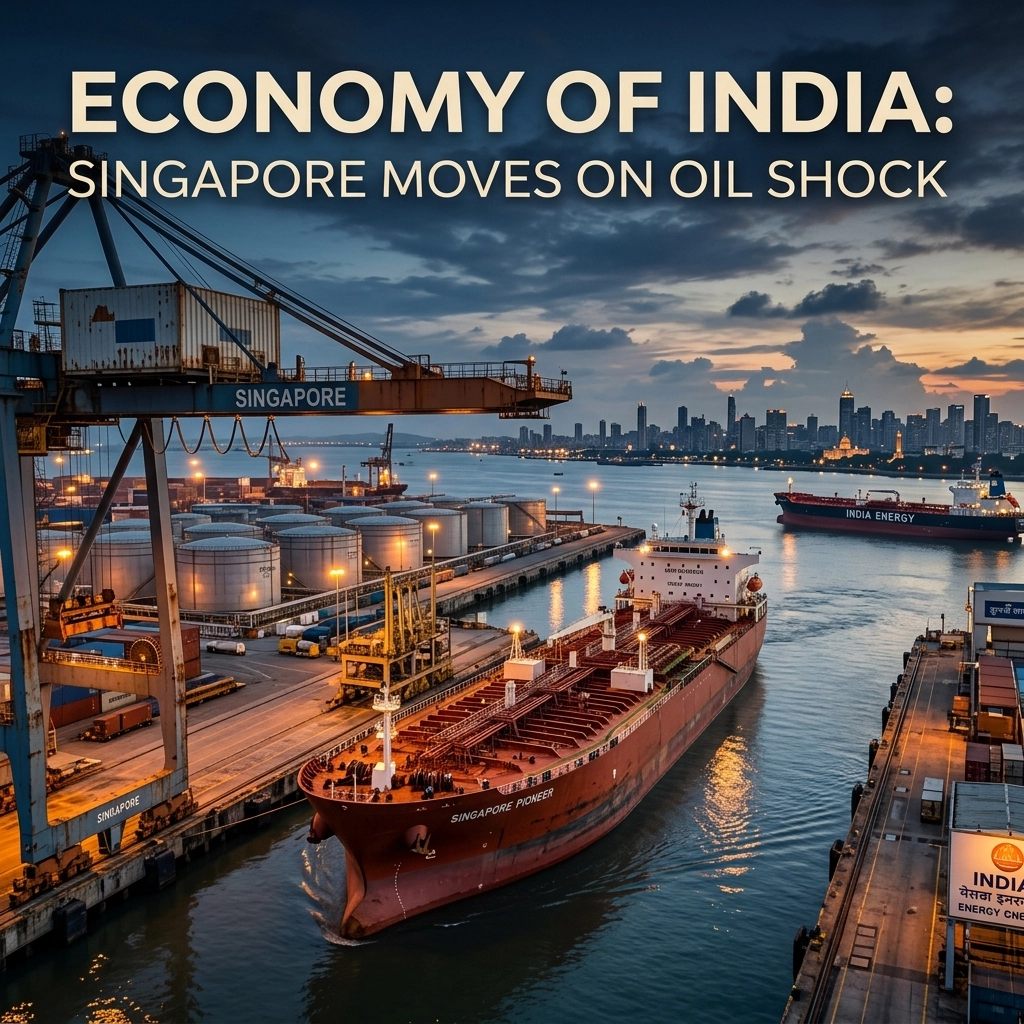
As the world watches the US-Iran conflict spiral, the transmission mechanism to the Indian economy is immediate. Ship transits through the Strait have collapsed from roughly 300 per week to a haunting single vessel. This is not a delay; it is a total blockade of the energy resources required to fuel the massive infrastructure projects and industrial output that were supposed to drive the GDP growth India narrative this year.
Furthermore, Moody’s has followed suit, cutting the FY 2027 growth estimate to 6% from a previous 6.8%. This synchronicity in downgrades across Standard Chartered and other major lenders indicates that the "India Growth Story" is being rewritten by factors completely outside of New Delhi's domestic policy control. For deeper insights into how internal dynamics are shifting, you can review our previous analysis on Indian business updates and the March 2026 PMI stability.
2. Energy Shocks: A Lethal Threat to GDP growth India
The arithmetic of this crisis is simple and devastating. India imports approximately 88% of its crude oil requirements. When Brent crude prices surge toward the $115 per barrel mark, the fiscal deficit expands at an uncontrollable rate. Historically, every $10 increase in the price of oil per barrel shaves off at least 0.1 to 0.2 percentage points from the GDP growth India total while simultaneously pumping up inflation.
We are looking at a "stagflationary" cocktail:
- Supply Chain Paralysis: Choked waterways mean raw materials are stuck in transit, causing industrial production to stall.
- Imported Inflation: As fuel costs rise, the price of every transported good, from tomatoes to microchips, skyrockets.
- Currency Volatility: The Rupee is under immense pressure as the current account deficit is projected to widen to 2% of the GDP by the end of 2026.
According to News on Air, the government is scrambling to find alternative energy corridors, but the reality is that the infrastructure for such a pivot cannot be built overnight. The reliance on the Strait of Hormuz is a structural vulnerability that is now being exploited by geopolitical fate.
3. Recalibrating the Narrative for GDP growth India
The corporate sector is already feeling the squeeze. Large-scale manufacturing and logistics firms are seeing their margins evaporated by surging freight insurance and fuel surcharges. In this high-stakes environment, the Reserve Bank of India (RBI) is left with no choice but to adopt a hawkish stance. We expect a mandatory interest rate hike of at least 50 basis points just to keep the currency from a total freefall.
While some analysts at Business Tantra argue that India's domestic consumption might provide a buffer, that buffer is thinning. When inflation hits the 7% mark, the middle-class consumer, the primary engine of domestic demand, retreats. This creates a feedback loop where lower demand leads to lower production, further suppressing the GDP growth India figures.
Agricultural costs are also under siege. One-third of the global seaborne fertilizer trade passes through the same embattled waters. If the flow of fertilizer is restricted, the next harvest season in India could be the most expensive in history, adding a food security dimension to an already complex economic crisis.
4. Strategic Imperatives to Salvage GDP growth India
To survive this era of aggressive geopolitical shifts, Indian businesses must pivot. The days of relying on "just-in-time" supply chains are over; we are now in the era of "just-in-case" inventory management. Companies are being forced to relocate their hiring strategies and operational hubs to mitigate the risks of global logistics failure. For more on how these shifts are impacting the workforce, explore our report on remote work hiring strategies.
Precision and data-driven insights are no longer luxury items; they are survival tools. The "legitimate purpose" of every corporate expenditure must now be scrutinized under the lens of a 5.9% growth reality rather than the 7.4% fantasy we were promised earlier this year.
The Role of International Alliances
The External Affairs Ministry's current engagements with UAE and Mauritius are not just diplomatic niceties; they are desperate attempts to secure alternative energy flows. However, as the European Union news indicates, the global energy market is currently a zero-sum game. Every barrel India secures is a barrel someone else loses, and in this aggressive market, the highest bidder, usually the West, wins.
Conclusion
The downward revision of the GDP growth India forecast to sub-6% levels is a wake-up call for every stakeholder in the Indian economy. We are witnessing the end of the "easy growth" era. The Hormuz crisis has exposed the fragility of a growth model heavily dependent on a single, volatile maritime corridor.
As supply chains remain choked and energy shocks become the new normal, the focus must shift from expansion to resilience. The government and private sector must work in a "war-room" configuration to stabilize the economy. If the current trajectory of the Mideast conflict continues, even a 5.9% growth rate might seem optimistic by the third quarter of 2026.
The thesis is clear: The Hormuz crisis is not a temporary glitch; it is a catalyst for a fundamental restructuring of the Indian economic landscape. Only those who acknowledge this "new reality" and adapt with aggressive precision will survive the fallout.
For further inquiries or to join our network of professional analysts, please visit our Contact Us page or learn more About Us at Business Tantra.