























Indian business updates for April 14, 2026, highlight a nation in the throes of a strategic energy pivot. As the West Asia conflict intensifies and the Strait of Hormuz faces a sustained blockade, the economy of India is demonstrating remarkable resilience through a "bottom-up" energy revolution. The rapid scaling of 5kg LPG cylinders, colloquially known as "Chhotu," has emerged as a cornerstone of the national strategy to safeguard energy security for the most vulnerable segments of the workforce.
1. Navigating the Geopolitical Firestorm
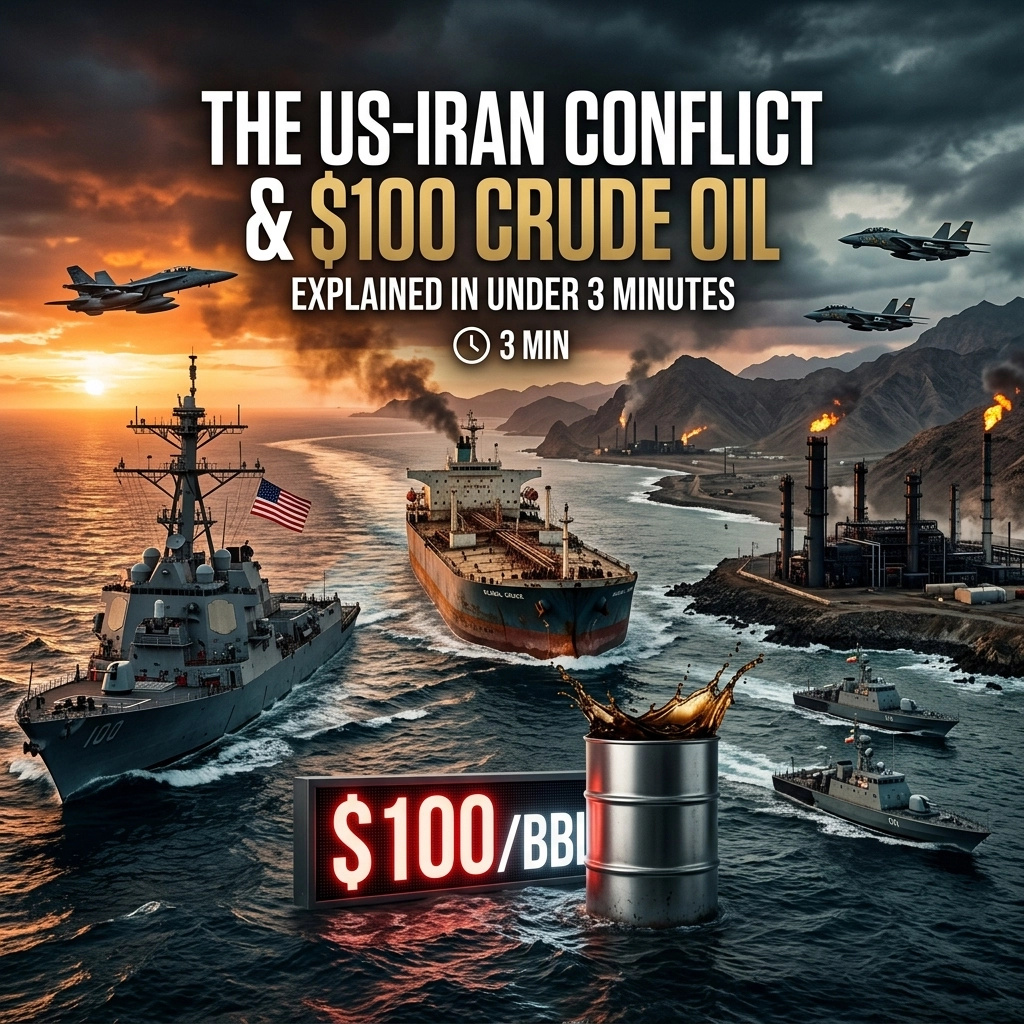
The current geopolitical climate is nothing short of a firestorm. With the Iran-US war crisis effectively throttling traditional maritime routes, the global energy market is in a state of high-voltage volatility. For India, which historically imports nearly 90% of its LPG requirements from the West Asian region, the stakes could not be higher. However, the government’s proactive stance has transformed a potential catastrophe into a catalyst for change.
By diversifying supply chains and intensifying domestic production, India is insulating its domestic market from the worst of the price shocks seen in Europe and East Asia. The focus is no longer just on high-level macro-economic indicators but on the micro-stability of the Indian kitchen. The economy of India depends heavily on its migrant labor force, and ensuring their access to affordable fuel is now recognized as a matter of national security.

2. Democratizing Energy: The Rise of the 5kg 'Chhotu'
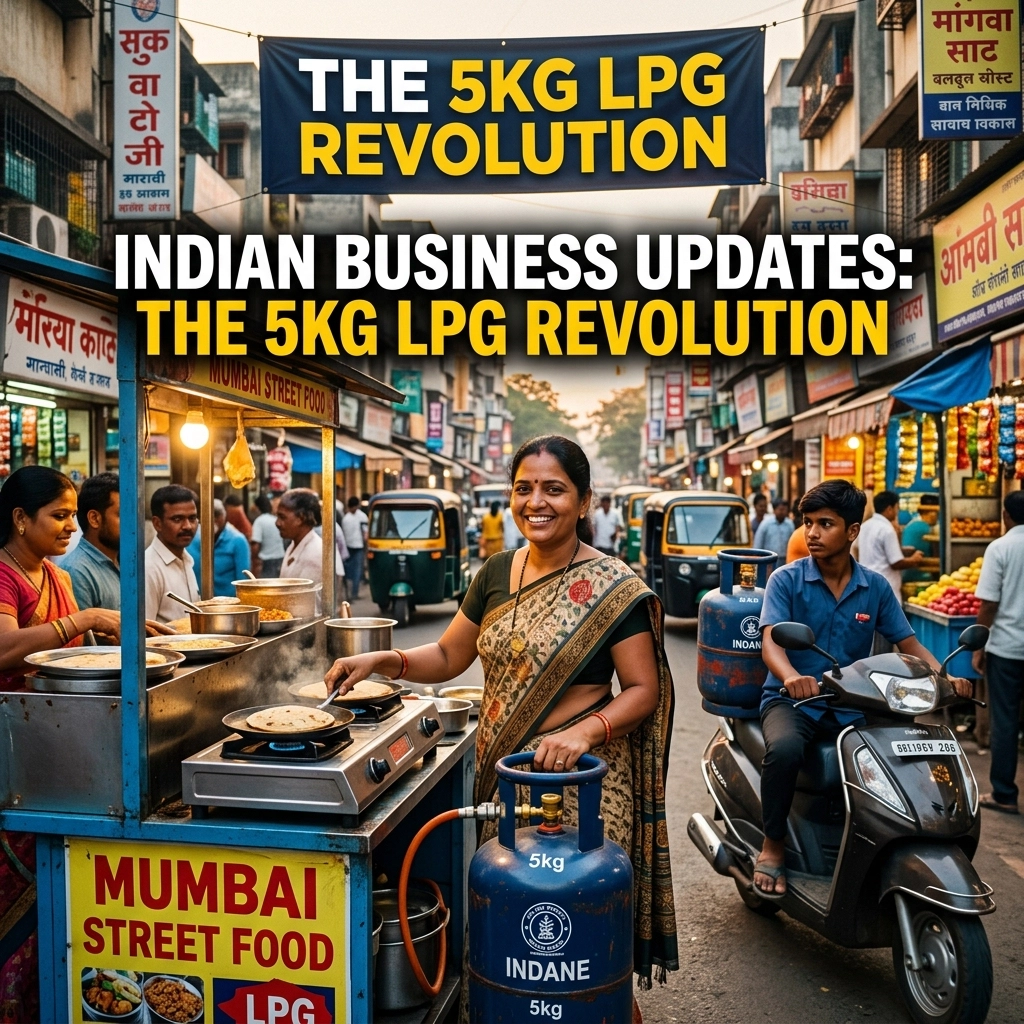
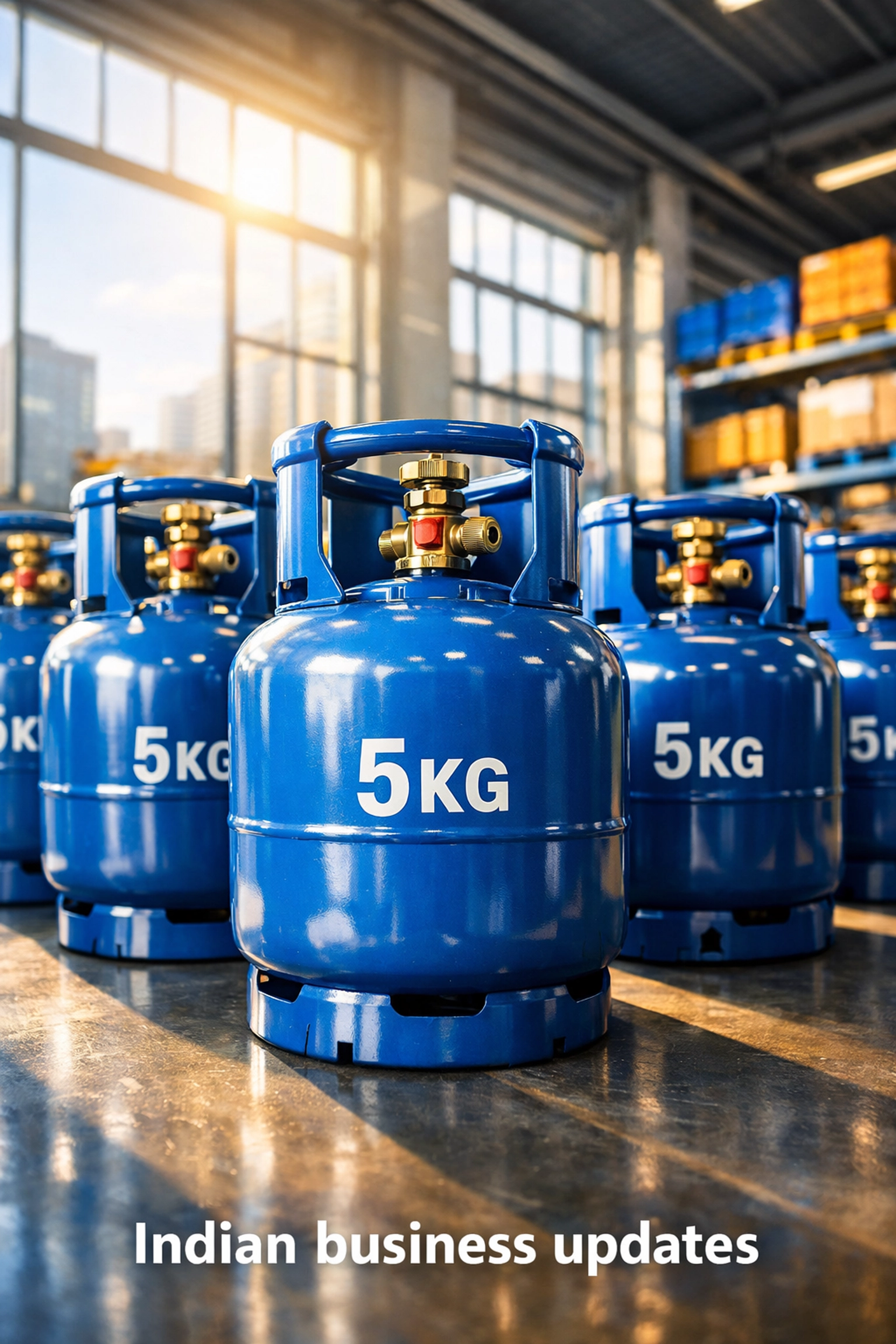
The 5kg LPG revolution is a prime example of how to democratize energy access during a period of scarcity. Since late March 2026, sales of these small-format cylinders have surged to over 13 lakh units. In a normal month, daily sales hovered around 77,000; today, that number has breached the 100,000 mark.
This surge is not accidental. The Ministry of Petroleum and Natural Gas, in collaboration with India.gov.in, has streamlined the procurement process. For migrant workers and low-income urban dwellers, the traditional 14.2kg cylinder was often out of reach: not just due to cost, but because of the stringent "proof of address" requirements. The "Chhotu" cylinders require only a valid identity proof, removing the bureaucratic hurdles that previously marginalized millions of workers.
3. Strategic Impact on the Economy of India
The economic implications of this shift are profound. By providing a "free trade" LPG model, the government has ensured that the industrial and construction labor force: the backbone of the economy of India: remains in the cities rather than retreating to rural areas in a mass exodus. According to reports from Business Standard, the doubling of daily allocations for these cylinders was a direct response to industry warnings about labor shortages.
From a fiscal perspective, the targeted distribution of 5kg cylinders allows for better management of subsidies and inventory. At approximately ₹549 per cylinder in Delhi, the entry barrier is low, and the inclusion of buyback plans provides a financial safety net for transient populations. This is a "legitimate purpose" of state intervention: balancing market forces with social equity during a wartime supply crunch.
4. Accelerating the PNG Transition and Indian Business Updates
While the 5kg cylinders handle the mobile workforce, a parallel revolution is occurring in the stationary residential sector. Since the crisis began, over 4.24 lakh new Piped Natural Gas (PNG) connections have been activated. This shift is vital because it reduces the logistical burden on the LPG supply chain. Every household that moves to PNG frees up a cylinder for a migrant worker or a remote village.
The synergy between different energy sources is a recurring theme in recent Indian business updates. Oil marketing companies like IOCL, BPCL, and HPCL are operating at peak utilization, prioritizing domestic household consumption over commercial users. This hierarchy of needs ensures that while the "high-voltage" headlines focus on the Strait of Hormuz, the average Indian household remains shielded from the most brutal effects of the blockade.
5. Technology as a Force Multiplier in Energy Security
The 2026 energy crisis is being managed with 21st-century tools. Online bookings now account for a staggering 98% of total LPG demand. This high level of digital penetration allows the government to track supply and demand in real-time, preventing the "black marketing" and hoarding that characterized previous energy shortages.
Furthermore, delivery authentication systems now cover 93% of all transactions. This ensures that the energy intended for low-income households actually reaches them. By utilizing an "electronic communications network" for distribution, the state has created a transparent, data-driven system that minimizes "leakage." This digital backbone is what allows the 5kg LPG revolution to scale so rapidly without collapsing under the weight of its own logistics.
6. The Corporate Response and Workforce Retention
The corporate sector has been a vital partner in this revolution. Large-scale employers in the manufacturing and infrastructure sectors have begun setting up "energy hubs" at labor colonies, facilitating the distribution of Chhotu cylinders. This is not just corporate social responsibility; it is a tactical necessity.
In the competitive landscape of 2026, talent retention is the primary challenge for any firm. Companies that ensure their workers have access to basic amenities, including cooking fuel, are seeing much lower turnover rates. This collaborative effort between the public and private sectors is a revitalized model of Indian industrial policy, where the "value proposition" extends beyond wages to include essential life-support systems.
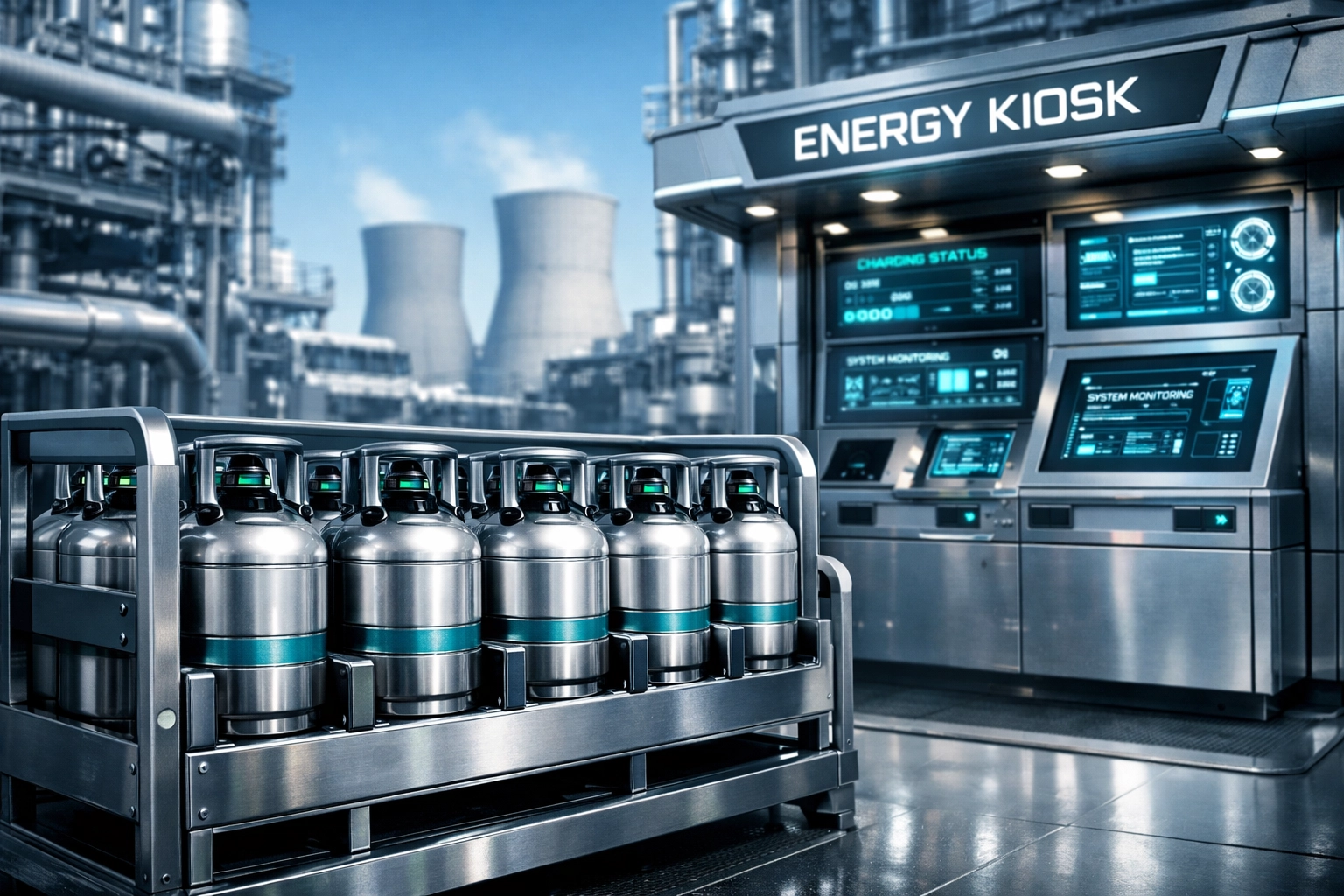
7. Global Context: Why India is Different
Compared to its neighbors in South Asia, the economy of India has shown a unique ability to pivot its energy mix. While other nations are facing rolling blackouts and total fuel exhaustion, India’s strategic petroleum reserves and agile distribution networks have kept the country running. The 5kg cylinder might seem like a small tool, but in the context of a global war, it is a formidable weapon against economic destabilization.
The "Pax Silica" or the digital-first approach to energy distribution has allowed India to maintain its growth trajectory even as shipping lanes are blocked. Investors looking at Indian business updates are increasingly focusing on this domestic resilience as a key metric for long-term stability.
8. Looking Ahead: The Post-Crisis Energy Landscape
The innovations born out of the 2026 crisis are likely to become permanent fixtures of the Indian landscape. The shift toward PNG and the widespread adoption of small-format LPG cylinders have fundamentally changed how the nation thinks about energy delivery. The decentralization of fuel access is a genie that cannot be put back in the bottle.
As we look toward the latter half of the year, the focus will likely shift toward nuclear power and renewable surge to further decouple the economy of India from West Asian volatility. For now, the 5kg revolution remains the most visible and effective shield against the current global storm.
Conclusion
The 5kg LPG revolution is more than just a logistical solution; it is a transformative movement that has redefined energy security for the modern era. By prioritizing the needs of migrant workers and low-income households, the Indian government and corporate sectors have successfully mitigated the impact of a global energy crisis. This agile, data-driven approach has not only stabilized the economy of India but has also established a blueprint for crisis management that other nations would do well to study. The "Chhotu" cylinder has proven that in the world of business and geopolitics, sometimes the smallest innovations have the largest impact.
For more deep dives into the shifting landscape of Indian commerce and energy, visit our home news section or explore our blog layout for the latest analysis. To stay updated on how these changes affect your investments, you can register for our daily newsletter at Business Tantra.