

























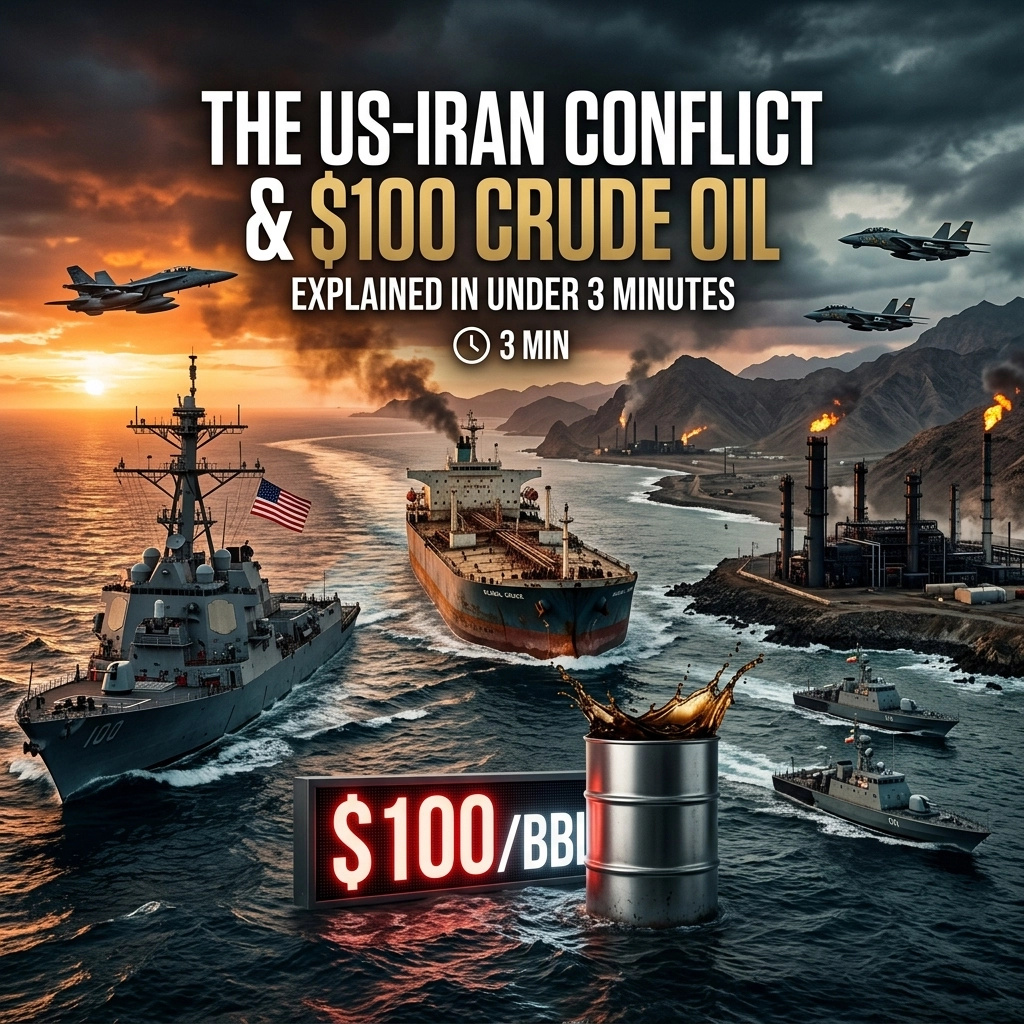

If you’ve glanced at the stock market today, you’ve likely seen a sea of red. The primary catalyst for change isn’t a sudden shift in corporate earnings or a surprise central bank move; it is the geopolitical explosion in the Middle East. With crude oil breaching the $100 per barrel mark for the first time in years, investors are scrambling to understand how a military operation thousands of miles away is hitting their portfolios.
The tension between the United States and Iran has reached a fever pitch, culminating in “Operation Epic Fury.” This isn’t just another skirmish; it is a full-scale conflict that has fundamentally revitalized the volatility in global energy markets and shifted the trajectory for the economy of India. In this breakdown, we’ll dive into what happened, why oil is skyrocketing, and what the latest indian stock market news means for your money.
The Catalyst: Operation Epic Fury and the Fall of Tehran
The current crisis traces back to February 28, 2026, when the United States and Israel launched a massive, coordinated military strike dubbed Operation Epic Fury. In a staggering 12-hour window, nearly 900 strikes were recorded across Iranian territory. The objective was precise and devastating: neutralizing Iranian missiles, air defenses, and top-tier leadership. Reports confirmed the death of Supreme Leader Ali Khamenei and dozens of high-ranking officials.
The buildup to this event was months in the making. Since early January, Iran had been rocked by internal instability, with security forces reportedly killing tens of thousands of protesters. This humanitarian crisis provided a backdrop for President Trump to deploy the largest US military presence in the Middle East since the 2003 Iraq invasion. When indirect nuclear negotiations collapsed in mid-February, the decision was made to move from diplomacy to direct military intervention.
A Rapidly Escalating Theater of War
The scale of the operation is unlike anything we have seen in the 21st century. US forces deployed a lethal array of hardware, including:
- B-2 Spirit stealth bombers
- B-1 Lancers and B-52 Stratofortresses
- Tomahawk cruise missiles launched from the Mediterranean and Arabian Seas
- HIMARS launchers positioned across allied territories
Iran’s retaliation was swift but scattered. Hundreds of missiles and thousands of drones were launched against Israel and US bases in Qatar, Kuwait, and the UAE. However, the move that truly shook the global markets was the strike on Iran’s oil infrastructure, specifically at Kharg Island on March 13, 2026.
 )
)
Alt: Map of the Strait of Hormuz showing key oil transit points and military strike locations.
Why Crude Oil Hit the $100 Ceiling
The reason crude oil is currently trading at triple digits is simple: supply-side terror. Iran controls the Strait of Hormuz, a narrow waterway through which roughly 20% of the world’s total oil consumption passes. Any threat to this chokepoint sends prices into a vertical climb.
When the US struck the Kharg Island terminals: Iran’s primary export hub: the market lost a significant chunk of physical supply overnight. Traders moved from “wait and see” to “panic buy” in a matter of minutes. The fear isn’t just about lost Iranian barrels; it’s about the risk of a wider regional war that could involve Saudi Arabia or the UAE, further democratizing the risk across the entire energy sector.
For the economy of India, which imports more than 80% of its oil needs, this $100 price tag is a nightmare scenario. High oil prices act as an invisible tax on every citizen, driving up logistics costs, food prices, and manufacturing expenses.

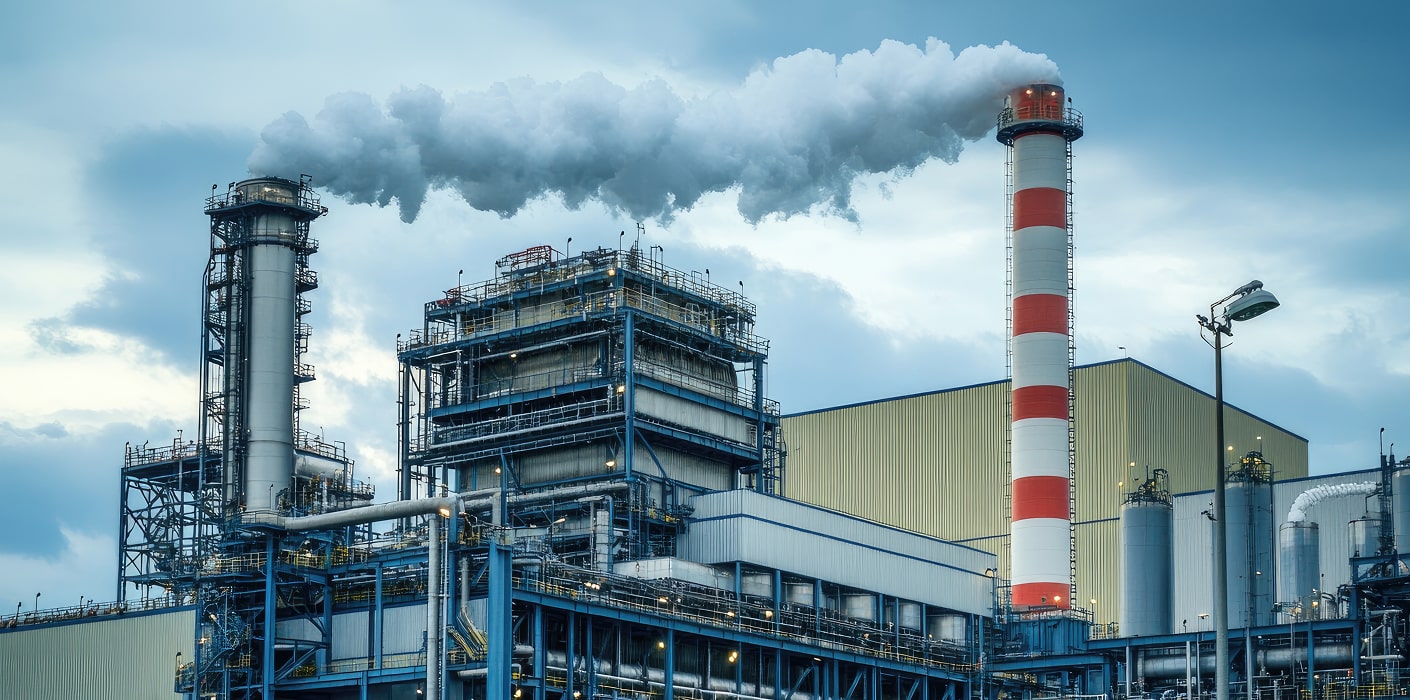
Alt: Oil refinery towers silhouetted against a dark sky, representing the energy crisis.
Impact on the Economy of India: The Triple Whammy
The economy of India is currently facing a “Triple Whammy” due to this conflict:
- Widening Trade Deficit: As the price of crude oil rises, India has to pay more dollars to acquire the same amount of fuel. This puts immense pressure on the Rupee, which has been flirting with record lows.
- Imported Inflation: When fuel costs go up, everything from your morning milk to your Amazon delivery gets more expensive. This forces the RBI to keep interest rates high, which can slow down exponential growth in the housing and auto sectors.
- Fiscal Slippage: The government may be forced to cut fuel taxes to keep retail prices in check, which means less money for infrastructure and social programs.
To stay updated on how these macroeconomic shifts are impacting local businesses, you can follow our latest news updates.
Decoding the Indian Stock Market News
If you are tracking indian stock market news, you’ve noticed that the Nifty and Sensex have been exceptionally jittery. The volatility index (VIX) has spiked, reflecting a lack of clarity on how long this conflict will last.
Investors are currently rotating out of high-growth tech stocks and into “defensive” sectors like IT and Pharma. However, the most significant movement is seen in the FPI (Foreign Portfolio Investors) segment. Global funds are pulling money out of emerging markets like India to seek the “safe haven” of the US Dollar and Gold.
Sectors to Watch on the Stock Market Today
On the stock market today, specific sectors are feeling the heat differently:
- Aviation and Paint: These industries are directly hit by oil prices. Aviation Turbine Fuel (ATF) and oil-based chemicals are primary raw materials. Expect margins to be revitalized in a downward direction.
- Upstream Oil Companies: Companies involved in oil exploration are actually seeing a boost, as their realizations per barrel are much higher now.
- Renewable Energy: This conflict is a massive catalyst for change in the green energy space. The more expensive oil becomes, the faster the mission to transition to solar and wind becomes a financial necessity rather than just a moral one.
 )
)
Alt: Stock market ticker screen showing volatility in energy and Indian indices.
The Strategic Outlook for Investors
Is this the time to exit the market? History suggests that geopolitical shocks create short-term pain but often present long-term “buying the dip” opportunities. However, the current situation with Iran is unique because of the decapitation of their leadership. We are in uncharted territory.
For a data-driven insight into your personal investment strategy, it might be time to look at how you manage your professional and financial networking. Tools like our Digital Business Card can help you stay connected with industry experts during these turbulent times.
Risk Assessment: Escalation vs. De-escalation
The central thesis for the next few weeks depends on two scenarios:
- Scenario A (Escalation): Iran’s remaining military forces attempt to block the Strait of Hormuz entirely. If this happens, $100 crude oil will look cheap. We could see $130 or $150, which would be catastrophic for the economy of India.
- Scenario B (De-escalation): A new interim government in Iran seeks a ceasefire to prevent further destruction. This would likely cause oil to retreat back to the $75–$85 range, sparking a massive relief rally on the stock market today.

Alt: A silhouette of a businessman looking at a glowing globe, symbolizing global market strategy.
Conclusion
The US-Iran conflict has fundamentally altered the global economic landscape in early 2026. With Operation Epic Fury disrupting the status quo and pushing crude oil to $100, the ripple effects are being felt from the gas stations in Mumbai to the trading floors of Dalal Street.
The economy of India remains resilient, but it is at the mercy of global energy prices. As an investor, the best strategy is to avoid knee-jerk reactions. Keep a close eye on indian stock market news, maintain a diversified portfolio, and remember that markets eventually price in even the most complex geopolitical tensions.
For more deep dives into business trends and market analysis, check out our blog archives or learn more about us and our mission to provide legitimate purpose and clarity in the world of business news.
Disclaimer: This article is for informational purposes only and does not constitute financial advice. Always consult with a certified financial advisor before making any investment decisions on the stock market today.