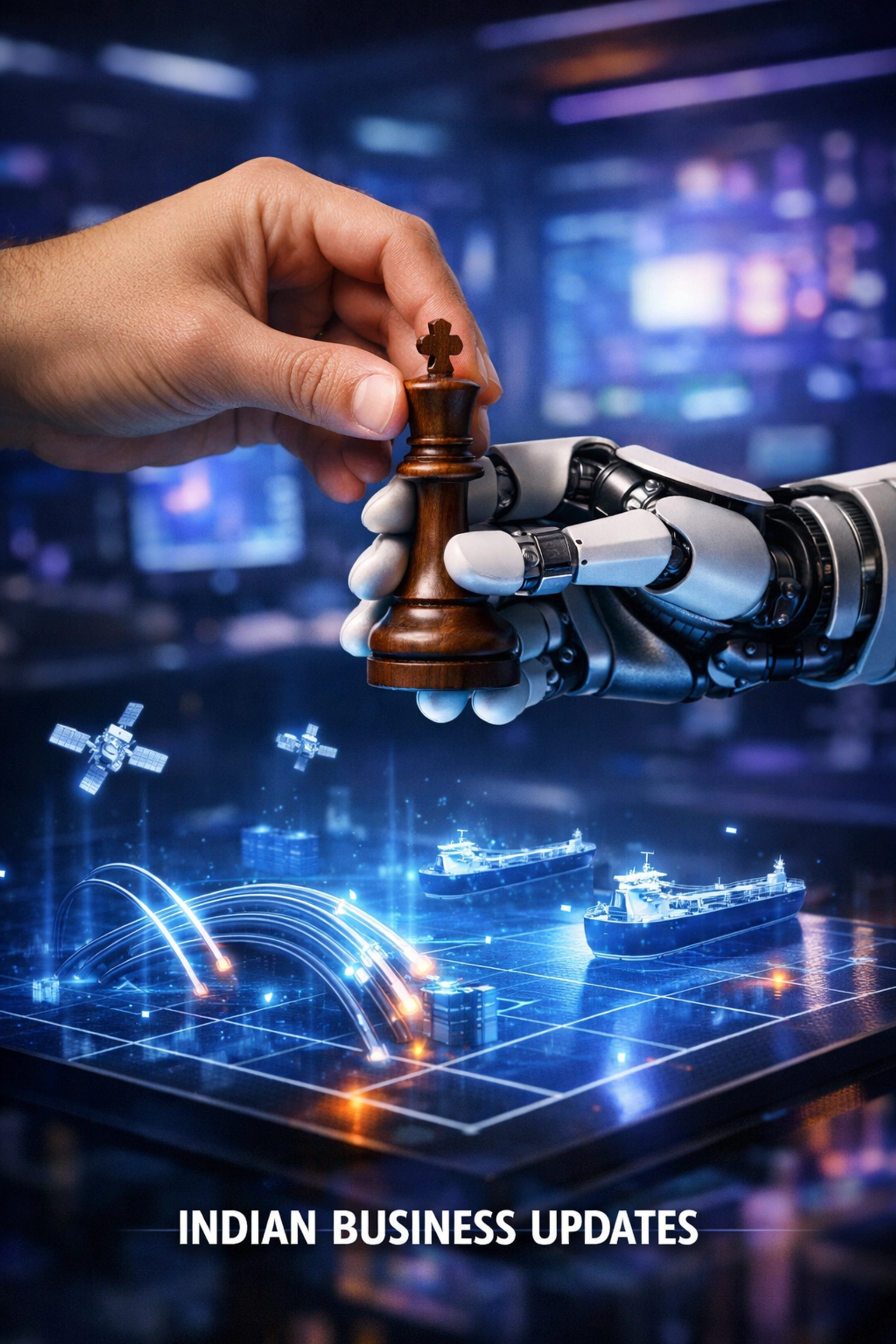
























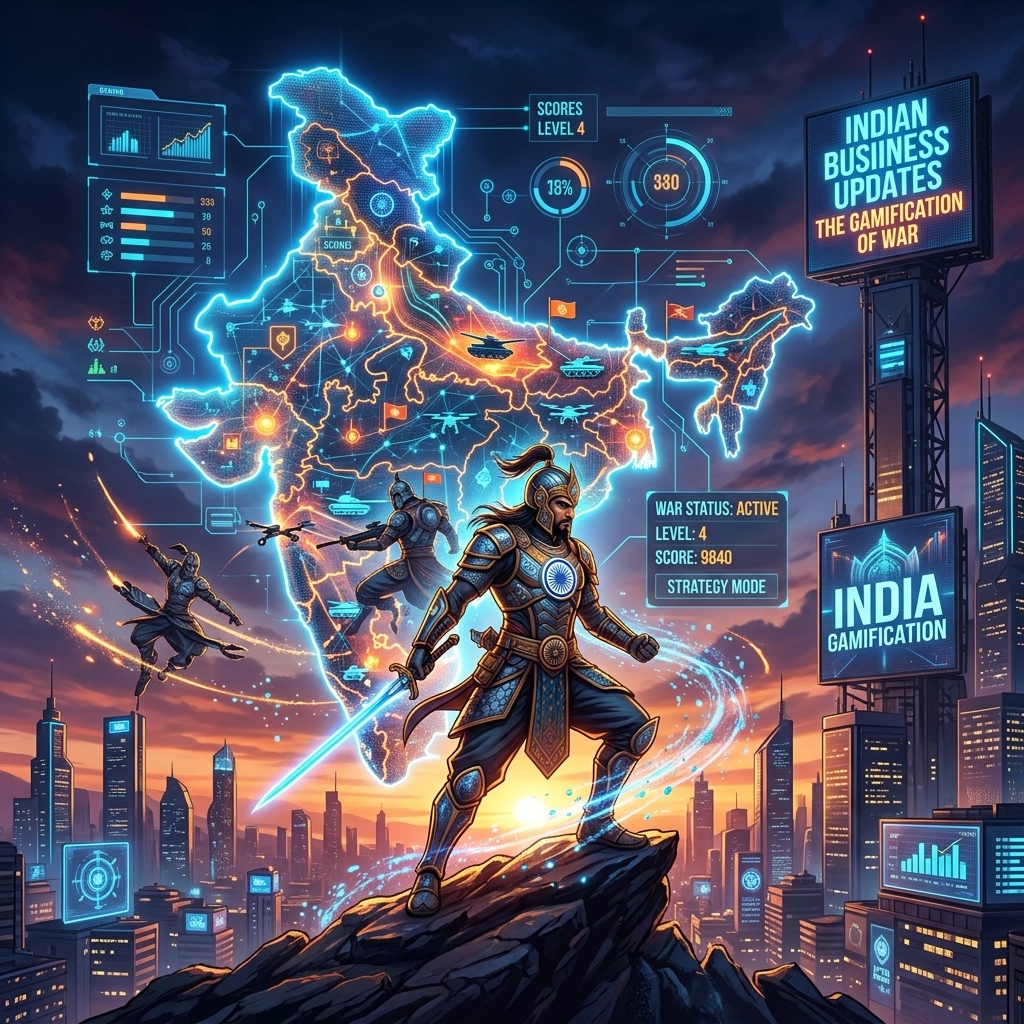

Indian business updates today are increasingly defined by a landscape where the boundaries between digital entertainment, state-sponsored propaganda, and kinetic warfare have blurred beyond recognition. As of April 14, 2026, the global community is witnessing a transformative and somewhat chilling phenomenon: the gamification of war. This is not merely about the use of technology on the battlefield, but the strategic reshaping of public perception through memes, government communication, and interactive media that treat international conflict as a high-stakes digital spectacle.
The geopolitical climate in West Asia, specifically the escalating tensions between the United States and Iran, has become the primary theater for this "Propaganda 2.0." For Indian businesses and investors, understanding this shift is no longer optional; it is a fundamental requirement for navigating a market that reacts as much to a viral TikTok as it does to a trade memorandum.
1. The Rise of Propaganda 2.0 in 2026
The traditional "fog of war" has been replaced by a "glitch in the simulation." In 2026, government communication has moved far beyond the press releases of the U.S. Department of State or the formal briefings of India's Ministry of External Affairs. We are now in the era of Propaganda 2.0, where conflict is curated for a generation raised on battle royale games and short-form video content.
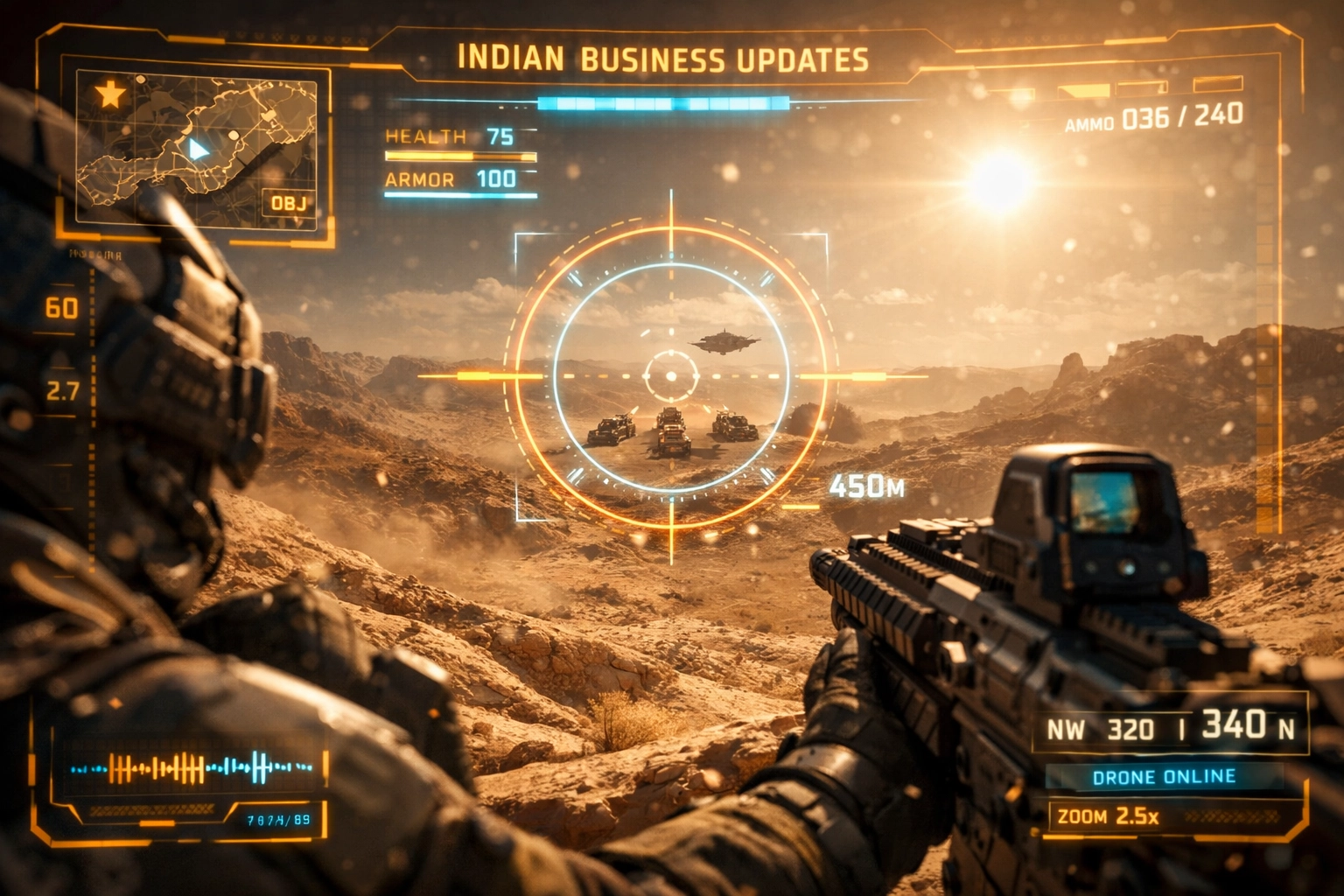
Recent reports indicate that both US and Iranian state-affiliated entities have begun releasing combat footage edited to resemble popular first-person shooters like Call of Duty. These videos feature heads-up displays (HUDs), "kill streaks," and high-energy soundtracks, effectively turning tragic skirmishes into digestible, shareable content. This gamification serves a dual purpose: it desensitizes the domestic population to the horrors of war while acting as a recruitment tool for a digital-native demographic.
2. Indian Business Updates: The Regulatory Response to Digital Gamification
For the Indian corporate sector, the most significant of the Indian business updates involves the government's aggressive stance on how digital platforms facilitate these narratives. The passage of the "Promotion and Regulation of Online Gaming Bill, 2025" was a catalyst for change in how India views the intersection of money, gaming, and national security.
While the bill primarily targeted money-laundering risks in real-money gaming, its broader implications are now being felt in the context of war propaganda. The Indian government has observed that the same psychological triggers used in "gamified" war propaganda are often mirrored in unregulated gaming environments. By enforcing stricter controls through the IT Rules, the government aims to ensure that "community notes" on platforms like X (formerly Twitter) cannot be bypassed by state-sponsored actors seeking to spread "gamified" misinformation.
3. Technology and Memes as Weapons of Statecraft
In 2026, a meme is no longer just a joke; it is a unit of digital ammunition. The current conflict in the Strait of Hormuz has seen a surge in "meme-warfare," where complex naval maneuvers are distilled into viral graphics. This trend has deep implications for Business Tantra readers, as market sentiment is increasingly driven by these digital artifacts.
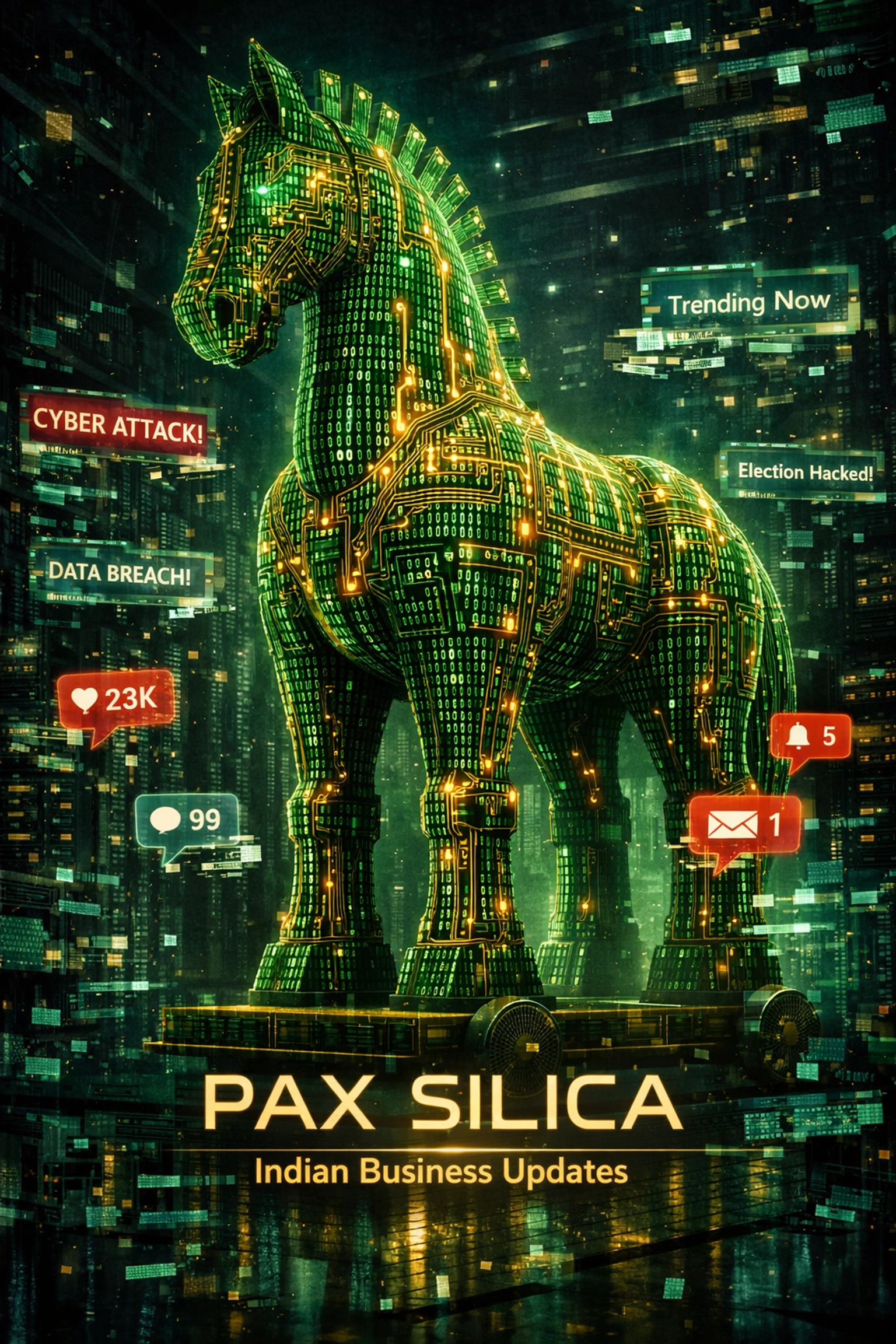
The use of Artificial Intelligence (AI) in this space has revitalized the effectiveness of propaganda. AI-generated deepfakes and simulated "leaked" footage are deployed to create confusion, making it nearly impossible for the average observer to distinguish between a legitimate military operation and a gamified simulation. This "Pax Silica" environment requires businesses to employ data-driven insights to separate digital noise from market reality.
4. The Economic Impact of a Gamified Conflict
The gamification of war has tangible consequences for the Indian economy. As Sensex drops and GIFT Nifty fluctuates amid news of the West Asia firestorm, the "spectacle" of war drives volatility. On April 14, 2026, the Sensex dropped 703 points, a reaction not just to the physical disruption of LPG supply but to the digital "hype" surrounding the potential for a larger conflagration.
Investors are now looking toward nuclear power surges and space tech as "safe havens," but even these sectors are not immune to the gamification trend. The "India-France Space Tech War" is being framed in media circles as a "race to the top" with interactive leaderboards and real-time mission tracking, democratizing the excitement of the space race while masking the intense corporate rivalry beneath.
5. Gen Z and the Deconstruction of the 'Work Family'
The gamification of conflict is also influencing the internal culture of Indian businesses. Gen Z professionals, who are the most frequent consumers of gamified media, are bringing a new level of skepticism to the corporate "mission." Just as they see through the "Work Family" trope, they are increasingly cynical about the "heroic" narratives presented in gamified war propaganda.
For a Startup in LA or a burgeoning tech firm in Bengaluru, this shift means that corporate communication must be more authentic. The "fragile" nature of the work family, as Gen Z sees it, mirrors the fragile nature of global peace in a gamified world. Businesses that fail to acknowledge this reality risk losing their most talented digital-native employees.

6. Is the Strait of Hormuz the Next 'Kill Zone'?
The terminology used in 2026 business briefings has become increasingly militarized. Analysts are now referring to critical trade routes like the Strait of Hormuz as "Kill Zones": a term borrowed directly from gaming vernacular. This linguistic shift is a testament to how deeply gamification has penetrated professional discourse.
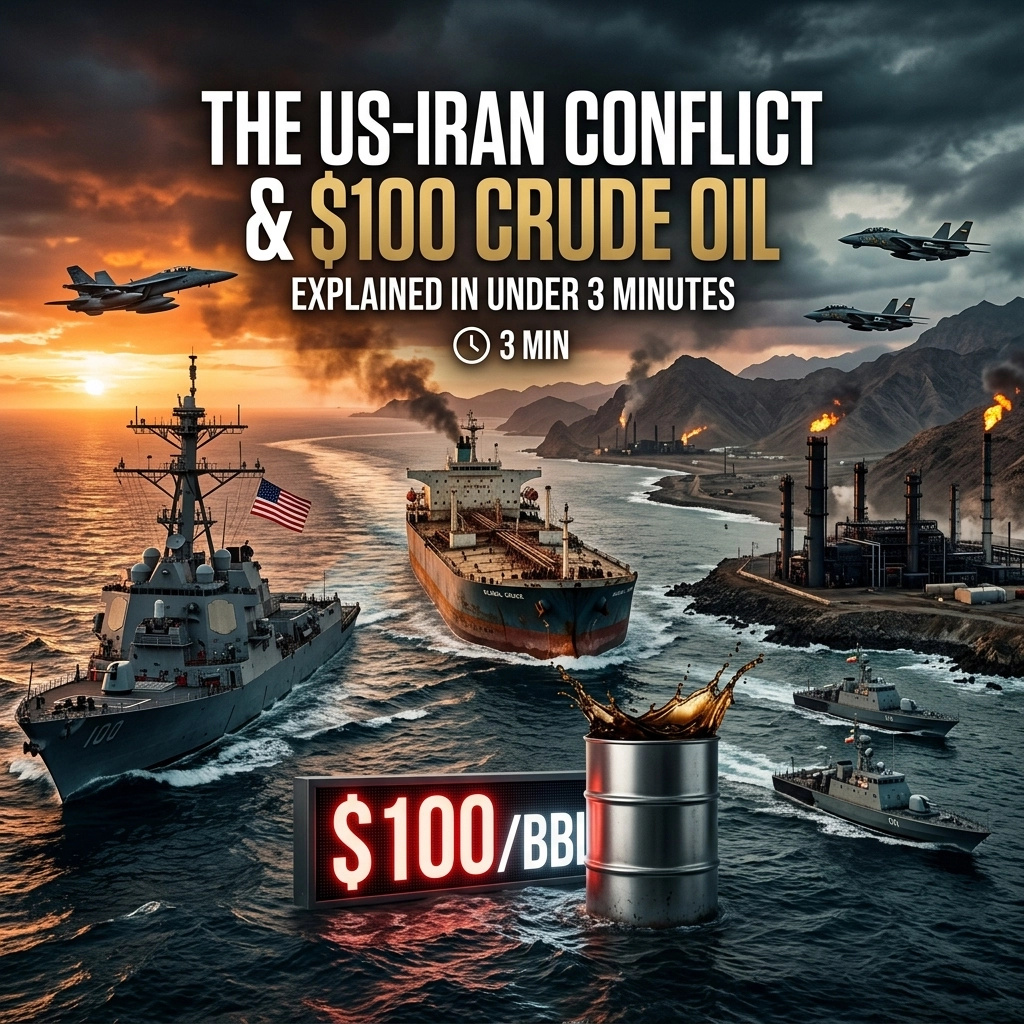
The impact on LPG supply and oil prices is a stark reminder that while the presentation may be digital, the consequences are physical. India's management of the LPG crisis amid the US-Iran war is a masterclass in navigating a "gamified" geopolitical landscape, where diplomatic moves are often choreographed for maximum social media impact before they are even executed at the negotiating table.
7. The Role of AI Cash Tracking in a Volatile Market
To counter the instability caused by gamified propaganda, the Indian government and private financial institutions are turning to AI-driven cash tracking. This technology is seen as a transformative solution to the problem of "narrative-driven" market manipulation. By analyzing the flow of capital in real-time, authorities can identify when a "gamified" news event is being used as a smokescreen for illicit financial activity or predatory short-selling.
This level of precision is essential for maintaining investor confidence. As discussed in our privacy policy for Business Tantra, the protection of data and the integrity of financial information are paramount in an era where digital deception is a standard tool of statecraft.
8. Analyzing the 'Hormuz Crisis' Through a Digital Lens
The "High-voltage" analysis of the current Hormuz crisis reveals a pattern of escalation that looks remarkably like a scripted game event. From the sudden surge in GIFT Nifty points to the tactical "leaks" regarding peace talks, every move seems designed for maximum engagement.
For the Indian business community, the "value proposition" of traditional news media is being challenged by these real-time digital developments. We must move from being passive consumers of the "spectacle" to analytical observers who can decode the underlying business logic. Whether it is Japan's secret "India Unit" or the BRICS 2026 takeover, the real story is often hidden behind the gamified headlines.
9. Conclusion: Navigating the Gamified Future
The gamification of war in 2026 represents a fundamental shift in how humanity processes conflict. For Indian business updates, the message is clear: the digital and the physical are now inseparable. The technologies that power our entertainment: AI, memes, and immersive interfaces: are the same tools being used to reshape the global order.
As we look toward the future, the ability to deconstruct these gamified narratives will be the ultimate competitive advantage. Businesses must remain objective yet optimistic, viewing these challenges not just as threats, but as catalysts for revitalizing their own digital strategies. The "gamified" spectacle may be here to stay, but the underlying economic realities remain as concrete as ever.
To stay updated on the latest shifts in the global and Indian business landscape, ensure you are following the deep-dive analyses at Business Tantra. Whether it's the 2026 Budget or the latest in startup news, we provide the clarity needed to navigate a world that often feels like a game.