




















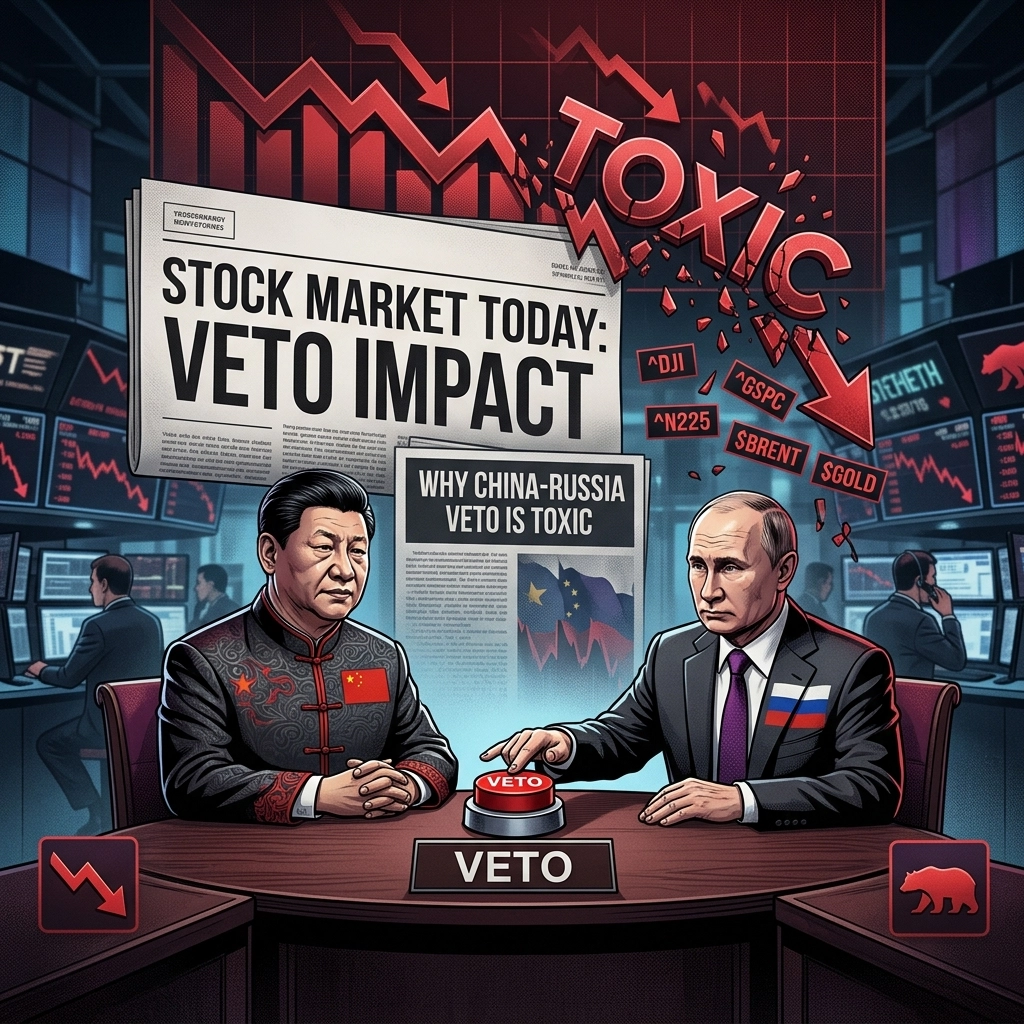

Stock market today is reeling from a geopolitical gut-punch that few analysts saw coming with such blatant hostility. In a move that can only be described as a calculated sabotage of global trade stability, China and Russia have officially vetoed a United Nations Security Council resolution aimed at reopening the Strait of Hormuz. This is not just a diplomatic stalemate; it is a direct assault on the jugular of the global economy. For investors navigating the treacherous waters of the Indian equity markets, this veto represents a toxic infusion of uncertainty that threatens to revitalize the bears and dismantle months of hard-earned gains.
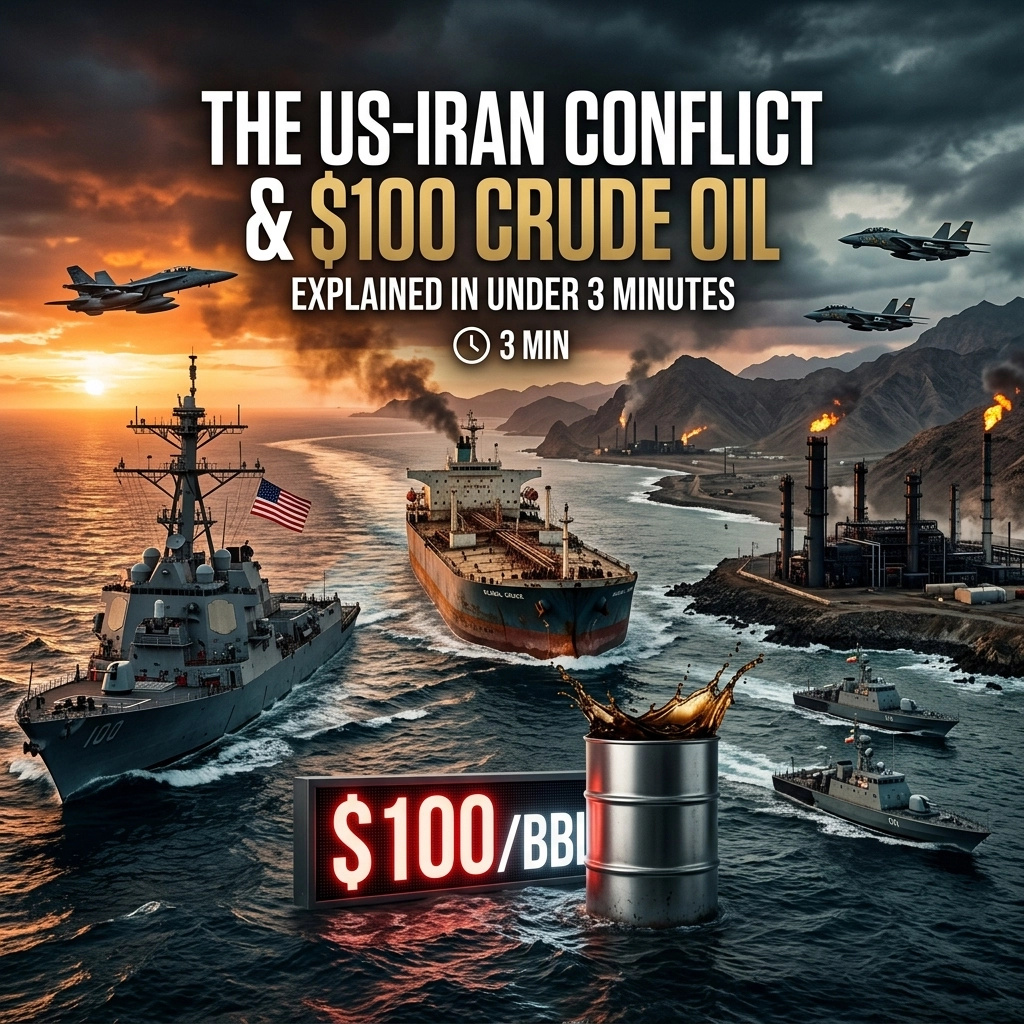
The Strait of Hormuz is the world’s most sensitive oil chokepoint. With approximately 21% of the world's petroleum-liquids consumption passing through this narrow strip of water daily, any disruption is a catalyst for economic chaos. By blocking the resolution to ensure safe passage, Moscow and Beijing have effectively signaled that they are willing to weaponize energy security to further their own strategic agendas. The result? A "legitimate purpose" for safe trade has been sacrificed at the altar of power politics, leaving the stock market today in a state of absolute paralysis.
The Strait of Hormuz Crisis: A Catastrophe for Stock market today
The immediate fallout of the China-Russia veto was felt instantly across trading desks from Mumbai to New York. Crude oil futures spiked by nearly 12% within minutes of the announcement, as the realization set in that a peaceful resolution to the Hormuz blockade is now off the table. For the stock market today, this is a nightmare scenario. India, which imports over 80% of its crude oil requirements, is disproportionately vulnerable to these fluctuations.

When the cost of energy skyrockets, every sector of the Indian economy feels the burn. From manufacturing and logistics to the price of a daily commute, the inflationary pressure is immense. This veto acts as a stranglehold on the Indian business updates we were hoping to see as the financial year progresses. Instead of stability, we are facing a reality where "exponential growth" is replaced by a desperate scramble for energy security.
According to latest reports from the Ministry of External Affairs, the diplomatic efforts to bypass this veto are in high gear, but the damage to market sentiment is already done. Institutional investors are pulling back, and the volatility index (VIX) has reached levels not seen since the early days of the 2022 energy crisis.
Why Global Energy Security Influences Stock market today
The interconnection between geopolitical posturing and the stock market today cannot be overstated. When China and Russia choose to obstruct international efforts to secure trade routes, they are effectively imposing a "tax" on global prosperity. This veto is toxic because it removes the floor from beneath the market’s expectations. Without a guarantee of safe passage through the Strait, insurance premiums for oil tankers have quadrupled, and shipping companies are rerouting vessels around the Cape of Good Hope, a move that adds weeks to delivery times and millions to operational costs.
For the stock market today, these delays translate into supply chain disruptions that will hit the Q1 and Q2 earnings of major Indian corporates. Companies in the automotive, paint, and chemical sectors are particularly exposed. The mission of any savvy investor right now should be to identify which firms have the resilience to withstand this exogenous shock. At Business Tantra, we have seen how digital transformation can help mitigate some operational risks, but even the most advanced digital business card or electronic communications network cannot offset the sheer cost of high-priced oil.
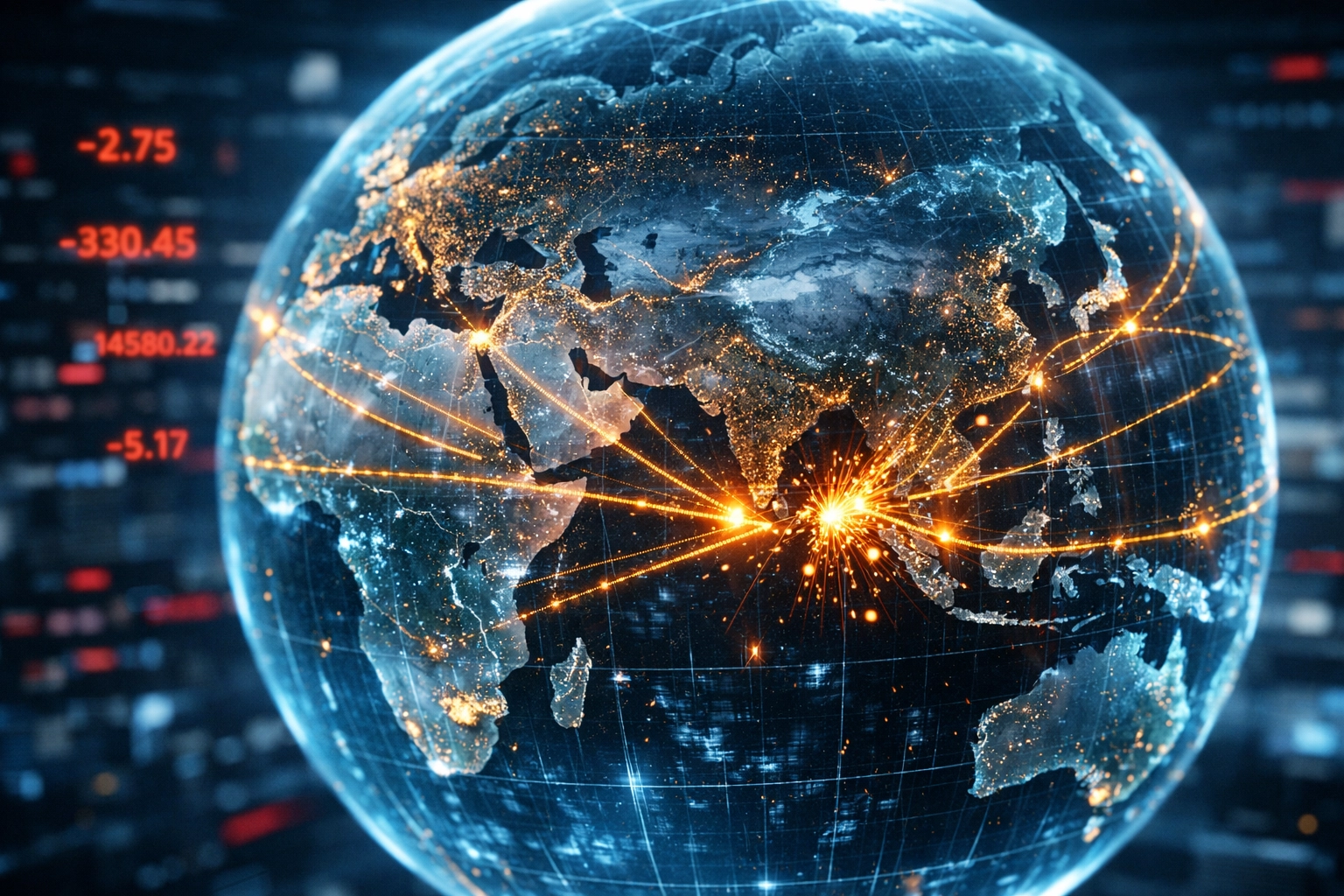
Furthermore, the veto creates a "data-driven insight" that suggests a deepening of the China-Russia axis, intended to challenge Western economic hegemony. This geopolitical realignment is forcing a repricing of risk across all asset classes. If you are looking at the stock market today, you must realize that we are no longer trading on fundamentals alone; we are trading on the whims of a fractured UN Security Council.
Managing Volatility in the Stock market today
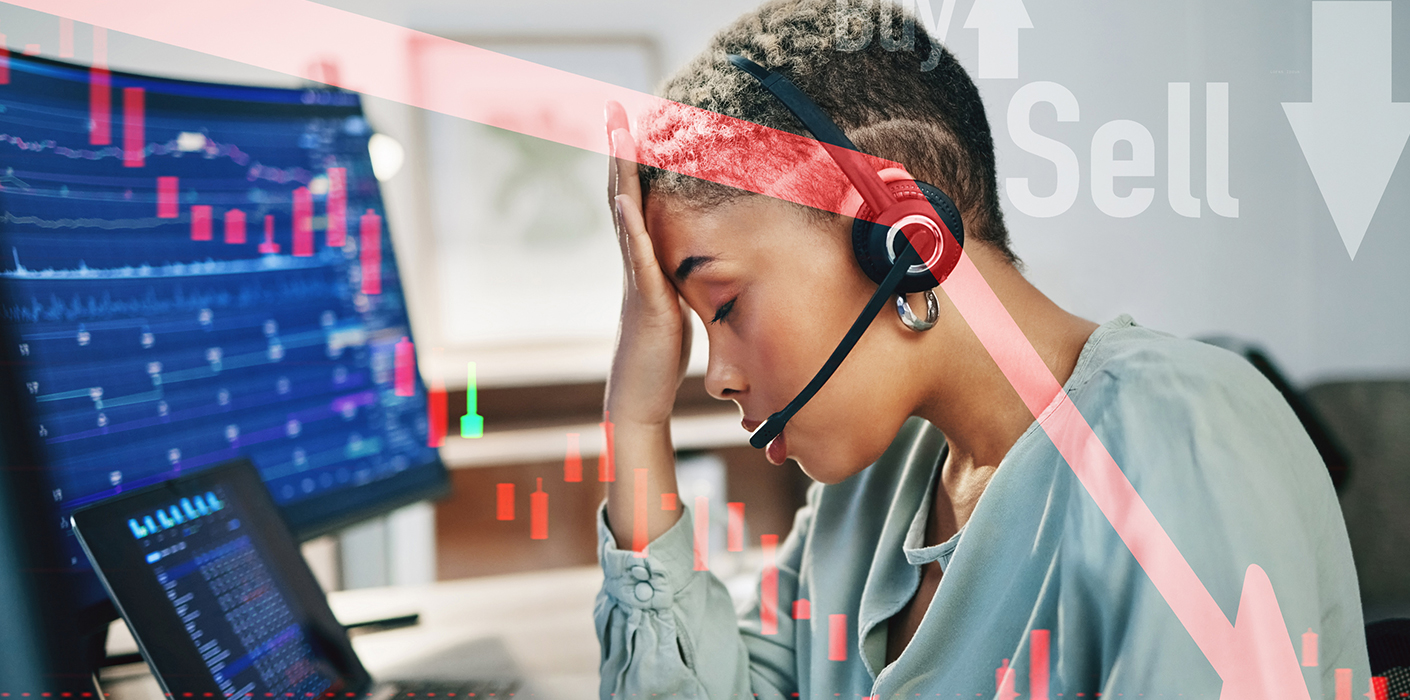
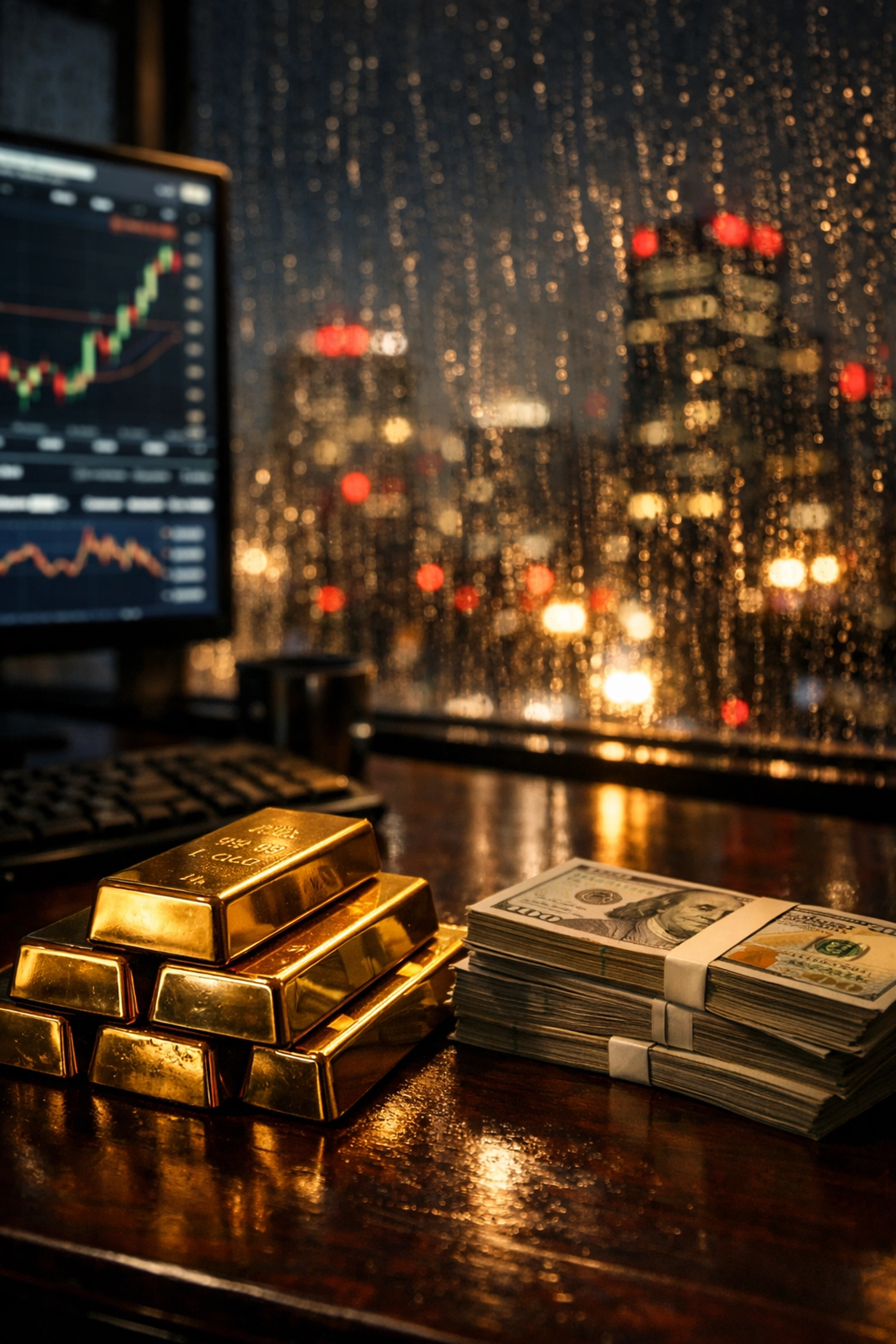
How does one navigate a toxic environment? The first step is acknowledging that the "buy the dip" mentality might be dangerous when the "dip" is caused by a fundamental shift in global security. In the stock market today, liquidity is king. Investors are fleeing to the safety of the US Dollar and Gold, leaving emerging market equities like India’s under severe pressure.
To survive this period, institutional players are utilizing high-frequency trading and AI-driven models to hedge their positions. However, for the retail investor, the strategy must be more grounded. You need to look for companies with zero debt and high pricing power, those who can pass the increased energy costs directly to the consumer without losing market share. This is the only way to find "revitalized" growth in a stagnant pool of volatility.
If you are a professional looking to network during these turbulent times, having the right tools is essential. Check out our about-us page to see how we are helping businesses stay connected despite global disruptions.
The Rupee Under Siege
The Indian Rupee has hit an all-time low against the greenback as a direct consequence of the veto. A weaker Rupee combined with higher oil prices is a double-whammy for the Indian trade deficit. For the stock market today, this means the Reserve Bank of India (RBI) might be forced to keep interest rates higher for longer to combat imported inflation. This "hawkish" stance is exactly what the equity markets did not want to hear.
The Asian News Network has highlighted that other regional economies are also feeling the heat, but India's position as a massive net importer makes it the "canary in the coal mine" for this crisis. The "value proposition" of Indian equities has temporarily been dimmed by the shadow of the Strait of Hormuz.
The Corporate Fallout: Winners and Losers in the Stock market today
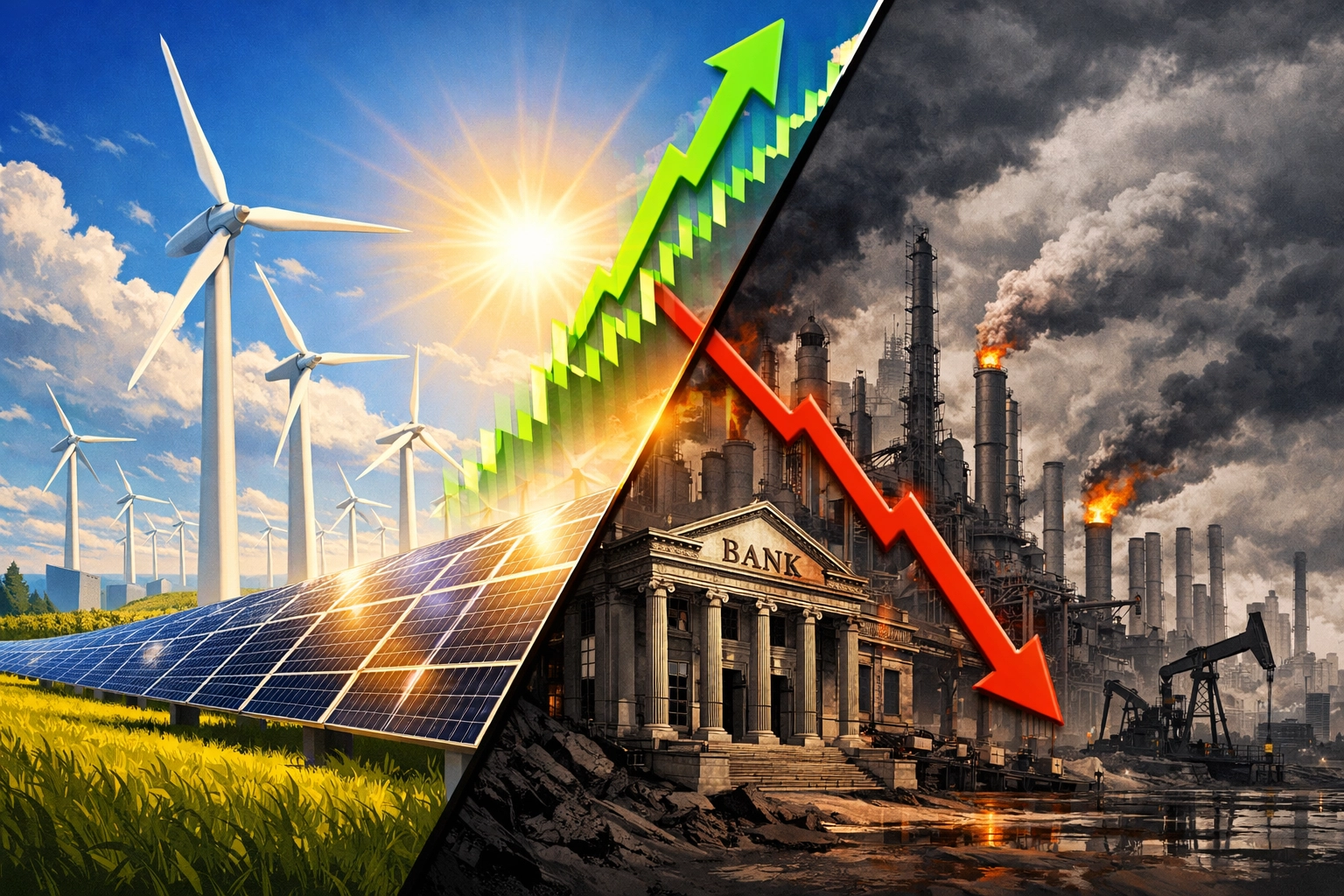
In every crisis, there are those who profit from the chaos. While the broader stock market today is in the red, certain segments of the energy and defense sectors are seeing unprecedented interest. Domestic oil exploration companies and renewable energy firms are being viewed as long-term beneficiaries of a world where traditional trade routes are no longer guaranteed.
- Renewable Energy Giants: The push to "democratize" energy and reduce dependence on the Middle East will accelerate.
- Defense Contractors: As regional tensions rise, government spending on naval security and coastal defense will see "exponential growth."
- Logistics Tech: Companies that provide real-time tracking and supply chain optimization will become indispensable.
However, these silver linings are small compared to the massive sell-off in the IT and banking sectors. Banking stocks are particularly sensitive to the rising bond yields triggered by inflationary fears. If you are tracking the stock market today, the bloodbath in the Nifty Bank index tells you everything you need to know about the current risk appetite.
Conclusion: The Long Road to Recovery for the Stock market today
The China-Russia veto is a definitive moment for the 2026 fiscal year. It has exposed the fragility of global trade and the ruthlessness of modern geopolitics. The stock market today is a reflection of a world that is moving away from cooperation and toward confrontation. For the Indian investor, the message is clear: the era of easy gains is over. We are now in a period where macro-analysis is just as important as micro-fundamentals.
The "toxic" nature of this veto lies in its permanence. It is not a temporary hurdle; it is a fundamental shift in the risk profile of global energy. As we continue to provide updates at Business Tantra, we urge our readers to maintain a journalistic distance from the panic but remain hyper-aware of the shifting tides.
Whether you are looking for investment tips or trying to understand the deeper implications of remote work trends, the underlying theme remains the same: adaptability is the only currency that matters. The Strait of Hormuz may be blocked by politics, but the flow of information must remain free. Stay tuned to our home-news for real-time developments on this escalating crisis. The stock market today may be toxic, but with the right insights, you can still navigate the storm.
If you have questions or need to reach out to our team during this market upheaval, please visit our contact-us page. We are here to provide the clarity you need when the world seems to be falling apart.