

























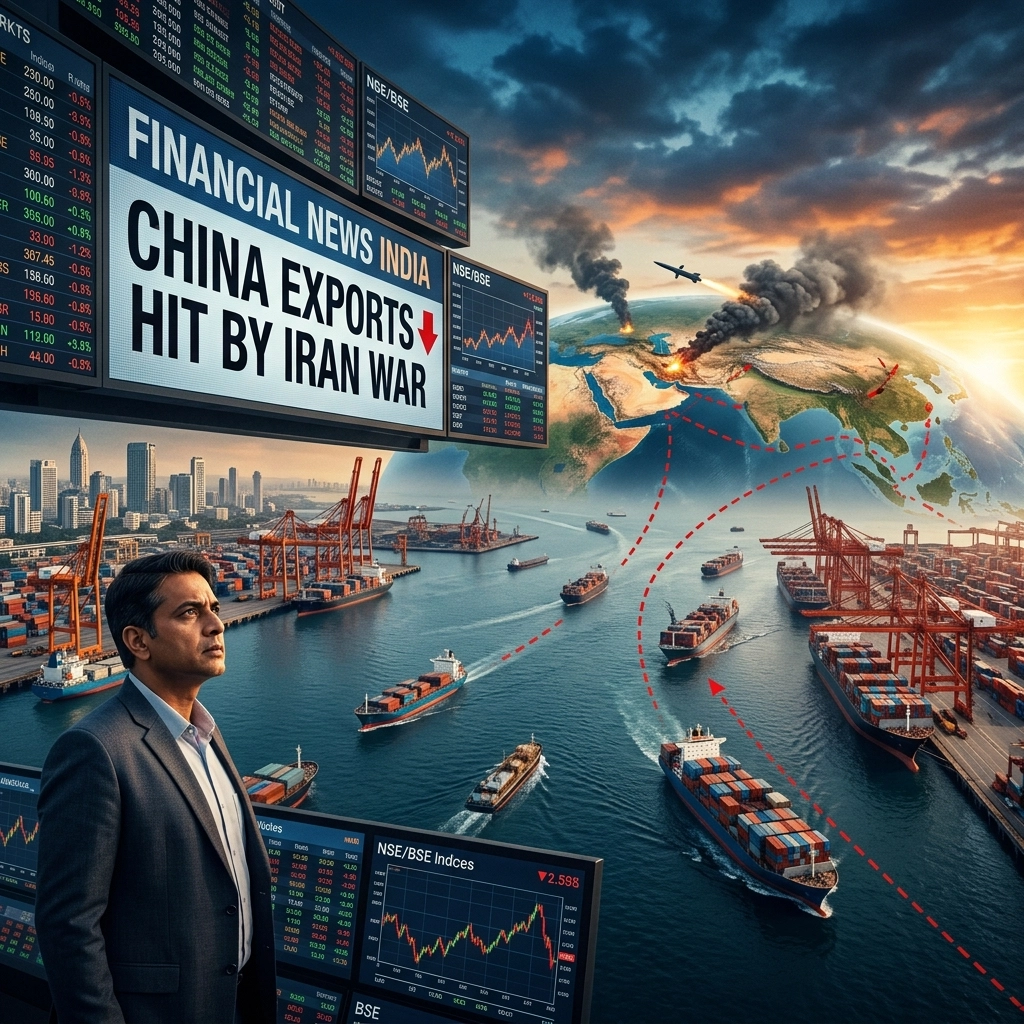

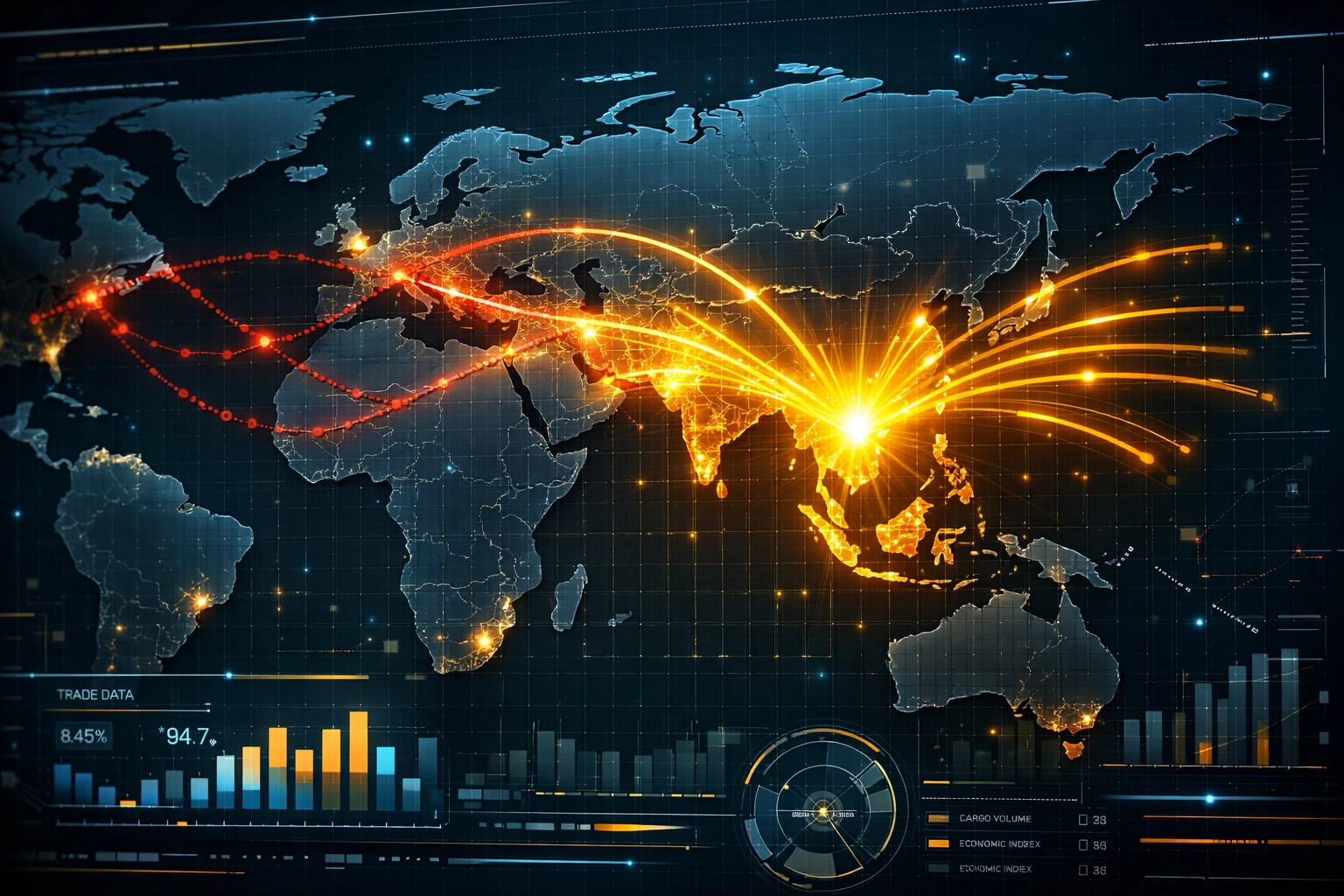
Financial news india and global markets are reeling today, April 14, 2026, as the latest trade data from Beijing confirms a significant fracture in the global supply chain. China’s export growth, once the undisputed engine of the global recovery, has decelerated to a mere 2.5% in March. This represents a staggering decline from the 21.8% growth witnessed in the January-February period. As the economy of india prepares for the ripple effects of this slowdown, the primary catalysts are clear: the intensifying Iran war and the brutal application of Trump-era tariffs.
While China’s exports have stumbled, its imports have surged by 27.8%, driven largely by a desperate need to stockpile energy and raw materials as the West Asia crisis threatens to choke the Strait of Hormuz. For investors and policymakers tracking financial news india, this shift signals a transformative moment in international trade dynamics, where geopolitical volatility is now the primary arbiter of market value.
1. The Iran War: A Catalyst for Change in Global Logistics
The escalating conflict in Iran has fundamentally altered the risk profile of maritime trade. Since the commencement of major military operations in late February 2026, the disruption to Iranian oil production: which previously accounted for nearly 13% of China's crude imports: has sent shockwaves through the manufacturing sector.
The immediate shortfall of 1.4 million barrels per day has forced Beijing to seek alternative, more expensive energy sources, effectively raising the "factory gate" costs for Chinese goods. This energy price shock acts as a "tax" on global consumption, reducing the competitiveness of Chinese exports in a world already struggling with inflationary pressures. According to reports from CNBC, the logistics of navigating the West Asia corridor have become so treacherous that insurance premiums for cargo vessels have reached "prohibitive" levels, further dampening trade volumes.

2. Trump Tariffs and the 26.5% Collapse in US Shipments
The geopolitical pincer movement is completed by the aggressive trade stance of the United States. Recent data indicates that Chinese shipments to the U.S. have plummeted by 26.5% year-on-year. This is not merely a seasonal dip but a direct result of the reinstated and expanded Trump tariffs, which have targeted everything from consumer electronics to heavy machinery.
For those monitoring the economy of india, this decoupling between the world's two largest economies presents both a threat and a "revitalized" opportunity. As the U.S. pivots away from "Made in China," the "China Plus One" strategy is no longer a boardroom theory; it is a survival mandate. Business Tantra has extensively covered how Indian manufacturing hubs are positioning themselves to capture this displaced demand. You can read more about these domestic shifts on our Home News page.
3. The Resilience of High-Tech: AI and Semiconductors
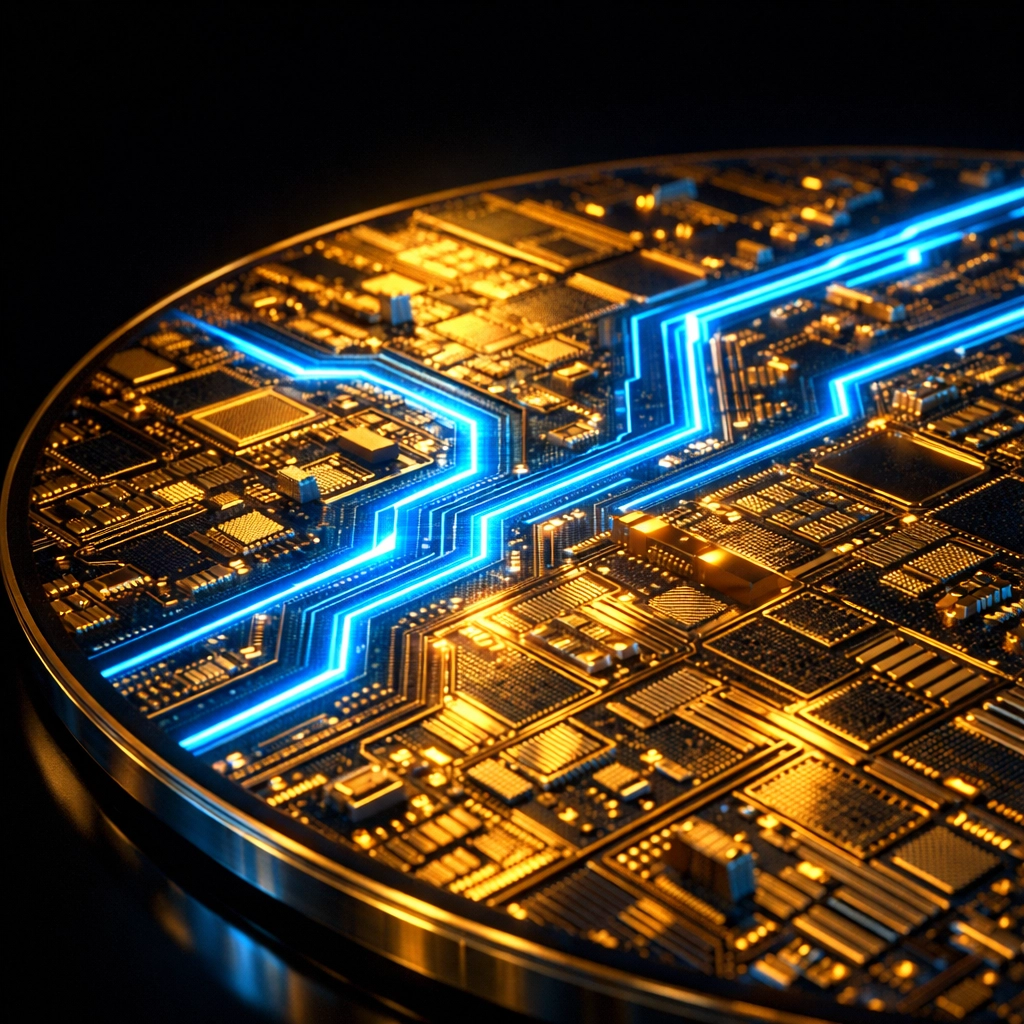
Despite the overall slowdown, certain sectors remain remarkably resilient. The "Pax Silica" or the dominance of the semiconductor and AI industries continues to provide a floor for China’s industrial output. High-end tech exports have managed to maintain a positive trajectory, even as low-margin consumer goods face extinction.
The demand for data-driven insights and AI infrastructure is so high that it transcends traditional trade barriers. However, the cost of manufacturing these components is rising. The energy-intensive nature of semiconductor fabrication makes these plants particularly vulnerable to the current energy crisis. For Indian tech startups looking to navigate these choppy waters, understanding these supply chain constraints is vital for maintaining exponential growth.
4. Impact on the Economy of India and Domestic Markets
The economy of india stands at a crossroads. On one hand, the surge in global energy prices: exacerbated by the Iran war: threatens India’s fiscal deficit and retail inflation. On the other hand, the disruption of Chinese export dominance allows Indian exporters to gain market share in Europe and Southeast Asia, where Chinese shipments grew by 8.6% and 6.9% respectively, showing that demand is shifting, not disappearing.
Current financial news india highlights that the GIFT Nifty has shown extreme volatility today, reflecting the uncertainty surrounding US-Iran peace talks. If a de-escalation occurs, we may see a relief rally; however, the structural damage to the "Just-in-Time" supply chain model may be permanent. Professional investors are now looking toward "Just-in-Case" inventory management, a shift that requires significant capital expenditure and a rethink of the Terms and Conditions of global trade contracts.
5. Navigating the New Global Supply Chain Reality
The "gamification of war" and the use of technology as a propaganda tool have reshaped how markets perceive geopolitical risk. In 2026, a meme or a viral video of a drone strike can move the Sensex faster than a traditional earnings report. This democratization of information: and misinformation: means that businesses must have a robust mechanism for verifying "legitimate purpose" in their data sources.
For those in the Indian corporate sector, the focus must shift toward:
- Energy Diversification: Reducing reliance on volatile West Asian corridors.
- Technological Sovereignty: Investing in domestic semiconductor and AI capabilities.
- Strategic Stockpiling: Emulating China’s strategy of maintaining four months of import reserves.
6. The "Work Family" and Gen Z's Pragmatic Response
As the global economy faces these "high-voltage" shocks, the internal dynamics of the workplace are also shifting. Gen Z professionals, watching the fragility of the global trade system, are refusing to subscribe to the "work family" narrative. They see the economy of india as a battlefield of pragmatism rather than loyalty. This shift in corporate culture is essential for businesses to understand if they wish to retain talent in an era of "permacrisis."

7. Looking Ahead: Is a Recession Inevitable?
The question for every investor reading financial news india is whether the China slowdown is the "canary in the coal mine" for a global recession. With the Sensex dropping 703 points today and Nifty struggling to hold the 23,800 mark, the sentiment is undeniably bearish. However, the underlying strength of the Indian banking sector, led by top gainers like ICICI Bank, suggests that the domestic economy has enough "buffer" to withstand the initial shock.
For a deeper dive into how these global events impact your personal investment portfolio, visit our Blog Layout for expert analysis.
Conclusion
The latest data regarding China’s export stumble is a definitive signal that the era of hyper-globalization is being replaced by a fragmented, geopolitically-charged trade landscape. The Iran war is not just a localized conflict; it is a systemic shock that has exposed the vulnerabilities of the world’s manufacturing hub. For the economy of india, the path forward requires a sophisticated balance of domestic manufacturing aggressive growth and strategic diplomatic maneuvering.
As we move further into April 2026, the ability to process financial news india with precision and speed will be the difference between obsolescence and "exponential growth." The global supply chain has been "revitalized" by crisis, and only the most adaptable will survive this new economic order. Stay tuned to Business Tantra for real-time updates on this developing story and more.
For further reading on international trade impacts, refer to the detailed reports by the Times of India.