

























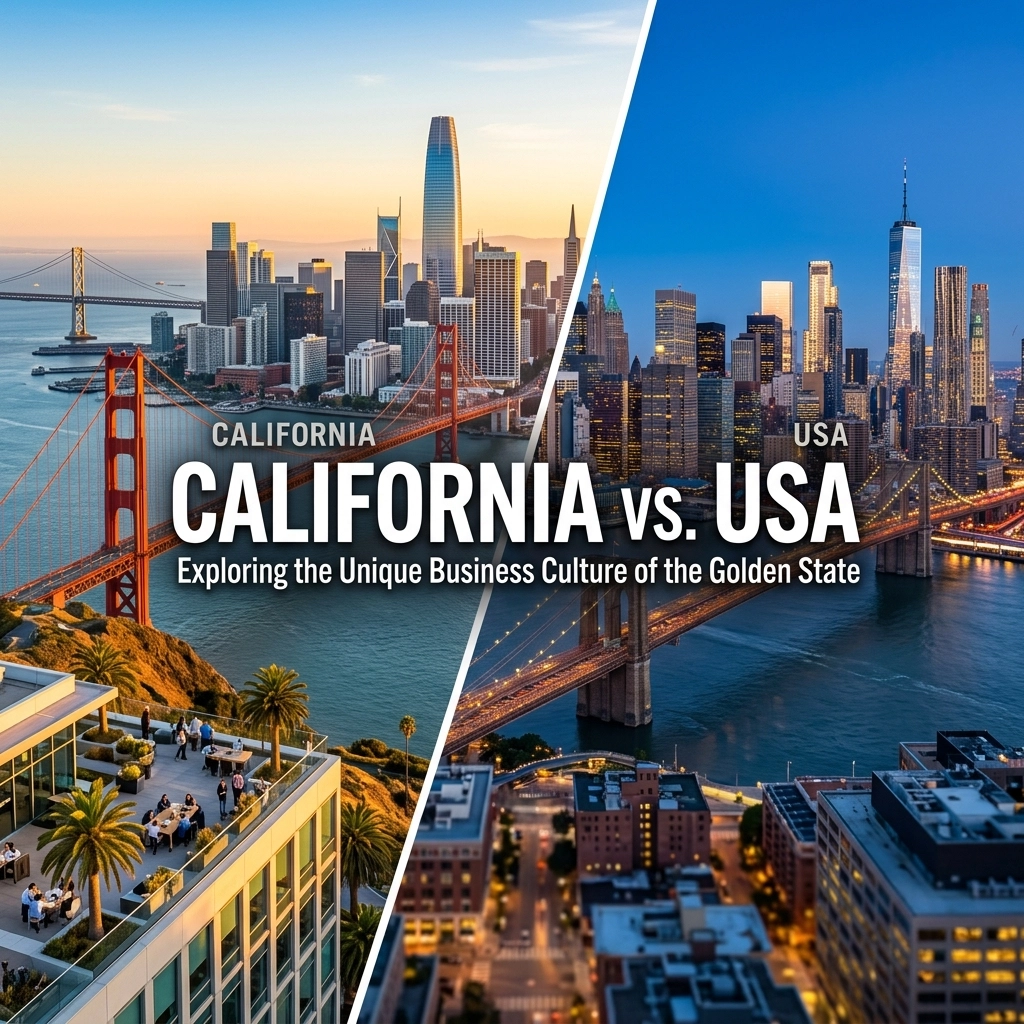

For decades, the global perception of the "American Dream" has often been synonymous with the palm trees and tech campuses of California. However, for the astute entrepreneur or investor, treating California as just another U.S. state is a strategic oversight. As of 2026, the California business landscape operates with the complexity, regulatory weight, and economic gravity of a sovereign nation. Often cited as the world’s fifth-largest economy, California’s gross state product eclipses that of most G7 nations, creating a distinct "State-Nation" identity that often stands in stark contrast to the rest of the United States.
To understand the unique business culture of the Golden State, one must look beyond the geography and examine the confluence of aggressive regulation, a high-risk-reward venture capital ecosystem, and a cultural ethos of "disruptive innovation" that separates it from the more traditional corporate frameworks of the East Coast or the Midwest.
1. The Economic Scale: A State-Nation Paradigm
When discussing the United States economy, the conversation inevitably pivots to California’s sheer output. Contributing nearly 15% of the total U.S. GDP, the state serves as a primary catalyst for change in global markets. While the broader U.S. economy relies on a diversified mix of manufacturing, finance, and services, California has hyper-specialized in high-value intellectual property.
The economic divergence is most visible in the concentration of capital. While the "Rest of the USA" focuses on industrial revitalization and traditional banking hubs like Charlotte or Chicago, California remains the undisputed epicenter of venture capital. This concentration of wealth has democratized access to funding for visionary founders but has also created a high-cost-of-living environment that mandates exponential growth for any business to survive.
2. Regulatory Divergence: The "California Effect"
One of the most profound differences between the California business environment and the federal standard is the regulatory landscape. California often implements standards that are far more stringent than federal laws, a phenomenon known as the "California Effect."
- Environmental Standards: The California Air Resources Board (CARB) sets emissions standards that often become the de facto national standard because manufacturers cannot afford to lose the California market.
- Labor Laws: From the controversial AB5 "gig worker" law to strict overtime and meal-break requirements, California is arguably the most pro-employee state in the union. This creates a complex compliance hurdle for businesses scaling from other states into California.
- Privacy Rights: The California Consumer Privacy Act (CCPA) mirrors the European GDPR more closely than any federal U.S. law, forcing companies across the globe to overhaul their data-handling practices if they wish to serve Californian residents.
For businesses looking to enter this market, navigating these legalistic hurdles requires precision and a focus on "legitimate purpose" in data and labor management. You can learn more about how we analyze these market shifts at Business Tantra.
3. Cultural Ethos: Failure as a Badge of Honor
In the traditional U.S. business landscape: think Wall Street or the automotive hubs of the Rust Belt: failure is often viewed as a terminal professional setback. In California, particularly within Silicon Valley and the burgeoning LA business scene, failure is revitalized as a necessary step toward innovation.
This cultural acceptance of risk allows for a "move fast and break things" mentality. While an East Coast firm might prioritize "data-driven insights" to mitigate every possible risk, a California-based startup is more likely to prioritize speed-to-market. This has created a workforce that is highly mobile and unaudited by the traditional stigma of a failed venture.
4. The Power of LA Business: Beyond the Silver Screen
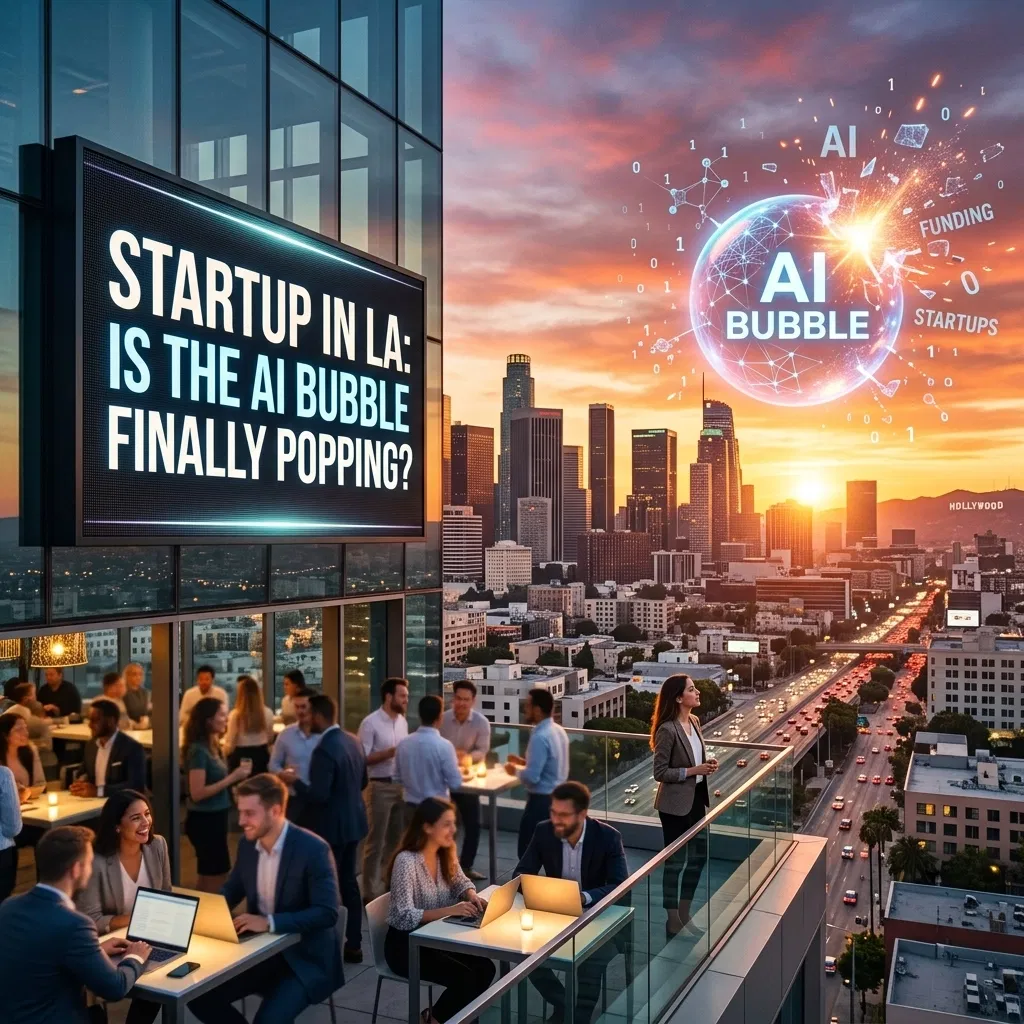
While Silicon Valley dominates the tech conversation, the LA business ecosystem provides a different yet equally potent model. Los Angeles has successfully pivoted from being solely an entertainment town to a diversified hub of "Silicon Beach."
Today, an LA business is just as likely to be a biotech lab or an aerospace startup as it is a film production house. The intersection of "content and commerce" is where Los Angeles shines. The city has become a global leader in direct-to-consumer (DTC) brands and fashion tech, leveraging the massive influencer and creative talent pool available in the region.
5. Labor Mobility and the End of Non-Competes
Perhaps the most significant legal differentiator for California is its long-standing refusal to enforce non-compete agreements. In most of the USA, an employer can legally prevent an employee from leaving to work for a competitor. In California, these clauses are generally void.
This legal stance has been a transformative solution for the tech and creative industries. It encourages a constant "cross-pollination" of ideas. Engineers and creatives move freely between Apple, Google, and Meta, carrying expertise that fuels the entire ecosystem rather than siloing it within a single corporation. This "open-source" approach to human capital is a cornerstone of why California remains more innovative than states with more restrictive labor laws.
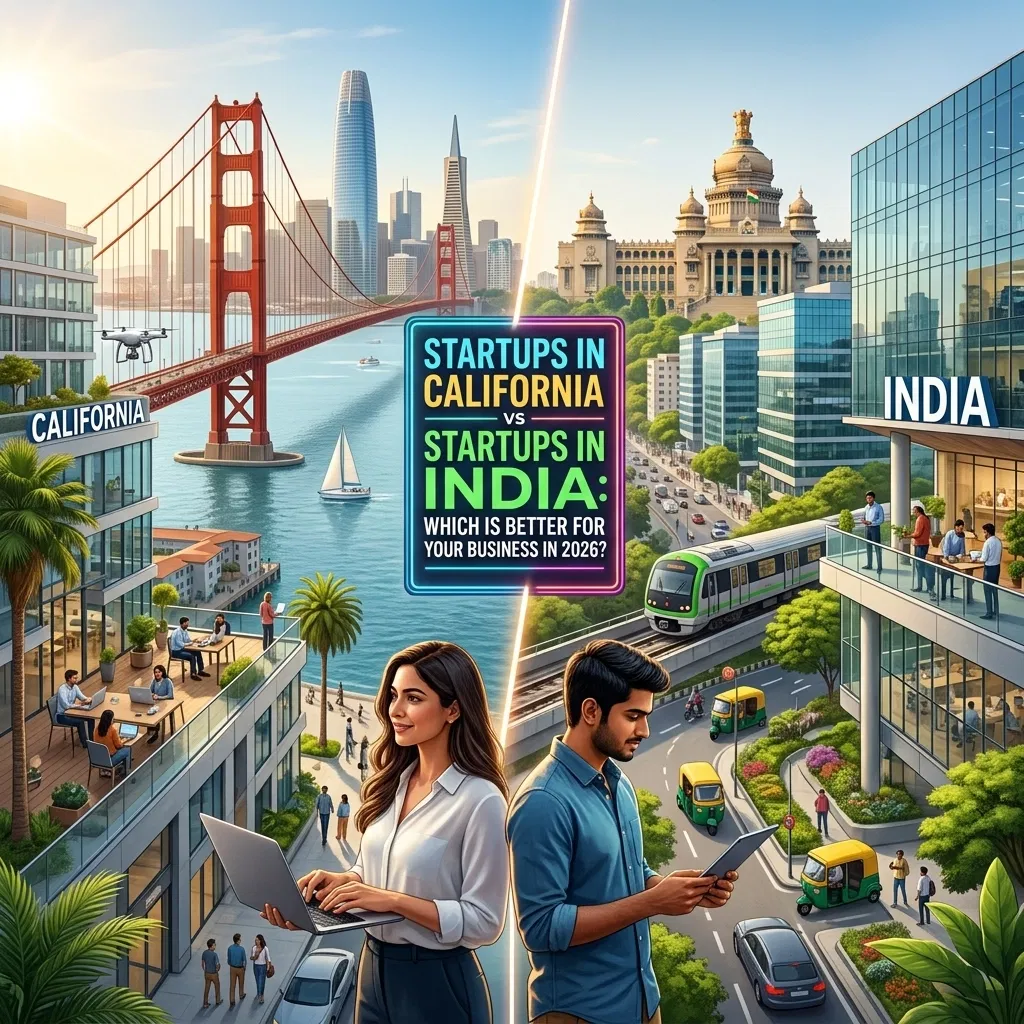
6. California vs. the US: Strategic Opportunities for Indian Businesses
For Indian entrepreneurs, the question often arises: Should we land in California or elsewhere in the US?
California offers a unique value proposition for Indian firms, particularly in the IT and manufacturing sectors. Despite the higher taxes, the proximity to decision-makers in Big Tech and the massive Indian diaspora in regions like Santa Clara and Orange County provides a built-in networking advantage.
Indian manufacturing firms looking to scale into the U.S. often find that California’s ports (Long Beach and Los Angeles) are the primary gateway for trans-Pacific trade. Managing a California business allows Indian firms to be at the "tip of the spear" for technological advancements in insurance, fintech, and green energy.

7. The Challenges: Taxation and "Tech-odus"
It would be remiss not to mention the "mission" of many companies to leave California. The state’s high corporate and personal income taxes have led to a publicized "tech-odus" to states like Texas and Florida. However, recent data suggests that while back-office operations may move, the "brain trust" remains in California.
The state continues to attract the highest volume of patents and R&D investment. For a business that relies on high-level intellectual capital, the "tax" of being in California is often viewed as the price of admission to the world’s most elite talent pool.
8. Looking Ahead: California in 2026 and Beyond
As we move through 2026, California is doubling down on its role as a global leader in AI ethics and climate tech. While the federal government may fluctuate in its commitment to international climate goals, California’s independent "Value Proposition" involves lead-market status in electric vehicle (EV) infrastructure and renewable energy storage.
For organizations interested in the future of global commerce, keeping a pulse on the Golden State is non-negotiable. Whether you are looking to register a new venture or seeking to understand the latest in digital business tools, the trends often start in California before they sweep across the rest of the nation.

Conclusion
California is not merely a state; it is a preview of the future of global business. Its unique blend of aggressive regulatory oversight, an unparalleled culture of risk, and a legal framework that prioritizes talent mobility creates an environment that is distinctly different from the rest of the United States.
While the "Rest of the USA" offers stability and lower operational costs, California offers the chance for "exponential growth" and market-defining influence. For the global business leader, the choice between California and the USA is not about better or worse: it is about the "mission." If your goal is to disrupt an industry and define the next century of innovation, the Golden State remains the ultimate arena.
To stay updated on these shifting market dynamics and more, visit our About Us page or Contact Us for deeper insights into the Indo-US business corridor.