
























Business Scaling Scope in California: From Local to Global Presence

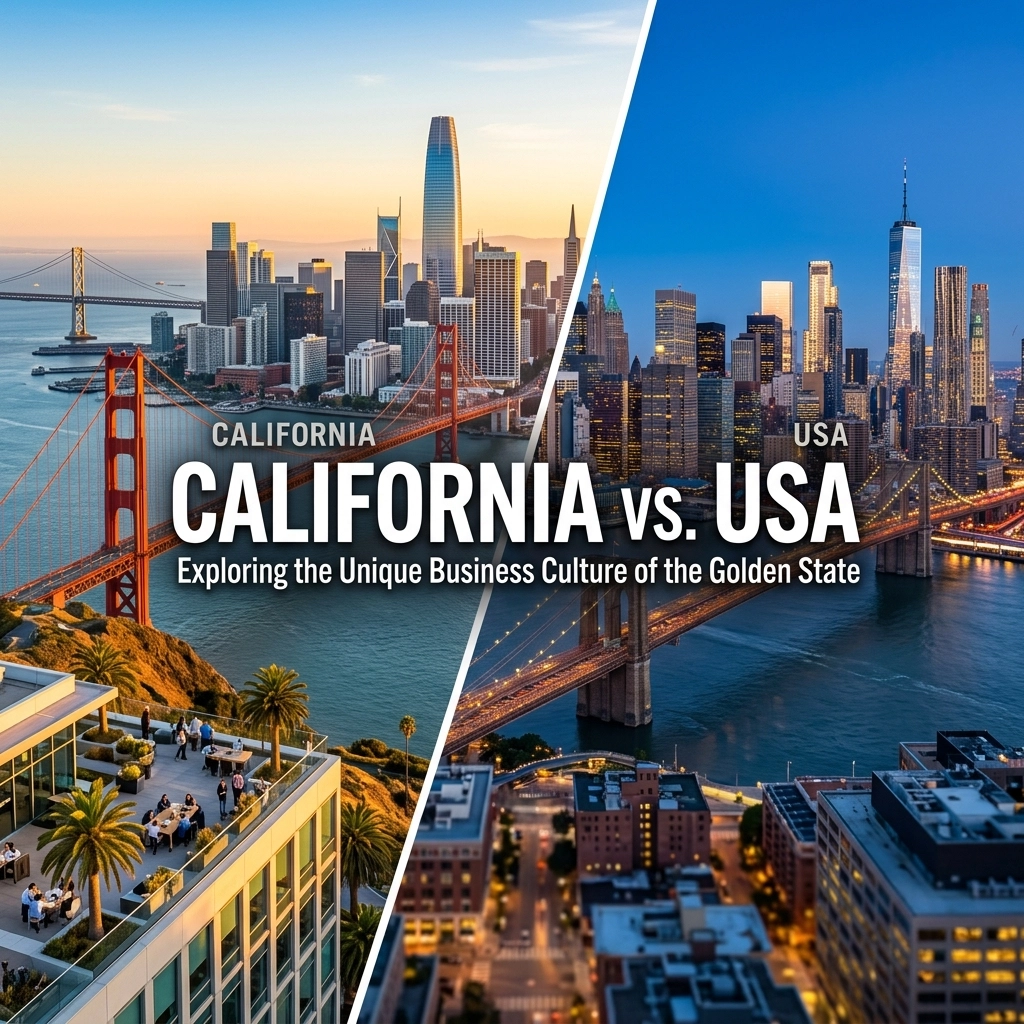
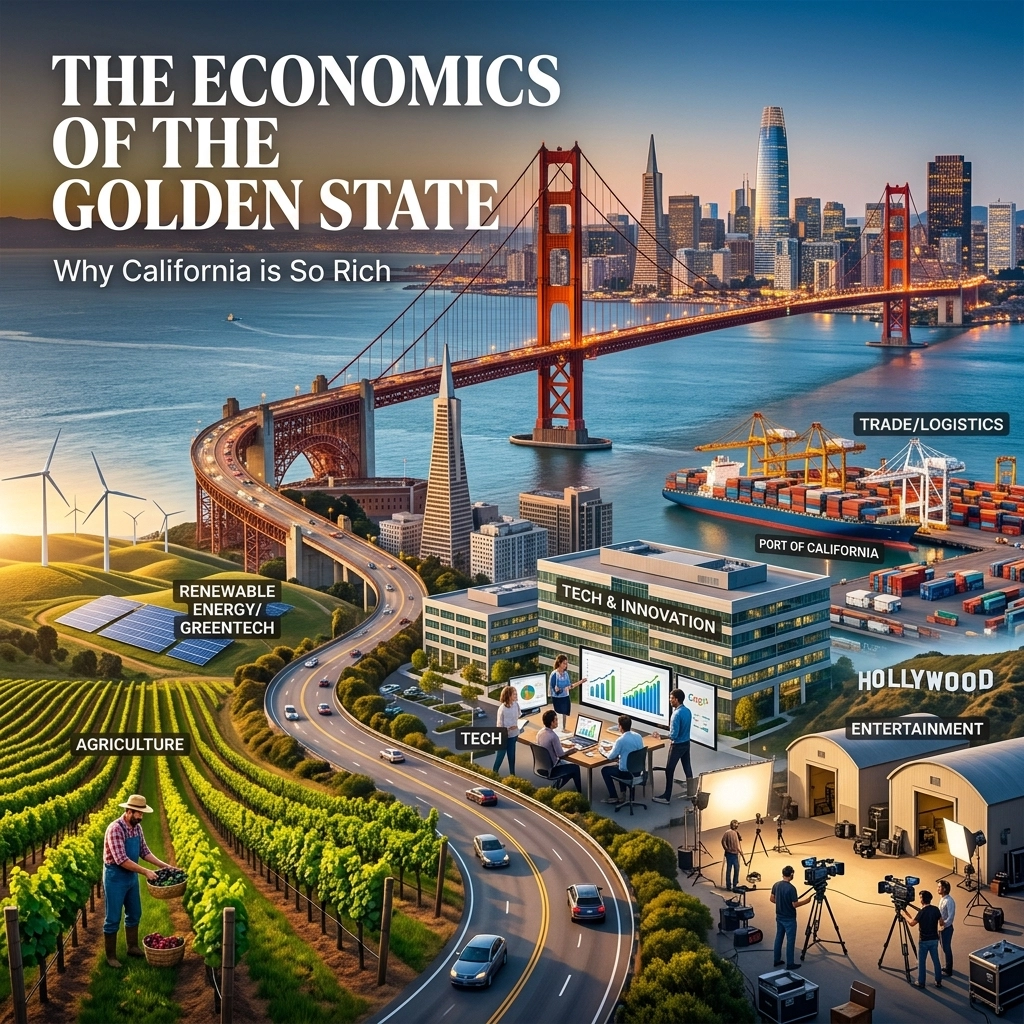
California is more than just the golden state of the American West; it is a global economic titan. As of early 2026, California’s economy has surpassed a staggering $3.9 trillion valuation, effectively ranking it as the fourth-largest economy in the world if it were a sovereign nation. For any Cali Entrepreneur, this environment represents a unique laboratory where local concepts are refined into global standards. The Business Scaling Scope in California is underpinned by a sophisticated infrastructure of venture capital, a multicultural workforce, and a geographical position that serves as the primary gateway to the Pacific Rim.
The journey from a local Startup in LA or a boutique firm in the Bay Area to a multinational corporation is a path paved with institutional support and high-velocity capital. In this deep dive, we explore how the California ecosystem facilitates exponential growth and why the state remains the premier destination for ambitious founders seeking a global footprint.
1. The Economic Foundation: A $3.9 Trillion Catalyst
The sheer scale of the California market provides a "buffer of success" for emerging businesses. With 4.1 million small businesses: the largest and most diverse community in the United States: the state offers an internal market larger than most European nations. This massive consumer base allows companies to achieve significant revenue milestones before even crossing state lines.
Small businesses in California generate nearly 50% of all private-sector jobs and two-thirds of net new jobs. This vibrant "bottom-up" economy is supported by 57 Fortune 500 companies that provide a steady stream of B2B opportunities and acquisition exits. For a startup, having access to these giants as potential clients or partners is a critical component of the Business Scaling Scope in California. Furthermore, the state boasts the second-lowest first-year business failure rate in the U.S., a testament to the robust support networks available to new entrants.
2. Navigating the Regional Hubs: Silicon Valley vs. Los Angeles
To understand the scaling scope, one must recognize that California is not a monolithic market. It is a collection of specialized economic clusters, each serving as a launchpad for different industries.
The Silicon Valley & Bay Area Paradigm
The San Francisco Bay Area remains the undisputed world leader in software, biotechnology, and Artificial Intelligence. Currently, 35 of the world's top 50 AI firms are headquartered here. For businesses in these sectors, scaling is often synonymous with rapid user acquisition and hyper-growth venture rounds. The focus here is on why business management for startups is essential for growth to ensure that technical innovation is matched by operational stability.
The Los Angeles Opportunity
While the North focuses on bits and bytes, Southern California is the hub for "atoms and entertainment." A Startup in LA today is likely at the intersection of advanced manufacturing, aerospace, or "AdTech." Los Angeles has reinvented itself as a leader in green hydrogen, infrastructure solutions, and food innovation.

3. The Venture Capital Pipeline: Funding the Global Ambition
Access to capital is the lifeblood of business expansion. California receives the lion’s share of venture capital in the United States, creating a self-reinforcing ecosystem where success breeds further investment. The Business Scaling Scope in California is significantly widened by the presence of legendary firms like Sequoia Capital, Andreessen Horowitz, and Greylock Partners.
In 2026, the focus has shifted from "growth at all costs" to "sustainable profitability." Startups are now racing for IPOs with a renewed emphasis on unit economics. This transition has democratized access to capital for businesses that solve real-world problems in logistics, healthcare, and renewable energy. For entrepreneurs looking to transition from local to global, the availability of Series B and C funding in California is unmatched. This financial infrastructure allows a local firm to revitalize its operations and expand into international markets within a compressed timeframe.
4. Scaling from Local to Global: The Los Angeles Blueprint
Los Angeles serves as a prime case study for international expansion. Its geographic proximity to Asia and its multicultural population make it an ideal testing ground for products intended for a global audience.
Consider the trajectory of companies like Beyond Meat (founded in El Segundo) or AECOM. These entities utilized the diverse talent pool of Southern California to develop products that resonated across different cultures. AECOM, for instance, used its infrastructure projects in California as a portfolio to win massive contracts in the Middle East and Europe.
Strategic drivers for global success from a California base include:
- Cultural Competency: Leveraging a workforce where 47% of small businesses are owned by people of color.
- Trade Infrastructure: Access to the Ports of Los Angeles and Long Beach, which handle nearly 40% of all U.S. imports.
- Regulatory Leadership: California’s strict environmental and privacy laws (like CCPA) often become the global standard, meaning a California-compliant company is often "ready for the world."

5. Opportunities for the Indian Entrepreneurial Diaspora
The synergy between the Indian startup ecosystem and California’s capital markets has never been stronger. With the start-up flood in India, many Indian founders are looking at California as their second home.
The "India-California Corridor" is a well-traveled path where Indian engineering talent meets California’s product management expertise. Organizations like T-Hub in Telangana have been instrumental in preparing Indian startups to showcase their innovations at global expos and eventually set up headquarters in the Silicon Valley or Los Angeles.
For an Indian entrepreneur, the Business Scaling Scope in California offers:
- Access to SaaS Markets: The ability to sell software to the world's largest enterprises.
- Advanced Manufacturing Partnerships: Tapping into California’s aerospace and EV supply chains.
- Dual-Headquarter Models: Maintaining R&D in India while driving sales and marketing from a California base.

6. Challenges to Consider: Regulation and Cost
Despite the immense opportunities, scaling in California is not without its hurdles. The "California Premium": higher taxes, expensive real estate, and rigorous labor laws: requires a sophisticated business model. Entrepreneurs must navigate complex compliance landscapes that include environmental mandates and consumer data protections.
However, many industry experts argue that these challenges are actually "stress tests" that prepare a company for global competition. A business that can survive and thrive under California's regulatory scrutiny is often well-equipped to handle the complexities of the European Union or the emerging markets in Southeast Asia. Digital transformation has also mitigated some of these costs, with digital hiring and remote collaboration tools becoming the norm for any Cali Entrepreneur.
7. The Future of Scaling: AI and Clean Tech
As we look toward the latter half of 2026, the Business Scaling Scope in California is increasingly dominated by the "Climate-Tech" and "AI-Integration" sectors. The state’s mandate for zero-emission vehicles and its investment in renewable energy grids have created a gold rush for companies in the battery tech and smart-grid sectors.
Simultaneously, the integration of generative AI into traditional businesses: from legal services to agricultural logistics: is providing a new "scaling lever." Companies are now able to manage global operations with leaner teams, using AI to bridge language gaps and optimize supply chains in real-time.

Conclusion
The Business Scaling Scope in California remains unparalleled due to its unique combination of massive internal wealth, access to global trade routes, and a concentrated pool of venture capital. Whether you are a local Cali Entrepreneur or an international founder from India looking to expand, California provides the ultimate stage for business evolution.
By leveraging the state's regional hubs: from the tech-heavy Silicon Valley to the industrially diverse Los Angeles: businesses can transition from local pilots to global powerhouses. While the costs and regulations are significant, the rewards of successfully navigating this ecosystem are a seat at the table of the world's most influential economies. In California, "local" is simply the first step toward "global."

admin


Related Post