























Indo-Californian Opportunities: A Guide for Indian Entrepreneurs in the USA

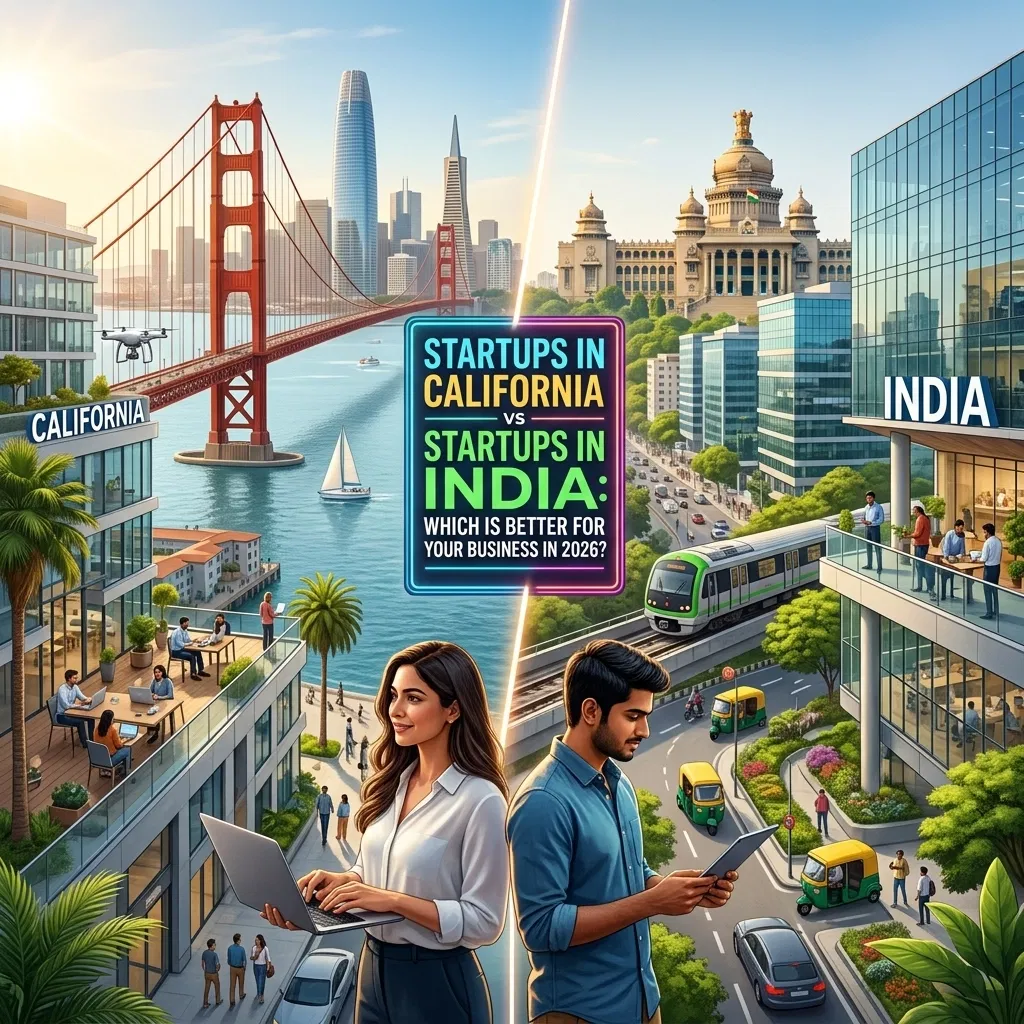
The global business landscape is witnessing a tectonic shift as the bridge between the Indian subcontinent and the United States grows stronger. For many, the ultimate dream involves launching startups in USA, specifically within the innovation-heavy corridors of California. As India positions itself as the next global manufacturing hub, savvy entrepreneurs are increasingly looking at a "dual-base" strategy, leveraging Indian production efficiency while tapping into California’s immense capital and consumer market.
The synergy between these two regions is not merely coincidental; it is fueled by shared democratic values, a massive diaspora, and a mutual hunger for technological advancement. Whether you are scaling a home-grown brand or a high-tech manufacturing firm, understanding the nuances of the Californian market is essential for exponential growth.
1. The Indian Foundation: Scaling Manufacturing to Global Standards 🏭
Before an Indian entrepreneur looks toward the Pacific, they must understand the strength of their home base. India is currently undergoing a "manufacturing renaissance." The government’s focus on the "Make in India" initiative has acted as a catalyst for change, transforming the country into a viable alternative to traditional manufacturing powerhouses.
Why India is the Next Big Manufacturing Hub
India’s manufacturing sector is scaling at an unprecedented rate due to several factors:
- Demographic Dividend: A young, skilled workforce that is increasingly tech-savvy.
- Cost Efficiency: Competitive labor costs combined with improving infrastructure.
- Policy Support: The Production Linked Incentive (PLI) schemes have revitalized sectors like electronics, pharmaceuticals, and renewable energy. For instance, India’s new battery swap scheme is a testament to the nation's forward-thinking approach to industrial scaling.
Government Funding and Subsidies
The Indian government has moved beyond just providing "ease of doing business." It is now an active partner in the entrepreneurial journey. Through initiatives like the Livelihood Business Incubator, the state provides the necessary infrastructure for grassroots innovations to scale. Furthermore, the "Startup India" seed fund and various MSME subsidies provide the financial cushion needed for home-grown businesses to evolve into Multi-National Corporations (MNCs).
2. From Home Business to MNC: The Scaling Journey 📈
The transition from a domestic entity to a global player requires more than just capital; it requires a shift in mindset. We have seen a surge in women entrepreneurs on Shark Tank India, showcasing that even niche home businesses can command massive valuations.
To scale effectively to the US, Indian entrepreneurs must prioritize Business Management. As we have previously analyzed, why business management for startups is essential for growth, the ability to systematize operations is what separates a local success from a global MNC.
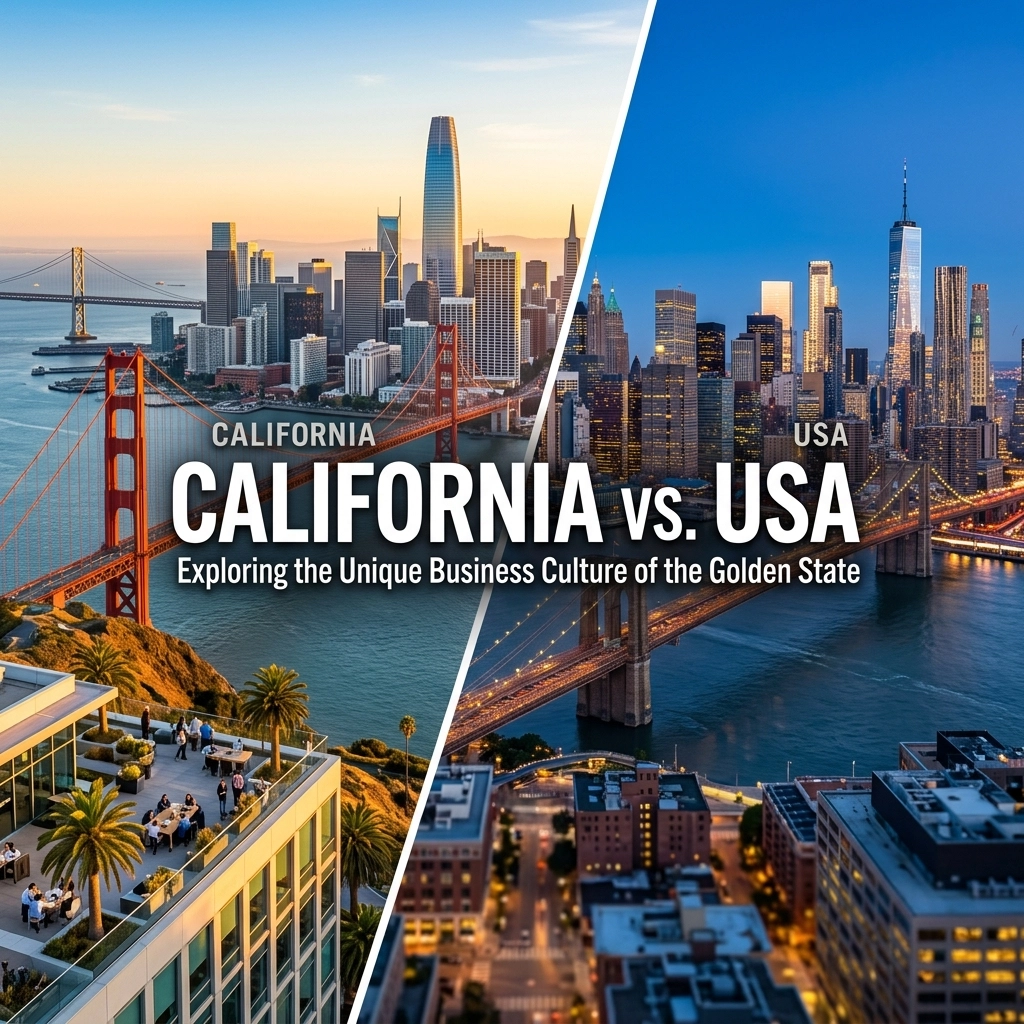
3. Understanding the California Powerhouse: Is it Different from the USA? 🇺🇸
A common question among Indian founders is: Is California really that different from the rest of the USA? The short answer is yes. If California were a country, it would be the 5th largest economy in the world, surpassing nations like India, the UK, and France in terms of GDP.
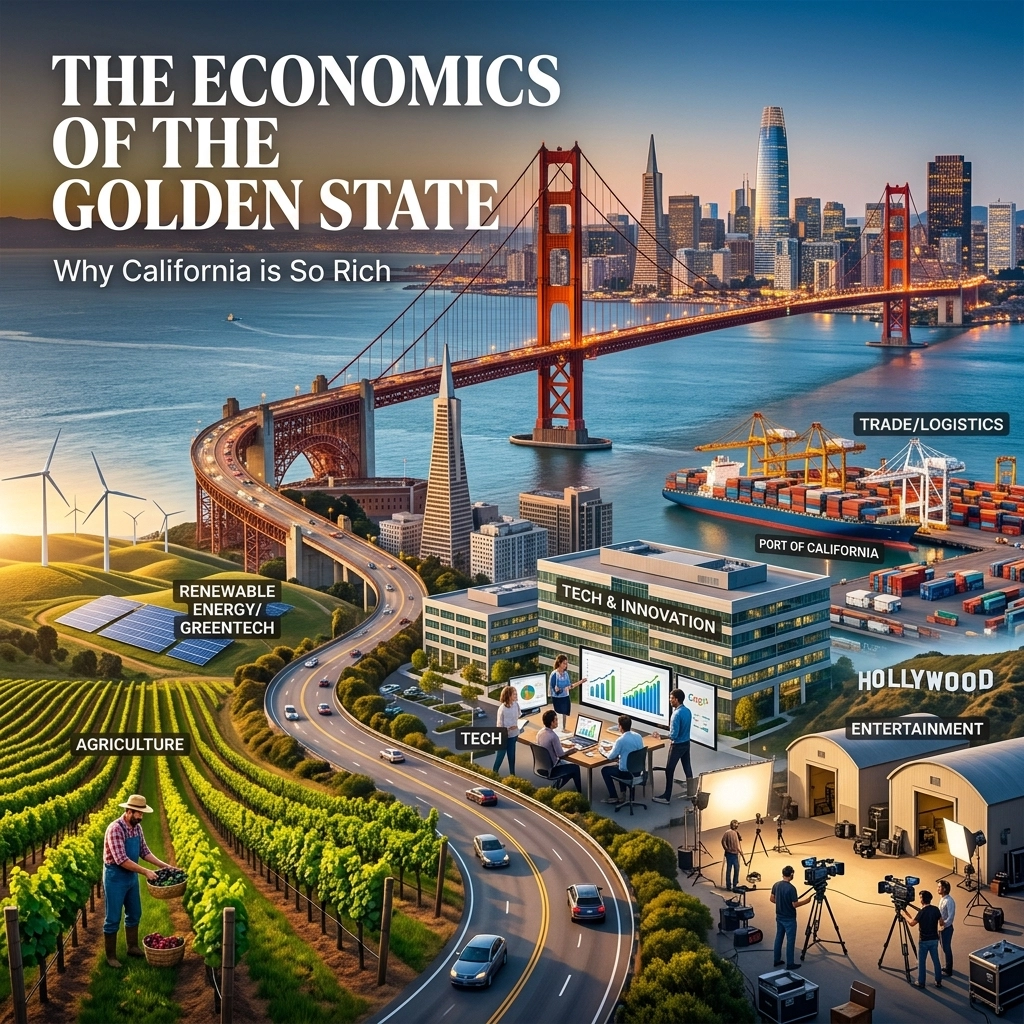
Why California is So Rich
California’s wealth is built on a "triple-threat" of industries:
- Technology: Silicon Valley remains the world's premier hub for software, AI, and hardware innovation.
- Entertainment: Hollywood dictates global culture and generates billions in intellectual property.
- Agriculture & Manufacturing: Beyond the screens, California is a massive producer of high-value agricultural products and advanced aerospace components.
While exploring startups in USA, many also consider startups in Vegas due to Nevada's favorable tax laws. However, California offers an unmatched talent pool and access to venture capital that remains the primary draw for Indian innovators.

4. Manufacturing and Business Opportunities in the Golden State 🌟
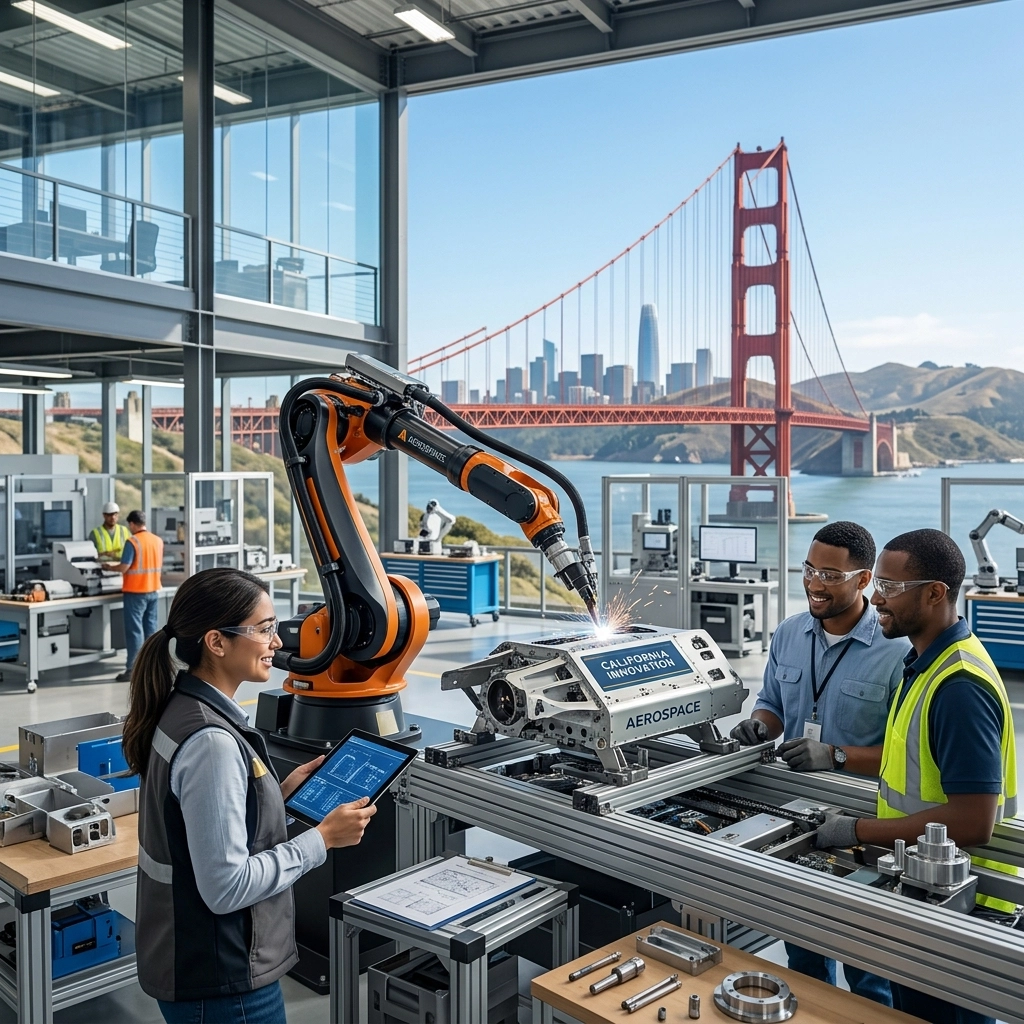
For an Indian manufacturer, California isn't just a place to sell; it's a place to build. The state is a leader in "Advanced Manufacturing": using robotics, 3D printing, and AI to create high-precision instruments.
Key Manufacturing Sectors in California:
- Electric Vehicles (EV) & Aerospace: Following the footsteps of giants like Tesla and SpaceX.
- Biotechnology: Centered around San Francisco and San Diego.
- Green Energy: California's strict environmental regulations have created a massive market for sustainable technologies.
Indian entrepreneurs can find opportunities in the supply chain for these industries. By aligning with California's sustainability goals, Indian firms can position themselves as "Impact Partners" rather than just vendors.
5. Navigating the Legal and Visa Landscape 🛂
Expansion requires a legitimate legal footing. For Indian founders, the US immigration system offers specific pathways:
- L-1 Visa (Intracompany Transferee): Ideal for established Indian businesses looking to open a branch in California. This allows you to transfer executives or managers to the US.
- E-2 Visa (Treaty Investor): While India does not have the specific treaty for E-2, many Indian entrepreneurs obtain citizenship in treaty countries (like Grenada or Turkey) to access this "fast-track" business visa.
- EB-5 (Investor Visa): For those with significant capital (upwards of $800,000), the EB-5 provides a direct route to a Green Card by investing in US-based job-creating enterprises.
According to recent data, Indians received nearly 40,000 L-1 visas in 2024 alone, highlighting the strong desire for corporate expansion into the American market.

6. Strategic Networking: Finding Your Tribe in California 🤝
Success in California is often determined by who you know. The state is home to a powerful Indo-American community that acts as a bridge for new arrivals.
- Indo American Chamber of Commerce of Northern California: A vital resource for networking and regulatory guidance.
- TiE (The Indus Entrepreneurs): Founded in Silicon Valley, this organization is the gold standard for mentorship and investment for the Indian diaspora.
- T-Hub Collaborations: Organizations like T-Hub are increasingly fostering cross-border partnerships, helping Indian ideas turn into American products.
7. Challenges to Overcome: The Reality Check ⚠️
While the opportunities are vast, the hurdles are real. California has some of the highest operational costs in the US, including labor, rent, and taxes. Furthermore, the regulatory environment regarding data privacy and labor rights is stringent. For instance, companies must be wary of operational pitfalls, such as the recent worker claims at Amy’s Kitchen, which highlight the importance of ethical labor practices in the US.
Additionally, the competition for talent is fierce. To succeed, Indian startups must offer a value proposition that goes beyond just a paycheck: they must offer a "mission."

Conclusion
The Indo-Californian business corridor is no longer just a one-way street of brain drain; it has evolved into a sophisticated highway of exponential growth and mutual investment. As India solidifies its position as a global manufacturing powerhouse through the Modi wave of startups, the opportunity to integrate with California’s high-tech ecosystem is at an all-time high.
For the Indian entrepreneur, California offers a playground of capital, innovation, and global scale. By leveraging Indian manufacturing prowess and navigating the Californian regulatory and networking landscape with precision, the dream of building a truly global MNC is within reach. The future belongs to those who can bridge the gap between the Ganges and the Golden Gate. 🌏✈️🌉

admin

Related Post