


























Corporate news India is currently being redefined by a high-stakes geopolitical gambit that transcends simple trade: it is a masterclass in strategic energy dominance. As the global landscape fractures under the weight of supply chain disruptions and volatile fuel prices, New Delhi has executed a definitive move to secure its position as the undisputed energy hegemon of South Asia. The recent negotiations between Dhaka and Delhi regarding the supply of diesel and fertilizer are not merely "neighborly cooperation"; they represent a calculated leverage play designed to cement India’s role as the regional stabilizer and primary "first responder" in a chaotic global economy.
The center of this power play is the 131.5 km India-Bangladesh Friendship Pipeline (IBFP), a critical piece of infrastructure that has effectively bypassed the traditional, cumbersome logistical hurdles of energy transport. This isn't just about moving liquid fuel; it is about moving influence. By delivering 180,000 tonnes of diesel directly from the Numaligarh Refinery in Assam to Bangladesh this year, India is effectively underwriting the economic survival of its eastern neighbor while simultaneously ensuring that its own refining capacity remains a vital artery for the region.
Corporate news India: The Mechanics of the Friendship Pipeline
The operationalization of the India-Bangladesh Friendship Pipeline marks a fundamental shift in how energy is weaponized for regional stability. For years, diesel transport to Bangladesh relied on expensive and inefficient rail tankers. Today, the 131.5 km pipeline acts as a direct conduit for Indian refining prowess. 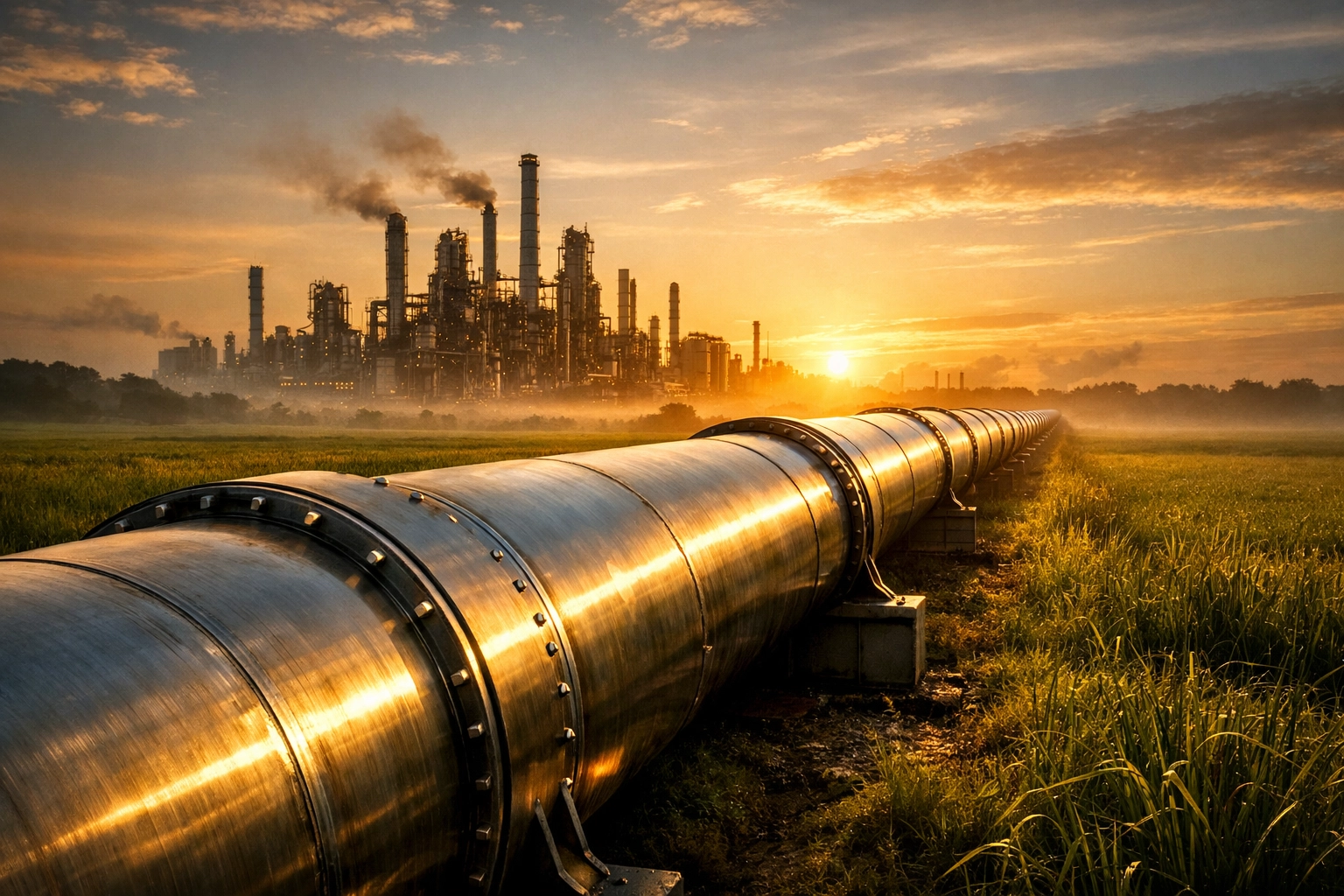
According to recent reports from the Ministry of External Affairs, initial shipments of 5,000 tonnes have already arrived in Bangladesh, a process that took approximately 45 hours to complete. This efficiency is a catalyst for change in the bilateral relationship. From a corporate perspective, the Numaligarh Refinery Limited (NRL) is now a central player in India’s energy diplomacy. This refinery, located in the heart of Assam, is no longer just a domestic asset; it is a strategic tool of the state.
The supply of 180,000 tonnes of diesel is a lifeline for a Bangladeshi economy that is currently grappling with high inflation and energy shortages. However, the aggressive nature of this deal is found in the fine print. India is not simply giving fuel away. This is a structured commercial arrangement that ensures Indian energy giants have a guaranteed market, even as global demand oscillates. For those tracking home-news at Business Tantra, this deal signifies a broader trend: Indian PSUs are becoming the front line of the nation’s foreign policy.
Why Corporate news India is Prioritizing Domestic Demand
Despite the aggressive push to supply neighbors, the Indian government remains hyper-focused on its own energy security. This is where the "professional" meet the "aggressive." In high-level briefings, the Foreign Ministry has been crystal clear: India’s domestic oil consumption needs come first. The supply to Dhaka is contingent on India’s refining capacity and immediate availability.
This balancing act is crucial. While India aims to be the region's energy bank, it cannot afford to starve its own industries. The global energy crisis, exacerbated by tensions in the Strait of Hormuz and the ongoing Russia-Ukraine conflict, has forced New Delhi to be extremely selective. By processing Bangladesh’s requests for diesel while simultaneously managing similar pleas from Sri Lanka and the Maldives, India is playing a sophisticated game of "energy triage."

This strategic caution ensures that Indian business updates remain focused on stability at home. If India’s internal demand spikes, the flow through the Friendship Pipeline can be adjusted, giving Delhi a significant "control valve" over the regional economy. This is a level of leverage that few other nations in the world currently possess.
The Fertilizer Factor: A Strategic Multiplier
The "Power Play" extends far beyond diesel. In recent high-level meetings, Dhaka has requested an increase in fertilizer supplies: specifically urea and DAP (Di-ammonium Phosphate). Fertilizer is the backbone of food security, and by controlling the flow of these nutrients, India is effectively securing the agricultural stability of the entire Bay of Bengal region.
The Indian government has indicated it would consider these requests "readily and favourably." This is a masterstroke. While the world worries about the influence of remote work or digital shifts, the core of regional power remains grounded in the essentials: fuel and food. By providing both, India is ensuring that Bangladesh’s economic recovery is inextricably linked to Indian industrial output.
Corporate news India: The Geopolitical Context of Neutrality
India’s ability to act as an energy provider is bolstered by its unique geopolitical position. Unlike many Western powers, India has maintained a stance of strategic autonomy regarding the Iran-Middle East conflict. This neutrality has allowed New Delhi to navigate the volatility of the global oil market with a level of agility that its peers lack.
When the Strait of Hormuz becomes a chokepoint for global shipping, India’s land-based and short-haul maritime routes to its neighbors become invaluable. This is why the corporate news India landscape is so focused on regional connectivity. The pipeline to Bangladesh is just the beginning. There are ongoing discussions about expanding this grid to include more neighbors, creating an integrated South Asian energy market with India at its core.

Strategic Implications for the Indian Refining Sector
The aggressive expansion of India’s refining footprint is not just about diplomacy; it is a mission to democratize energy access across South Asia while maximizing the value proposition of Indian refineries. The Numaligarh Refinery’s expansion is a direct result of this regional demand. As India scales its capacity, it isn't just looking at domestic petrol pumps; it is looking at the entire subcontinent.
For investors and corporate observers, this signals a period of exponential growth for the energy sector. The integration of regional grids and pipelines creates a "data-driven insight" into the consumption patterns of neighboring nations, allowing Indian firms to optimize their production cycles like never before.
Those looking to engage with this burgeoning market should consider the tools necessary for modern networking in this high-stakes environment. Whether it is through a digital business card or direct B2B engagement, the opportunities in the energy and fertilizer sectors are expanding at a rapid clip.
Corporate news India: The Risk of Over-Extension
No aggressive strategy is without its risks. The primary danger for India is the potential for over-extension. If New Delhi commits too much to its neighbors during a period of global scarcity, it could face domestic backlash if fuel prices at home begin to soar. Furthermore, the political instability in neighboring regions can turn a strategic asset like a pipeline into a liability overnight.
However, the current administration seems to have calculated these risks with cold precision. The "legitimate purpose" of these energy exports is to build a buffer of goodwill and economic dependence that prevents regional adversaries from gaining a foothold in India’s backyard. It is a hard-nosed, professional approach to regional dominance that prioritizes long-term security over short-term domestic populism.
Conclusion
The Dhaka-Delhi Diesel Power Play is a revitalized approach to neighborhood diplomacy. Corporate news India has shifted from a reactive posture to one of proactive dominance. By leveraging its refining capacity and infrastructure, India is not just selling a commodity; it is exporting stability and importing influence.
The India-Bangladesh Friendship Pipeline and the subsequent fertilizer agreements are the opening salvos in a new era of South Asian geopolitics. As the world watches the volatility of the Middle East and the uncertainty of global trade routes, India has built a resilient, land-linked energy corridor that ensures its neighbors remain firmly within its economic orbit. This is not just news; it is a blueprint for regional hegemony in the 21st century.
For more deep dives into the strategies shaping our world, visit the Business Tantra About Us page or explore our full blog layout for the latest updates on global commerce and regional power plays. The era of passive diplomacy is over; the era of the energy power play has begun.