
























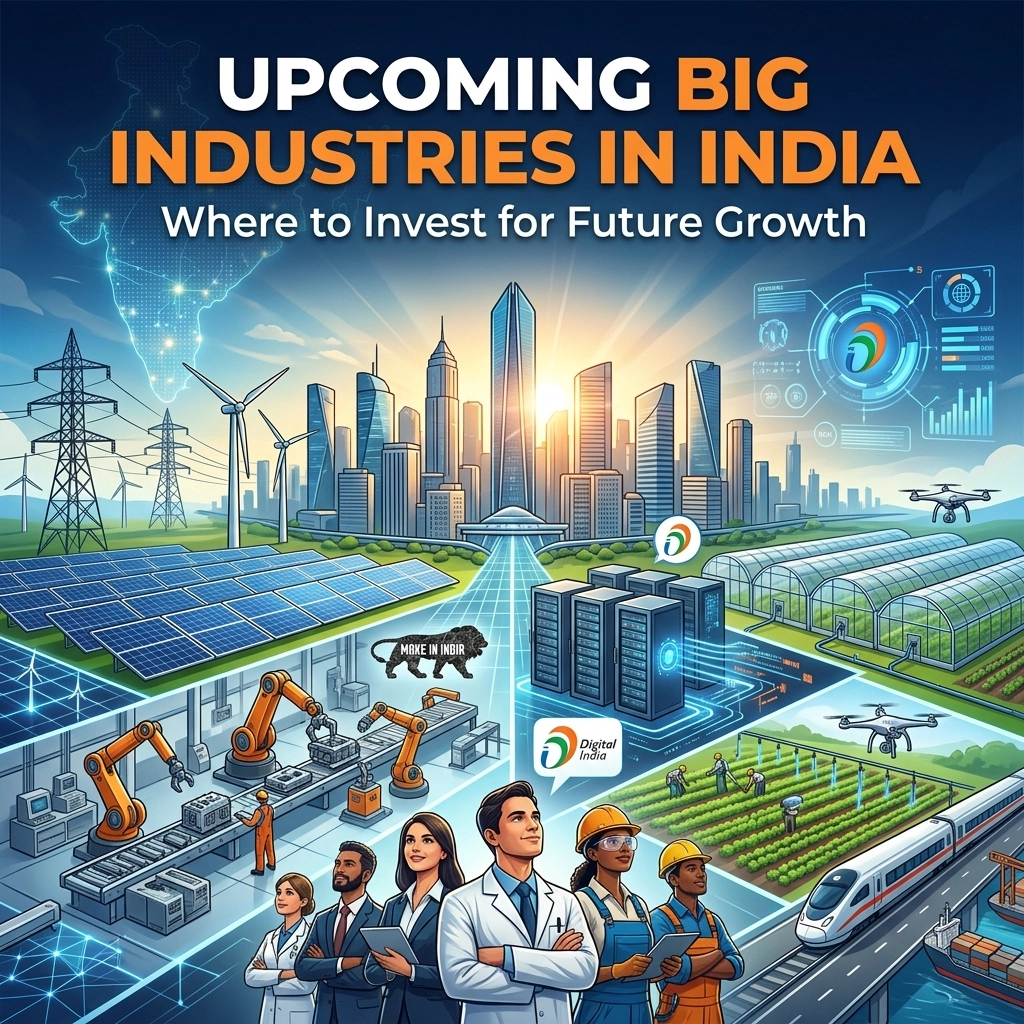

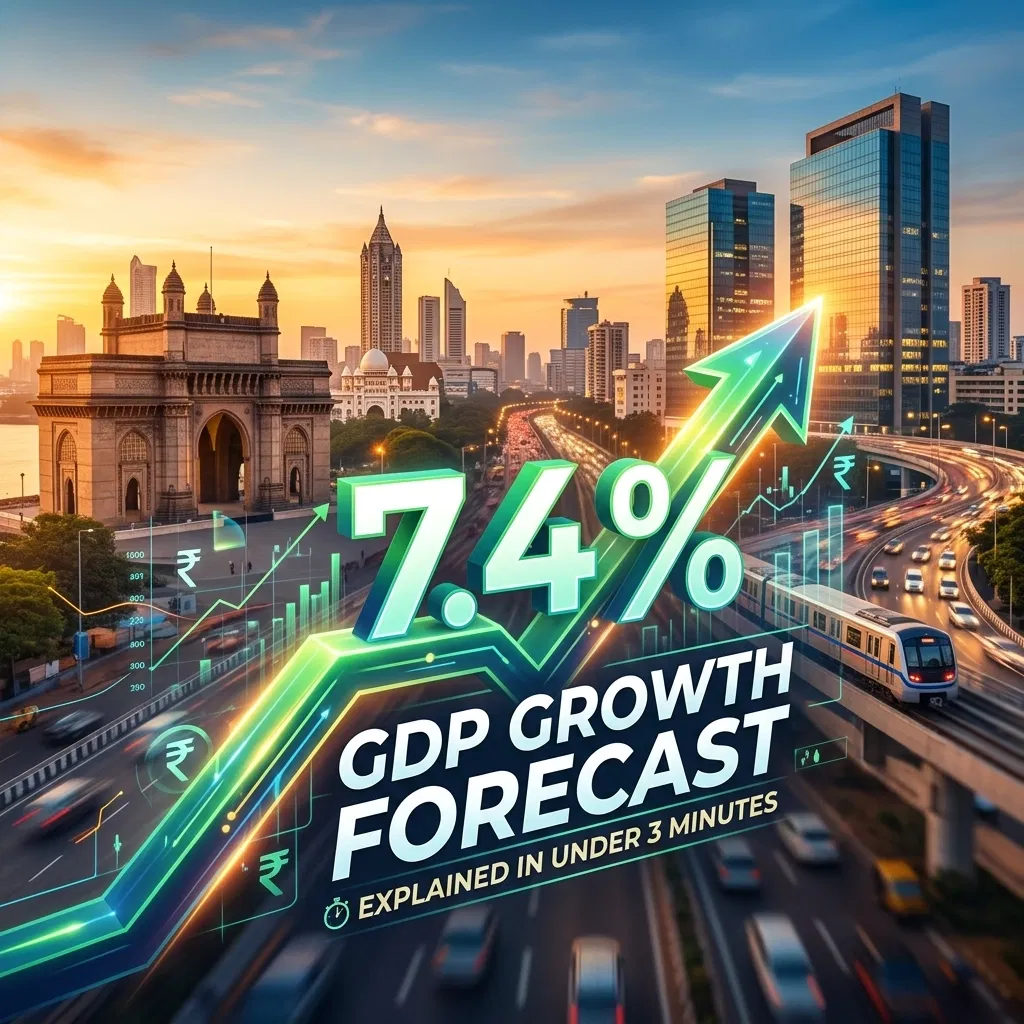
As we navigate through the second quarter of 2026, the global economic narrative remains firmly centered on the Indian subcontinent. With a projected gdp growth india rate consistently hovering between 7.4% and 8%, the nation is no longer just an "emerging" market: it is an established powerhouse. For investors and entrepreneurs, identifying the upcoming big industries in India is no longer a matter of speculation but a strategic necessity for capital preservation and exponential growth.
The Indian industrial landscape has undergone a profound metamorphosis, revitalized by aggressive policy reforms and a burgeoning domestic market. From the semiconductor race to the green energy transition, the "India Opportunity" has evolved into a multi-sectoral phenomenon.
1. Semiconductors: The New Oil of the Digital Age
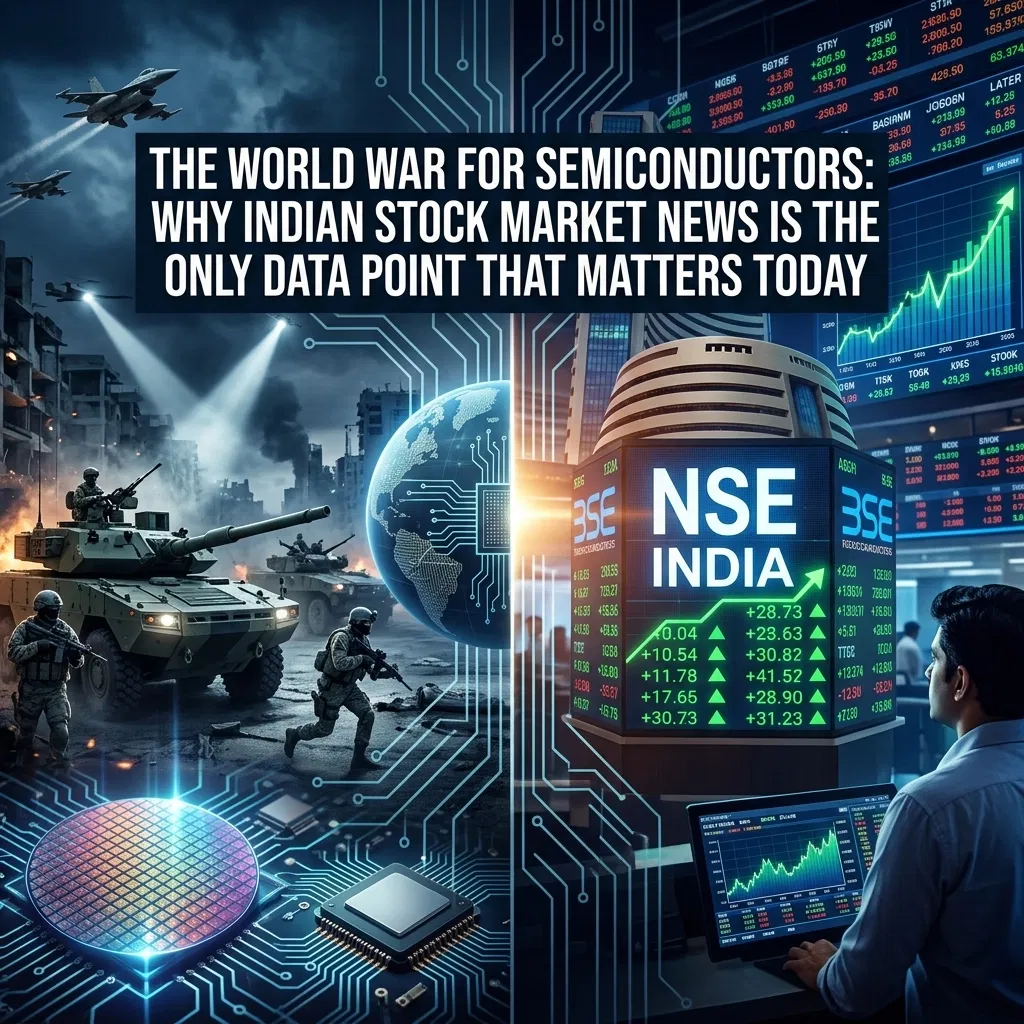
The semiconductor industry is arguably the most critical pillar of India’s technological sovereignty. As geopolitical tensions reshape global supply chains, India has emerged as a viable alternative under the "China+1" strategy. The government’s $10 billion incentive package for semiconductor manufacturing has acted as a catalyst for change, attracting global giants and domestic conglomerates alike.
India is transitioning from being a chip-design hub to a full-scale fabrication and assembly destination. This shift is expected to democratize high-tech manufacturing, reducing reliance on imports for the automotive, telecommunications, and consumer electronics sectors. Investors are closely monitoring the ecosystem of testing, marking, and packaging (ATMP) facilities that are currently scaling across states like Gujarat and Tamil Nadu.
2. Green Energy and the Hydrogen Economy
The transition to sustainable energy is perhaps the most ambitious undertaking in India’s industrial history. With a target of achieving 450 GW of renewable energy capacity by 2030, the sector is seeing unprecedented capital inflows. This includes solar, wind, and the burgeoning green hydrogen market.
Green hydrogen is being positioned as the ultimate solution for decarbonizing heavy industries like steel and cement. The National Green Hydrogen Mission is providing the necessary subsidies to make India a global export hub for clean fuel. Furthermore, the development of energy storage systems is critical. To understand the granular shifts in this space, one can look at India’s new battery swap scheme, which is a pivotal move toward standardizing EV infrastructure.
3. Artificial Intelligence and SaaS 2.0
In the latest startup news india, Artificial Intelligence (AI) has moved beyond the "hype" phase into deep integration. India’s massive data sets and vast pool of engineering talent have made it the "AI office of the world." Unlike the first wave of SaaS, which focused on horizontal tools, the current "SaaS 2.0" wave is building vertical AI solutions tailored for healthcare, legal, and manufacturing sectors.
AI is not just a tool but a foundational layer for the next decade of growth. Companies are utilizing machine learning to optimize supply chains and personalize consumer experiences at a scale previously thought impossible. For those looking at the venture capital side, the start-up flood in India continues to produce high-value unicorns that prioritize profitability over sheer burn rates.
4. Electric Vehicles (EV) and Mobility Infrastructure
The Indian automotive sector, which contributes over 7% to the national GDP, is undergoing a mandatory evolution toward electrification. The push is not limited to passenger cars; the real growth is visible in the two-wheeler and three-wheeler segments, which dominate Indian roads.
Manufacturing scaling in the EV sector is supported by the Production Linked Incentive (PLI) schemes, which encourage domestic component manufacturing. Beyond the vehicles themselves, the infrastructure play: charging stations, battery recycling, and smart grid integration: presents a massive opportunity for long-term investors.
5. Defense and Aerospace: The Rise of Atmanirbhar Bharat
India has pivoted from being one of the world's largest importers of defense equipment to a significant exporter. The government’s "Positive Indigenisation Lists" have barred the import of hundreds of items, forcing domestic production. This has revitalized the defense manufacturing sector, where private players are now partnering with the public sector to produce everything from drones to fighter jet components.
The aerospace sector is also benefiting from the liberalization of space-tech. Startups are now launching satellites and developing low-cost launch vehicles, positioning India as a competitive player in the global space economy.
6. Healthcare and Biotechnology
The post-pandemic era has seen a permanent shift in how healthcare is perceived and funded in India. The convergence of biotechnology and digital health is creating new markets in personalized medicine, genomics, and telemedicine.
Government initiatives like Ayushman Bharat have expanded the total addressable market, while increased healthcare spending is driving the construction of high-end hospitals and diagnostic centers in Tier-2 and Tier-3 cities. The recognition of Indian scientists on the world stage, such as those featured in Biotech leadership awards, underscores the global standard of research coming out of Mumbai and Bengaluru.

7. Fintech and the Credit Revolution
While digital payments are ubiquitous in India, the next frontier in fintech is "Credit-as-a-Service." By leveraging the India Stack (Aadhaar, UPI, and Account Aggregator framework), fintech companies are now able to provide instant, collateral-free loans to the MSME sector.
This democratization of credit is a massive catalyst for economic growth. As more businesses move from the informal to the formal economy, the demand for sophisticated financial management tools is rising. Understanding why business management for startups is essential is becoming a core part of the entrepreneurial curriculum in India.
Government Support: Funding and Subsidies
The exponential growth of these industries is not a coincidence. It is the result of a coordinated effort between the private sector and the state. The Indian government has introduced several mechanisms to de-risk investment:
- PLI Schemes: Providing financial incentives for domestic manufacturing across 14 key sectors.
- Startup India Seed Fund: Ensuring that early-stage ventures have the liquidity to prototype and test their products.
- Livelihood Business Incubators: Projects like the Livelihood Business Incubator are fostering entrepreneurship at the grassroots level.
- Tax Breaks: Strategic corporate tax cuts and holidays for new manufacturing units and startups.
Scaling from Home Businesses to MNCs
One of the most inspiring trends in the 2026 economy is the transition of "home-grown" brands into multinational corporations. Utilizing e-commerce and digital marketing, small-scale entrepreneurs are reaching global audiences. This trend has been popularized by platforms like Shark Tank India, which has showcased the net worth and impact of women entrepreneurs and other innovative founders.
Furthermore, state-led initiatives like T-Hub in Telangana are providing the physical and intellectual infrastructure needed for a startup to scale from an idea to a global product.
Conclusion
The upcoming big industries in India are defined by a move toward value-added manufacturing, technological self-reliance, and sustainable energy. With the gdp growth india narrative remaining strong, the risks of being "out of the market" far outweigh the risks of entry. Whether it is the precision of a semiconductor fab or the reach of a rural fintech app, India is building a diversified and resilient economy.
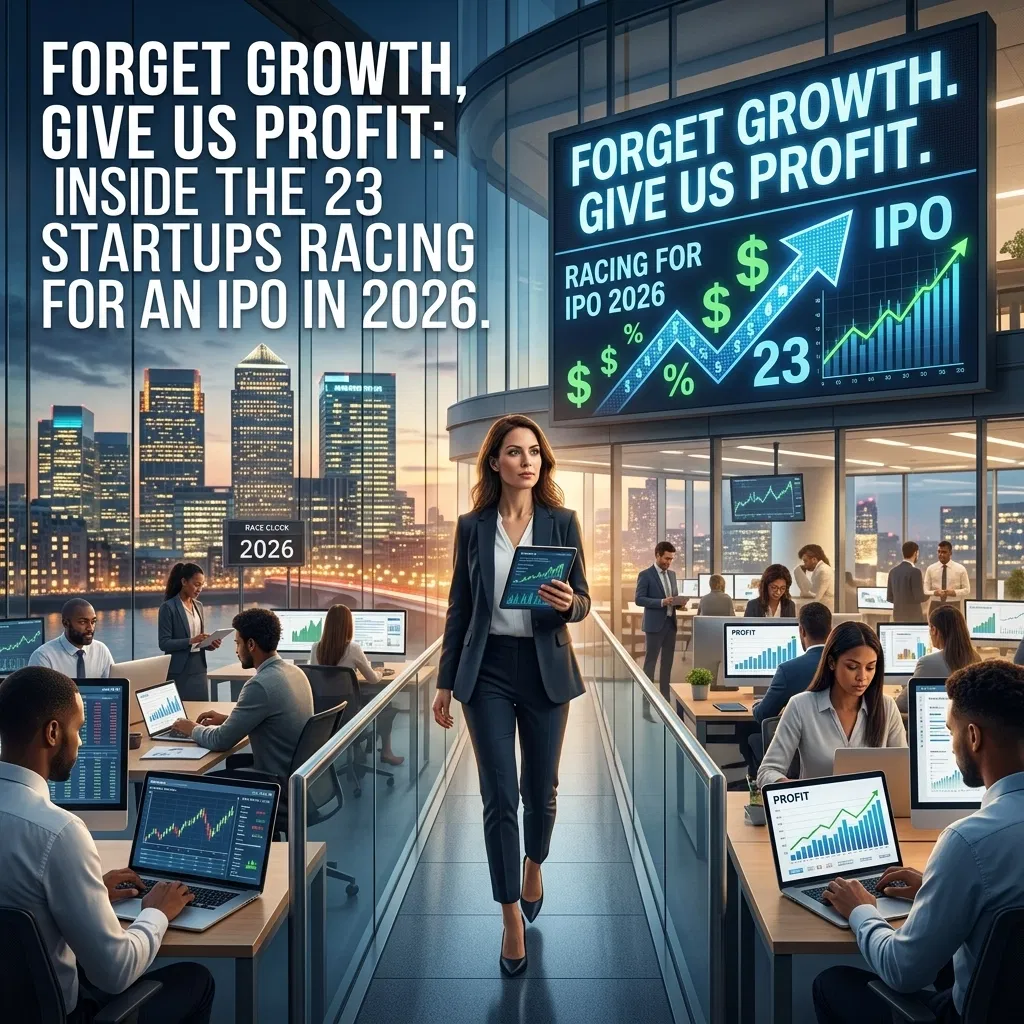
Investors who align their portfolios with these high-growth sectors: backed by solid government subsidies and a vibrant startup ecosystem: stand to gain from what many are calling the "Indian Century." As we look toward the 2026 IPO wave, the focus is shifting from pure growth to sustainable profit, marking a mature and sophisticated turn in India’s business tantra.