

























Maharashtra asks cyber crime dept to file FIRs against Ola, Uber, Rapido founders over bike taxi operations

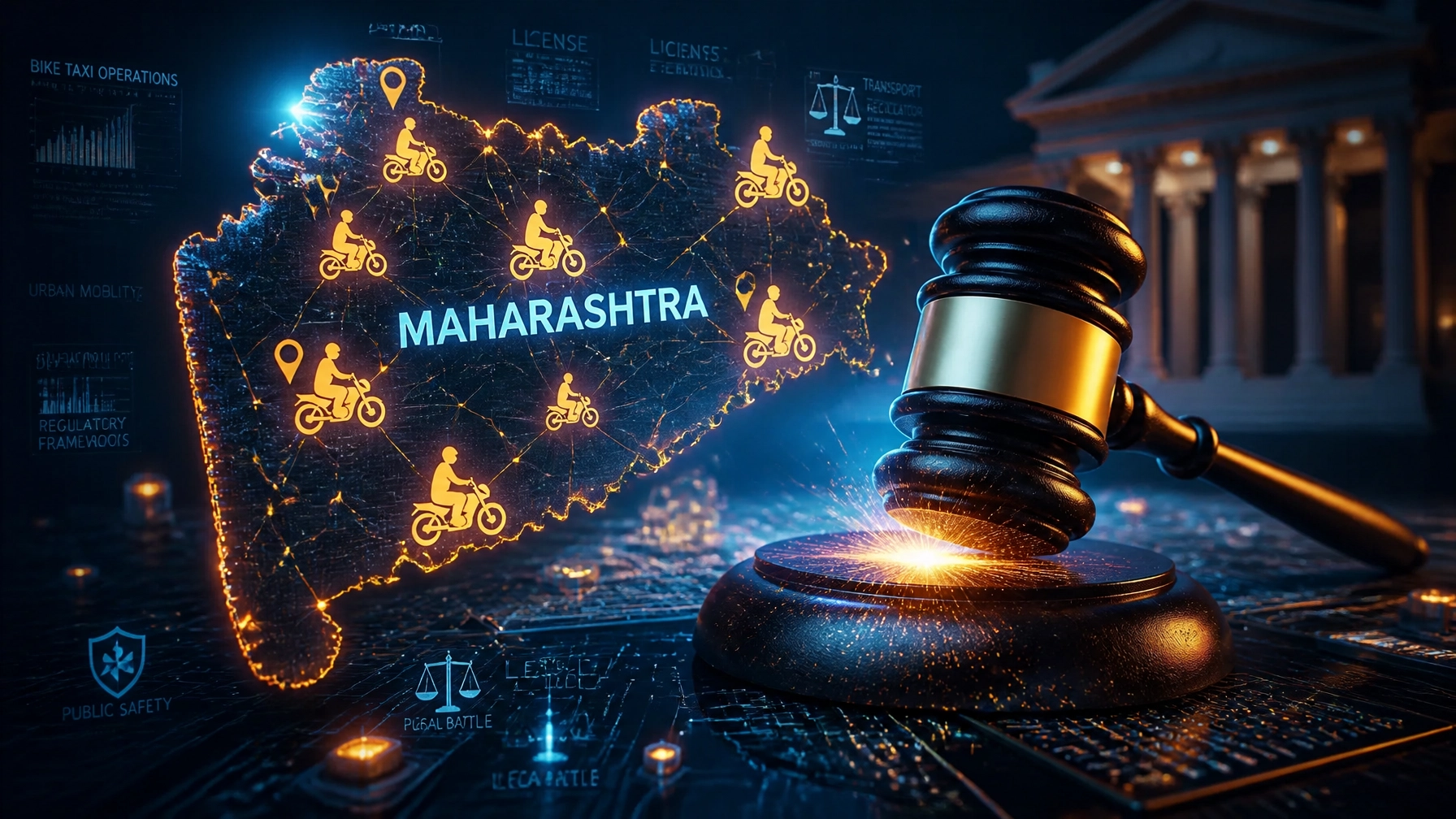
In a significant escalation of the regulatory friction between the gig economy and state authorities, the Maharashtra government has officially directed the Cyber Crime Department to initiate legal proceedings against the leadership of India’s most prominent ride-hailing platforms. This directive, targeting the founders and owners of Ola, Uber, and Rapido, marks a critical juncture in the ongoing battle over the legitimacy of bike taxi operations within the state.
The move comes as a "catalyst for change" in how digital aggregators are policed, shifting the focus from simple administrative fines to direct criminal liability for top executives. As the Indian startup ecosystem navigates a "start-up flood" (as noted in India’s evolving landscape), the Maharashtra government’s decision serves as a stark reminder of the complexities involved in aligning disruptive technology with existing legal frameworks.
1. The Core of the Conflict: Illegal vs. Unauthorised Operations
The crux of the recent directive lies in the alleged persistence of bike taxi operations that have not been granted the necessary permissions by the Regional Transport Office (RTO). For months, the Maharashtra government has maintained that while four-wheeler cab services remain a legitimate enterprise under established licenses, the two-wheeler aggregator segment has operated in a legal gray zone: or, according to state officials, in outright violation of the law.
The state’s Transport Department has cited several reasons for this aggressive stance:
- Lack of Valid Licenses: Despite multiple warnings, aggregators have purportedly failed to secure the specific "aggregator licenses" required for two-wheeler operations in Maharashtra.
- Vehicle Compliance Issues: A major point of contention has been the use of internal combustion engine (ICE) motorcycles for commercial purposes. The state has previously indicated a preference for electric vehicles (EVs) in this segment, aligning with broader national goals like India’s new battery swap scheme.
- Safety and Surveillance Concerns: Authorities have pointed to a lack of robust background checks and a rise in complaints regarding rider behavior, characterizing the unregulated growth as a threat to public safety.

2. The Role of the Cyber Crime Department
The involvement of the Maharashtra Cyber Crime Department is a deliberate strategic pivot. By framing the issue as an "electronic communications network" violation, the state is leveraging the Information Technology (IT) Act alongside the Motor Vehicles Act. This dual-pronged approach allows for a "data-driven" investigation into how these apps facilitate what the state deems "illegal transactions."
Maharashtra Cyber has been tasked with more than just filing First Information Reports (FIRs) against founders. They have reportedly issued notices to tech giants Google and Apple, requesting the removal of these specific app functionalities from their respective app stores within the jurisdiction of Maharashtra. This "democratization" of legal pressure: moving from the driver on the street to the global platform providers: aims to choke the digital infrastructure that sustains unauthorized bike taxi operations.
3. Clarifying the Impact: Cabs vs. Bikes
It is imperative for investors and commuters to distinguish between the various service verticals of these tech giants. The Directorate General of Information and Public Relations (DGIPR) has explicitly clarified that this crackdown is not a blanket ban on Ola, Uber, or Rapido.
- Four-Wheeler Services: Standard cab services (Ola Mini, Uber Premier, etc.) remain operational and authorized, provided they adhere to the existing regulatory norms.
- Bike Taxi Services: This specific vertical is the sole target of the current FIR directive. Any continued operation of bike taxis via these apps in Maharashtra is currently viewed as a "legitimate purpose" violation.
This distinction is crucial for maintaining market stability, as a total shutdown of these platforms would cause significant economic disruption. However, for the aggregators, the bike taxi segment represented a high-growth "exponential growth" opportunity that is now being severely revitalized by regulatory hurdles.

4. The Global Precedent and Local Reality
The struggle for regulatory acceptance is not unique to Maharashtra. From London to California, Uber and its peers have frequently clashed with local governments over labor laws and transport permits. However, the Indian context is unique due to the massive reliance on two-wheelers for last-mile connectivity in hyper-congested cities like Mumbai and Pune.
As we have seen with India’s rejection of Elon Musk’s tax break requests, the Indian government: both at the state and central levels: is increasingly unwilling to grant special concessions to tech "disruptors" who do not conform to local mandates. The demand for FIRs suggests that the era of "asking for forgiveness rather than permission" may be coming to a definitive end for Indian startups.
5. Strategic Implications for Founders and Investors
For the founders of Ola, Uber, and Rapido, the threat of criminal proceedings is a significant escalation. It shifts the risk profile of the business model from a financial liability to a personal legal one. This development underscores the vital importance of business management for startups, where compliance must be integrated into the core "value proposition" rather than treated as an afterthought.
Investors are now looking closely at:
- Compliance Costs: The financial burden of transitioning entire fleets to EVs or securing high-cost licenses.
- Platform Integrity: The risk of having apps delisted from major app stores, which could impact other (legal) business segments.
- Governance Standards: The ability of leadership to navigate complex "legalistic terminology" and state-level politics.

6. The "Mission" of Urban Mobility
The Maharashtra government’s stance is framed as a mission to ensure a "safe and regulated electronic communications network" for transport. While the aggregators argue that bike taxi operations provide essential livelihoods and reduce traffic congestion, the state maintains that these benefits cannot come at the cost of legal non-compliance.
The transition from a "growth-at-all-costs" mindset to a "sustainable-and-legal" framework is essential. The current friction is a symptom of a revitalized regulatory environment that seeks to protect both the consumer and the traditional taxi unions, who have long lobbied against the "unauthorized" competition from bike taxis.
7. Operational Hurdles for the Gig Economy
The gig economy thrives on flexibility. However, the current crackdown in Maharashtra introduces severe operational hurdles:
- Driver Uncertainty: Thousands of bike taxi riders face the risk of vehicle impoundment and fines, leading to a "chilling effect" on the workforce.
- App Store Vulnerability: If Google and Apple comply with the Cyber Crime department’s notices, the "mission" of providing seamless urban mobility will be fundamentally compromised.
- Economic Impact: The removal of a low-cost transport option could impact the mobility of thousands of daily commuters in Maharashtra’s tier-1 cities.

Conclusion
The directive by the Maharashtra government to file FIRs against the founders of Ola, Uber, and Rapido represents a watershed moment in the intersection of technology and law. It highlights a definitive shift toward executive accountability for platform-level violations. While the aggregators have revolutionized urban transit, their failure to align bike taxi operations with state-specific mandates: particularly regarding licensing and EV transitions: has led them to this high-stakes legal crossroads.
The path forward for these companies will require more than just technical innovation; it will necessitate a sophisticated, diplomatic approach to state relations and a renewed commitment to regulatory compliance. As the Cyber Crime Department begins its proceedings, the industry will be watching closely to see if this leads to a permanent shift in the gig economy’s operational landscape or serves as a precursor to a more comprehensive, mutually beneficial regulatory framework.
Ultimately, the goal must be to provide safe, efficient, and legal transport solutions that benefit the citizens of Maharashtra without stifling the entrepreneurial spirit that fuels the "Modi wave" of innovation.
For more updates on the Indian business landscape and regulatory news, visit Business Tantra.