























New Fed Chair Kevin Warsh Says Markets Are Broken : His Solution Could Mean Trouble for Stocks

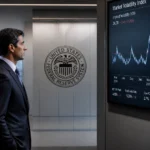
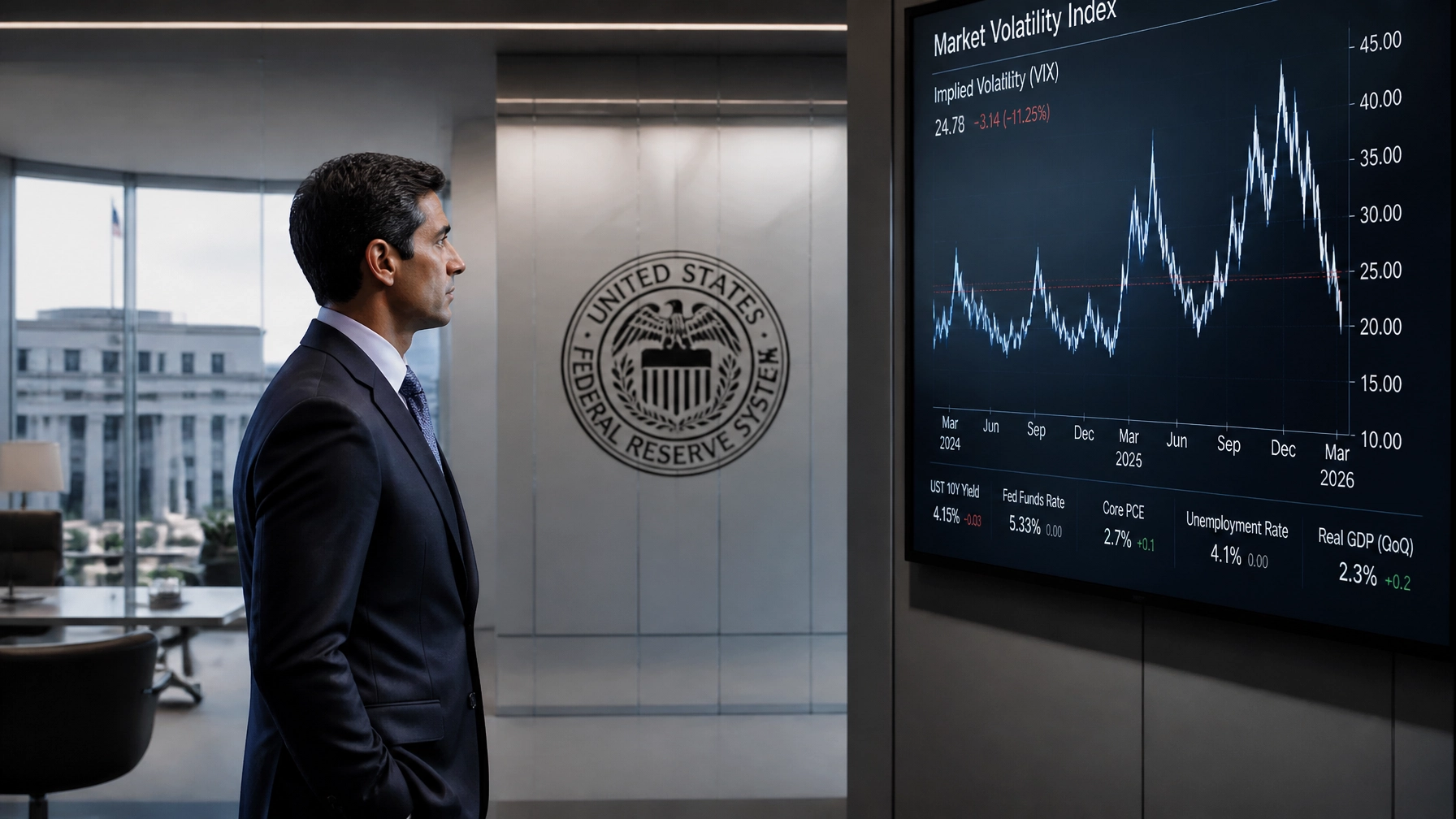
The landscape of the stock market today is facing a seismic shift as the Federal Reserve, under the leadership of Chair Kevin Warsh, initiates a radical "reset" of the relationship between the central bank and global financial markets. In a series of pointed critiques and policy pivots, Warsh has declared that current markets are "broken": over-indexed to every whisper from Washington and detached from the underlying economic fundamentals that should drive value.
Since taking the helm in early 2026, Warsh has moved with surgical precision to dismantle the era of "forward guidance." His mission is clear: to democratize information by removing the central bank’s hand-holding of Wall Street, forcing investors to look back at the data rather than waiting for a wink and a nod from the FOMC. For the average investor, this new regime promises a return to price discovery, but for a market addicted to cheap liquidity and predictable signposting, the transition is proving to be a catalyst for change: and significant volatility.
The End of "Hand-Holding": Why Warsh Thinks Markets Are Broken
For over a decade, the Federal Reserve has operated on a philosophy of "transparency" that many critics, including Warsh, argue became a form of market manipulation. By signaling interest rate moves months in advance, the Fed essentially de-risked the market, creating a "Fed Put" that encouraged excessive risk-taking.
Warsh’s assessment is blunt: the market has become a derivative of Fed communication rather than a reflection of the real economy. By "breaking" the market’s reliance on these signals, he intends to revitalize the primary function of the stock market: the efficient allocation of capital based on productivity and earnings. This shift is already sending ripples through the stock market today, as traders realize the safety net of forward guidance has been pulled away.
The 132-Word Manifesto: Slashing Fed Communications

Perhaps the most visible sign of this new era is the radical pruning of the Fed’s post-meeting statements. In his first policy meeting, Warsh slashed the traditional statement from a verbose 341 words down to a concise 132 words. This was not merely an exercise in brevity; it was a deliberate removal of all forward-looking language.
The new statement provides the facts: the current rate and the immediate decision: and nothing more. By removing hints about "future adjustments" or "patient" stances, the Fed is effectively telling the market, "Do your own homework." According to analysts at Business Tantra’s Economics section, this lack of guidance is expected to increase the term premium on long-term bonds and inject a healthy dose of two-way risk into daily trading sessions.
The Five Task Forces: A Blueprint for Reform
To ensure this shift is permanent and data-driven, Chair Warsh has established five high-level task forces. These groups are designed to overhaul the Fed’s internal operations and its external impact:
- Communications: Tasked with simplifying all Fed output, including press conferences and the "Dot Plot," to prevent them from becoming market-steering tools.
- Balance Sheet: Focused on the "careful and patient" reduction of the Fed’s massive holdings to restore a leaner, more traditional operating framework.
- Data and Analytics: Moving away from lagging government statistics (like CPI or jobs reports that reflect the past month) in favor of real-time, market-oriented data streams.
- Productivity and Jobs (The AI Task Force): Specifically examining how general-purpose technologies, particularly artificial intelligence, are altering the labor market and output.
- Inflation Frameworks: Reviewing how to measure price stability in a world defined by rapid technological shifts and global trade realignments.
AI Data Center Efficiency 2026: The Disinflationary Catalyst
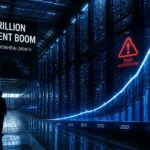
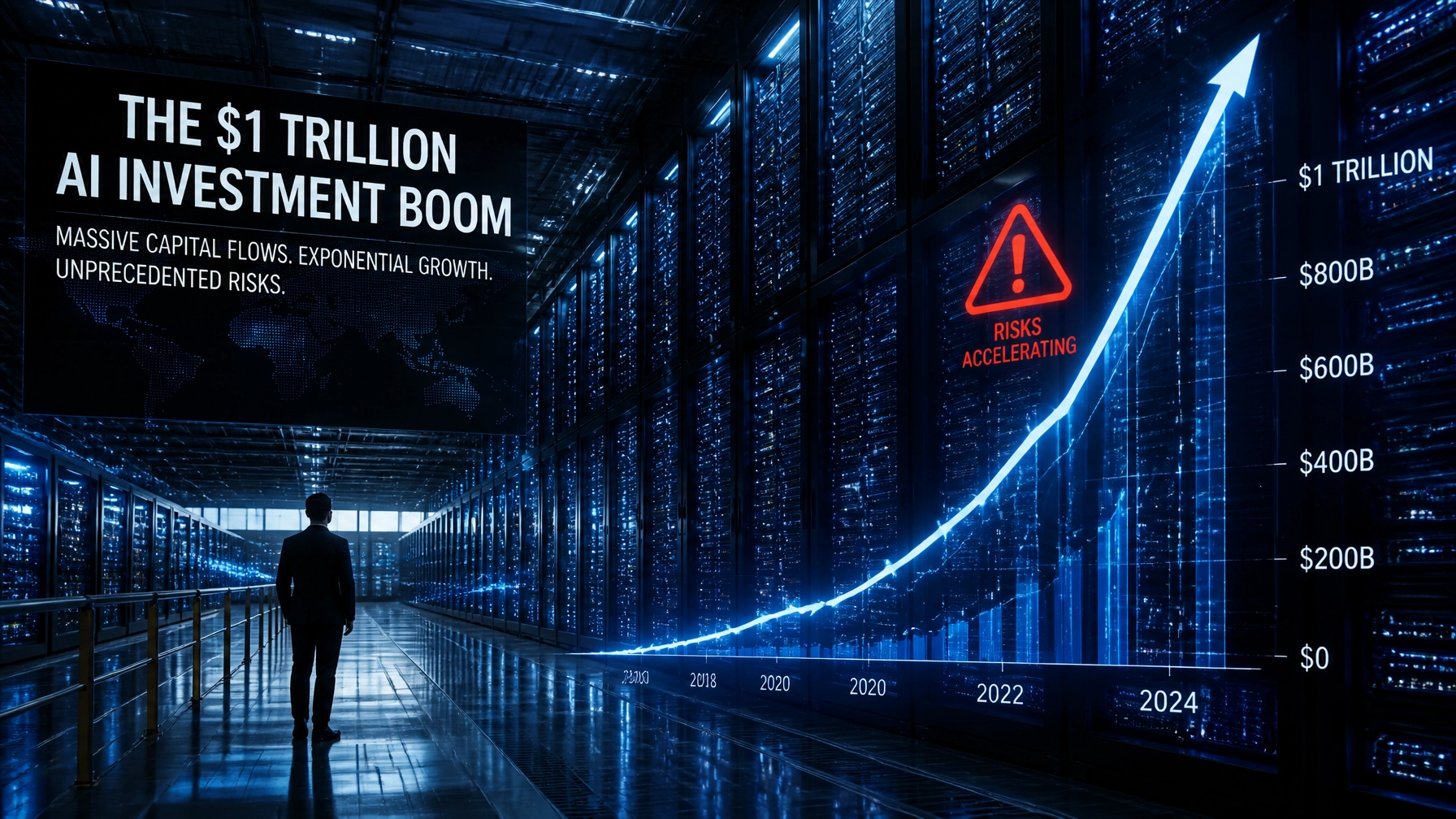
A central pillar of Warsh’s optimistic long-term view is the role of technology as a "disinflationary force." He has frequently highlighted that AI data center efficiency 2026 is not just a tech trend, but a macroeconomic engine that could allow for higher growth without triggering traditional inflation.
As we see in the latest business stories, the massive capital expenditure by hyperscalers is finally yielding results. In 2026, the transition to high-density liquid cooling and AI-optimized energy management has drastically lowered the Power Usage Effectiveness (PUE) of major facilities. According to the International Energy Agency (IEA), while total demand for power remains high, the efficiency of processing each unit of AI data has grown exponentially.

Warsh argues that these efficiency gains: the ability to do more with less energy and fewer resources: represent a massive jump in total factor productivity. If the Fed can accurately measure this, it may allow for a more accommodative monetary policy over the long horizon, even if the "broken" markets of the short term are currently spooked by the lack of guidance.
Global Impact: What Indian Investors Need to Know
For the Indian investor, the "Warsh Reset" carries specific risks and opportunities. The Indian stock market, traditionally sensitive to Foreign Portfolio Investor (FPI) flows, must now navigate a world where US interest rate paths are no longer telegraphed months in advance.
1. Increased Volatility in FPI Flows
When the Fed provides forward guidance, global capital moves in a predictable wave. Without it, we can expect "spiky" volatility. Indian markets may see sudden outflows or inflows as global funds react in real-time to US data prints, rather than Fed speeches.
2. The Yield Gap and the Rupee
If the US term premium rises (meaning long-term US bond yields go up because of uncertainty), the spread between Indian and US bonds might narrow. This could put pressure on the Rupee, forcing the RBI to maintain a more hawkish stance than initially anticipated to prevent currency depreciation.
3. A Focus on Fundamental Earnings
The "Warsh Era" favors companies with strong balance sheets and legitimate purposes. Indian tech firms that are successfully integrating AI to drive operational efficiency will likely be the primary beneficiaries of this new global focus on productivity over liquidity.

Conclusion
Chair Kevin Warsh is attempting a high-stakes transition from a "central-bank-centric" economy to a "data-centric" one. By declaring markets broken and slashing the Fed's communicative footprint, he is forcing a painful but perhaps necessary evolution. While the stock market today may react with trepidation to the removal of its favorite safety nets, the underlying mission is to build a more resilient and transparent financial system.
For investors, the strategy is simple: stop trading the Fed and start trading the data. The disinflationary potential of AI data center efficiency 2026 suggests a bright future for those who can navigate the near-term volatility. As we watch this new framework unfold, staying updated through Business Tantra’s Latest Stories will be essential for anyone looking to turn this "broken" market into an opportunity for exponential growth. 📈