





















BIS Warns $1 Trillion AI Capex Boom Is Fueled by Debt : What Happens If AI Returns Disappoint?

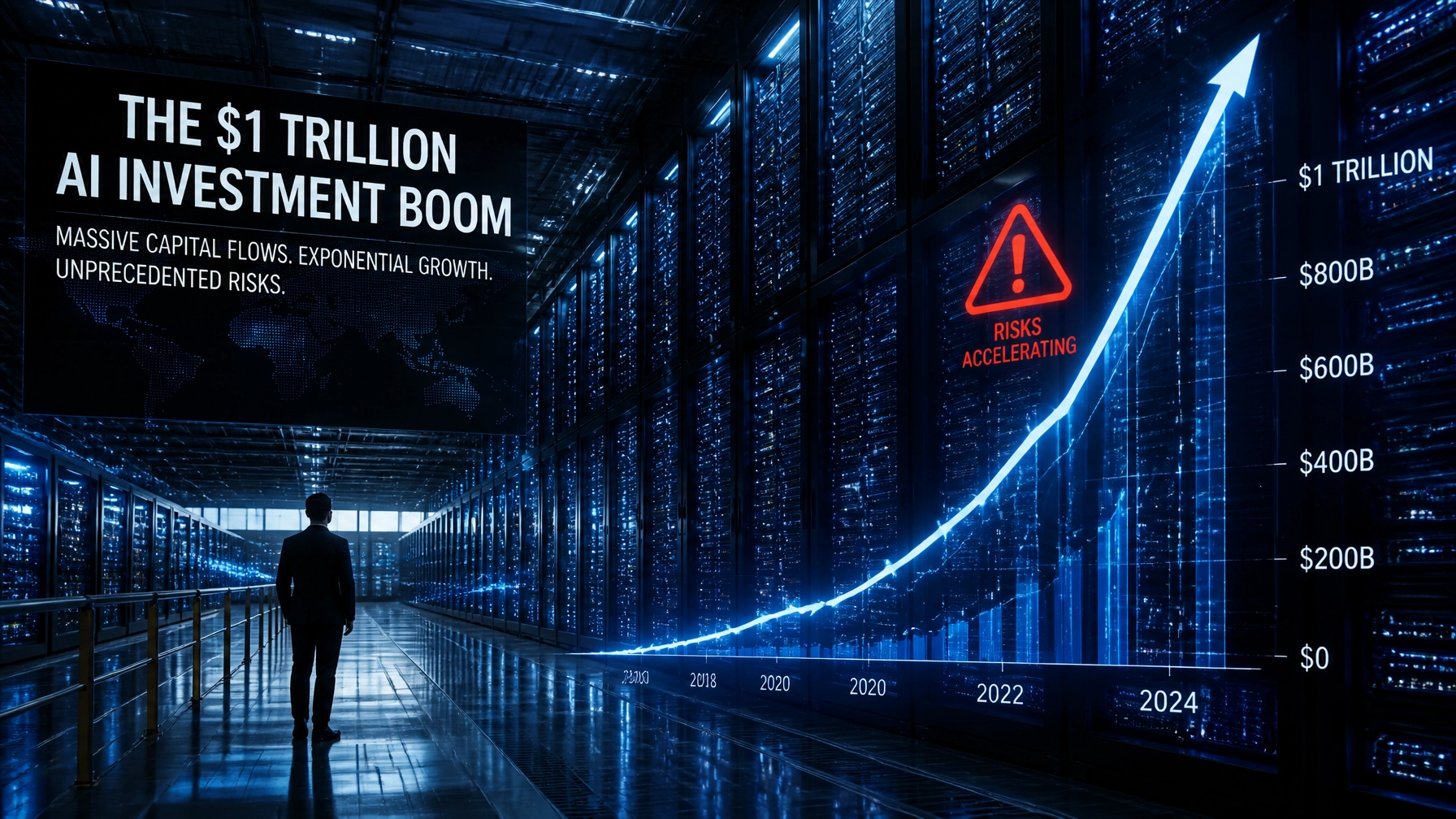
The global financial landscape is currently witnessing an unprecedented AI capex boom, characterized by a relentless surge in infrastructure spending that has now crossed the staggering $1 trillion threshold. However, a sobering warning from the Bank for International Settlements (BIS) has cast a long shadow over this technological euphoria. In its Annual Economic Report released on June 28, 2026, the "central bank for central banks" cautioned that this massive capital expenditure is increasingly fueled by high-leverage debt and opaque private credit channels.
As the five largest hyperscalers: Microsoft, Amazon, Alphabet, Meta, and Apple: prepare to deploy over $1 trillion into artificial intelligence infrastructure through 2026, the BIS suggests we may be approaching a precarious "fiscal–financial stability nexus." If the anticipated productivity gains from AI fail to materialize in the short term, the current investment frenzy could rapidly pivot into a prolonged economic bust with severe macro-financial spillovers.
The Debt-Driven Engine of the AI Capex Boom
The sheer scale of the current AI capex boom is difficult to overstate. According to the BIS, the rush to dominate the generative AI space has led to a concentration of investment that mirrors some of history’s most exuberant financial cycles. Unlike previous tech cycles that relied heavily on venture capital or equity, the 2025-2026 expansion is notably dependent on non-bank financial intermediation.

Large-scale projects, including massive GPU clusters and specialized Latest Stories in cloud infrastructure, are being financed through a complex web of corporate bonds and private credit. The BIS report highlights that as traditional bank lending remains constrained by higher interest rates, private credit funds have stepped in to fill the void, often with less transparency and higher pro-cyclical risks. This shift creates a vulnerability: should the AI revenue model show signs of fatigue, the sudden tightening of this private financing could trigger a liquidity crunch that vibrates across the global Economics landscape.
Historical Parallels: From Canal Mania to the Dot-Com Crash
The BIS does not mince words when drawing parallels between the current AI fervor and historic speculative episodes. The report explicitly references the "Canal Mania" of the 1790s and the "Dot-Com" bubble of the late 1990s as cautionary tales. In both instances, revolutionary technologies promised a paradigm shift in productivity, leading to an investment surge that far outpaced actual commercial utility in the immediate term.

"Exuberant booms often mask underlying fragilities," the BIS noted, emphasizing that while AI may indeed be a "catalyst for change," the timeline for its "exponential growth" in corporate earnings is still highly speculative. When the disconnect between infrastructure spending and tangible returns becomes too wide, the correction is rarely gradual. For today's market movers, the risk is that the current debt-funded infrastructure might become "stranded assets" before they ever reach peak utilization.
Operational Bottlenecks: The 2026 Efficiency Challenge
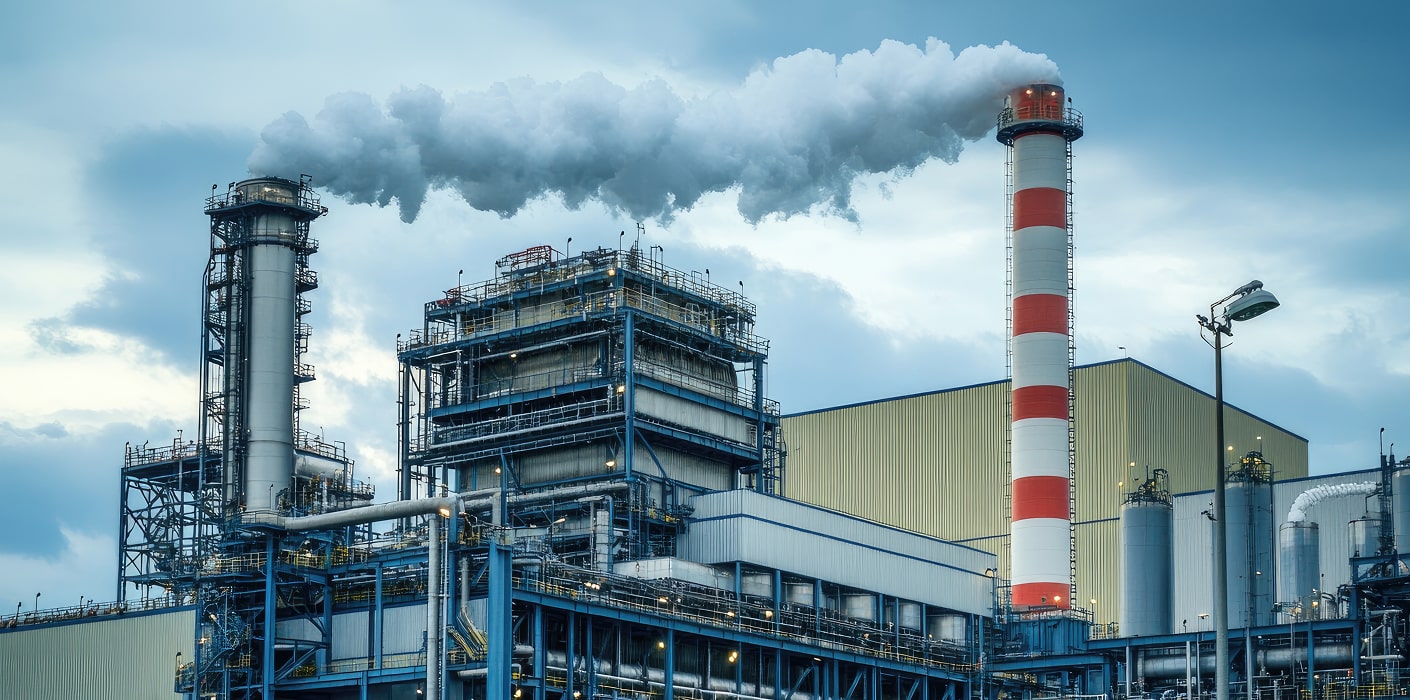
Beyond the financial risks, the AI capex boom is facing significant operational and environmental hurdles that could further strain balance sheets. The massive power and cooling requirements of AI data centers have moved sustainability from a "mission statement" to a core financial liability.
AI Data Centers Water Consumption and Cooling
One of the most pressing concerns for investors in 2026 is AI data centers water consumption. High-density GPU racks generate immense heat, requiring millions of gallons of water daily for evaporative cooling. In regions already facing drought or infrastructure bottlenecks, this consumption has become a flashpoint for regulatory scrutiny. The BIS points out that the cost of securing water rights and managing environmental impact is an "under-appreciated tail risk" that could escalate operational expenses.
AI Data Center Efficiency 2026
To mitigate these risks, the industry is racing toward enhanced AI data center efficiency 2026 standards. We are seeing a transition from traditional air cooling to advanced liquid and immersion cooling systems. These technologies are no longer just "innovative tools"; they are essential for maintaining the "value proposition" of mega-scale data centers. However, retrofitting existing facilities or building new, liquid-cooled sites requires even more upfront capital, further deepening the debt reliance of the hyperscalers.

Data Center Waste Heat Reuse: The New Mandate
A promising trend to offset these rising costs is data center waste heat reuse. In jurisdictions like Germany and parts of the United States, new mandates require data centers to capture excess thermal energy for district heating or industrial processes. By turning a byproduct (heat) into a revenue-generating or cost-saving asset, companies can "democratize" the benefits of AI infrastructure to local communities, though the initial integration costs remain a hurdle for smaller players in the Business sector.
The "Prolonged Bust" Scenario: Macro-Financial Spillovers
The BIS warning centers on the "What If?" What happens if the $1 trillion investment does not yield the expected dividends by 2027?
If hyperscalers begin to signal a slowdown in capex due to lackluster AI adoption in enterprise software or consumer services, the "revitalized" tech market could face a sharp reversal. The spillovers would not be confined to Silicon Valley. Because so much of this boom is funded through private credit and bond markets, a downturn would likely lead to:
- Credit Contraction: A sudden re-pricing of risk in the private credit market, making it harder for Startups and SMEs to access capital.
- Market Volatility: A dramatic shift in valuation models as "growth at any cost" is replaced by a demand for "legitimate purpose" and immediate profitability.
- Systemic Fragility: With high levels of public debt already straining central bank toolkits, a private sector bust in the tech industry could force a difficult choice between stabilizing markets and controlling inflation.

Conclusion: Navigating the AI Exuberance
The BIS Annual Economic Report serves as a vital reality check in an era of unbridled optimism. While artificial intelligence holds the potential to "democratize" complex data-driven insights and drive global productivity, the current AI capex boom is teetering on a foundation of significant leverage.
For business professionals, investors, and stakeholders in the Indian landscape, the message is clear: stay informed but maintain a degree of professional distance from the hype. Monitoring the "fiscal–financial stability nexus" and the evolving landscape of International News will be crucial as we navigate the remainder of 2026. The transition from abstract "visionary" growth to concrete operational tools and sustainable returns will determine whether this trillion-dollar investment becomes a permanent engine of progress or a cautionary chapter in financial history.
Stay ahead of the curve by following the latest updates on the global economy and tech landscape right here on Business Tantra.