





















Why ONDC 2.0 Will Change the Way You Shop Online (And Why Zoho and Paytm are Funding It)

The landscape of Indian e-commerce is undergoing a seismic shift, driven by a revolutionary initiative known as ONDC 2.0. As we progress through 2026, the Open Network for Digital Commerce (ONDC) has evolved from a nascent government experiment into a sophisticated, interoperable ecosystem that is fundamentally rewriting the rules of retail. This "Digital Commerce 2.0" movement is not merely an incremental update; it is a catalyst for change that seeks to democratize a market long dominated by closed-loop, platform-centric giants.
By unbundling the various components of a transaction: from discovery to payment and logistics: ONDC 2.0 provides a unified protocol that allows any seller to reach any buyer across a multitude of participating applications. This transition from a "walled garden" model to an open-network architecture has attracted significant interest and strategic investment from industry titans like Paytm and Zoho, who recognize the exponential growth potential of a truly inclusive digital economy.
1. The Architectural Blueprint of ONDC 2.0
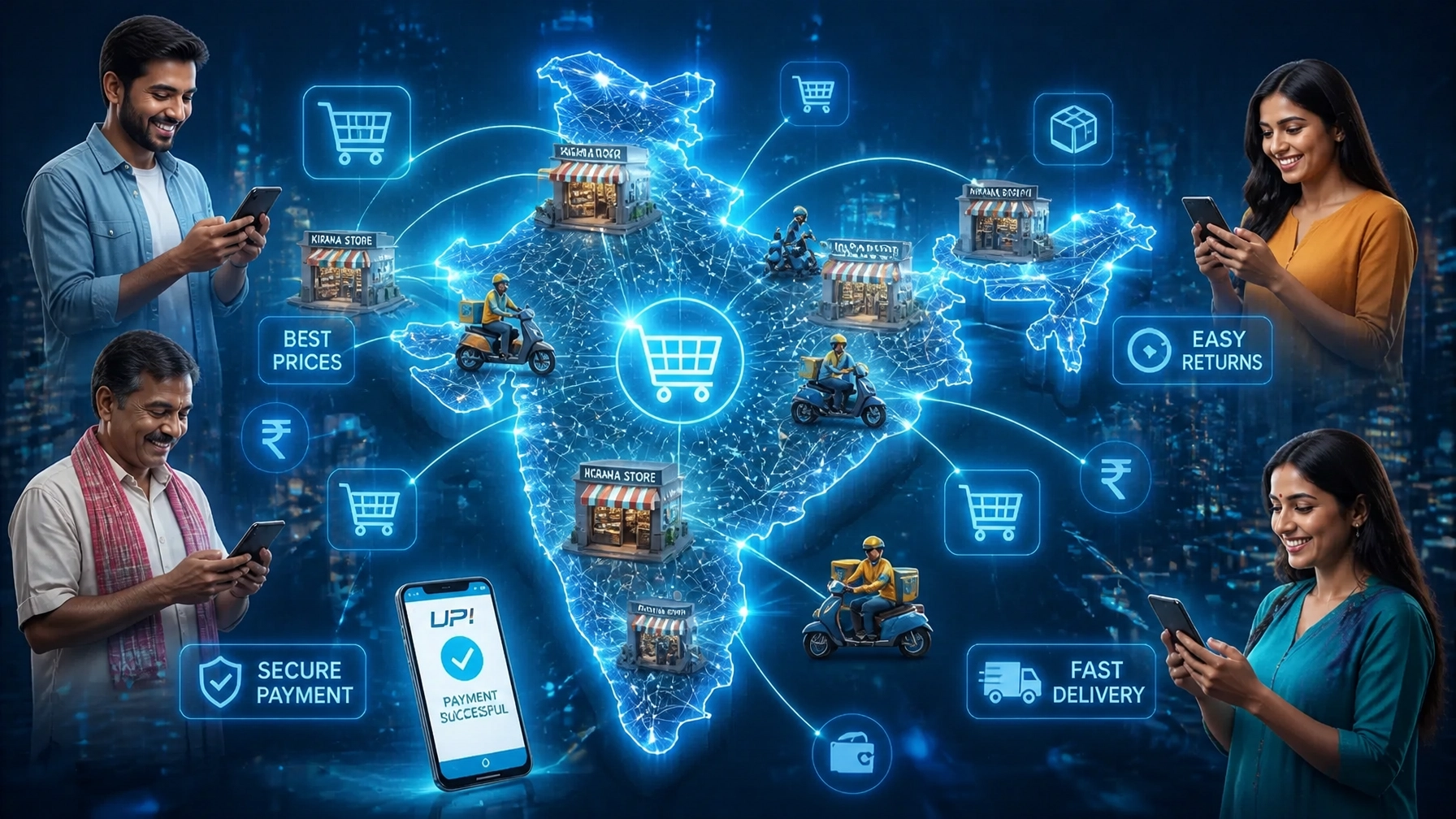
To understand the transformative power of ONDC 2.0, one must first grasp the technical shift from platform-centric to network-centric commerce. In the traditional model, a consumer is locked into a single application’s ecosystem; if you shop on a specific marketplace, you can only see the sellers who have paid to be there. ONDC 2.0 utilizes open-source specifications and standardized API protocols to ensure that a buyer on App A can discover and purchase from a seller registered on App B.

This architecture relies on "unbundling," where roles are split into distinct entities:
- Buyer Applications: Interfaces like Paytm or PhonePe that focus on user experience and discovery.
- Seller Applications: Platforms that help local merchants digitize their inventory and manage orders.
- Logistics Providers: Independent delivery fleets that plug into the network to fulfill orders.
- Gateway Services: The "electronic communications network" that routes search queries and ensures seamless data flow between all parties.
By utilizing these data-driven insights, the network ensures that even a small kirana store can compete with multinational retailers on price and delivery speed. This level of transparency is becoming increasingly vital, especially as regulatory bodies increase scrutiny on traditional marketplaces regarding fair competition and consumer protection.
2. Why Giants Like Zoho and Paytm are Backing the Network
The participation of Paytm and Zoho is not merely a philanthropic gesture; it is a calculated strategic move to secure a dominant position in the next phase of India’s economic growth. These companies are providing both the financial "funding" (through ecosystem development grants and infrastructure investments) and the technical muscle required to scale the network.
Paytm, as an early adopter, has integrated ONDC directly into its core application. By doing so, it provides its massive user base with a one-stop-shop for everything from groceries to fashion, without the overhead of managing its own massive logistics fleet. Furthermore, as a fintech leader, Paytm sees a legitimate purpose in leveraging ONDC transaction data to offer embedded credit products and working capital loans to the hundreds of thousands of small sellers joining the network.
On the other side of the coin, Zoho serves as a vital infrastructure partner. By integrating ONDC protocols into its suite of business management tools, Zoho allows MSMEs to "go live" on the national network with a single click. This integration is essential because effective business management is often the missing link for small enterprises attempting to scale in a digital-first environment. Together, these players are creating a revitalized ecosystem where technology serves as an equalizer rather than a barrier to entry.
3. Transforming the Consumer Shopping Experience
For the everyday consumer, ONDC 2.0 promises a more diverse and cost-effective shopping journey. In the current duopolistic environment, consumers are often presented with a curated list of "preferred" sellers, sometimes at the expense of local options or better prices. The open network changes this by:
- Enhancing Discovery: You can now find the hyper-local boutique or the specialty organic farm that was previously invisible on major platforms.
- Lowering Costs: Because ONDC reduces the commission burden on sellers: which can reach as high as 25-30% on traditional apps: merchants can pass these savings directly to the customer.
- Unified Experience: Instead of juggling ten different apps for food, mobility, and retail, a single "buyer app" (like Paytm) can serve as a portal to the entire Indian retail landscape.
- Promoting Transparency: The decentralized nature of the network makes it harder for any single entity to manipulate search results or hide the most competitive offers.
As more users shift toward this model, we expect to see a significant increase in e-retail penetration, moving beyond the current single-digit percentages and into a more mature, population-scale digital economy.
4. Empowering the MSME Sector: A Level Playing Field
The "mission" of ONDC 2.0 is deeply rooted in the empowerment of Micro, Small, and Medium Enterprises (MSMEs). Historically, the high cost of digital transformation and the steep commissions of private marketplaces have acted as a deterrent for local entrepreneurs. The open network is the transformative solution they have been waiting for.
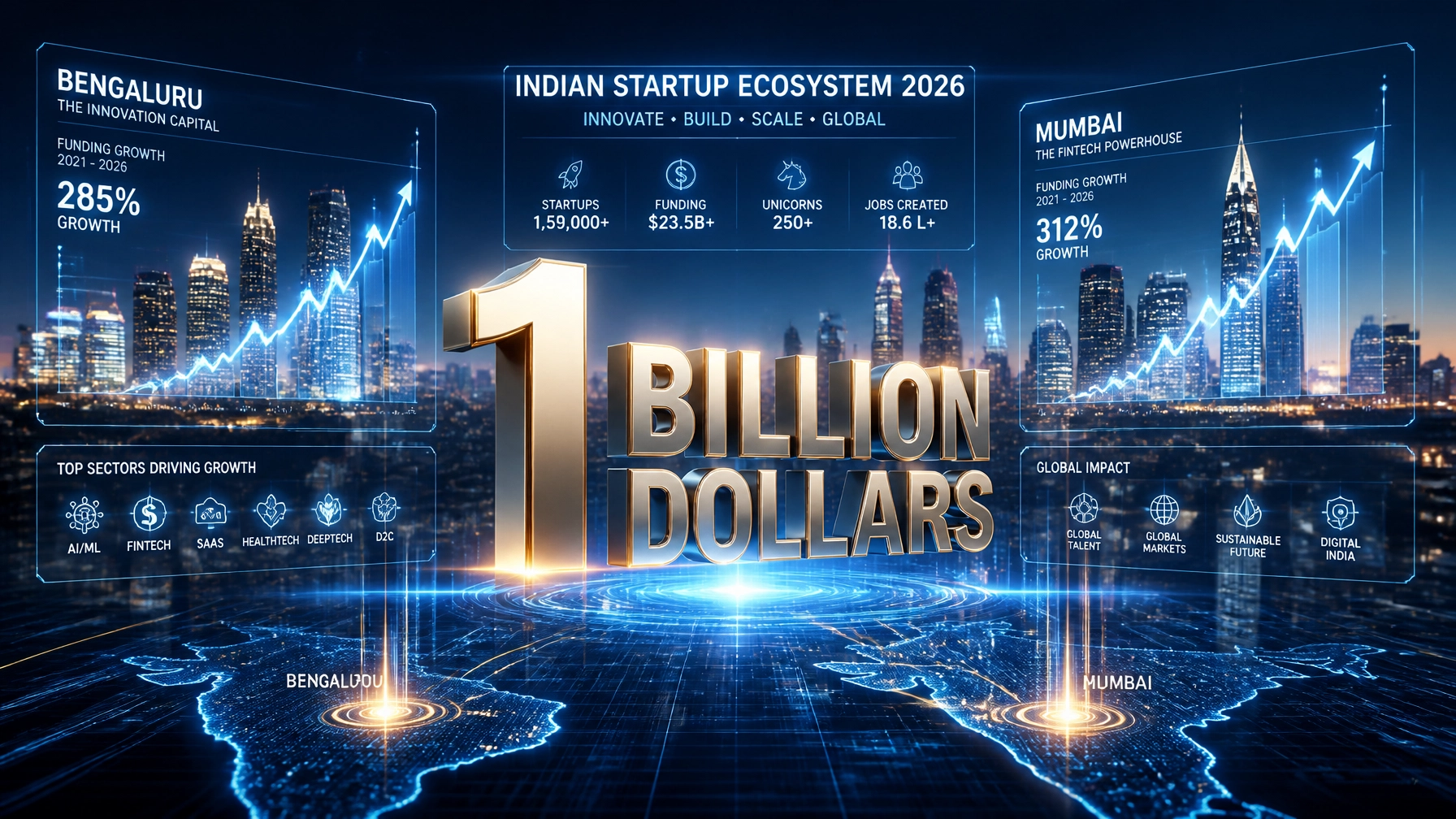
By participating in ONDC, an MSME gains instant access to national-level logistics and a massive audience without having to build its own website or negotiate complex contracts with giant aggregators. This is particularly relevant given the recent surge in Indian startups, where localized innovation is becoming a key driver of GDP.
Small businesses can now leverage specialized SaaS tools to manage their "value proposition" across the network. This unbundled approach ensures that a local artisan in Rajasthan can sell to a customer in Chennai using a logistics provider that offers the best regional rate: all through a seamless, automated flow.
5. The Roadmap to 2026: Democratizing E-Commerce
As we look toward the end of 2026, the trajectory for ONDC 2.0 is clear: it aims to handle millions of transactions daily across every pincode in India. The government’s goal is to increase the gross merchandise value (GMV) of digital commerce in India while ensuring that the benefits are distributed equitably among all stakeholders.
Key milestones for the coming months include:
- Domain Expansion: Moving beyond retail and food delivery into more complex sectors like financial services, insurance, and professional services.
- Linguistic Inclusion: Ensuring that the protocols support regional languages, making the digital economy accessible to the "next billion" users.
- Enhanced Tooling: The rollout of white-label frameworks that allow even the smallest fintech or regional bank to launch its own ONDC buyer app.
The success of this initiative is vital for India’s goal of becoming a $5 trillion economy. By breaking down digital monopolies, ONDC 2.0 ensures that innovation remains the primary driver of market success, rather than just deep pockets or proprietary algorithms.
Conclusion
The emergence of ONDC 2.0 represents a watershed moment for the global digital economy. By shifting from a platform-centric model to an open, interoperable network, India is setting a new standard for how e-commerce can be conducted with fairness, transparency, and inclusivity at its core. The strategic involvement of giants like Paytm and Zoho underscores the massive commercial viability of this model, proving that profitability and democratization are not mutually exclusive.
As consumers, we stand to benefit from more choice and lower prices. As a nation, we benefit from a revitalized retail sector where every small business has a fair shot at success. The journey of ONDC 2.0 is just beginning, but its impact is already proving to be a powerful catalyst for change in the way we buy, sell, and connect in the digital age.