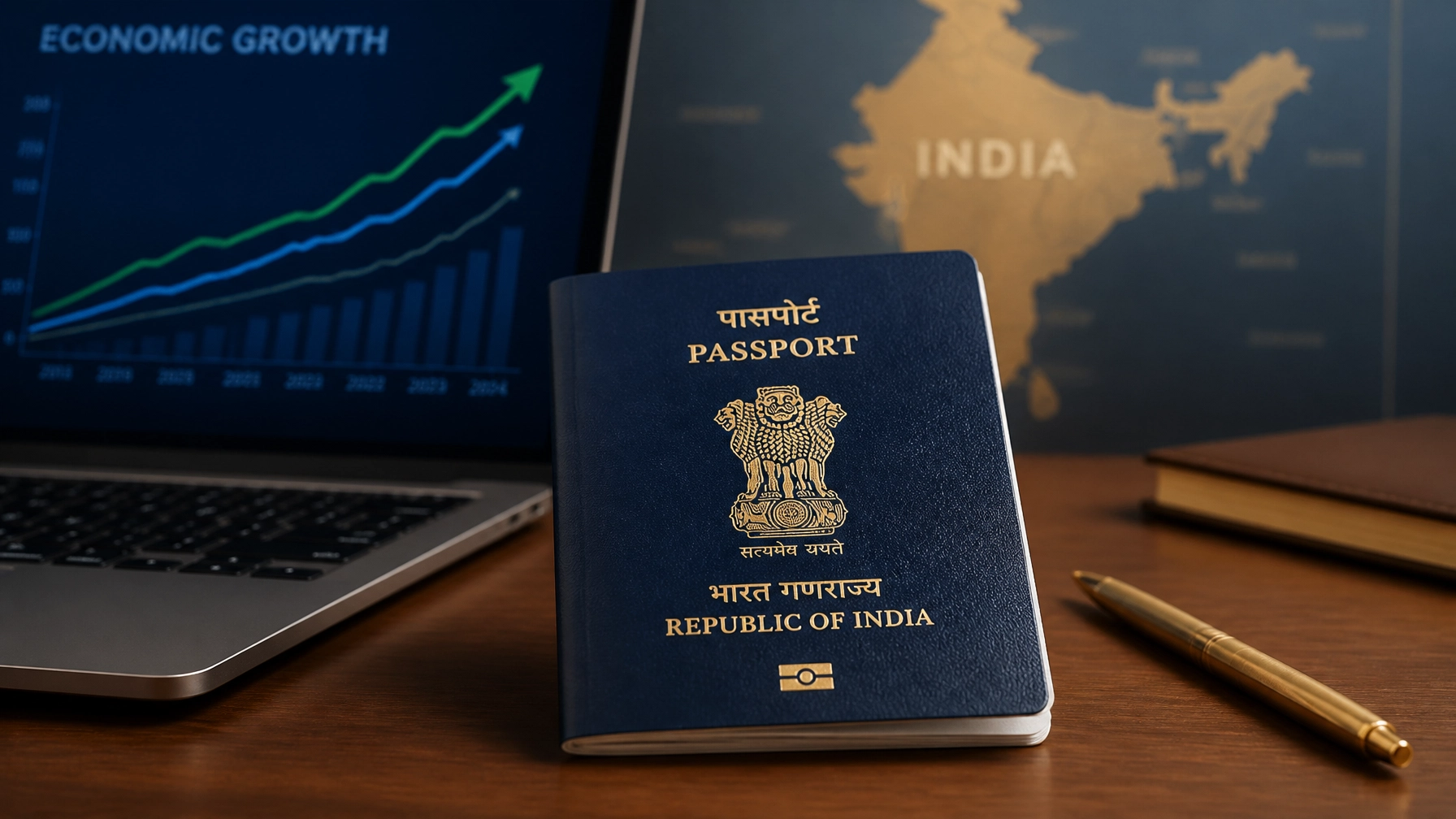





























The Indian economy encountered a significant headwind on Tuesday, May 12, 2026, as the Rupee record low of 95.63 against the U.S. Dollar sent ripples through the financial markets. In a volatile early trade session, the domestic currency depreciated by 35 paise from its previous close of 95.28, eventually touching an intraday nadir of 95.74. This breach represents a pivotal moment for India’s fiscal landscape, driven by a convergence of escalating geopolitical tensions, surging energy costs, and a resurgent Greenback.
As a premier platform for business news, Business Tantra provides this comprehensive analysis of the multi-faceted catalysts behind this historic depreciation and the long-term implications for the Indian corporate sector and the broader economy.
Geopolitical Tensions: The Catalyst for Change in Currency Markets
The primary driver of the current market instability is the deteriorating diplomatic relationship between the United States and Iran. Sentiment soured overnight following statements from Washington indicating that the long-negotiated ceasefire proposal is currently on "life support."

U.S. President Donald Trump’s rejection of Tehran’s latest response to a peace proposal as "totally unacceptable" has revitalized fears of a protracted conflict in the Middle East. For an energy-dependent nation like India, any disruption in this region acts as an immediate catalyst for economic volatility. The Strait of Hormuz, a critical electronic communications network for global oil transit, has now faced over 70 days of disruptions. This has directly correlated with the weakening of the INR, as investors flock to the perceived safety of the U.S. Dollar.
The Oil Surge and the Strait of Hormuz Crisis
India’s vulnerability to global energy prices remains its "Achilles' heel." As the Rupee record low was recorded, Brent crude prices surged by over 3%, scaling levels between $105.10 and $107.43 per barrel. Simultaneously, U.S. WTI crude rose to $98.38 per barrel.
The prolonged disruption in the Strait of Hormuz has essentially democratized the "risk premium" across global markets, forcing emerging market currencies like the Rupee to bear the brunt. When energy prices escalate, India’s trade deficit widens exponentially, putting immense pressure on the capital account. The recent decline in India's foreign exchange reserves: falling by $7.794 billion in the first week of May: underscores the intensity of the central bank's efforts to mitigate this freefall.
Uday Kotak Warns: A "Big Shock" for the Indian Economy
The gravity of the situation was echoed by veteran banker Uday Kotak at the CII Annual Business Summit. In a stark assessment, Kotak urged the nation to "prepare for the worst," suggesting that the current volatility is merely the precursor to a more substantial systemic shock.

Kotak’s "strategic paranoia" stems from the reality that India imports over 85% of its crude oil requirements. He noted that while older oil inventories have historically revitalized our buffers, those reserves are now depleting.
"We are moving from a collaborative global mindset to a competitive, tribalistic era where strategic chokepoints dictate economic fate," Kotak remarked. His warning serves as a transformative solution for businesses to hedge their exposure and adopt a more defensive fiscal posture. At Business Tantra, we closely monitor these "market movers" to provide our readers with the data-driven insights necessary for navigating such turbulent waters.
Domestic Pressure: Retail Inflation and Austerity Measures
While global factors dominate the headlines, domestic economic indicators are providing no respite. Recent data from the Ministry of Statistics and Programme Implementation (MoSPI) revealed that retail inflation inched up to 3.48% in April 2026, compared to 3.40% in the previous month.

Food inflation, a critical metric for the Indian consumer, accelerated to 4.20%, primarily driven by the rising costs of essential commodities and transport. Although this remains within the Reserve Bank of India’s (RBI) 2-6% tolerance band, the upward trajectory combined with a weakening currency creates a complex policy dilemma.
In response to these pressures, Prime Minister Narendra Modi has made a public appeal for fiscal discipline and austerity. His request for citizens to reduce gold purchases, optimize fuel consumption, and reconsider non-essential foreign travel is a clear signal that the government is prioritizing the conservation of foreign exchange reserves to defend the Rupee record low levels.
Market Impact: Sensex and Nifty in Retreat
The equity markets reacted with predictable trepidation to the currency's slide. The BSE Sensex plummeted by over 1,400 points in a single session, while the Nifty50 dropped more than 400 points. The exodus of foreign capital, or "foreign institutional investor (FII) outflows," has accelerated as the strong U.S. Dollar index (trading near 98.28) makes emerging market assets less attractive.
Key sectors, particularly those reliant on imported raw materials or dollar-denominated debt, are seeing their value propositions challenged. Conversely, export-oriented sectors like Information Technology and Pharmaceuticals may find a silver lining in the depreciation, provided global demand remains resilient amidst the geopolitical strife. For more on how these trends impact the Indian corporate landscape, visit our economics section.
Functional Elements for Businesses to Consider
In this environment of "strategic paranoia," business leaders must take definitive action to protect their bottom lines. We recommend the following operational strategies:
- Dynamic Hedging: Re-evaluate currency hedging strategies to account for a potential slide towards the 96.00 mark.
- Cost-Plus Pricing: Implement flexible pricing models that can absorb sudden spikes in logistics and energy costs.
- Supply Chain Diversification: Reduce reliance on the Strait of Hormuz route where possible, exploring alternative corridors to mitigate supply shocks.
- Data-Driven Insights: Utilize real-time economic analytics to stay ahead of RBI interventions and policy shifts.
Conclusion: Navigating the 95.63 Milestone
The breach of 95.63 against the US Dollar is more than just a numerical record; it is a definitive marker of the shifting global order. As India grapples with the twin challenges of imported inflation and geopolitical instability, the resilience of our economic architecture is being put to the ultimate test.
The Rupee record low serves as a legitimate purpose for the government and the RBI to reassess our long-term energy security and fiscal policy. While the immediate outlook remains clouded by the US-Iran conflict, India’s robust GDP growth forecast and controlled inflation provide a baseline for eventual recovery.
At Business Tantra, we remain committed to providing professional, neutral, and timely updates on these critical developments. To stay informed on the latest market movements and economic analysis, contact us or subscribe to our video news updates. The journey through this economic "big shock" will require precision, foresight, and a renewed focus on domestic self-reliance.