























Is the AI Revolution Bad? The Truth Behind Meta’s Massive Job Cuts

The contemporary corporate landscape is currently navigating a profound structural pivot, often characterized as the AI revolution. While the term frequently populates headlines as a harbinger of displacement, the reality unfolding within Silicon Valley’s titan, Meta, suggests a more nuanced narrative. In early 2026, the tech giant initiated a massive restructuring effort, resulting in the elimination of approximately 8,000 roles. However, to view these cuts merely as a "replacement" of humans by machines is to overlook a complex strategic shift in capital allocation and organizational design.
For many, the AI revolution has been a catalyst for change, forcing a radical re-evaluation of what constitutes a "high-value" workforce in a world increasingly dominated by Large Language Models and specialized silicon.
1. Capital Reallocation: From Headcount to Infrastructure
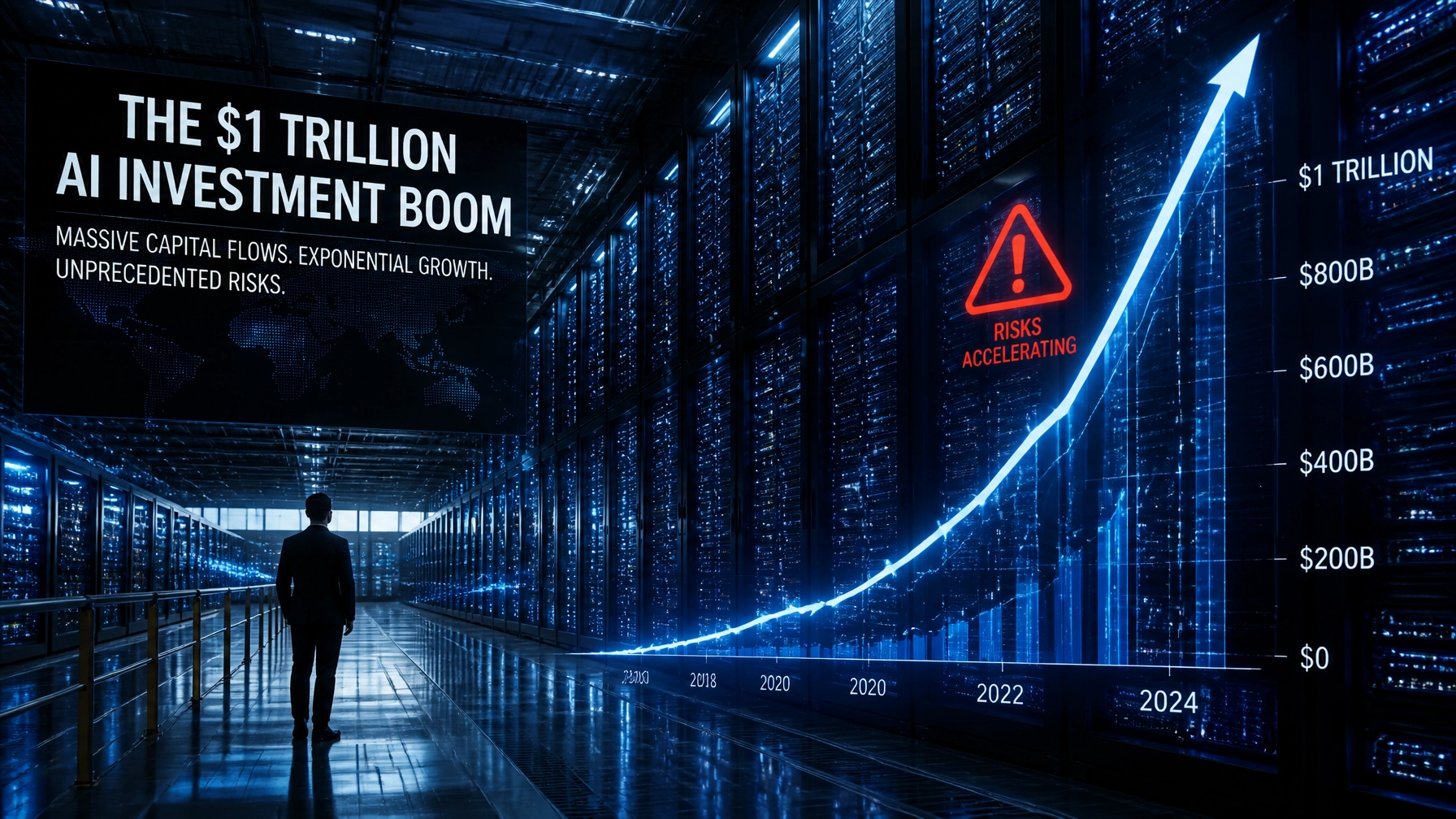
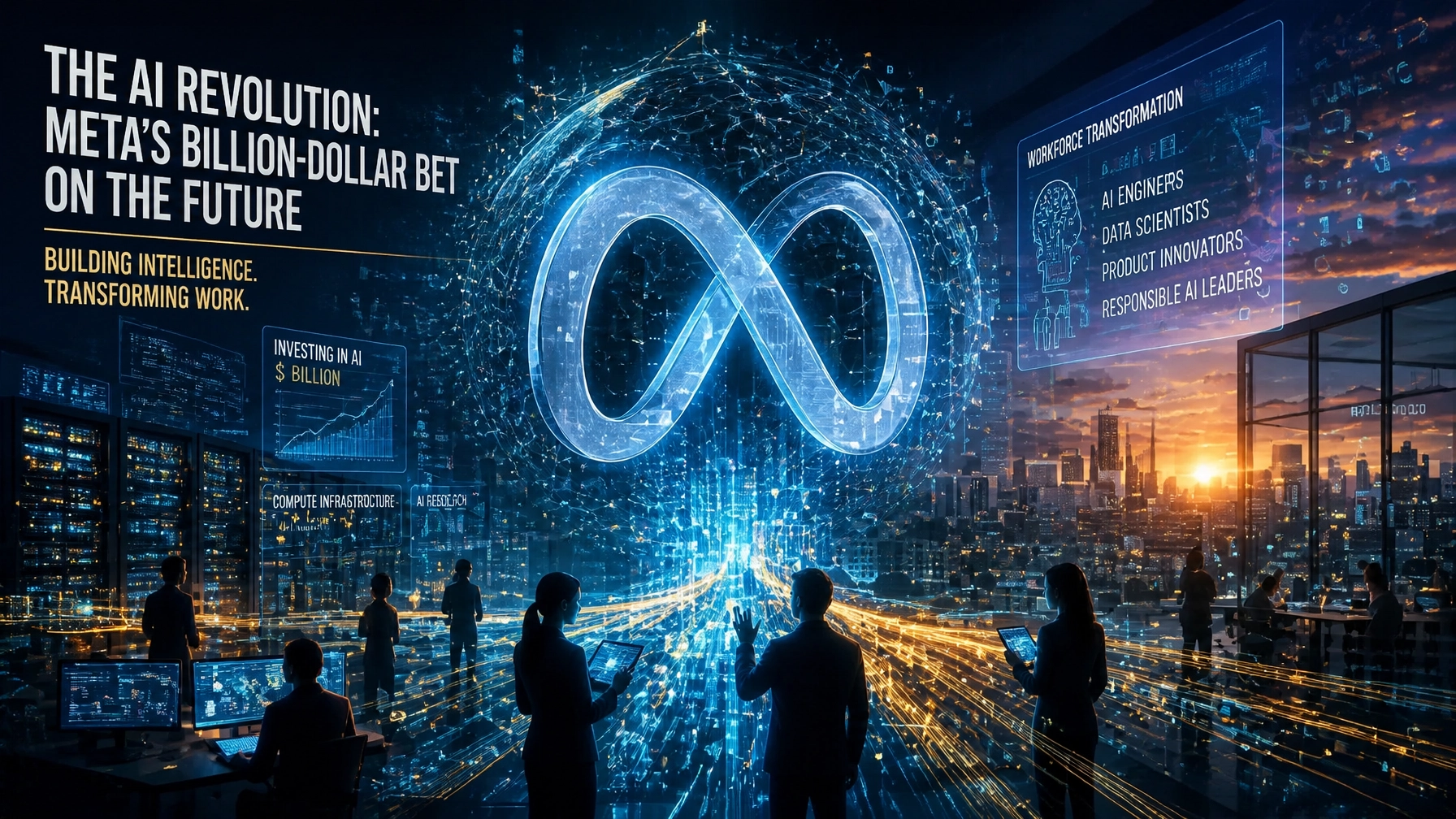
The most staggering revelation behind Meta’s recent layoffs lies in the company’s financial engineering. Mark Zuckerberg has articulated a "two budget" philosophy, wherein the company maintains separate financial tracks for traditional operations and AI-driven initiatives. To fuel the exponential growth required to lead the AI sector, Meta has projected a capital expenditure (Capex) of between $125 billion and $145 billion for the 2026 fiscal year.

This capital is largely being diverted away from human payroll and toward the electronic communications network of data centers, high-end GPUs, and advanced networking hardware. In this context, the job cuts are not necessarily because AI can perform every task an engineer does, but because the cost of the hardware needed to build future-proof platforms demands a reduction in legacy overhead.
The strategy is clear: the AI revolution requires a revitalized infrastructure that favors silicon over traditional middle-management layers. This shift enables the company to pursue a legitimate purpose of long-term dominance in the metaverse and AI-agent markets, even at the cost of short-term workforce stability.
2. The Rise of "AI-Native" Workforce Dynamics
A critical, yet often under-reported, aspect of the Meta restructuring is the internal migration of talent. Alongside the layoffs, roughly 7,000 existing employees have been reassigned into newly formed "AI-native" teams. These teams are designed to integrate AI into the core product architecture from the ground up, rather than treating it as an add-on feature.
This internal reshuffling highlights a significant trend: the AI revolution is democratizing access to high-level technical tools while simultaneously raising the barrier to entry for generalized roles. Professionals who can leverage data-driven insights to optimize AI outputs are seeing their value skyrocket, while those in coordination-heavy middle-management positions find their roles redundant.
As noted in our analysis of why business management for startups is essential for growth, the ability to adapt to lean, technical-first organizational structures is now a prerequisite for career longevity in the tech sector.
3. Organizational Flattening: Efficiency or Erosion?
Meta’s "Year of Efficiency" has evolved into a permanent state of organizational flattening. By reducing the number of managerial layers, the company aims to speed up decision-making and reduce "bureaucratic friction." This is a hallmark of the broader tech industry’s response to the AI revolution.

The implementation of these changes often utilizes sophisticated internal monitoring. Reports suggest that tracking tools logging mouse movements and keystrokes are being used not just for surveillance, but to provide data-driven insights into which processes are ripe for automation. While critics argue this erodes employee trust, proponents suggest it is a necessary step to ensure the company remains agile during a period of unprecedented technological transition.
For those contemplating their future in this new era, it is worth reviewing the five signs that you may not be cut out to be an entrepreneur, as the modern corporate employee is increasingly expected to act with the autonomy and technical proficiency of a solo founder.
4. The Global Economic Ripple Effect
The impact of Meta’s decisions extends far beyond its Menlo Park headquarters. As a bellwether for the tech industry, Meta’s shift signals a broader trend that could define the 2026 economic landscape. We are witnessing a divergence where "Big Tech" continues to achieve record-breaking revenues and market caps through AI efficiencies, even as their total headcount stabilizes or shrinks.
Key takeaways for the global business community include:
- Skill Premium: The demand for engineers specializing in distributed systems and GPU clusters is at an all-time high.
- Operational Leanliness: Companies of all sizes are adopting AI to flatten their own hierarchies.
- Capex Over Opex: Strategic investment is shifting from operational expenditures (salaries) to capital expenditures (AI infrastructure).
While some view these trends with trepidation, others see the AI revolution as the engine that will democratize innovation, allowing smaller, more efficient teams to compete with historical giants on a global scale.
Conclusion

In summary, the question of whether the AI revolution is "bad" depends entirely on one's perspective within the economic ecosystem. For Meta, the massive job cuts are a calculated, albeit painful, maneuver to ensure survival in a future defined by artificial intelligence. By reallocating billions of dollars from human capital to infrastructure and refocusing thousands of employees into AI-native roles, Meta is attempting to position itself as the primary architect of the next digital era.
The truth behind the layoffs is not a simple story of replacement, but one of radical evolution. As we move further into 2026, the success of this strategy will serve as a definitive case study for whether a legacy giant can truly be revitalized by the very technology that threatens to disrupt it.