
























What is Maharashtra new Promise by Devendra Fadnavis?

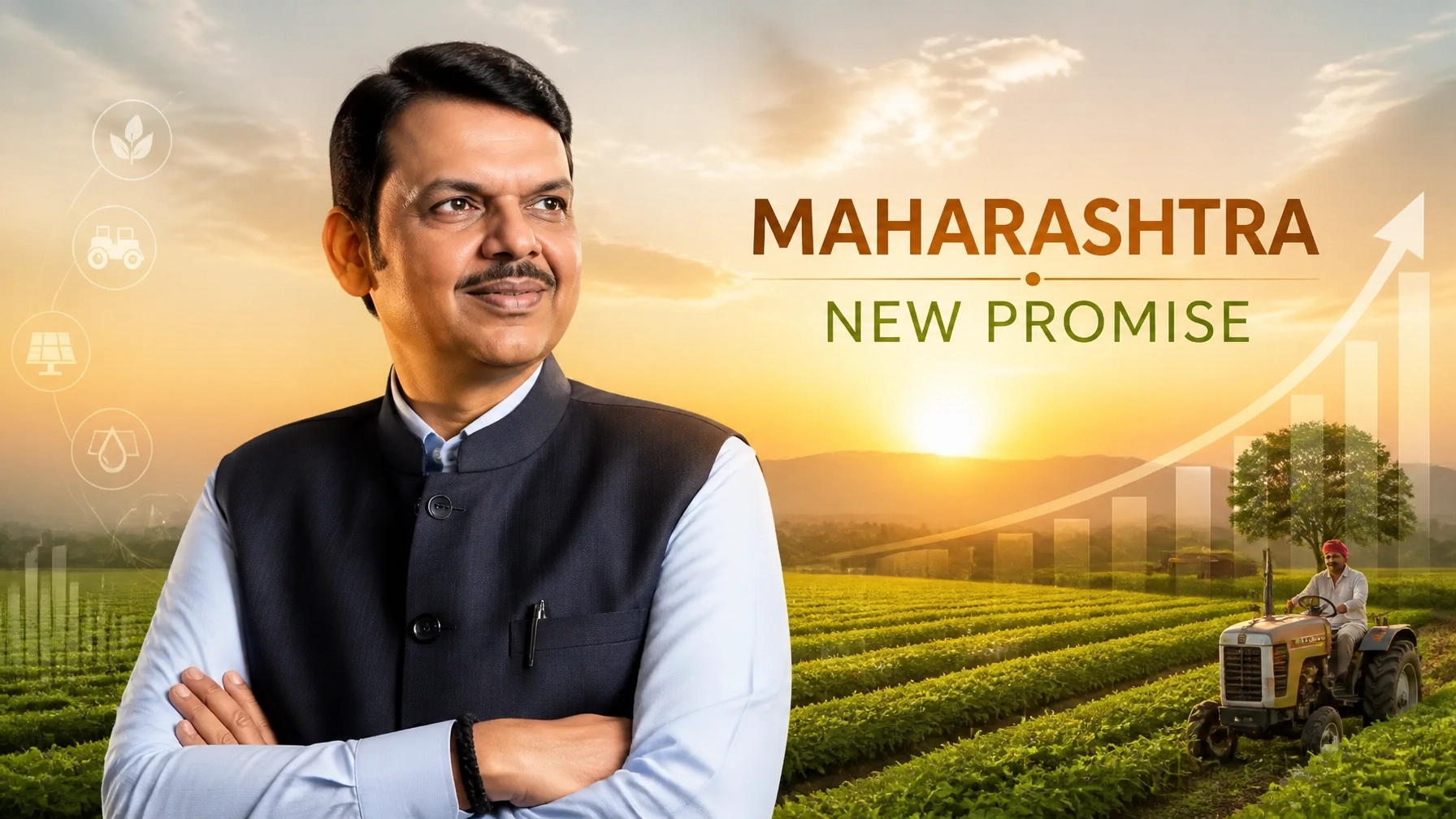
As the political and economic landscape of India continues to evolve, the state of Maharashtra stands at a critical juncture. In a move that has captured the attention of economists, business leaders, and the agrarian community alike, the Maharashtra new Promise by Devendra Fadnavis has emerged as a transformative policy intervention. Aimed at revitalizing the state's rural economy before the onset of the 2026 Kharif season, this "new promise" centers on a comprehensive statewide farm loan waiver, slated for implementation by June 30, 2026.
This strategic announcement is not merely a political maneuver; it represents a data-driven approach to mitigating the dual threats of agrarian distress and the looming El Niño phenomenon. By prioritizing fiscal relief for the state's primary sector, the government is positioning itself as a catalyst for change in the broader Indian business ecosystem.
The Core Mandate: A Comprehensive Farm Loan Waiver
At the heart of the Maharashtra new Promise by Devendra Fadnavis is the commitment to waive outstanding crop loans for millions of farmers across the state. Deputy Chief Minister Devendra Fadnavis has articulated a clear vision: to ensure that the "debt-trap" does not hinder the upcoming sowing season. Unlike previous iterations of such schemes, the 2026 waiver is being touted as a "frictionless" transition.

Key technical aspects of the waiver include:
- Full Eligibility Restoration: Farmers who benefit from this waiver will remain eligible for the next cycle of crop loans, ensuring that liquidity in the rural market remains revitalized.
- Data-Driven Implementation: The government is utilizing an integrated electronic communications network to collect real-time loan data from all districts, minimizing administrative delays and ensuring that the relief reaches the legitimate beneficiaries.
- Timeline Precision: Fadnavis has set a hard deadline of June 30, 2026, signaling a sense of urgency that is rare in such large-scale bureaucratic exercises.
Addressing the El Niño Threat and Drought Preparedness
The timing of this "new promise" is intrinsically linked to meteorological forecasts. With El Niño predicted to result in below-normal rainfall for the 2026 season, the Maharashtra government is moving beyond immediate financial relief toward long-term structural resilience.
Fadnavis has emphasized that while the loan waiver provides a temporary safety net, the true "promise" lies in the state’s accelerated water conservation efforts. The Jalyukta Shivar initiative, a flagship program aimed at making Maharashtra drought-free, is being revitalized with fresh budgetary allocations.

This dual strategy: combining financial liquidity with infrastructure development: serves a legitimate purpose: to democratize access to water resources and stabilize the agricultural output that feeds the state’s industrial and manufacturing sectors. According to recent economic updates, such proactive measures are essential to maintaining the state's GDP growth trajectory amidst climate volatility.
Implications for Maharashtra’s Business and Fiscal Landscape
From a professional and analytical perspective, the Maharashtra new Promise by Devendra Fadnavis carries significant weight for the banking and MSME sectors. A sudden injection of liquidity into the rural economy often translates to increased consumer demand, benefiting companies ranging from FMCG giants to tractor manufacturers.
However, the fiscal implications cannot be ignored. The government’s challenge remains balancing this large-scale expenditure with the need for infrastructure investment in urban centers like Mumbai and Pune. As a hub for latest stories on market movers, Business Tantra observes that the success of this promise will depend on the government’s ability to manage its debt-to-GDP ratio while providing this necessary stimulus.

Business leaders are closely watching how this policy will impact:
- Rural Demand: An expected uptick in rural consumption as disposable income increases.
- Banking Health: The cleaning up of bank balance sheets as the state settles outstanding agricultural dues.
- MSME Integration: Improved supply chain stability as farmers gain the confidence to invest in better seeds and technology.
Balancing Social Welfare with Economic Logic
Critics often view loan waivers as "populist," but the administration frames this as a "value proposition" for the state's stability. By framing the waiver as a tool for exponential growth rather than just a subsidy, Fadnavis is attempting to change the narrative from one of dependency to one of empowerment.
The use of technical and legalistic terminology in the implementation phase: such as "electronic authentication" and "real-time grievance redressal": suggests a move towards a more sophisticated governance model. This is not just about giving money away; it is about revitalizing a sector that is foundational to the startup ecosystem in India.

Conclusion
The Maharashtra new Promise by Devendra Fadnavis represents a high-stakes bet on the resilience of the state's rural economy. By integrating financial relief with aggressive water conservation and digital transparency, the government aims to provide a transformative solution to age-old agrarian challenges.
Whether this initiative serves as a definitive catalyst for change will be determined by its execution before the June 30 deadline. For the business community, the ripple effects of this policy: from increased rural demand to stabilized credit cycles: will be a primary focus for the remainder of the 2026 fiscal year. As Maharashtra continues to lead as a premier investment destination, the successful fulfillment of this promise will be crucial in maintaining its status as the economic powerhouse of India.