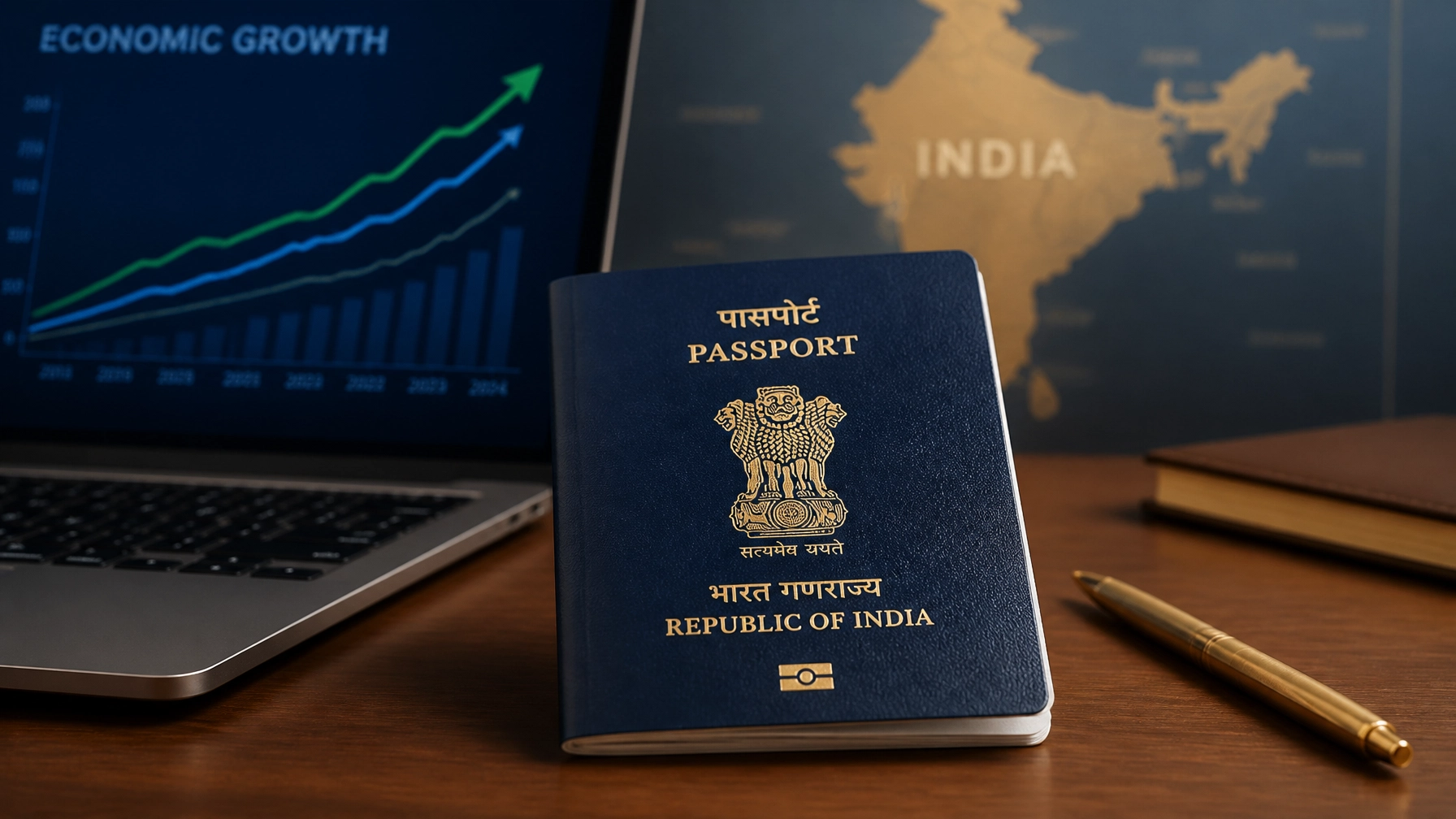











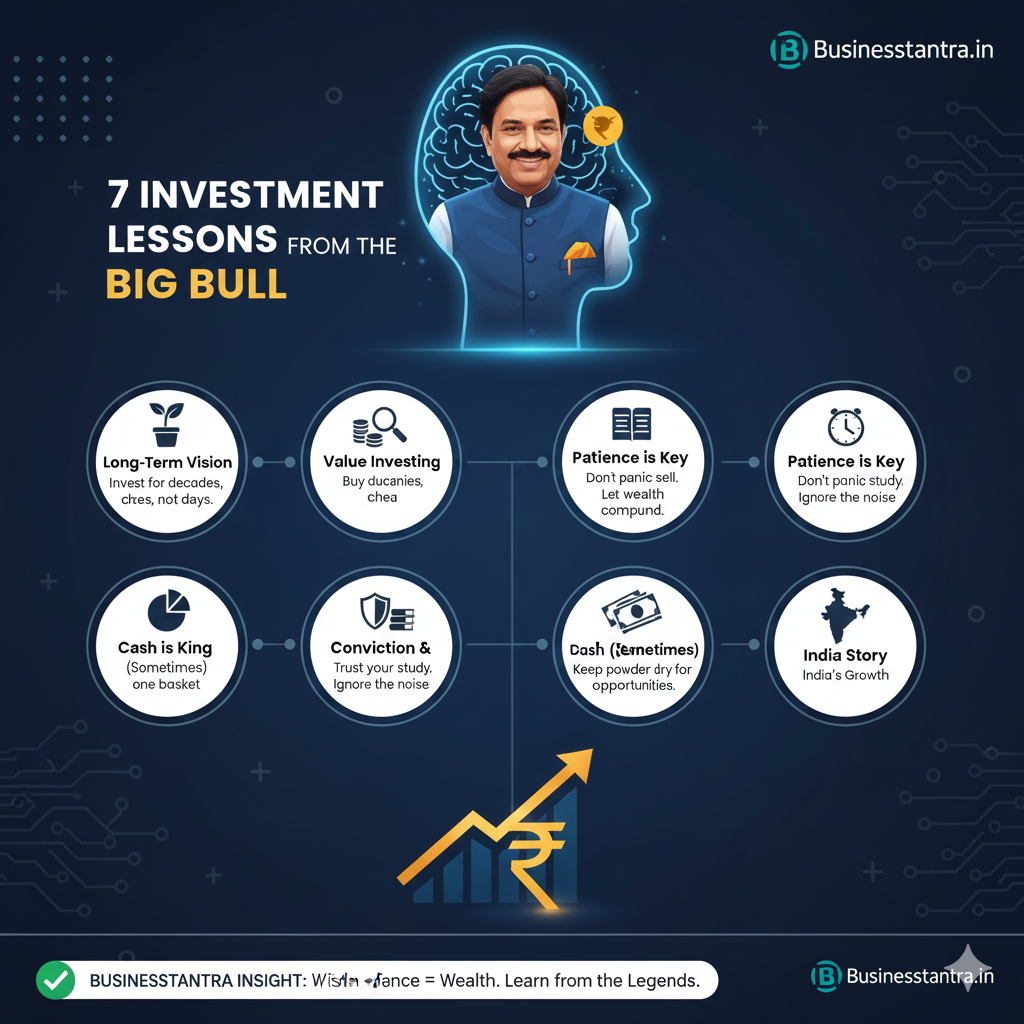
















The world is witnessing a seismic shift. For decades, Silicon Valley held the undisputed crown of innovation, but as we cross into April 2026, the tectonic plates of the global economy have moved. The "Elephant" is no longer just walking; it is sprinting. India has evolved from a back-office outsourcing hub into a global startup powerhouse, and the velocity of this transformation is nothing short of breathtaking.
If you have been following startup news india lately, you know this isn’t just hype. It is a fundamental re-engineering of how business is done in the 21st century. With over 1.6 lakh registered startups and a valuation trajectory that defies gravity, India is no longer just "participating" in the global market: it is setting the pace.
The Digital Renaissance: Building the World's Most Advanced Infrastructure
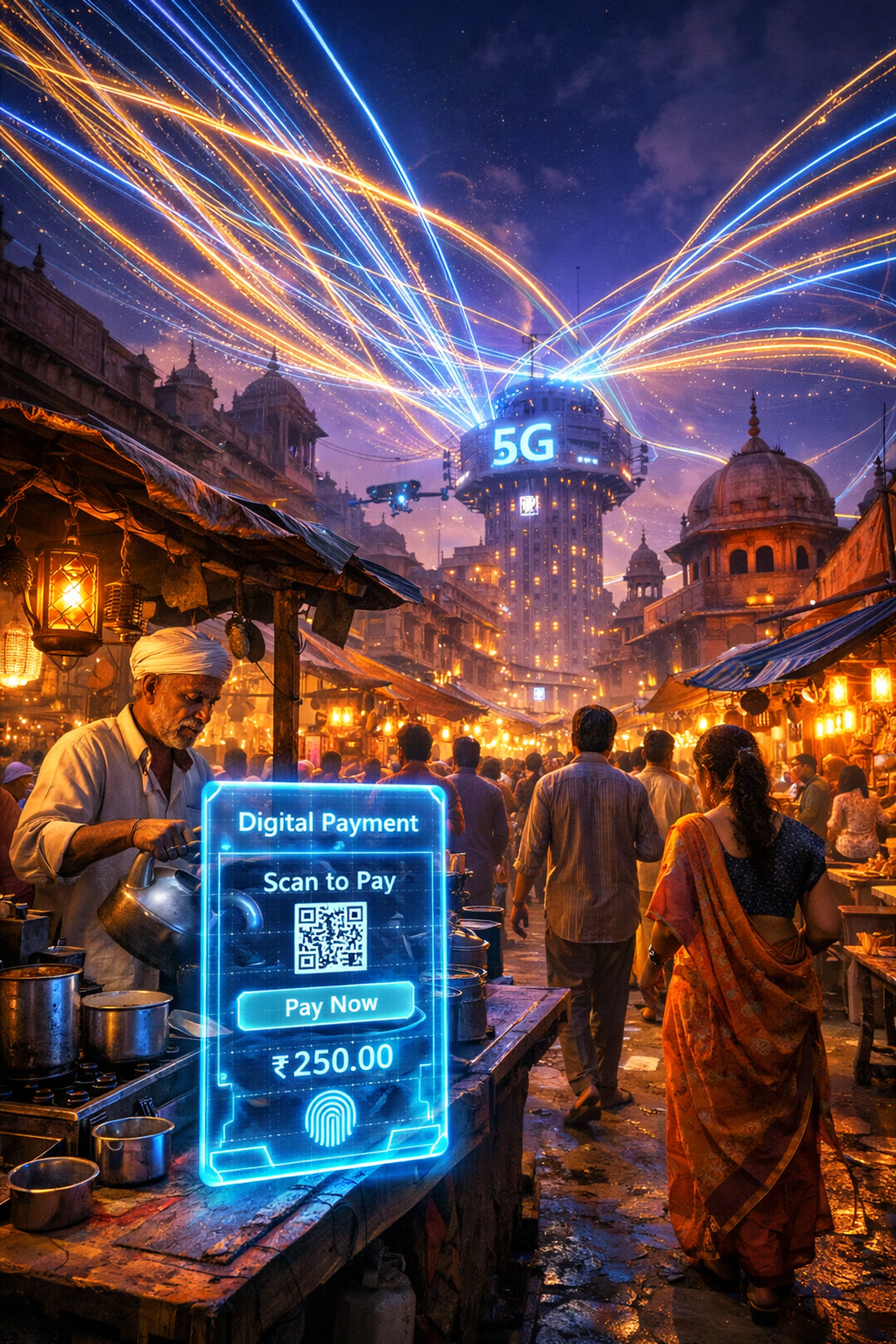
The foundation of India’s ascent isn't built on traditional brick-and-mortar legacy systems. It is built on "The India Stack." While Western nations struggle with fragmented legacy banking and expensive internet, India has democratized data. The combination of Jio’s affordable 4G/5G and the Unified Payments Interface (UPI) has created a digital playground where an entrepreneur in a remote village in Bihar has the same market access as a founder in South Mumbai.
This digital public infrastructure (DPI) has been the ultimate catalyst for change. By lowering the cost of customer acquisition to near zero, startups can scale to millions of users overnight. This infrastructure has allowed India to leapfrog entire generations of technology, moving straight to a mobile-first, digital-first economy that is the envy of the developed world.
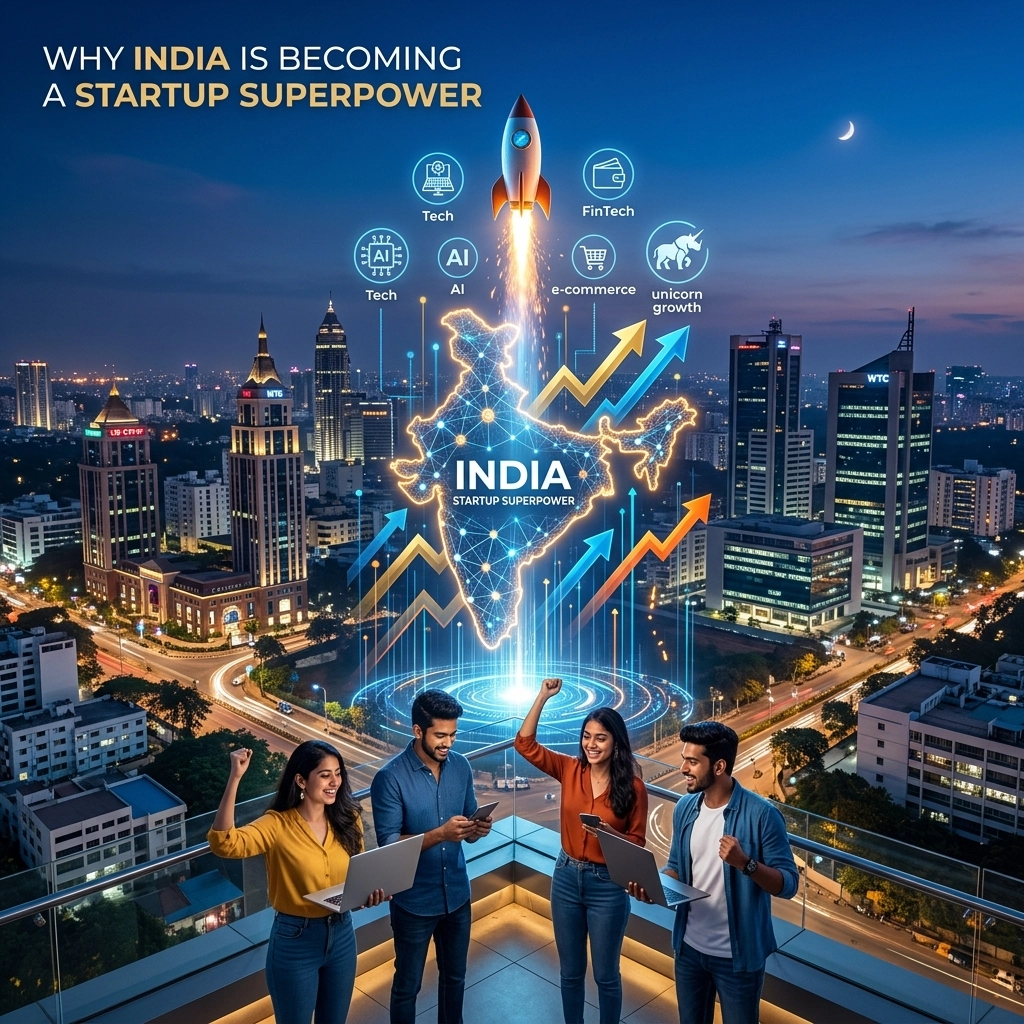
Why India Is Becoming a Startup Superpower Through Demographic Dominance
The math is simple, but the impact is profound. India possesses the largest young, tech-savvy workforce on the planet. With 112 million individuals in the 20-24 age bracket, the "demographic dividend" is paying out in real-time. Unlike the aging populations of Europe and China, India’s youth are not looking for stable government jobs; they are looking to disrupt.
This cultural shift toward entrepreneurship is the secret sauce. A decade ago, "startup" was a buzzword for the elite. Today, it is a household ambition. This surge of talent is fueling innovation across fintech, health-tech, and deep-tech. For those tracking the Indian economy's growth, this influx of human capital represents an inexhaustible fuel source for the nation's $35 trillion vision.
The Capital Explosion: Analyzing Indian Stock Market News and VC Trends
Money follows growth, and right now, all roads lead to New Delhi and Bengaluru. In 2021 alone, Indian startups raised a staggering $40 billion, and despite global volatility, the momentum has remained resilient through 2026. Institutional investors who once viewed India as a "risky bet" are now terrified of missing out on the next unicorn.
Furthermore, indian stock market news has been dominated by a wave of successful tech IPOs. When giants like Zomato, Nykaa, and Delhivery hit the bourses, they proved that Indian startups could provide massive exits for global investors. This "exit liquidity" has created a virtuous cycle: founders exit, become angel investors, and fund the next generation of "soonicorns." The sophistication of the domestic retail investor, empowered by apps like Zerodha and Groww, has further stabilized the ecosystem, ensuring that capital is available at every stage of the business lifecycle.

The Bharat Factor: Why Tier-2 Cities Are the New Frontier
If you only look at Bengaluru, Mumbai, and Delhi-NCR, you are missing half the story. The real "Superpower" status comes from the fact that 49% of DPIIT-recognized startups now emerge from outside the traditional top 10 cities. This is the "Bharat" factor.
Cities like Indore, Jaipur, and Coimbatore are becoming specialized hubs for manufacturing and SaaS. These founders are building solutions for the "Next Billion" users: people who are coming online for the first time. By solving problems like localized logistics, vernacular content, and micro-finance, these startups are creating a robust internal economy that is shielded from global trade wars. You can learn more about how these regional players are scaling on our about us page, where we track the grassroots revolution.
Government Policy: The Wind Beneath the Wings
The Indian government has transitioned from being a "regulator" to an "enabler." Initiatives like "Startup India" and the Department for Promotion of Industry and Internal Trade (DPIIT) have slashed the red tape that once strangled innovation. Tax holidays, simplified compliance, and the "Fund of Funds" have provided a safety net for early-stage ventures.
More importantly, the government’s push for "Aatmanirbhar Bharat" (Self-Reliant India) has created a sense of national mission. Whether it is the production-linked incentive (PLI) schemes for electronics or the push for green hydrogen, the state is actively creating the markets that startups are now filling. This synergy between public policy and private enterprise is a model that other emerging markets are now trying to replicate.
The AI and Deep Tech Frontier: Beyond E-Commerce
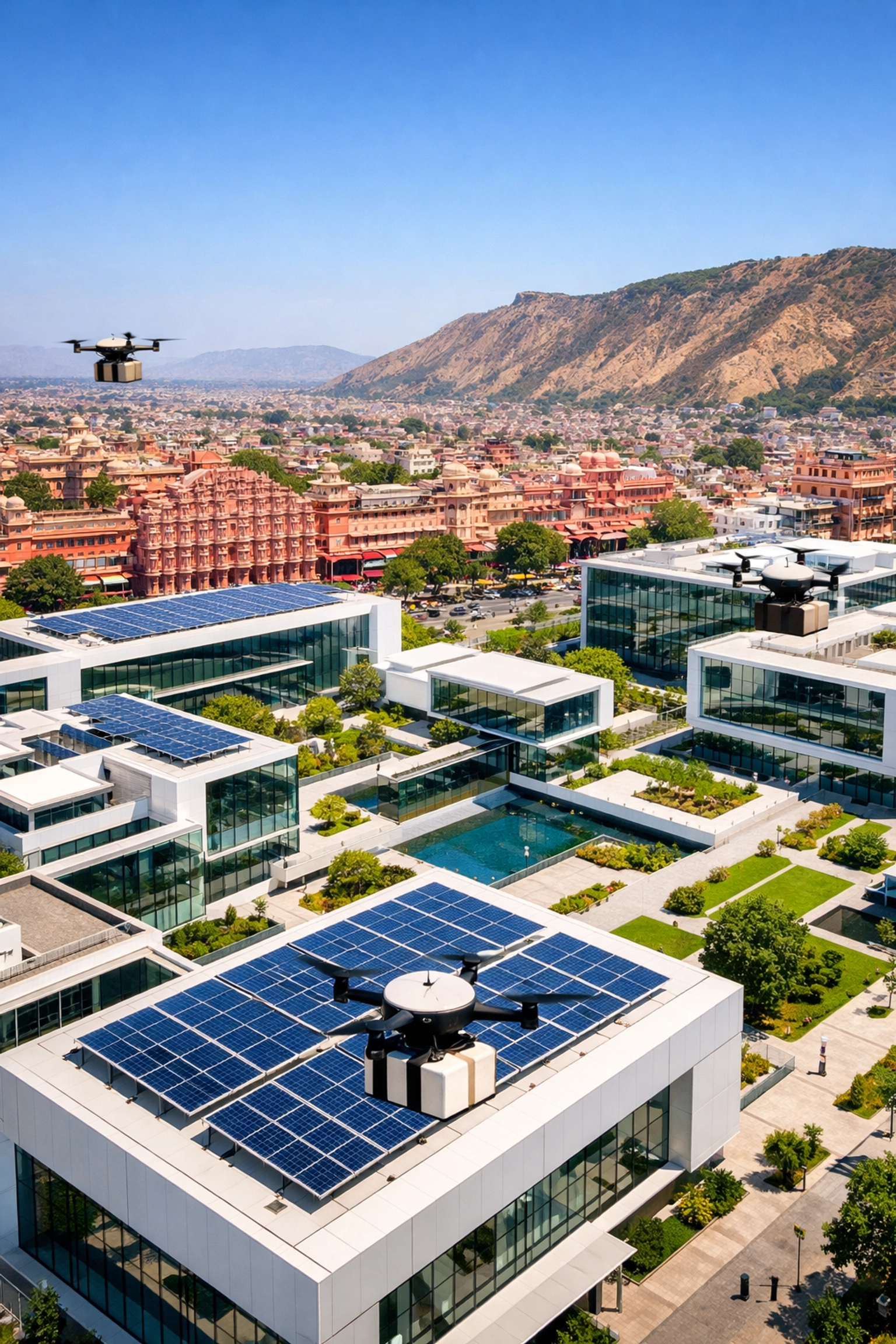
India is moving past the "copy-paste" era. We are no longer just building the "Uber of India" or the "Amazon of India." Today’s founders are tackling deep-tech challenges in artificial intelligence, biotechnology, and space exploration. With commitments of over $200 billion in AI investment, India is positioning itself to be one of the top three AI superpowers globally by the end of the decade.
The sheer volume of data generated by 1.4 billion people provides the perfect training ground for AI models. From predictive healthcare for rural populations to AI-driven agricultural insights, Indian startups are creating "low-cost, high-impact" technology that can be exported to the rest of the Global South. This is where the true "superpower" status is cemented: not just by consuming tech, but by exporting it.
Challenges to the Throne: Navigating 2026 Volatility
No ascent is without its hurdles. To maintain this "Superpower" trajectory, India must continue to refine its regulatory frameworks, especially concerning data privacy and intellectual property. The "funding winter" of previous years taught founders the importance of "unit economics" over "growth at all costs."
However, these challenges have only served to make the ecosystem more resilient. The startups surviving and thriving in 2026 are leaner, meaner, and more profitable than ever before. Investors are now looking for "Camels": startups that can survive long periods without water (funding): rather than just "Unicorns." For the latest updates on these market corrections, keep an eye on our home-news section.

Conclusion: The Dawn of the Indian Century
India’s journey to becoming a startup superpower is not an accident of history. It is the result of a perfect storm: world-class digital infrastructure, a massive youthful demographic, a surge in global and domestic capital, and a government that has finally gotten out of the way.
As indian stock market news continues to reflect the growing maturity of the tech sector, and startup news india highlights groundbreaking innovations in deep tech, the message to the world is clear: The center of gravity has shifted. India is not just a market; it is the laboratory of the future.
The "Indian Century" has begun, and at the heart of it is a young founder with a laptop, a UPI ID, and a dream to change the world. If you want to be part of this revolution, stay tuned to Business Tantra for daily insights into the pulse of the world's most exciting economy.
Ready to dive deeper into the world of Indian business? Register today for exclusive reports and expert analysis on the startups that are rewriting the rules of the game.