


























The technological landscape of South Korea is currently witnessing a historic standoff as the Samsung union strike moves from a looming threat to a definitive operational reality. Despite eleventh-hour attempts by management to revitalize stalled negotiations with an "unconditional talks" offer, the National Samsung Electronics Union (NSEU) has reaffirmed its commitment to a large-scale industrial action. This decision has sent ripples through the global financial markets, manifesting in a significant slide in Samsung Electronics’ share price as investors grapple with the potential for a prolonged disruption in the semiconductor and consumer electronics supply chains.
The escalating friction serves as a catalyst for change in how South Korean conglomerates manage labor relations in an era of high inflation and intense regional competition. As the market reaches a crossroads, the focus remains on whether the tech giant can maintain its "mission" of global dominance while navigating domestic labor unrest.
The Breakdown of Diplomacy: Why Negotiations Faltered
The current impasse is not a sudden eruption but the culmination of months of friction regarding the 2026 wage and collective agreement. Negotiations, which were initially conceptualized as a platform for collaborative growth, broke down as early as February. Despite government-mediated interventions in mid-May, the joint bargaining group: representing over 43,000 to 50,000 workers: rejected the management's latest proposal.
Management’s offer included a performance bonus pool utilizing more than 10% of operating profit and a willingness to exceed the traditional 50% of annual salary bonus cap under specific high-performance conditions. However, the union remains resolute, demanding the permanent abolition of the bonus cap and structural parity with rivals like SK Hynix. To the union, the current offers are seen as temporary fixes rather than the transformative solutions required to protect worker interests long-term.

Market Reaction: Shares Slide Amid Samsung Union Strike Fears
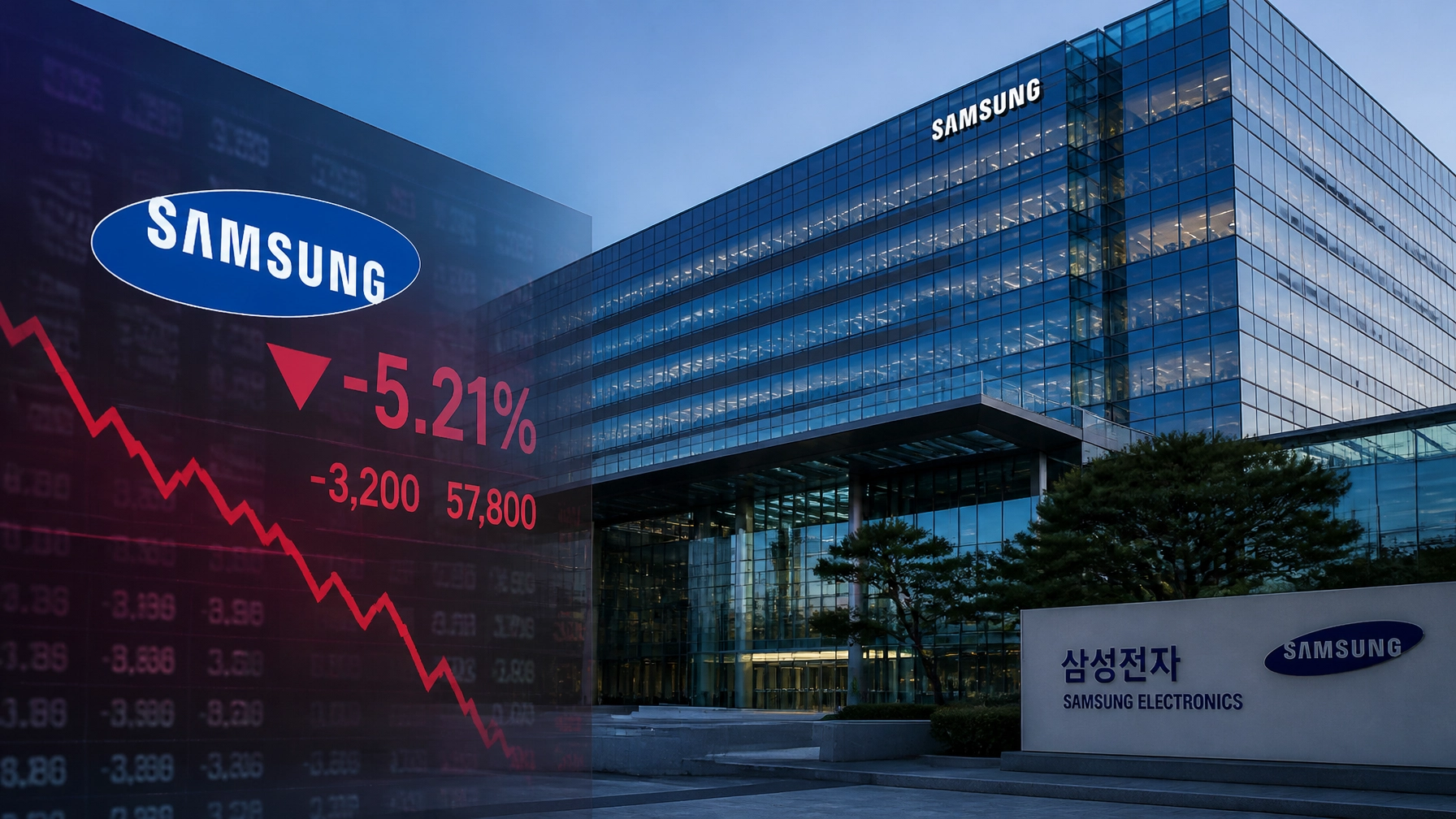
The financial markets reacted with immediate volatility following the union's announcement. Samsung Electronics’ shares saw an intraday decline of approximately 5.9%, a sharp contrast to the exponential growth the stock had experienced in previous quarters driven by the AI-led chip boom. The primary concern among institutional investors is the erosion of delivery reliability.
In a sector where timing is everything, even a minor disruption in the production of high-bandwidth memory (HBM) chips could lead to a massive shift in market share toward global competitors. For business professionals and investors, the "value proposition" of Samsung is currently being tested by its internal stability. This market sensitivity highlights the broader importance of effective business management, where labor stability is as critical as technological innovation.

Financial Projections: Assessing the Potential Damage
The "legitimate purpose" of the strike, from the union's perspective, is to ensure equitable profit sharing, but the cost of this pursuit is staggering. Analysts at major firms, including JPMorgan, have begun modeling the potential fallout of the 18-day general strike scheduled to begin on May 21.
Preliminary data-driven insights suggest a potential hit to operating profit ranging from 21 to 31 trillion won. Sales losses are estimated to hover around 4.5 trillion won if the production lines for memory and finished goods are significantly hampered. This financial pressure is compounded by the fact that inflationary pressures have already squeezed margins across the tech sector.
- Potential Operating Profit Impact: 21–31 Trillion Won
- Estimated Sales Loss: 4.5 Trillion Won
- Daily Production Loss (Estimated): Hundreds of billions of won per day of total work stoppage.
The Global Ripple Effect: Why This Matters Beyond Seoul
Samsung is not just a South Korean powerhouse; it is the backbone of the global electronic communications network and hardware supply chain. A sustained Samsung union strike poses a significant threat to global smartphone manufacturers, server providers, and the burgeoning AI industry.
If production is "democratized" by default as rivals pick up the slack, Samsung risks losing its hard-won "market mover" status. Management, including semiconductor chief Jun Young-hyun, has issued internal warnings that the strike could damage the company's future competitiveness at a time when the gap between leaders and followers in the chip race is narrower than ever.

For international stakeholders, the situation is a case study in corporate resilience. The ability of a company to satisfy its workforce while maintaining a lean, competitive operational model is the ultimate test of 21st-century leadership. While the government of South Korea has urged both sides to avoid a strike to protect national exports, the union’s stance indicates a shift toward a more aggressive, Western-style labor advocacy.
Strategic Implications for Investors
For those monitoring the tech landscape, the current share price dip might represent a buying opportunity, but only for those with a high risk tolerance. The short-term uncertainty is undeniable. If the strike proceeds on May 21 without a resolution, the market could see further downward pressure. However, if a compromise is reached mid-strike, the "revitalized" sentiment could lead to a swift recovery.
The core issue remains the bonus structure. By comparing themselves to SK Hynix, Samsung workers are signaling that they no longer accept the "Samsung discount" in their paychecks. Management must decide if maintaining the bonus cap is worth the potential tens of trillions in lost revenue and the damage to their global reputation.

Conclusion
The deadlock between Samsung and its largest labor union represents more than just a dispute over bonuses; it is a battle over the future identity of South Korea's most valuable company. As the Samsung union strike looms, the "mission" of the company to lead the world in semiconductor innovation is being challenged by the fundamental needs of its workforce.
The unconditional talks offered by management demonstrate a realization of the gravity of the situation, yet the union's refusal to back down until structural changes are made suggests that the era of passive labor relations at Samsung is over. For the economy, the market, and the global tech supply chain, the coming weeks will be a definitive period that determines whether Samsung can remain an unstoppable force or if internal discord will allow rivals to seize the lead.
Investors and industry observers must remain vigilant, as the resolution of this conflict will set a precedent for labor negotiations across the entire Asian tech corridor. 🚀🏡💰