
























Why Everyone Is Talking About Hark’s $700M AI Interface (And You Should Too)

The global technology landscape is currently witnessing a seismic shift, and at the epicenter of this transformation is a relatively new player named Hark. When a startup manages to secure a staggering $700 million Series A funding round at a $6 billion valuation before even releasing a public product, the industry doesn't just watch: it recalibrates. The buzz surrounding the Hark AI interface is not merely hype; it represents a fundamental pivot in how humans will interact with machines in the coming decade.
Founded by Brett Adcock: the visionary behind Figure AI and Archer: Hark is positioning itself as the "universal interface" for the digital age. But what does that actually mean for the future of business, and why should entrepreneurs and investors in India and beyond pay close attention?
1. The Genesis of a Universal AI Interface
For decades, our interaction with technology has been fragmented. We jump between apps, toggle between tabs, and navigate complex menus to execute simple tasks. The Hark AI interface aims to dismantle these silos by introducing a layer of advanced personalized intelligence that sits on top of our entire digital ecosystem.
Unlike traditional chatbots that merely respond to prompts, Hark is building what many describe as a Large Action Model (LAM). This system doesn't just talk; it acts. Whether it is booking a flight, managing a complex supply chain schedule, or summarizing hours of video meetings, the goal is a seamless, multimodal experience powered by speech, vision, and long-term memory.
For leaders looking into why business management for startups is essential for growth, the integration of such "agentic" systems could be the ultimate catalyst for change, automating administrative burdens and allowing founders to focus on high-level strategy.

2. The Chipmaker Quartet: A Strategic Masterstroke
Perhaps the most significant signal of Hark’s potential is its investor list. In a rare and historic alignment, the four titans of the semiconductor world: NVIDIA, AMD, Intel, and Qualcomm: have all joined the $700 million round.
This "Chipmaker Quartet" suggests that the Hark AI interface is not just a software play; it is a hardware-software co-design mission. By securing backing from the very companies that manufacture the silicon powering the AI revolution, Hark is ensuring its multimodal models are optimized at the most fundamental level.
This level of institutional confidence is a lesson from successful entrepreneurs on how to build a moat around a business model before the first version even hits the market.
3. Beyond the Screen: Hardware-Native Intelligence
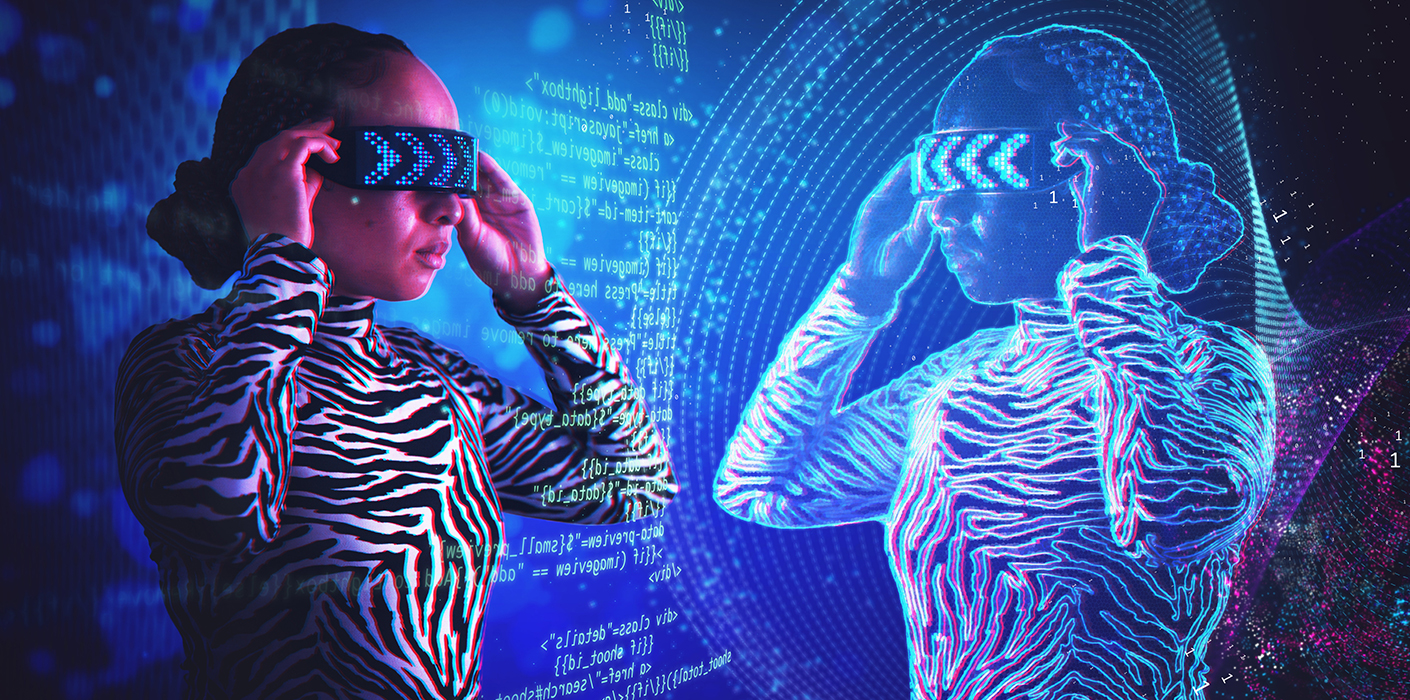
While many AI companies are content living inside a browser or an app, Hark is taking a more ambitious route by developing native hardware devices. These purpose-built tools are designed to be the physical manifestation of the Hark AI interface, providing a tactile and omnipresent assistant that understands context in the physical world as well as the digital one.
As we have seen with Indian startups showcasing innovations at global expos, the fusion of hardware and AI is the next frontier of the "Make in India" and "Design for the World" ethos. Hark’s approach could democratize high-level personal assistance, making it available to anyone with a specialized device rather than just those with the technical savvy to string together various API integrations.

4. Why This Matters for the Indian Ecosystem
The rise of the Hark AI interface serves as a vital case study for the Indian startup ecosystem. As India moves toward becoming a global AI hub, the Hark story highlights several key trends:
- Exponential Growth Expectations: The $6 billion valuation for a pre-product company underscores that "value proposition" in AI is currently tied to vision, team, and infrastructure potential.
- Data-Driven Insights as Currency: Hark’s focus on "memory" means the AI will learn and adapt to individual user behavior, creating a highly personalized and "revitalized" user experience.
- The Shift to Agentic Workflows: We are moving away from "AI as a tool" toward "AI as a teammate." This shift will redefine workforce productivity in sectors ranging from IT services to manufacturing.
5. Navigating the Risks: The High-Stakes Bet
Of course, a $700 million bet is not without its legitimate purpose for skepticism. History is littered with well-funded startups that failed to cross the chasm from prototype to product. Hark has promised to release its first multimodal models this summer, followed by hardware. The industry is watching to see if the actual performance of the Hark AI interface can live up to the astronomical expectations set by its valuation.
Critics often point to the "electronic communications network" fatigue: the idea that users may not want yet another device or interface to manage. Hark’s challenge will be to prove that it simplifies rather than complicates the user’s life.

Conclusion
The emergence of the Hark AI interface marks a definitive moment in the trajectory of artificial intelligence. By combining massive capital, unprecedented hardware partnerships, and a vision of a "universal" assistant, Hark is attempting to do for AI what the iPhone did for mobile computing: provide a singular, intuitive point of entry for a complex world of technology.
For entrepreneurs, investors, and business enthusiasts, the lesson is clear: the future belongs to those who can bridge the gap between abstract intelligence and concrete application. Whether Hark becomes the dominant player or serves as the precursor to a broader movement, it has undeniably set a new benchmark for what a modern AI powerhouse looks like.
As reported by BusinessWire and analyzed by TechCrunch, this is more than just a funding announcement: it is a glimpse into the next phase of our digital evolution. Stay tuned to Business Tantra as we continue to track how these global shifts impact the Indian business landscape.