



















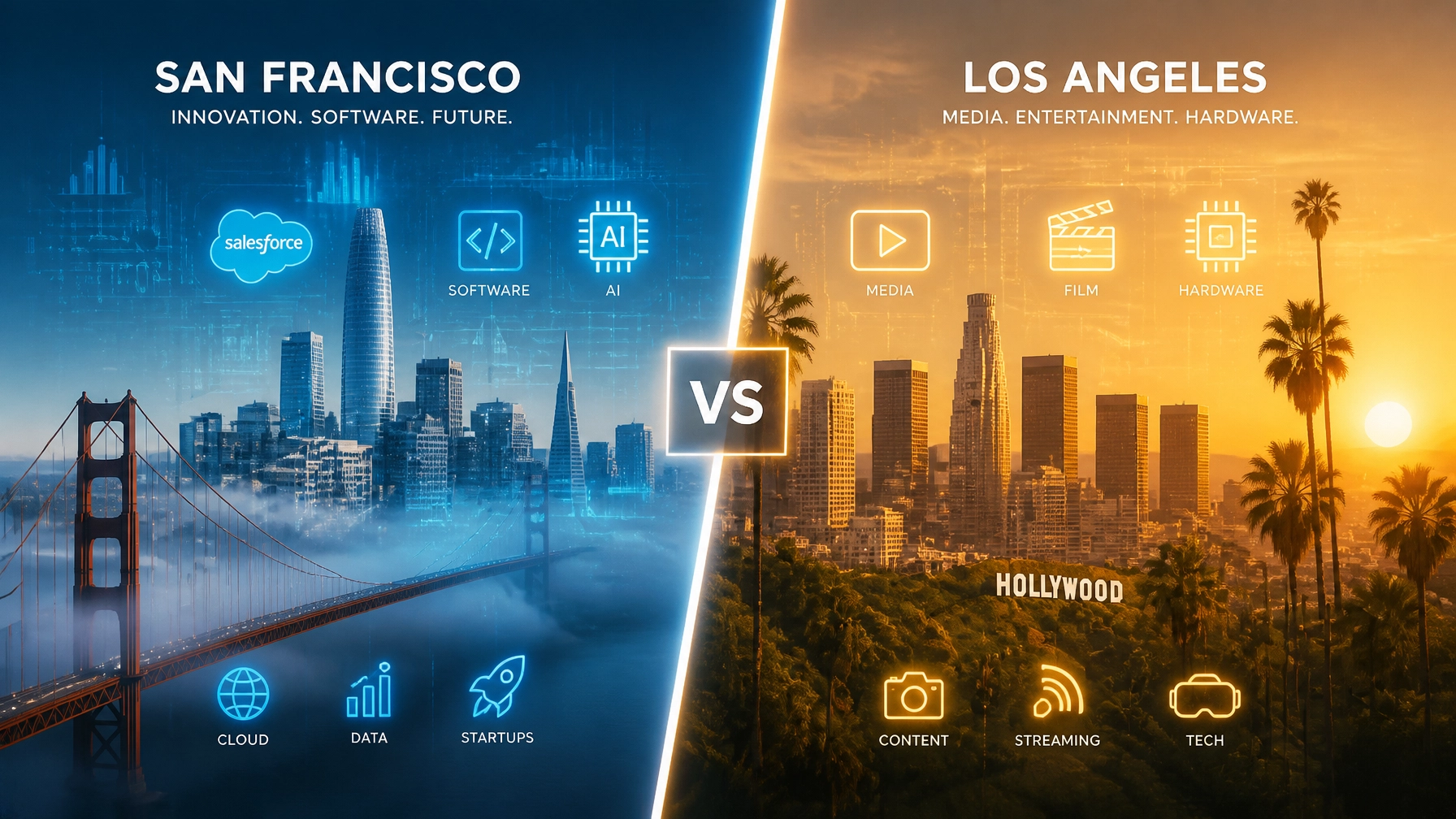
San Francisco Vs Los Angeles: Which Is Better For Your Next Startup?

As we navigate the fiscal landscape of 2026, the question of geographic positioning remains a pivotal strategic decision for any emerging enterprise. For decades, the "Silicon Valley" archetype reigned supreme, but a new era of decentralization and industry-specific clustering has forced founders to re-evaluate their headquarters. When weighing San Francisco vs Los Angeles for startups, the choice is no longer just about where the most capital resides: it is about where your specific "mission" and "value proposition" can achieve exponential growth.
While the Bay Area continues to be a global catalyst for change in deep technology, the "Silicon Beach" of Southern California has revitalized the consumer and media sectors, creating a legitimate purpose for founders to look south. In this comprehensive analysis, we dissect the data-driven insights behind these two titans to help you determine the optimal environment for your next venture.
The San Francisco vs Los Angeles for Startups Debate in 2026
The global startup ecosystem has undergone a significant transformation. According to recent data from StartupBlink, San Francisco remains the top-ranked startup city in the world, hosting over 15,000 active startups. However, Los Angeles has surged to the #4 spot globally, its highest position to date.
For an entrepreneur, this rivalry is less about "better" or "worse" and more about "fit." Just as Indian startups are showcasing innovation globally, American hubs are specializing. If your startup relies on the most advanced electronic communications network and frontier AI research, SF is your home. If your model seeks to democratize content creation or revolutionize physical retail, LA may offer a superior ecosystem.
San Francisco: The Unrivaled Fortress of AI and Deep Tech

San Francisco in 2026 is essentially an "AI laboratory city." The concentration of intelligence here is unprecedented. The city has become the primary destination for "frontier tech": the infrastructure, foundational models, and developer tools that power the modern world.
1. The Density of Technical Brilliance
In San Francisco, the person sitting next to you at a coffee shop is likely a machine learning engineer or a founder who has just secured a series B. This density creates a unique feedback loop. When you are building high-complexity software, proximity to the world’s leading researchers at firms like OpenAI, Anthropic, and various Google offshoots is an invaluable asset.
2. Enterprise Sales and B2B SaaS
If your startup sells to other tech companies, SF is the epicenter. Most global tech giants maintain a heavy presence here, making it easier to secure "design partners" and early enterprise pilots. The professional network in the Bay Area is geared toward scaling B2B solutions with surgical precision.
Los Angeles: The Rise of Silicon Beach and Consumer Mastery

While SF builds the "engines" of the digital age, Los Angeles builds the "experience." Silicon Beach, stretching from Santa Monica to Venice and beyond, has become the world leader in combining technology with lifestyle, media, and commerce.
3. Media, Entertainment, and the Creator Economy
The synergy between Hollywood and Silicon Beach is now seamless. For startups in gaming, social media, or AI-driven content creation, LA provides immediate access to the world’s best storytellers and influencers. This "creative-tech" intersection is something the Bay Area has historically struggled to replicate.
4. Hardware, IoT, and Aerospace
LA is a powerhouse for "atoms," not just "bits." With a long history in aerospace and manufacturing, the region is a magnet for hardware startups and mobility companies. If your product involves physical logistics, transportation, or robotics meant for the consumer market, the local talent pool and testing environments in Southern California are superior.
Comparing the Talent Matrix: Engineering vs. Creativity
When analyzing San Francisco vs Los Angeles for startups, the talent acquisition strategy is a decisive factor.
- San Francisco Talent: Dominated by backend engineers, systems architects, and data scientists. The labor market is highly competitive and expensive, but it offers the highest "technical ceiling" in the world.
- Los Angeles Talent: A diverse blend of full-stack developers, UI/UX designers, creative directors, and marketing maestros. LA talent is often more "multi-disciplinary," which is essential for consumer-facing brands that need to win on aesthetics and brand narrative as much as code.
Understanding this distinction is vital because effective business management is essential for growth. Hiring the wrong "type" of talent for your specific industry can lead to a fatal lack of product-market fit.
The Venture Capital Equation: Funding Dynamics in 2026

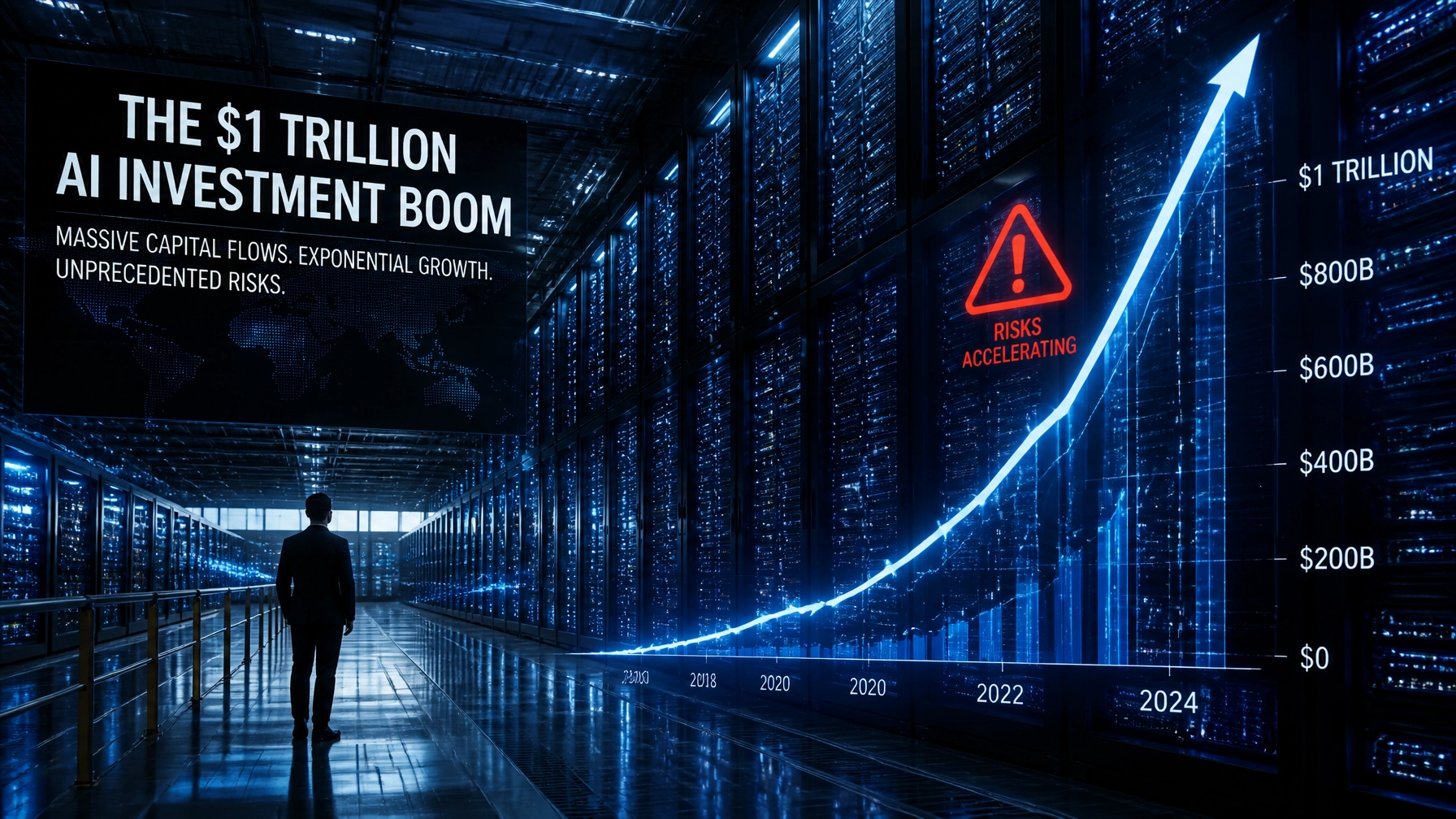
Venture capital trends in 2026 show a massive concentration of wealth in specific sectors. Crunchbase reports that while total funding is rising, a handful of "mega-rounds" in AI and deep tech are absorbing a large percentage of the capital: most of which flows into the Bay Area.
Funding in San Francisco
If you are raising a $100M+ growth round for a frontier AI project, being in SF is almost a prerequisite. The late-stage VCs and specialized deep-tech investors are physically clustered in neighborhoods like South of Market (SoMa) and Hayes Valley. The proximity allows for "serendipitous" encounters that often lead to term sheets.
Funding in Los Angeles
LA has matured into a top-tier VC market, ranking consistently in the top four in the U.S. It is no longer necessary to fly to SF to get funded. LA-based firms like Upfront Ventures and Greycroft are aggressive in the consumer, gaming, and health-tech spaces. For seed and Series A rounds, the LA ecosystem is robust, though it lacks the sheer volume of "mega-fund" headquarters found in the north.
Operational Burn and Lifestyle: The Cost of Innovation
The economic reality of the 2026 market is that "burn rate" matters more than ever.
- San Francisco: Remains one of the most expensive places on Earth to operate. High commercial rents and astronomical housing costs translate directly into higher salary requirements. A $2M seed round simply does not last as long in SF as it did five years ago.
- Los Angeles: While certainly not "cheap," LA offers a slightly more favorable cost-to-quality ratio. Housing is more varied, and office spaces in emerging hubs like Culver City or Long Beach provide better value for early-stage teams.
For many founders, the lifestyle choice is also a factor. The high-intensity, 24/7 "grind" culture of SF is a stark contrast to the more balanced, outdoorsy, and creative-focused vibe of LA. Retaining talent in 2026 often requires providing a lifestyle that prevents burnout, a metric where LA frequently scores higher.
Conclusion
The definitive choice between San Francisco vs Los Angeles for startups depends entirely on the DNA of your company. San Francisco is the undisputed capital for those building the future of computation, artificial intelligence, and enterprise infrastructure. It is a city designed for those who seek the highest stakes and the most complex technical challenges.
Conversely, Los Angeles is the premier destination for founders who want to define how the world consumes, plays, and interacts with technology. It is a hub for the "creator-entrepreneur" and those building hardware that interacts with the physical world.
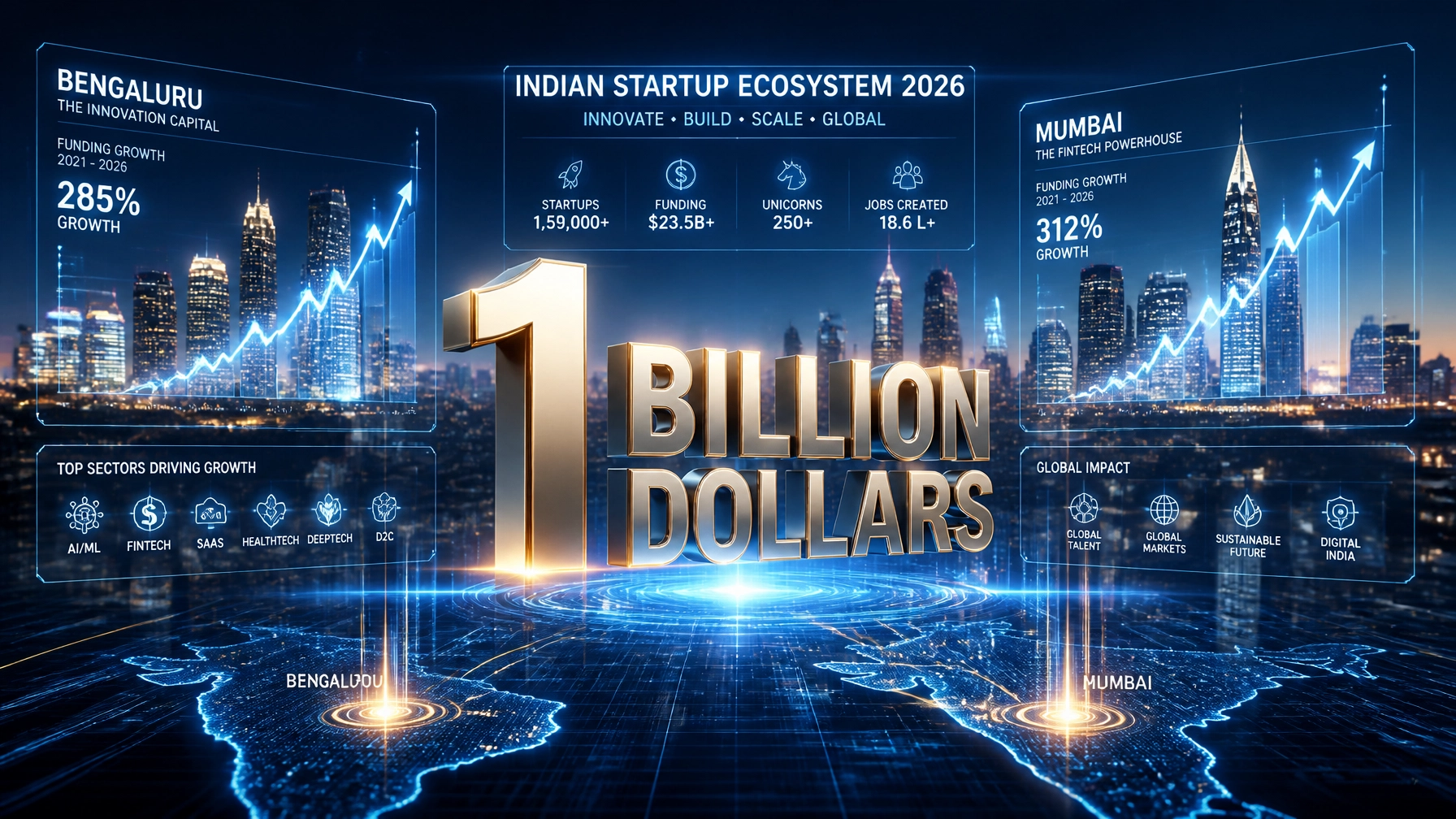
As we see in the startup flood occurring in India, the most successful companies are those that leverage their environment to amplify their core strengths. Whether you choose the fog-laden streets of SF or the sun-drenched offices of LA, ensure your choice aligns with your long-term mission. Both cities offer the tools for global disruption; the rest is up to your execution.