























Meta’s AI Overhaul: 10 Things You Should Know About the 8,000 Layoffs

The landscape of Silicon Valley is undergoing a seismic shift as the industry’s titans pivot from the experimental "Year of Efficiency" to a era of radical AI-first consolidation. At the center of this transformation is Meta Platforms Inc., which recently announced a comprehensive Meta AI overhaul that includes the reduction of approximately 8,000 roles globally. This strategic maneuver is not merely a cost-cutting exercise but a fundamental re-engineering of the company’s DNA to maintain its competitive edge against rising AI powerhouses like OpenAI and Google.
For business professionals, investors, and entrepreneurs in India and abroad, understanding the mechanics of this restructuring is critical. It signals a broader industry trend where human capital is being aggressively reallocated toward high-compute, AI-native infrastructure.
Here are the 10 critical things you should know about Meta’s latest restructuring and what it means for the future of the digital economy.
1. The Global Scale of the 8,000 Layoffs
While the headline number is 8,000, the impact is felt across every major tech hub. From Menlo Park to Dublin and Singapore, Meta has begun notifying employees via early-morning communications. Unlike previous rounds that targeted "middle management," this wave is specifically designed to streamline the company’s engineering and product departments. Reports indicate that even high-performing teams have seen reductions as the company seeks a leaner, more agile operating model.
2. A Massive $145 Billion AI Infrastructure Bet
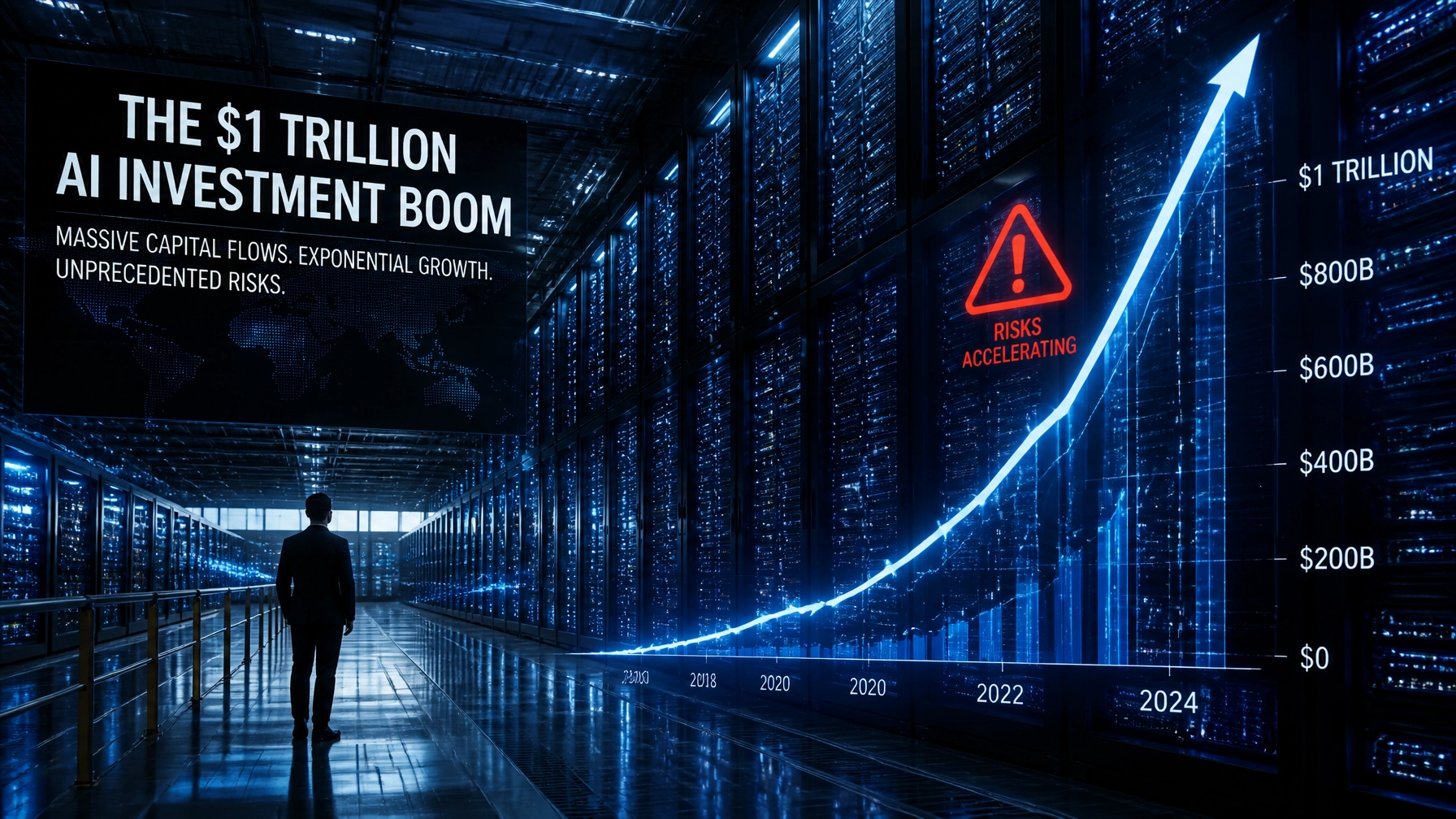
The most striking aspect of the Meta AI overhaul is the financial contrast. While the layoffs are expected to save the company roughly $3 billion in annual overhead, Meta has simultaneously raised its capital expenditure guidance to a staggering $125 billion to $145 billion for the fiscal year. The message is clear: the capital saved from personnel is being funneled directly into massive H100 GPU clusters and the development of custom silicon.

3. The Emergence of "AI-Native" Teams
Meta isn't just cutting staff; it is re-platforming its entire workforce. Alongside the 8,000 layoffs, approximately 7,000 existing employees are being reassigned to newly formed "AI-native" pods. These cohorts are tasked with integrating generative AI into every facet of the Meta ecosystem: from Instagram’s recommendation engines to WhatsApp’s business messaging tools. This shift suggests that for the modern tech professional, AI literacy is no longer an optional skill but a prerequisite for job security.
4. Flattening the Organization for Speed
CEO Mark Zuckerberg has long been a proponent of a "flatter" organizational structure. This latest overhaul continues that mission by removing multiple layers of management. By reducing the number of "managers managing managers," Meta aims to democratize decision-making and accelerate the deployment of new features. In an era where AI development moves at an exponential growth rate, traditional corporate bureaucracy is increasingly viewed as a liability.
5. Prioritizing AI Agents Over Social Media Traditionalism
The strategic roadmap has shifted. While Facebook and Instagram remain the company's "cash cows," the primary focus of the Meta AI overhaul is the development of autonomous AI agents. These agents are envisioned as the primary interface for billions of users, handling everything from customer service for MSMEs to personalized content creation. This represents a pivot from social networking to a utility-based AI ecosystem.

6. The Impact on India’s Tech Ecosystem
As a major hub for Meta’s global operations, the Indian tech corridor is closely watching these developments. The shift toward AI-native roles will likely influence the hiring trends within Indian startups and IT services firms. Entrepreneurs who align their business models with Meta’s new AI-centric infrastructure: such as building on the Llama open-source models: may find themselves with a "catalyst for change" in their own growth trajectories. For more on how global shifts affect local markets, check out our analysis on India's power networks.
7. Morale and the Cultural Shift
The "work-from-home" notification on the day of the layoffs has sparked significant debate regarding corporate culture in the AI era. Inside Meta, reports of lower morale have surfaced as the "Year of Efficiency" transforms into a permanent state of restructuring. This highlights a growing tension in the tech industry: how to maintain a revitalized culture while undergoing continuous, data-driven workforce adjustments.
8. Strategic Realignment: Metaverse to AI
While the "Meta" name remains a nod to the metaverse, it is undeniable that AI has taken center stage. The company is now positioning its Quest headsets and Ray-Ban smart glasses primarily as hardware for AI-driven "augmented reality" rather than purely immersive virtual worlds. This indicates a more pragmatic approach to the metaverse, where AI serves as the bridge between the digital and physical realms.

9. Leveraging AI for Internal Productivity
Meta is not just selling AI; it is using it. A significant portion of the overhaul involves the deployment of internal AI coding assistants and automated testing tools. By automating routine engineering tasks, Meta hopes to maintain the same level of productivity with 8,000 fewer people. This "legitimate purpose" for AI adoption is becoming a blueprint for other Fortune 500 companies looking to optimize their operations.
10. The Regulatory and Ethical Landscape
With such a massive consolidation of AI power, Meta faces increasing scrutiny from global regulators. The way the company handles data-driven insights and privacy within its new AI models will be a defining factor in its long-term success. Organizations like the Electronic Frontier Foundation and various governmental bodies are closely monitoring how these powerful AI agents will interact with the public.

Conclusion
The Meta AI overhaul is a definitive signal that the era of "growth at all costs" has been replaced by an era of "intelligence at any scale." By sacrificing 8,000 roles to fund a $145 billion AI future, Meta is betting that the efficiency gains of artificial intelligence will far outweigh the loss of traditional human capital.
For the broader business community, the message is clear: the "mission" has changed. Whether you are a startup founder or a corporate executive, the shift toward AI-native operations is no longer a future prediction: it is a current operational reality. As we navigate this transformation, staying informed through platforms like Business Tantra is essential for those who wish to remain competitive in an increasingly automated world.