






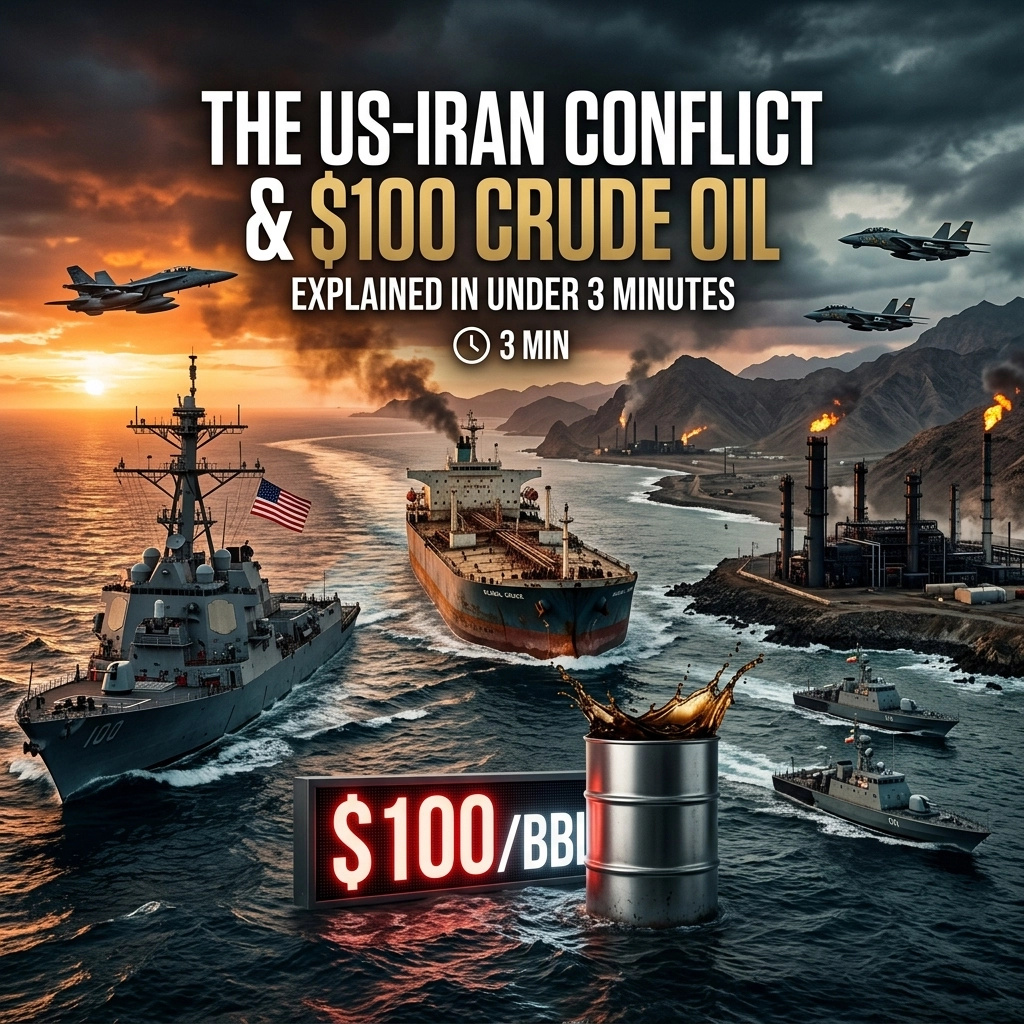
















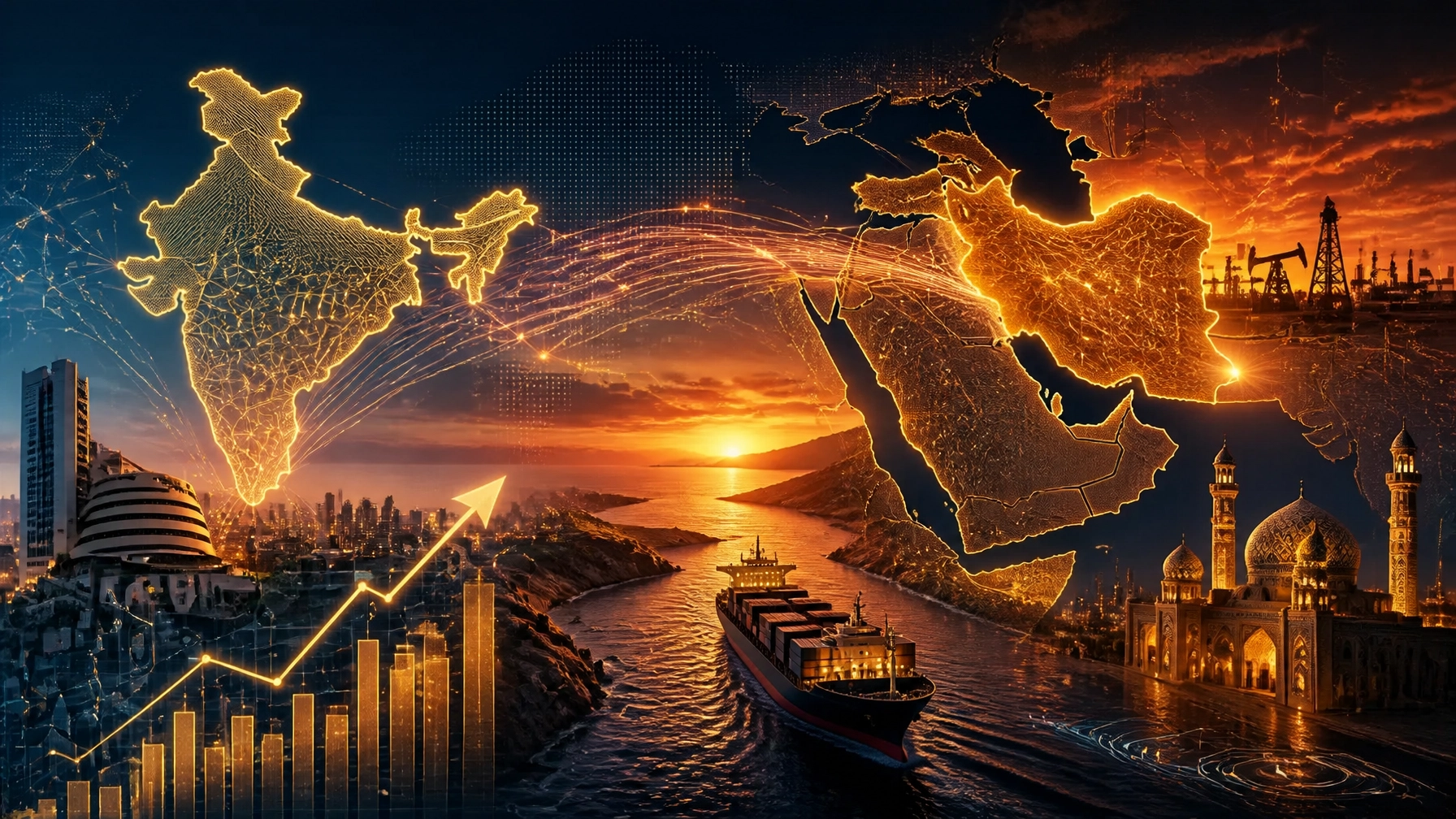

The geopolitical landscape of 2026 has been fundamentally altered by the escalation of regional hostilities in West Asia. As the conflict involving Iran continues to oscillate between low-intensity skirmishes and high-stakes kinetic engagements, the global community has watched with bated breath. For a rapidly expanding economy like ours, the central question remains: How India is Fighting against the Iran War impact to ensure its economic trajectory remains uninterrupted?
India’s response has not been one of military intervention, but rather a sophisticated, multi-front campaign of diplomatic maneuvering, energy diversification, and maritime security. At Business Tantra, we analyze the strategic "mission" of the Indian government to democratize energy access for its citizens while navigating the treacherous waters of international sanctions and regional volatility.
The Diplomatic Shield: Strategic Autonomy in Action
India’s primary weapon in this conflict has been its steadfast commitment to "strategic autonomy." Unlike many global powers that have been forced into binary alliances, New Delhi has maintained a professional distance that serves as a catalyst for change in how middle powers handle regional wars.
The Ministry of External Affairs has been proactive, urging all stakeholders: including Tehran, Tel Aviv, and Washington: to return to the path of "dialogue and diplomacy." This is not merely a passive stance; it is a calculated diplomatic shield. By positioning itself as a neutral arbiter, India ensures that its voice remains influential in both the halls of the United Nations and the secretariats of the BRICS+ and G20.

For Indian business professionals and investors, this neutrality is vital. It prevents the sudden "revitalization" of sanctions from crippling bilateral trade entirely and protects the roughly 9 million Indian nationals working in the Gulf. The safety of this diaspora is a "legitimate purpose" for India's diplomatic engagement, as their remittances remain a cornerstone of our foreign exchange stability.
Economic Resilience: Safeguarding India’s Energy Security
The most significant battleground in the How India is Fighting against the Iran War narrative is energy. With India importing nearly 85% of its crude oil, any disruption in the Strait of Hormuz is a direct threat to domestic inflation and industrial productivity.
Since the onset of the crisis in early 2026, the Indian government has implemented a "value proposition" focused on three pillars:
- Supply Chain Diversification: India has aggressively shifted its procurement away from volatile zones. By increasing off-take from Russia, Latin America, and the United States, New Delhi has cushioned the blow of rising Brent crude prices.
- Strategic Petroleum Reserves (SPR): The government has utilized its underground storage facilities to stabilize prices during peak volatility, acting as a buffer against speculative market spikes.
- Monetary Policy Alignment: The Reserve Bank of India (RBI) has worked in tandem with the finance ministry to manage the "data-driven insights" regarding oil-led inflation, ensuring the Rupee remains resilient against a surging US Dollar.

Protecting the 'Lifeblood': Maritime Insurance and Shipping
The Strait of Hormuz is the "electronic communications network" of global trade, and its closure would be catastrophic. India has deployed naval assets to provide a "security umbrella" for Indian-flagged merchant vessels. This maritime strategy is essential for protecting our latest stories in economics and trade.
The rise in maritime insurance premiums and freight costs has been a significant hurdle for Indian MSMEs. To combat this, the government has explored sovereign insurance guarantees and encouraged shipping lines to utilize the International North-South Transport Corridor (INSTC) as a viable alternative. This shift is not just a temporary fix; it is a move toward a more "exponential growth" model for Indian logistics that bypasses traditional choke points.
The Chabahar Factor: Defending Strategic Assets
One cannot discuss India’s role in the region without mentioning the Chabahar Port. Despite the ongoing conflict, India’s investment in this Iranian gateway remains a top priority. Chabahar is more than just a port; it is India’s portal to Central Asia and a direct competitor to the Gwadar Port in Pakistan.

Defending the operationality of Chabahar is how India is fighting against the Iran war’s potential to isolate it from the Eurasian markets. By maintaining a presence there, India ensures that its connectivity projects, which are vital for the long-term "mission" of the Indian export sector, remain viable. Our analytical observers at Business Tantra believe that the resilience shown at Chabahar will eventually be seen as a masterclass in risk management and geopolitical foresight.
Impact on Indian Business: From Volatility to Opportunity
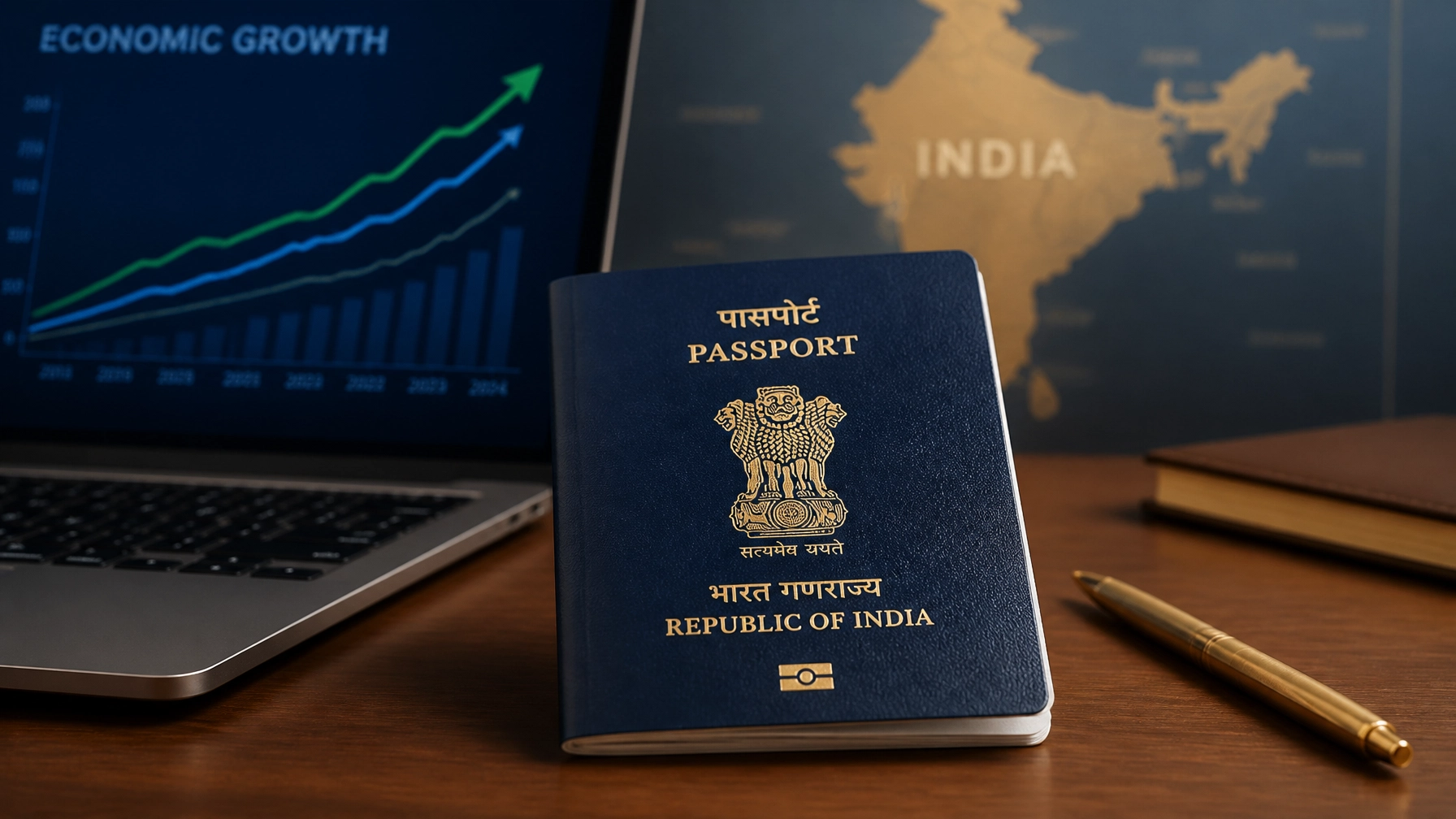
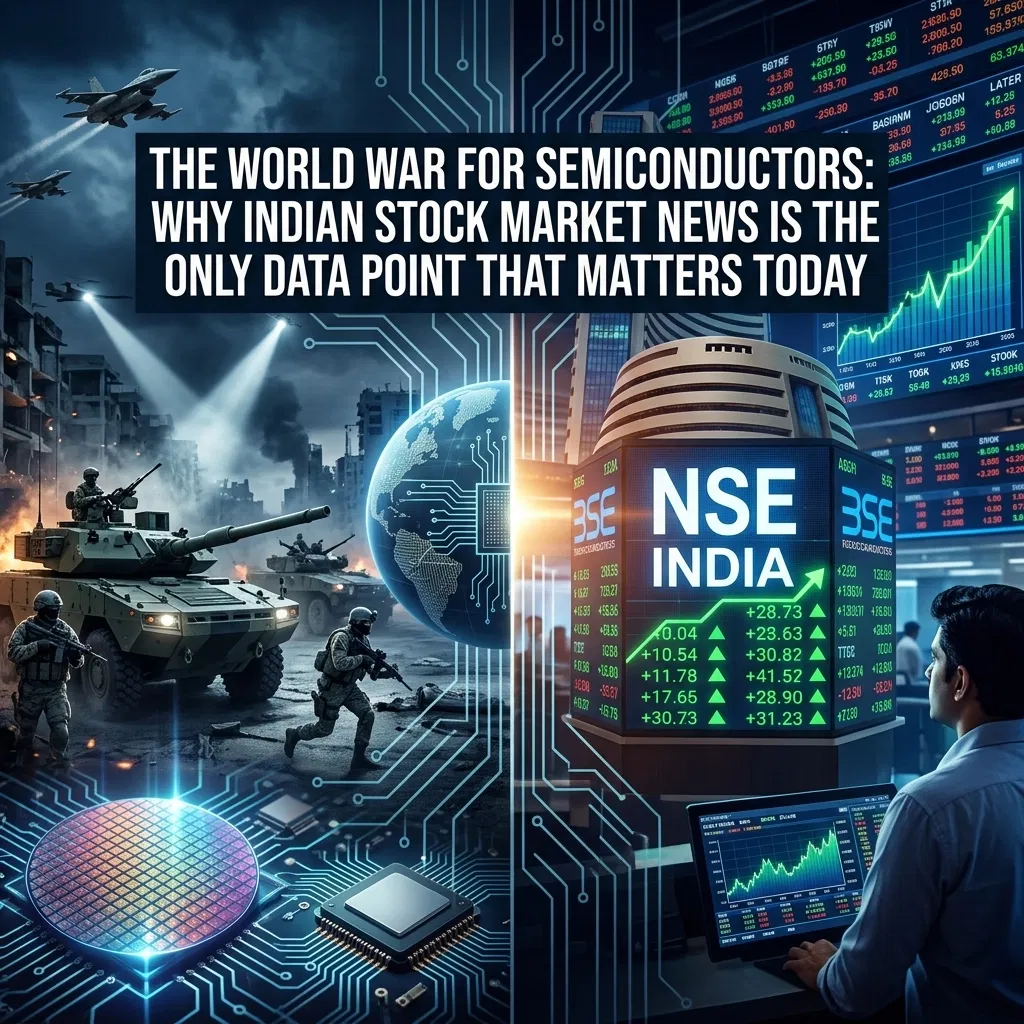
While the war presents challenges, it also offers a unique window for Indian industry to showcase its resilience. The Indian stock market has shown remarkable maturity, with investors looking past the immediate noise and focusing on the underlying GDP growth, which remains robust at over 7%.
Key Sectoral Impacts:
- Pharmaceuticals & Food Security: India has stepped in as a reliable supplier of essential medicines and agricultural products to the broader West Asian region, filling the gap left by disrupted Western supply chains.
- Information Technology: The demand for "data-driven insights" and cybersecurity has skyrocketed as regional companies seek to protect their digital infrastructure from state-sponsored cyber warfare.
- Manufacturing: The "Make in India" initiative has received a boost as global firms look to relocate their manufacturing hubs to more stable environments, further democratizing the global manufacturing base.
Conclusion
In summary, the way How India is Fighting against the Iran War is a testament to its evolution as a "Pole" in the new multipolar world order. By balancing the need for energy security with the principles of strategic autonomy, India is not just surviving the crisis; it is laying the groundwork for a more resilient future.
As we navigate through 2026, the "mission" for Indian entrepreneurs and business leaders is clear: stay informed, stay agile, and leverage the diplomatic and economic frameworks provided by the state. For more deep dives into how global events shape the Indian market, stay tuned to the Business Tantra blog.
The current conflict is undoubtedly a "catalyst for change," but with a proactive strategy and a clear value proposition, the Indian economy is well-positioned to turn these geopolitical headwinds into tailwinds for long-term prosperity.