


























RBI vs. Paytm: Do You Really Need a New Wallet? Here’s the Truth

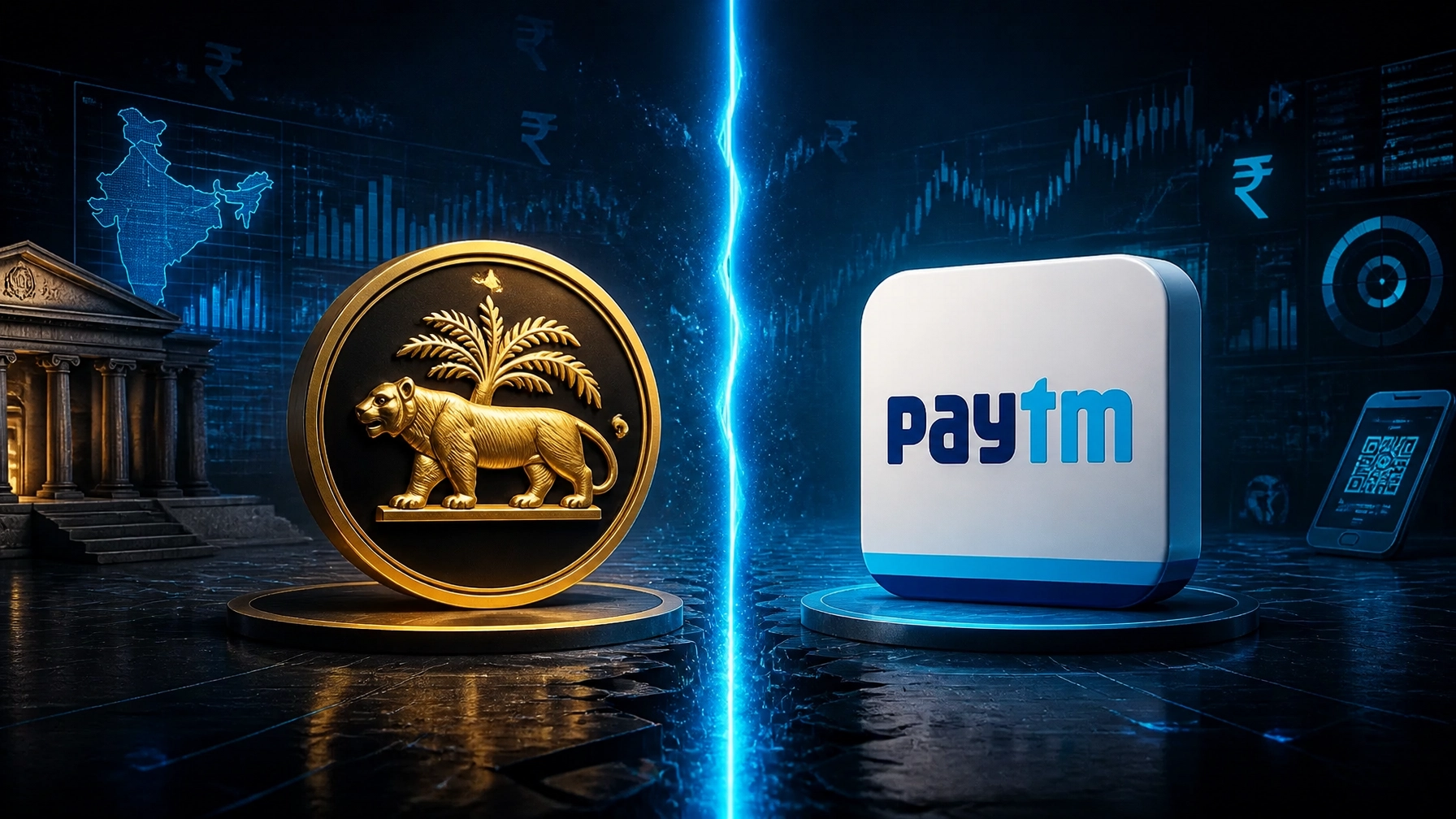
The landscape of Indian digital finance underwent a seismic shift in early 2026, marking a definitive chapter in the ongoing saga of RBI vs. Paytm. For years, Paytm was the undisputed poster child of India’s fintech revolution, democratizing digital payments for millions of street vendors and tech-savvy urbanites alike. However, the regulatory hammer has finally fallen with absolute precision. On April 24, 2026, the Reserve Bank of India (RBI) officially cancelled the banking license of Paytm Payments Bank Ltd (PPBL), citing persistent non-compliance and structural concerns that were deemed detrimental to the public interest.
As the dust settles, a critical question remains for the millions of users who rely on the platform: Do you really need a new wallet? The answer is multifaceted, requiring a deep dive into the regulatory nuances, the operational pivot of One97 Communications, and the available alternatives in a revitalized Indian fintech ecosystem.
The Regulatory Hammer: Why the License was Cancelled
The culmination of the RBI vs. Paytm conflict was not an overnight occurrence but rather the result of a multi-year supervisory intervention. Under Section 22(4) of the Banking Regulation Act, the RBI exercised its authority to terminate PPBL’s banking operations. The central bank's primary grievances centered around systemic failures in KYC (Know Your Customer) compliance, data integrity, and a general character of management that was perceived as prejudicial to depositors.
For an industry that prides itself on "data-driven insights" and "exponential growth," the lack of stringent governance served as a cautionary tale. The RBI's investigation revealed that the affairs of the bank were being conducted in a manner that jeopardized the legitimate purpose of a banking license. Despite repeated warnings dating back to March 2022, when PPBL was first barred from onboarding new customers, the entity failed to remediate its core operational flaws to the regulator's satisfaction.

Paytm’s Pivot: Life Beyond the Payments Bank
It is essential to distinguish between Paytm Payments Bank (the regulated banking entity) and Paytm (the consumer app owned by One97 Communications). While the bank is currently being wound up under court supervision, the Paytm app continues to function as a third-party application provider (TPAP).
By decoupling its core services from its internal payments bank, Paytm has sought to stabilize its value proposition. One97 Communications has transitioned its backend infrastructure to partner with other "scheduled commercial banks" like Axis Bank, HDFC Bank, and YES Bank. This shift ensures that the ubiquitous Paytm QR codes, Soundboxes, and UPI services remain operational for both merchants and consumers. For many, this pivot has been a "catalyst for change," forcing the company to streamline its operations and focus on its role as a payments aggregator rather than a full-stack banking provider.
Those interested in how startups navigate such monumental shifts can explore our analysis on why business management for startups is essential for growth.
Do You Really Need a New Wallet? The Truth Revealed
In the context of RBI vs. Paytm, the "truth" depends heavily on how you utilize the platform. If you were using PPBL as your primary savings account or for storing significant wallet balances, the answer is a resounding yes: you need a transition plan. However, if you use the Paytm app simply as an interface for UPI transactions linked to other banks, your day-to-day experience may remain largely unchanged.
Comparing the Titans: Digital Wallet Alternatives in India
As consumers look to diversify their financial touchpoints, several alternatives have emerged as frontrunners in the race for digital dominance:
- PhonePe: Currently the market leader in UPI transactions, PhonePe offers a robust wallet experience and seamless integration with various financial products, from insurance to wealth management.
- Google Pay (GPay): Leveraging its "electronic communications network" and global tech stack, GPay remains a top choice for users who prefer a minimalist interface and direct bank-to-bank transfers without the need for a separate wallet.
- Amazon Pay: By integrating payments deeply into its e-commerce ecosystem, Amazon Pay provides a compelling reason for frequent shoppers to utilize its wallet for cashbacks and simplified checkouts.
- Traditional Bank Apps: Banks like HDFC (PayZapp), ICICI (iMobile), and SBI (YONO) have significantly upgraded their digital offerings, providing the security of a regulated bank with the convenience of a fintech app.

6 Essential Steps for Consumers to Navigate the RBI vs. Paytm Fallout
For those still entangled with the legacy PPBL infrastructure, taking proactive measures is crucial to ensure financial continuity.
- Empty Your PPBL Wallet and Savings: Transfer any remaining balance from your Paytm Payments Bank account or wallet to an external, verified bank account immediately. The winding-up process, while supervised, can be lengthy.
- Migrate Your UPI ID: If your UPI ID ends in
@paytmand was linked to PPBL, you must create a new ID on an alternative app or link your existing Paytm app to a different bank account. - Update Automated Mandates: Review all your recurring payments, including SIPs, OTT subscriptions, and utility billers. If they are tied to a PPBL debit card or account, update them with your new banking details to avoid service disruptions.
- Replace Your FASTag: Paytm FASTags were among the most popular in India. However, with the bank's license cancelled, these tags will eventually become non-functional. Purchase a new FASTag from providers like ICICI Bank, HDFC, or IDFC First Bank.
- Verify Merchant Settlements: If you are a business owner using a Paytm QR, ensure that your settlements are being directed to a non-PPBL bank account.
- Secure Your Financial Data: As you move between platforms, maintain high standards of digital hygiene. Ensure that your KYC documents are updated only through official, secure channels.
The rise of these digital tools is part of a larger trend we've covered in a start-up flood in India: the Modi wave.
The Broader Impact on Indian Fintech
The RBI vs. Paytm saga serves as a definitive turning point for the Indian fintech sector. It signals the end of the "move fast and break things" era, replaced by a regime of "compliance-first growth." For the industry to achieve its projected $100 billion trajectory, startups must reconcile their innovation-driven DNA with the rigid requirements of financial regulation.
The RBI's move, though perceived as harsh by some, is intended to protect the integrity of the Indian financial system. By enforcing strict adherence to KYC and anti-money laundering (AML) protocols, the regulator is ensuring that the digital economy remains a safe space for all participants. This environment, while more restrictive, offers a more stable foundation for long-term "exponential growth."

Conclusion
The resolution of the RBI vs. Paytm conflict has clarified the boundaries of fintech operations in India. While the Paytm app remains a functional and popular tool for millions, its reliance on its internal banking arm has come to a definitive end. Consumers do not necessarily need to abandon the Paytm app entirely, but they must fundamentally decouple their core banking needs from the PPBL entity.
By diversifying your digital wallet portfolio and staying informed on regulatory shifts, you can ensure that your financial life remains uninterrupted. As the Indian economy continues to evolve, the lessons learned from the Paytm experience will undoubtedly shape the next generation of fintech giants, emphasizing that in the world of finance, trust is the ultimate currency.
For more insights into managing your finances during shifting economic tides, don't miss our guide on 7 mistakes you’re making with your 2026 tax planning.