























Mayday for Indian Aviation: Airlines Warn of Shutdown as Fuel Costs Soar

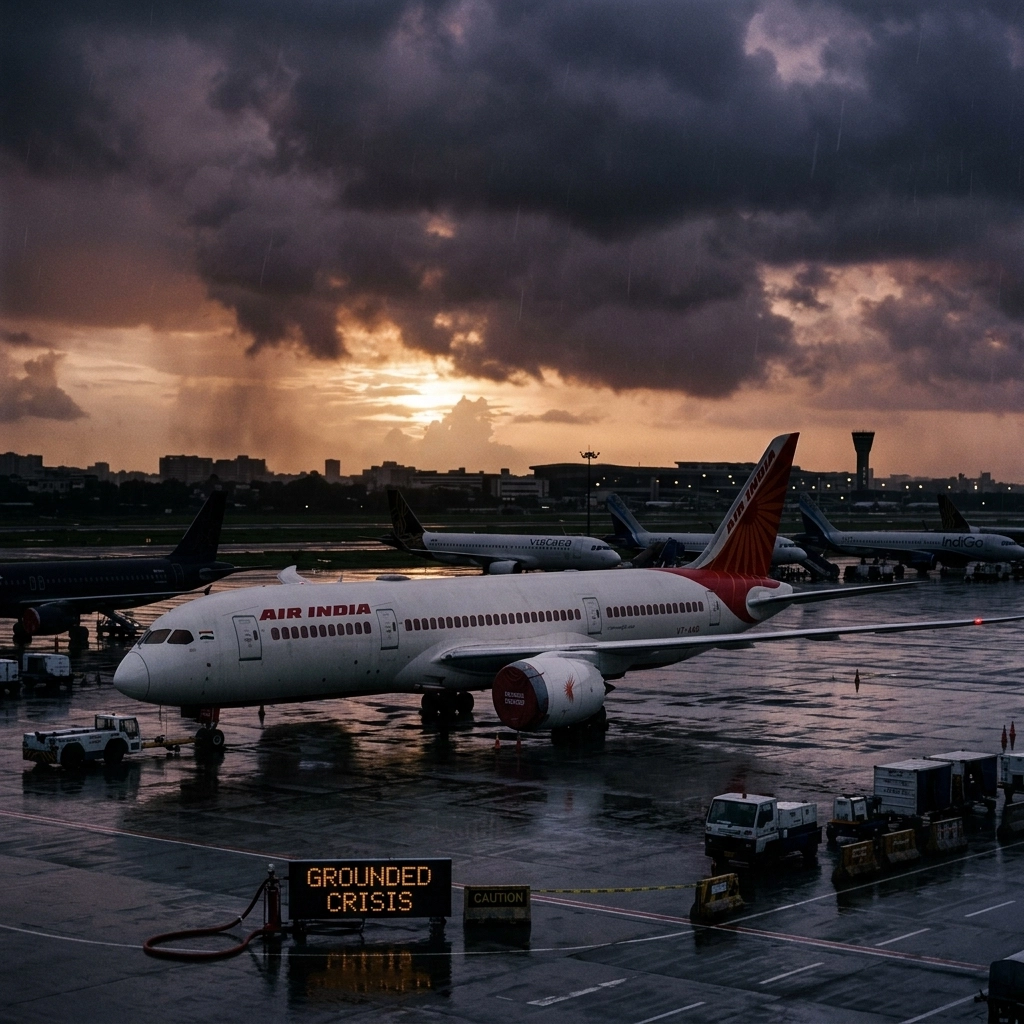
The Indian aviation sector is currently navigating through one of its most turbulent periods in recent history. As global geopolitical tensions simmer and energy markets fluctuate, the Indian aviation fuel crisis has reached a tipping point, pushing major carriers like Air India, IndiGo, and SpiceJet to issue a stark "Mayday" call to the Union Government. The message is clear: without immediate fiscal intervention, the industry is on the verge of stopping operations.
The Federation of Indian Airlines (FIA), representing the country’s leading private and state-backed carriers, has formally communicated that the current trajectory of Aviation Turbine Fuel (ATF) prices is unsustainable. This warning comes at a time when the industry was just beginning to realize the potential of a post-pandemic recovery and a revitalized travel market.
1. The Financial Abyss: ATF Prices Hit Record Highs
At the heart of the current Indian aviation fuel crisis is the unprecedented surge in jet fuel prices. ATF prices have recently breached the psychological and financial barrier of ₹2 lakh per kilolitre (kl). To put this in perspective, fuel prices have seen a nearly 50% increase compared to the same period in previous fiscal cycles, driven largely by the persistent turmoil in West Asia.
For an airline, fuel is not just a commodity; it is the lifeblood of daily operations. Unlike other industries where input costs can be hedged or absorbed over time, the aviation sector operates on razor-thin margins. When the price of its primary raw material doubles, the impact is immediate and devastating. The current pricing structure has created an existential threat that could lead to the grounding of entire fleets.

2. The Arithmetic of Failure: Fuel Costs as 60% of OPEX
In standard economic conditions, fuel typically accounts for approximately 30% to 40% of an airline's total operating expenses. However, the current volatility has skewed this ratio to a dangerous degree. For carriers like Air India and IndiGo, fuel now accounts for 55% to 60% of total operating costs.
This shift represents a fundamental "market misfit" for the current business models. When more than half of every rupee earned is diverted solely to refueling aircraft, there is little left to cover:
- Aircraft leasing and maintenance costs.
- Employee salaries and training.
- Airport landing and parking fees.
- Technology upgrades and customer service enhancements.
The inability to pass these costs entirely onto the consumer, due to the price sensitivity of the Indian market, means that airlines are essentially "bleeding" cash on every flight. This is why the industry leaders have signaled that they are on the verge of stopping operations; it is becoming more expensive to fly than it is to stay on the ground.
3. Geopolitical Headwinds and the West Asia Factor
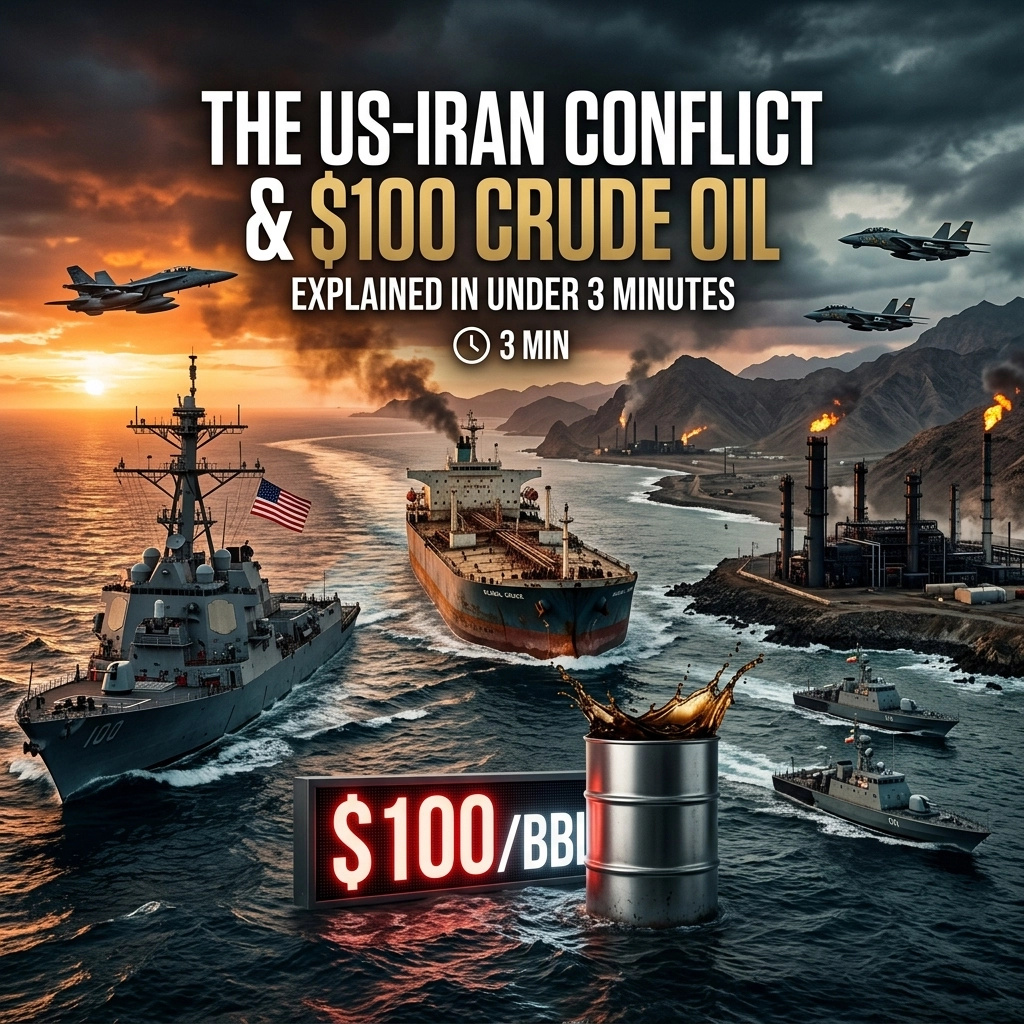
The surge in ATF prices is not an isolated domestic issue but a byproduct of the worsening geopolitical landscape. The ongoing conflict in West Asia has served as a catalyst for change in global oil supply chains. As a major importer of crude, India is particularly vulnerable to these external shocks.
Furthermore, the conflict has resulted in significant airspace restrictions. Flights that previously took the most direct routes over the Middle East are now forced to take longer, circuitous paths to ensure passenger safety. These longer flight durations naturally consume more fuel, compounding the high unit price with higher volume consumption. When combined with the steady slide of the Indian Rupee against the US Dollar, the currency in which fuel and leases are primarily denominated, the result is a perfect storm of financial distress.

4. Seeking a Lifeline: The Industry’s Plea for Fiscal Relief
Recognizing that they cannot navigate this storm alone, the FIA has approached the Ministry of Civil Aviation with a set of urgent demands. The goal is to democratize the tax burden and provide a temporary cushion to prevent a total industry collapse.
The key requests include:
- Suspension of Excise Duty: The industry is seeking a temporary suspension of the 11% excise duty currently levied on ATF. This move would provide immediate liquidity to the carriers.
- VAT Reduction: Airlines are urging state governments to reduce the Value Added Tax (VAT) on fuel to a uniform rate of 1% to 4%. Currently, VAT varies significantly across states, creating logistical and financial inefficiencies.
- ATF Inclusion in GST: A long-standing demand remains the inclusion of ATF under the Goods and Services Tax (GST) regime. This would allow airlines to claim input tax credits, significantly reducing the effective cost of fuel.
For those interested in how these macro-economic trends affect individual business strategies, you can explore more deep dives on our Business Tantra blog.
5. The Socio-Economic Impact: Beyond the Boardroom
The potential shutdown of major Indian airlines is not just a corporate tragedy; it is a national economic risk. Aviation is a critical component of India’s infrastructure, acting as a bridge for trade, tourism, and professional mobility.
If SpiceJet, Air India, or IndiGo are forced to significantly reduce their operations, the ripple effects will be felt across the economy:
- Skyrocketing Airfares: With reduced capacity, the remaining seats will become luxury items, pricing out the growing middle class that the industry worked so hard to attract.
- Supply Chain Disruption: Cargo belly-space in passenger aircraft accounts for a significant portion of domestic express logistics.
- Job Losses: From pilots and cabin crew to ground handlers and travel agents, thousands of livelihoods are tied to the operational stability of these carriers.
At Business Tantra, we believe that maintaining a robust aviation sector is essential for India’s goal of becoming a $5 trillion economy. The current crisis threatens to derail the "exponential growth" seen in the sector over the last decade.

6. Strategic Pivot: Survival of the Fittest?
In response to the Indian aviation fuel crisis, airlines are looking at "data-driven insights" to optimize whatever they can control. This includes:
- Fuel-Efficient Fleets: Accelerating the retirement of older, fuel-guzzling aircraft in favor of New Engine Option (NEO) variants that offer 15-20% better efficiency.
- Ancillary Revenue: Increasing focus on non-ticket revenue streams, such as lounge access, seat selection, and pre-booked meals, to offset fuel costs.
- Dynamic Pricing Models: Utilizing advanced AI algorithms to adjust fares in real-time based on fuel price fluctuations and demand elasticity.
However, these are long-term or incremental solutions. They do not address the immediate need for a reduction in the ₹2 lakh/kl fuel price. The "mission" of the Indian aviation sector, to provide affordable connectivity to the masses, is currently at odds with the reality of global energy markets.
Conclusion
The Indian aviation industry stands at a crossroads. The warning issued by Air India, IndiGo, and SpiceJet is not merely a negotiation tactic; it is a legitimate alarm regarding the operational viability of the sector. The Indian aviation fuel crisis, exacerbated by West Asia turmoil and a high domestic tax structure, requires a transformative solution from the government.
Suspending excise duties and rationalizing VAT are no longer just "preferred" options; they are mandatory interventions to ensure the survival of the industry. As we monitor the government’s response, the coming weeks will determine whether Indian aviation continues its flight toward global prominence or is forced into an emergency landing.
For business leaders looking to stay updated on critical market movements, please visit our Home News section. If you are looking for professional networking tools during these shifting economic times, consider our Digital Business Card to stay connected.
The flight path ahead is steep and full of turbulence, but with the right policy "catalyst for change," the industry may yet find the lift it needs to soar again.
To stay updated on the latest developments in the Indian business landscape, register for our newsletter or contact us for more insights.

admin

Related Post