

























Navigating GST 2.0: What India’s 92 Million MSMEs Need to Know for 2026

As of April 2026, the Indian economic landscape is undergoing a profound transformation. At the heart of this metamorphosis are the 92 million Micro, Small, and Medium Enterprises (MSMEs) that form the backbone of the nation's GDP. The catalyst for this change is the full-scale implementation of GST 2.0 for MSMEs, a revitalized indirect tax framework that began its rollout in late 2025.
For the modern business owner, staying ahead of these regulatory shifts is no longer just a matter of compliance: it is a strategic imperative for exponential growth. With the introduction of AI-driven oversight and streamlined registration protocols, the "new normal" for Indian business is one of digital precision and transparent operations.
The Genesis of GST 2.0: A Catalyst for Change
The transition to GST 2.0, which officially commenced in November 2025, represents a fundamental restructuring of the Goods and Services Tax system. Unlike its predecessor, which focused on the initial migration of a fragmented tax regime, GST 2.0 is designed to democratize business operations through technological sophistication.
The primary mission of these reforms is to reduce the compliance burden while simultaneously expanding the tax base. For MSMEs, this has meant a shift toward a more predictable fiscal environment. The consolidation of tax slabs: now primarily focused on 0%, 5%, and 18% rates: has simplified pricing strategies for millions of manufacturers and service providers.
Simplified Registration: The 3-Day Automatic Approval
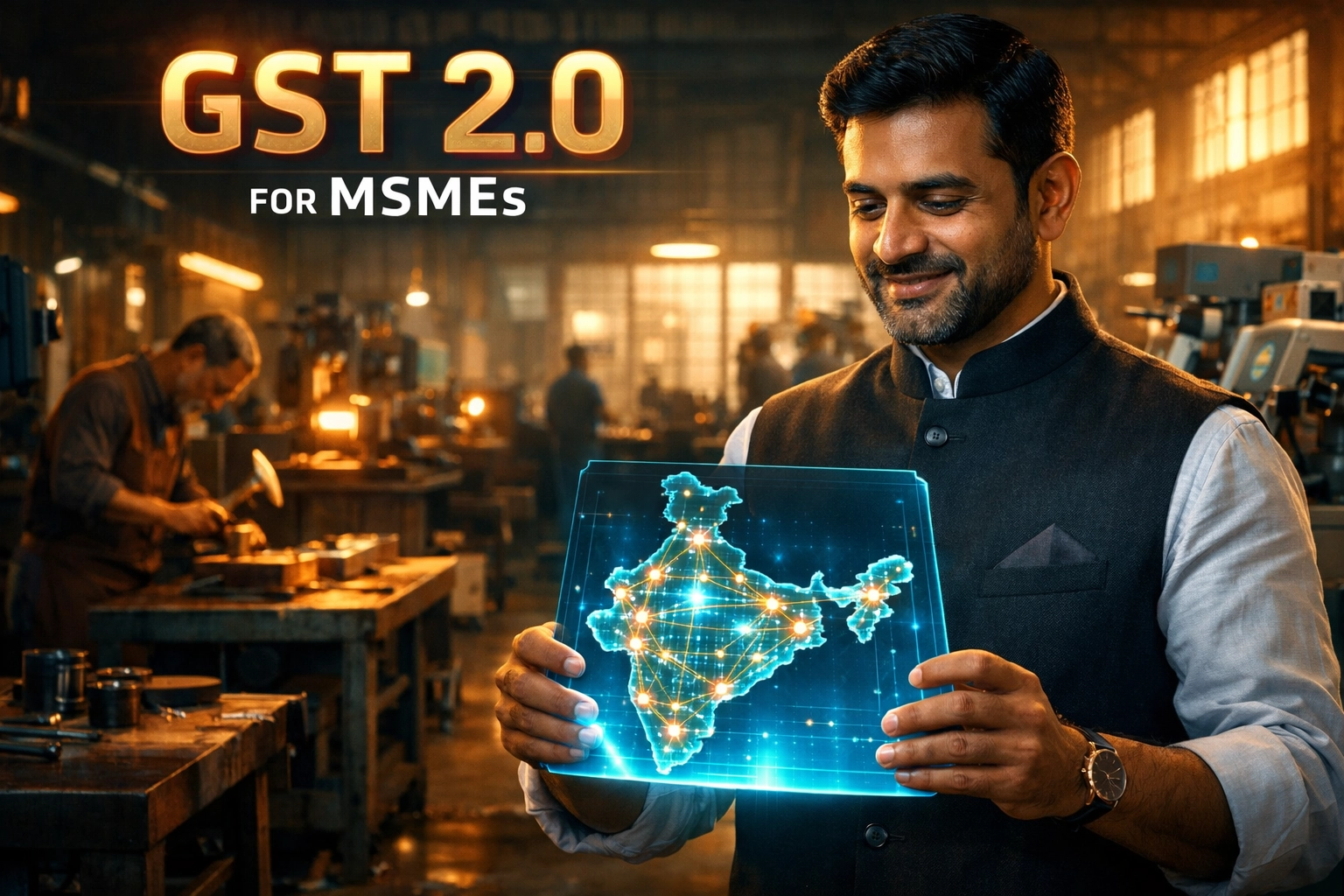
One of the most transformative features of the 2026 landscape is the overhaul of the registration process. Previously, MSMEs often faced bureaucratic bottlenecks that could delay the commencement of operations for weeks. Under the current GST 2.0 for MSMEs framework, a new 3-day automatic approval system has been implemented.
This "no-human-intervention" model utilizes data-driven insights to verify applicants through linked Aadhaar and PAN databases. If the system detects no high-risk flags, the registration is granted near-instantly. This efficiency is a cornerstone of the government's effort to encourage the formalization of the informal sector. However, this ease of entry comes with a caveat: the "registration trap." Growing MSMEs must be vigilant; while getting in is easy, maintaining a clean compliance record is now monitored by sophisticated algorithms.
AI-Driven Compliance and the Crackdown on Evasion
The era of manual scrutiny is rapidly being replaced by an electronic communications network that utilizes artificial intelligence to identify anomalies in real-time. The GSTN (GST Network) in 2026 is no longer a mere repository of data; it is a proactive auditor.
1. Automated ITC Matching
The system now auto-populates input tax credits (ITC) and matches invoices with surgical precision. For business owners, this means that credits are available immediately once suppliers upload their invoices, significantly revitalizing cash flow.
2. Risk-Based Scrutiny
AI-driven compliance checks now analyze "behavioral patterns" in filing. Sudden spikes in ITC claims or inconsistencies between e-way bills and GSTR-1 filings trigger automated notices. This has been a powerful tool in cracking down on fraudulent ITC claims, ensuring that legitimate businesses operate on a level playing field.
3. Predictive Analytics
For the savvy entrepreneur, these AI tools are not just for the taxman. Many integrated accounting softwares now offer predictive compliance health scores, allowing businesses to rectify errors before they become legal liabilities.
The Inverted Duty Structure: A Persistent Challenge
Despite the optimism surrounding GST 2.0, the "Inverted Duty Structure" remains a significant pain point for many Indian manufacturers. This occurs when the tax rate on raw materials (inputs) is higher than the tax rate on the finished goods (outputs).
For example, an MSME manufacturing a product taxed at 5% but using components taxed at 18% finds its working capital perpetually locked in unutilized input tax credits. While the GST Council has addressed several of these anomalies, the "trap" of locked capital continues to hinder the liquidity of small-scale manufacturers. Advocacy groups are currently calling for an automatic, time-bound refund mechanism to ensure that MSMEs are not penalized for the very structure of their industry.
The Push for a Rs 1.5 Crore Exemption Limit
As we move deeper into 2026, a major point of discussion in the Business Tantra newsroom is the proposal to raise the GST exemption limit to Rs 1.5 crore. Currently, the Global Trade Research Initiative (GTRI) highlights a stark reality: 84% of GST registrants have a turnover below Rs 1.5 crore, yet they contribute less than 7% of total GST collections.
By raising the threshold, the government could effectively "liberate" millions of small retailers and service providers from the complexities of monthly filings. This would allow them to focus on core business activities rather than administrative overhead. For those aiming for high-velocity growth, this change would provide a much-needed "incubation period" before entering the full regulatory net.
Global Headwinds: US Tariffs and MSME Exports
The macro-economic environment in 2026 is further complicated by shifting trade policies in the West. The impact of US trade tariffs, particularly those associated with the "Trump-era" protectionist philosophies, has sent ripples through India’s export-oriented MSME sector.
Indian exporters of textiles, engineering goods, and processed foods are facing increased costs in the North American market. In response, there is a burgeoning call for better credit facilities and export incentives to maintain global competitiveness. Business owners must now look toward diversifying their market reach and leveraging the "China Plus One" strategy to offset these tariff-driven challenges.
Strategic Action Plan for MSME Owners in 2026
To navigate the complexities of GST 2.0 for MSMEs, business owners should adopt the following operational strategies:
- Digital Integration: Transition to cloud-based accounting systems that offer real-time GSTN integration. This ensures that your data matches the government's records at all times.
- Audit Supplier Compliance: Your ability to claim ITC depends entirely on your supplier's compliance. Regularly audit your vendor list and prioritize those with high compliance ratings.
- Monitor Turnover Thresholds: Be proactive about the mandatory registration limits. If your business is nearing the Rs 60 lakh (goods) or Rs 40 lakh (services) mark, ensure your systems are ready for the transition.
- Leverage the Composition Scheme: If your turnover is below Rs 2 crore, evaluate if the simplified Composition Scheme: offering lower rates and minimal record-keeping: is more beneficial for your cash flow.
- Utilize Professional Insights: Stay updated through credible news media. For ongoing analysis of how these changes affect your specific industry, visit our blog regularly.
Conclusion
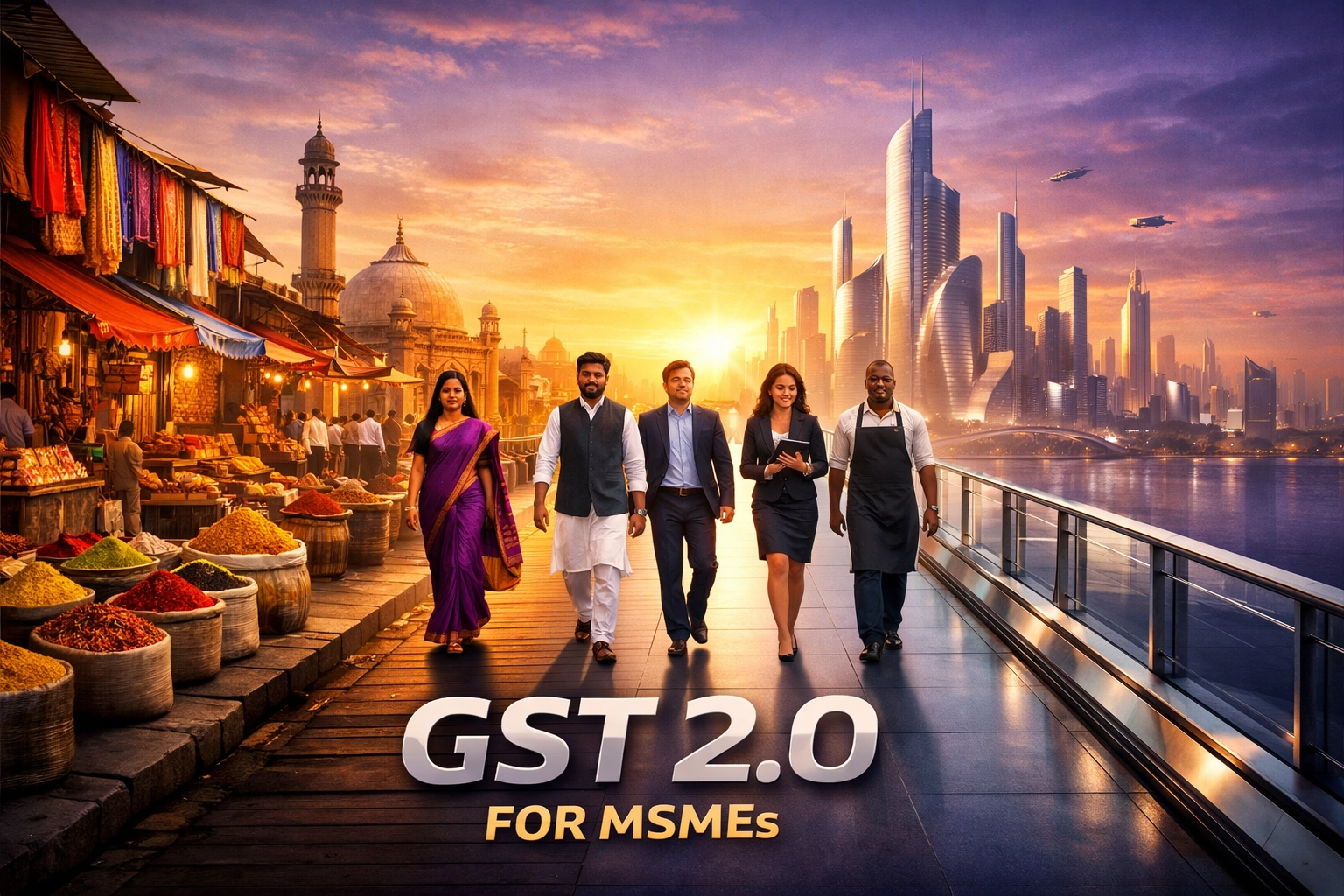
The implementation of GST 2.0 in 2026 is more than a mere legislative update; it is a fundamental reimagining of the Indian business ecosystem. While challenges like the inverted duty structure and global trade tariffs persist, the move toward simplified registration and AI-driven compliance offers a roadmap for legitimate, scalable growth.
For India's 92 million MSMEs, the path forward requires a blend of technological adoption and strategic vigilance. By embracing these reforms, small businesses can transform from local entities into global competitors, fueled by a transparent and efficient tax framework.
As we continue to monitor these developments, Business Tantra remains committed to providing you with the data-driven insights necessary to navigate this new era. If you have questions regarding your business’s transition to GST 2.0, do not hesitate to contact us or explore our comprehensive resources.
The future of Indian enterprise is digital, compliant, and undeniably bright. Are you ready to scale?

admin


Related Post