















Why the Global Economy Is Changing Faster Than Ever

The year 2026 has arrived not with a whisper, but with a thunderous roar that has reverberated across every financial capital from New York to Mumbai. We are no longer living in an era of linear progression; we have entered the age of the "Exponential Epoch." For seasoned investors and casual observers alike, the sensation is unmistakable: the ground beneath the global market is shifting with a velocity that defies historical precedent.
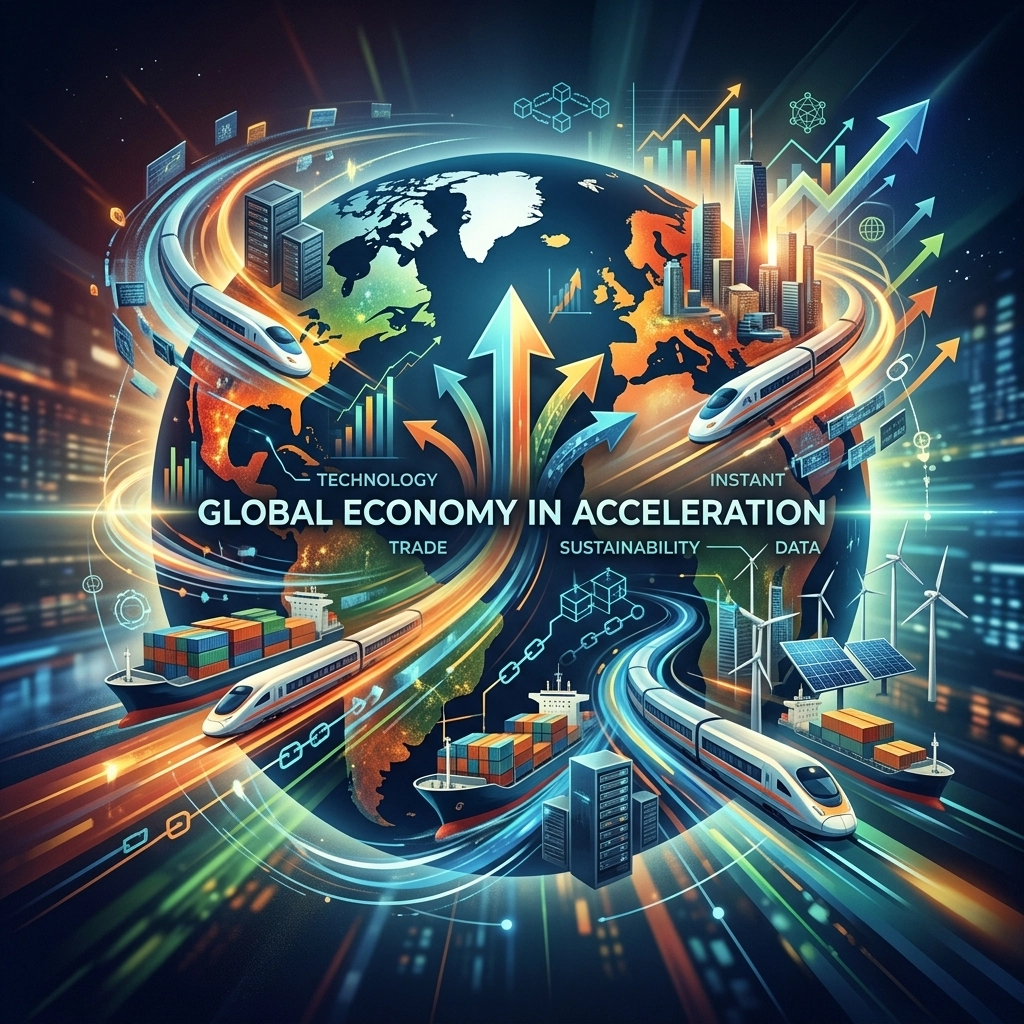
The global economic shifts we are witnessing today are not merely cyclical adjustments. They represent a fundamental restructuring of how value is created, traded, and preserved. Driven by a volatile cocktail of artificial intelligence, geopolitical realignment, and the meteoric rise of the economy of India, the world’s financial machinery is running at a speed that has left traditional economic models in the dust.
1. The Technological Supernova: AI as a Catalyst for Change 🤖
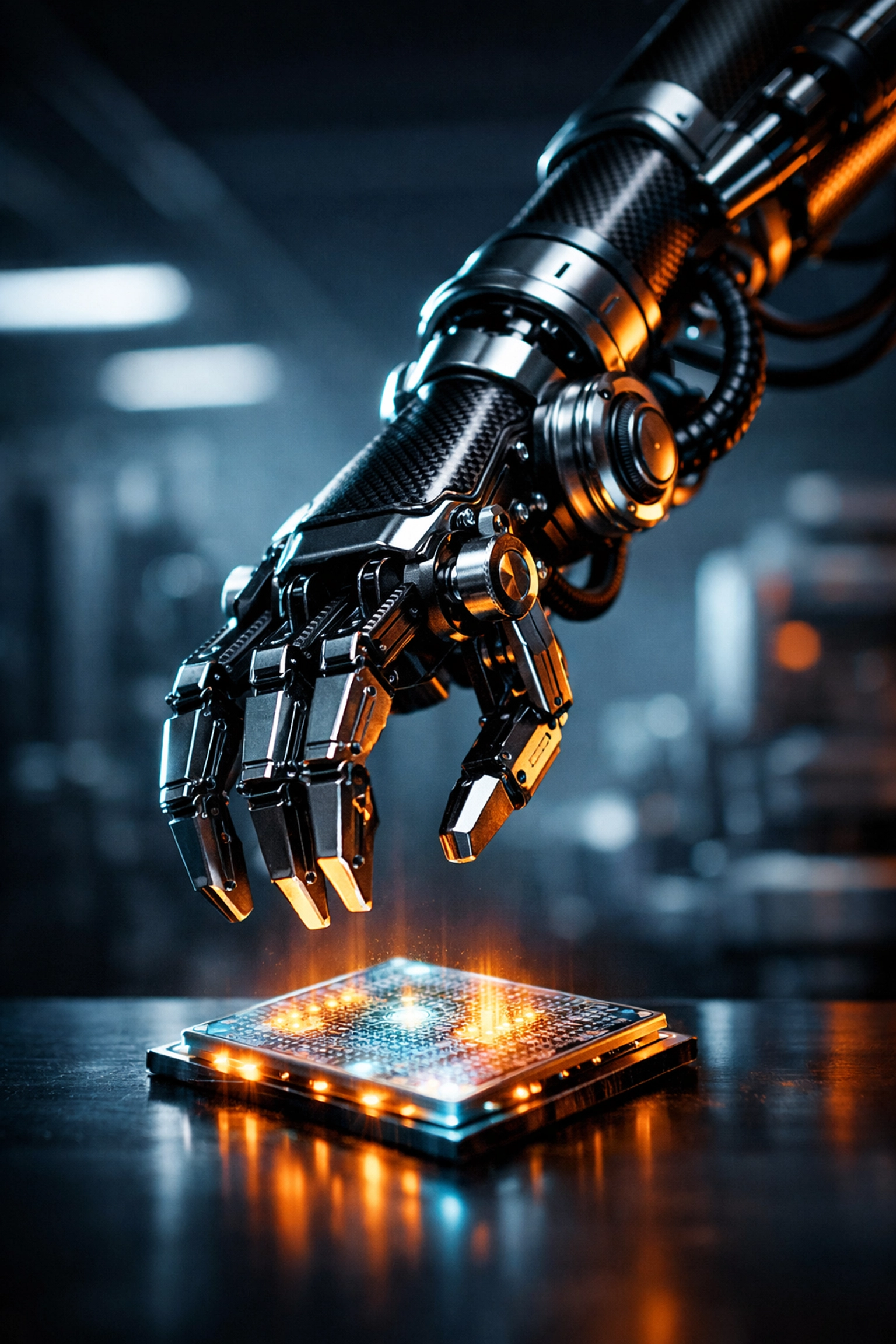
At the heart of this acceleration is the unprecedented deployment of capital into Artificial Intelligence infrastructure. In 2026, the scale of investment is staggering. Global tech titans have moved beyond experimental phases, committing over $650 billion this year alone to build the "nervous system" of the new economy. This is not just digital transformation; it is a technological supernova.
The democratization of high-compute power has allowed startups to disrupt century-old industries in a matter of months rather than decades. When a single algorithm can optimize a global supply chain in real-time, the "moats" that once protected corporate giants evaporate. This creates a state of perpetual disruption where the only constant is the need for rapid adaptation.

2. The Great Rebalancing: Global Economic Shifts Toward the East 🌏
The map of global prosperity is being redrawn. We are currently navigating the most significant global economic shifts since the Industrial Revolution. The old guard of the G7 is finding itself increasingly challenged by a revitalized and interconnected Global South.
Capital is no longer a unidirectional flow from West to East. Instead, we see a multi-polar world where emerging markets are not just participating in the global trade network: they are setting the rules. The "de-dollarization" trends discussed in 2024 have matured into sophisticated alternative payment systems, allowing nations to bypass traditional financial gatekeepers. This shift has shortened the reaction time of markets, as regional shocks now translate into global tremors with terrifying efficiency.
3. The Powerhouse Narrative: The Economy of India in 2026 🇮🇳
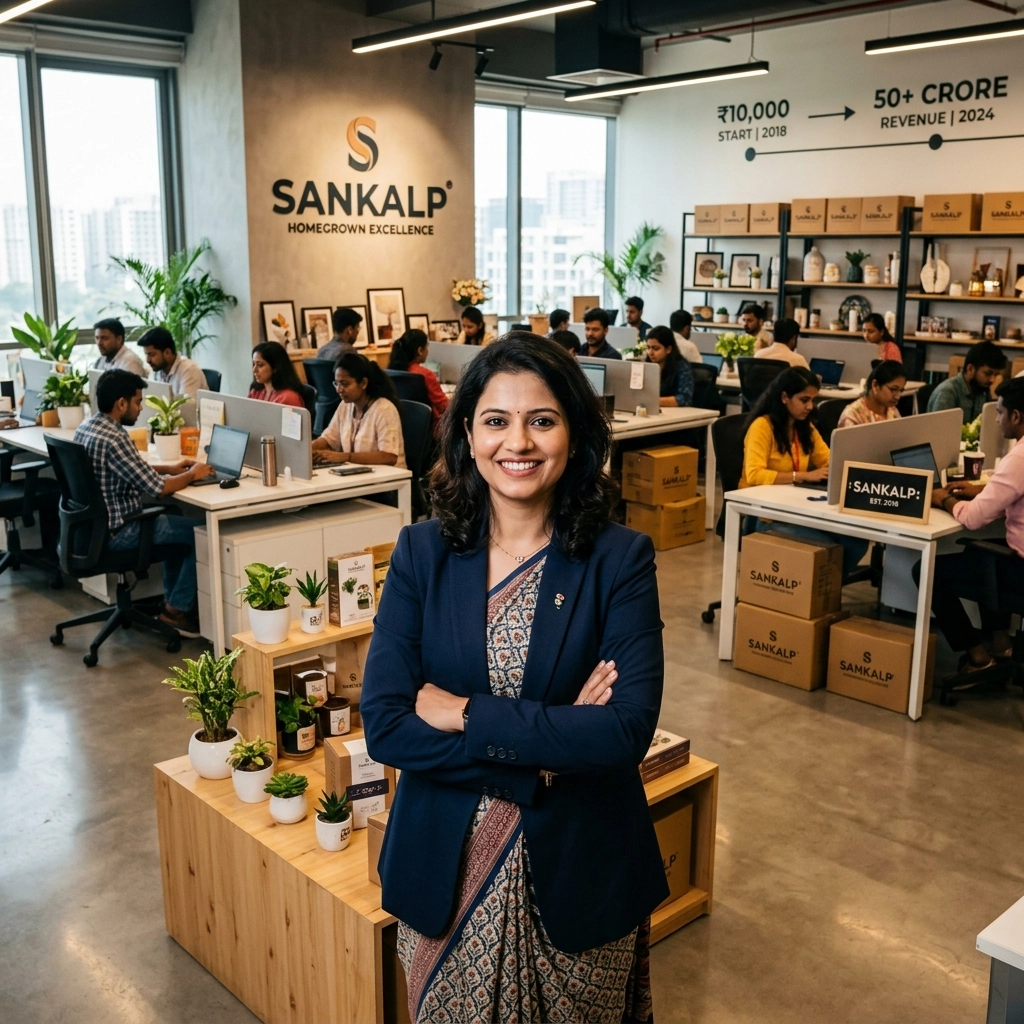
Perhaps no single factor illustrates this rapid change more vividly than the economy of India. Positioned as the world's fastest-growing major economy, India has moved beyond being a "back-office" hub to becoming a primary engine of global demand and innovation.
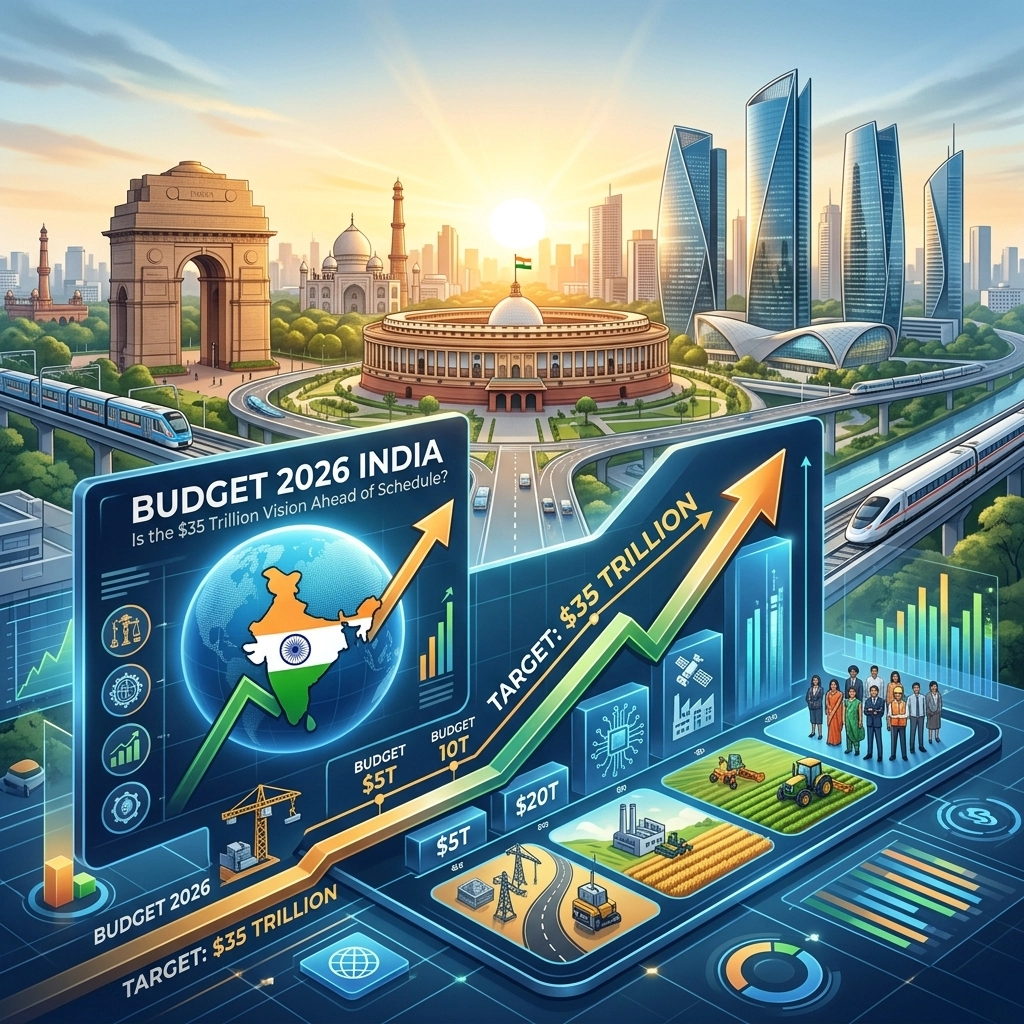
With a $35 trillion vision now appearing more like an inevitable destination than a distant dream, the economy of India is benefiting from a unique convergence of demographic dividends and aggressive policy reforms. The integration of India’s 92 million MSMEs into the global digital value chain has created a resilient, decentralized economic structure that is remarkably agile.
Whether it is the dominance in pharmaceutical manufacturing or the leadership in digital public infrastructure (DPI), India is proving that "fast" is the new "stable." For investors looking for a "legitimate purpose" to pivot their portfolios, the Indian market offers data-driven insights that are impossible to ignore.
4. Information At Light-Speed: The Death of Deliberation ⚡
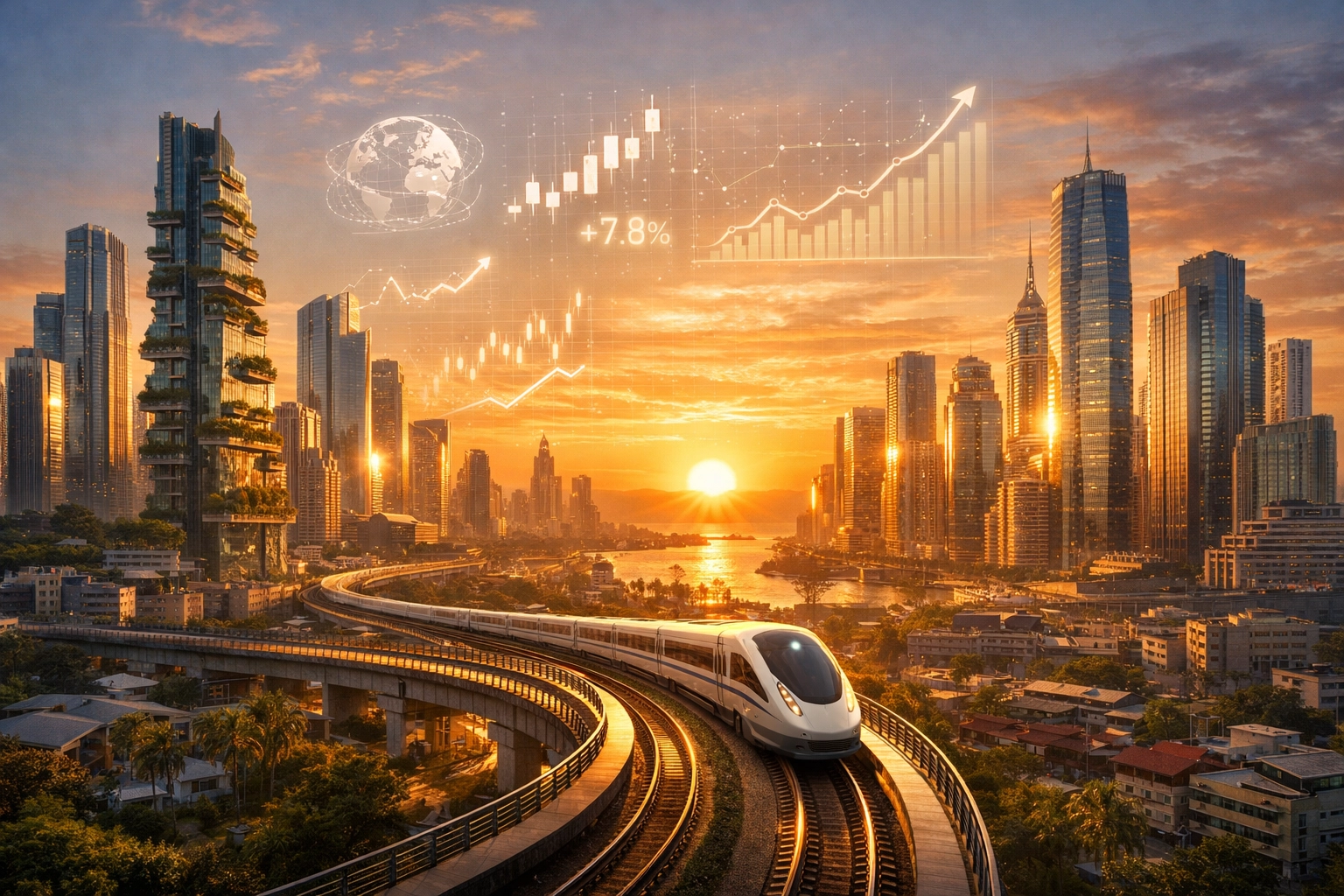
In the previous century, an economic crisis could take weeks to travel from the floor of the New York Stock Exchange to the markets in Tokyo. Today, that journey takes milliseconds. The ubiquity of the electronic communications network, coupled with AI-powered trading programs, means that market sentiment can shift entirely between the first and second sips of your morning coffee.
Social media and instant communication tools have turned every smartphone into a trading terminal. This has democratized finance, but it has also introduced a level of volatility that requires a "data-driven" mindset to survive. When news breaks: be it a policy change in California or a harvest failure in Brazil: the global economy reacts instantly, leaving no room for the slow deliberation of the past.
5. The Fragmented Supply Chain: A New Era of Resilience 🏗️
The "Just-in-Time" model that defined the early 2000s has been replaced by "Just-in-Case." The global economy is changing because the very concept of global trade is being redefined. Supply chains are no longer long, fragile lines stretching across oceans; they are becoming circular, localized, and hyper-efficient.
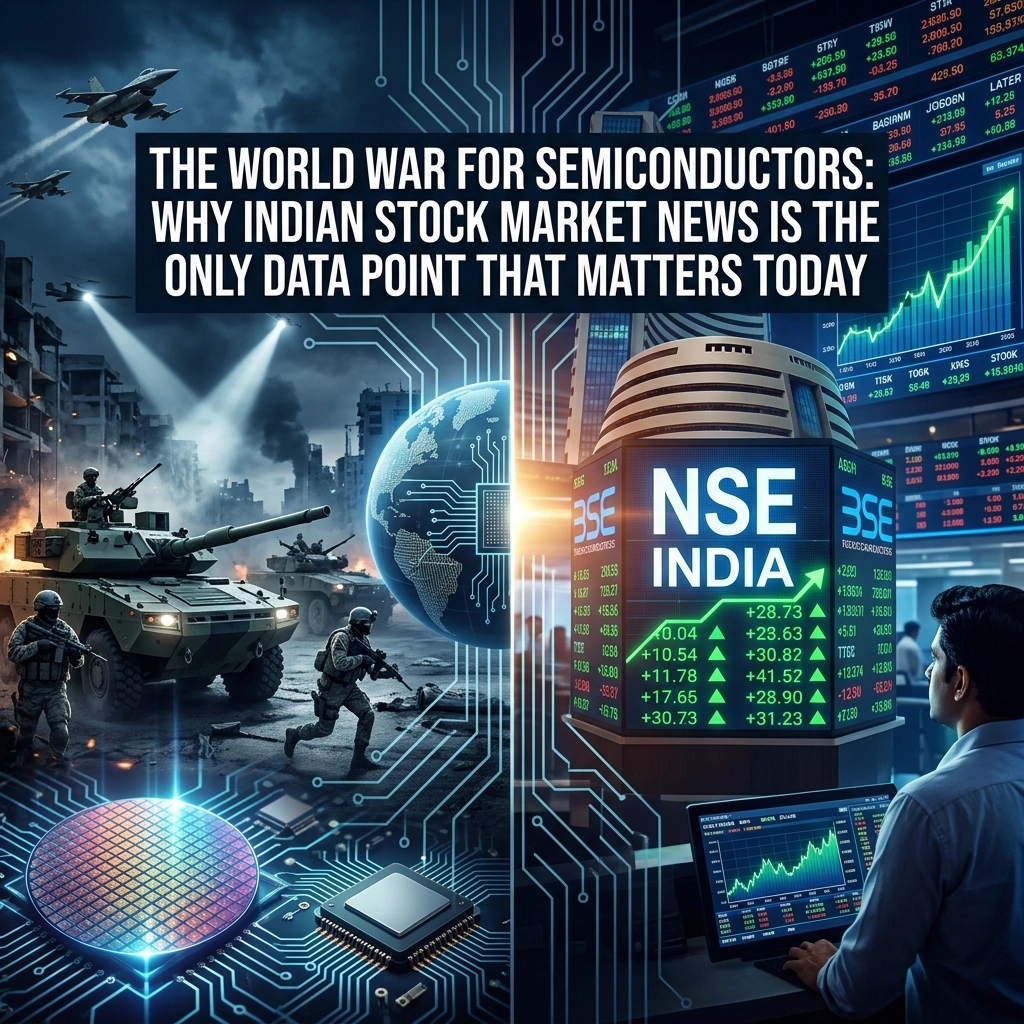
Advanced manufacturing and 3D printing are allowing companies to bring production closer to the consumer. This "re-shoring" and "friend-shoring" are causing massive shifts in logistics and real estate valuations. Governments are now treating semiconductors and rare earth minerals as matters of national security, leading to a surge in state-sponsored industrial policy that moves at a breakneck pace.
6. The Rise of Digital-First Sovereignty 🌐
As we move deeper into 2026, the traditional boundaries of "business" are blurring. We are seeing the rise of digital-first companies that exist entirely on the cloud, employing talent from six continents without a single physical office. This mobility of talent and capital means that national economies must compete more fiercely than ever to remain attractive.
At Business Tantra, we observe that the most successful entrepreneurs are those who treat change not as a risk to be mitigated, but as a wave to be ridden. The ability to pivot: to move from a traditional brick-and-mortar mindset to an NFC-enabled, digital-business-card world: is the hallmark of the modern leader.
Conclusion: Thriving in the Accelerated Age 🏆
The global economy is changing faster than ever because the tools of change: AI, instant communication, and massive capital mobility: are themselves accelerating. We are witnessing a historic re-balancing where the global economic shifts favor those who are agile, informed, and bold.
The economy of India stands at the forefront of this transformation, offering a blueprint for how a nation can leverage technology to leapfrog traditional development stages. For the modern professional, the mission is clear: stay informed, stay adaptable, and recognize that in 2026, standing still is the fastest way to fall behind.
The future belongs to the swift. Are you ready to keep pace? To learn more about how to navigate these turbulent but exciting times, visit our About Us page or explore our latest business news.
For more expert analysis and deep dives into the world of business, stay tuned to Business Tantra.

admin

Related Post
- By admin
- 02 Views