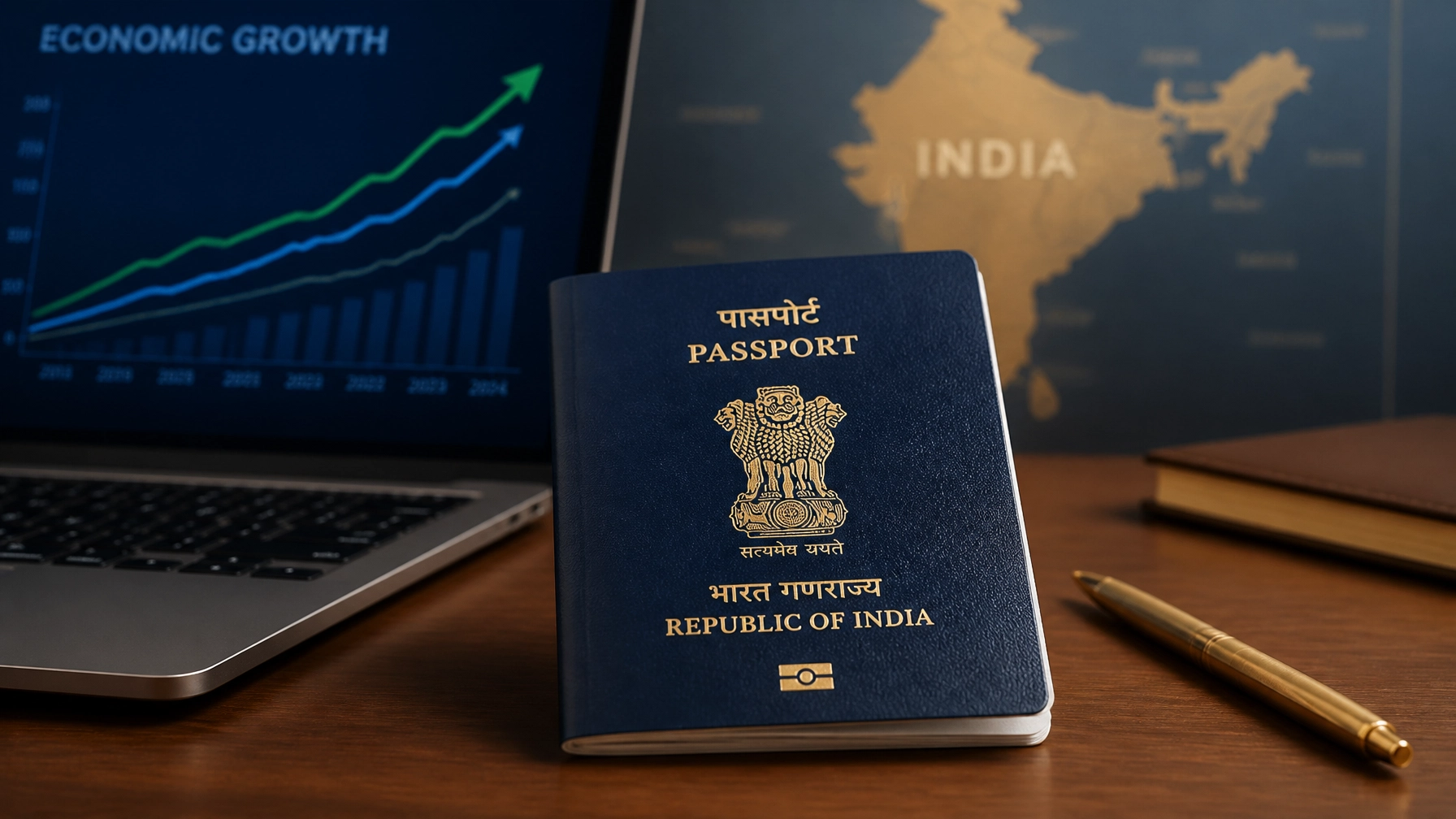









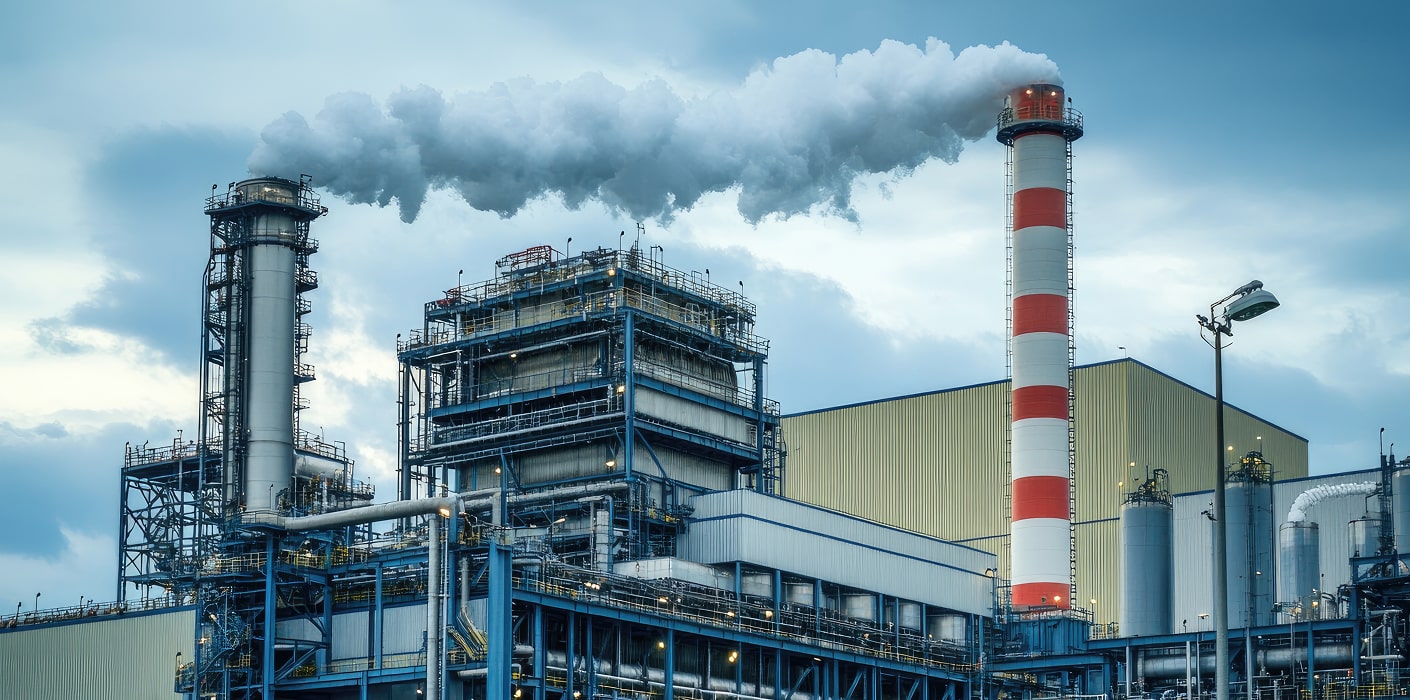















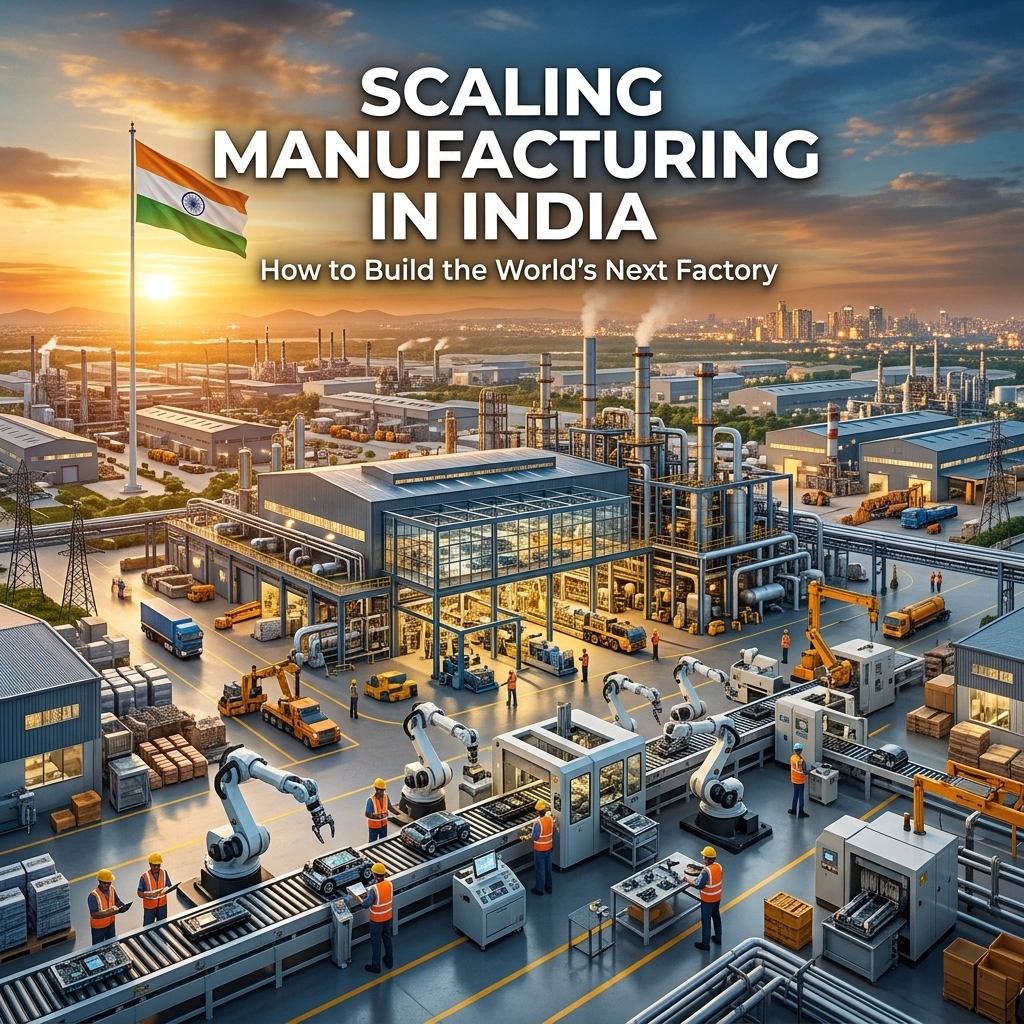

The global economic landscape is undergoing a tectonic shift, and at the center of this transformation is the economy of India. As supply chains pivot away from over-reliance on single-geography sourcing, India has emerged as the most viable contender for the title of the "World's Next Factory." This transition is not merely a result of geopolitical convenience but is driven by a systematic overhaul of domestic policy, massive infrastructure investment, and a revitalized private sector determined to scale.
With gdp growth india consistently outperforming other major economies, the manufacturing sector has become a primary engine for wealth creation. For entrepreneurs and investors, understanding how to navigate this scaling process is essential for capturing value in what is being termed the "Indian Century."
1. The 'Make in India' Catalyst and Policy Framework
The journey toward becoming a global manufacturing powerhouse began with a clear policy vision. The 'Make in India' initiative, launched to transform the nation into a global design and manufacturing hub, has evolved into a sophisticated framework of Production Linked Incentives (PLI). These incentives have effectively lowered the entry barrier for high-tech manufacturing, particularly in electronics, pharmaceuticals, and automotive components.
According to recent indian business updates, the government has committed billions of dollars in subsidies to ensure that domestic value addition increases. This is a significant departure from previous decades where India was primarily seen as a service-oriented economy. Today, the focus is on "Atmanirbhar Bharat" (Self-Reliant India), which encourages the scaling of home-grown businesses into multinational corporations.
The surge in manufacturing is closely tied to the broader entrepreneurial wave. You can read more about how this environment was fostered in our analysis of the startup flood in India.
2. Infrastructure as the Backbone of Scaling
One of the historical "bottlenecks" for the economy of India was the high cost of logistics. However, the implementation of the PM Gati Shakti National Master Plan has revitalized the nation's approach to connectivity. By integrating various modes of transport: including dedicated freight corridors, high-speed rail, and modernized ports: the "time-to-market" for Indian goods has drastically reduced.
Key infrastructure developments include:
- Multi-Modal Logistics Parks (MMLPs): Reducing freight costs from 14% to under 10% of GDP.
- Port Modernization: Increasing container throughput to compete with regional giants like Singapore and Dubai.
- Energy Security: Strategic partnerships are ensuring a steady flow of energy required for heavy industrialization. For instance, the India-Russia energy partnership remains a cornerstone of industrial stability.
3. Labor Dynamics and the Demographic Dividend
While many developed nations face aging populations and labor shortages, India possesses a young, increasingly skilled workforce. To scale a factory in India, firms are moving beyond "cheap labor" to "productive talent." This shift involves significant investment in vocational training and the establishment of "Livelihood Business Incubators" to bridge the gap between rural talent and industrial needs.
Programs like the Livelihood Business Incubator are essential for democratizing access to industrial skills, ensuring that the manufacturing boom is inclusive. Furthermore, the rise of women in the workforce is acting as a catalyst for change. The impact of female leadership in the business ecosystem is evident, as seen in the rising net worth of women entrepreneurs.
4. Scaling from Home-Grown Units to Global MNCs
The transition from a small-scale enterprise to a multinational corporation (MNC) is the "holy grail" of Indian manufacturing. Successful firms are employing a "cluster-based" approach: geographically concentrating production to leverage shared resources and supply chains.
The path to scaling involves:
- Digital Integration: Utilizing Industry 4.0 technologies, including AI and IoT, to optimize floor-room efficiency.
- Access to Capital: Leveraging both government subsidies and private equity.
- Global Compliance: Adhering to international quality standards to ensure export readiness.
For many startups, the journey begins at innovation hubs. Entities like T-Hub in Telangana provide the necessary ecosystem to turn a prototype into a mass-produced product.
5. Upcoming Big Industries in the Economy of India
The future of Indian manufacturing lies in high-growth, technology-intensive sectors. As global giants like Apple and Samsung move significant portions of their production to India, a massive ancillary ecosystem is developing.
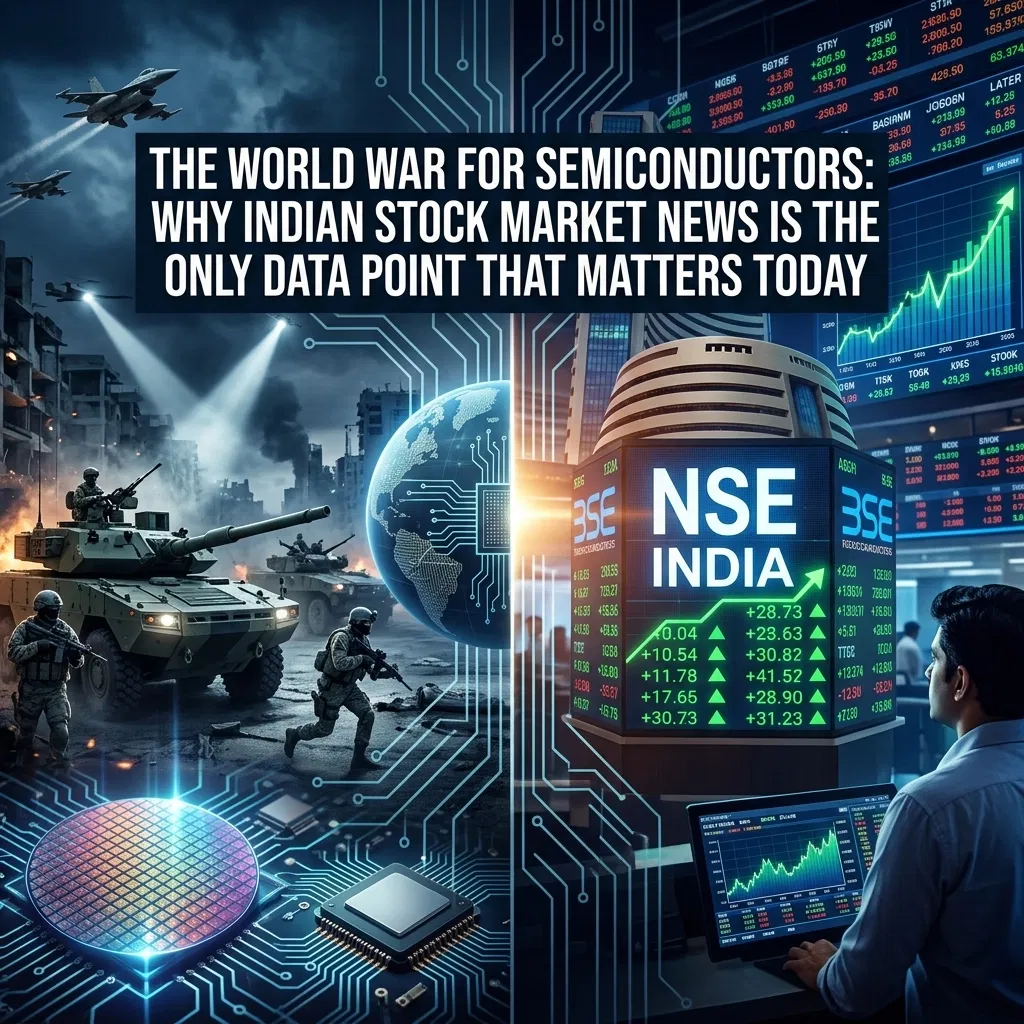
- Semiconductors: With massive government backing, India is positioning itself to be a critical node in the global chip supply chain, a move that is essential for national security and economic sovereignty.
- Electric Vehicles (EVs): The push for green energy has led to innovative solutions like India's new battery swap scheme, which is revolutionizing the logistics and transport sectors.
- Renewable Energy: Scaling solar and wind component manufacturing to meet both domestic targets and global demand.

6. Overcoming Challenges: The Road Ahead
Building the "World's Next Factory" is not without its hurdles. Manufacturers must navigate complex regulatory landscapes and occasionally deal with infrastructure gaps in tier-2 and tier-3 cities. Moreover, global inflation and supply chain disruptions can impact the gdp growth india targets.
The rise in the Consumer Price Index can affect financing for capital-intensive projects. However, the overall trajectory remains optimistic. Firms that focus on resilience: such as those that underwent successful pivots during the COVID-19 pandemic: are better positioned to handle the volatility of the global market.
7. Strategic Importance of the India-California Link
While the focus is on domestic manufacturing, the bridge to global markets often passes through innovation hubs like California. There is an immense opportunity for Indian manufacturers to collaborate with Silicon Valley firms for R&D and design. Understanding the differences between the California business environment and the broader USA can help Indian exporters tailor their strategies for the North American market.
Conclusion
The transformation of the economy of India into a manufacturing powerhouse is no longer a forecast: it is an ongoing reality. By leveraging the 'Make in India' framework, tapping into a revitalized infrastructure network, and focusing on high-tech sectors like semiconductors and EVs, India is successfully building the world's next factory.
For business leaders, the mission is clear: scale with precision, invest in talent, and embrace the digital tools of Industry 4.0. As gdp growth india continues to lead the global charts, those who master the art of manufacturing within this vibrant ecosystem will define the next generation of global business excellence. Whether you are a startup founder or a seasoned industrialist, the time to integrate into the Indian manufacturing story is now.
For more indian business updates and in-depth analysis of the global economy, stay tuned to Business Tantra.