
























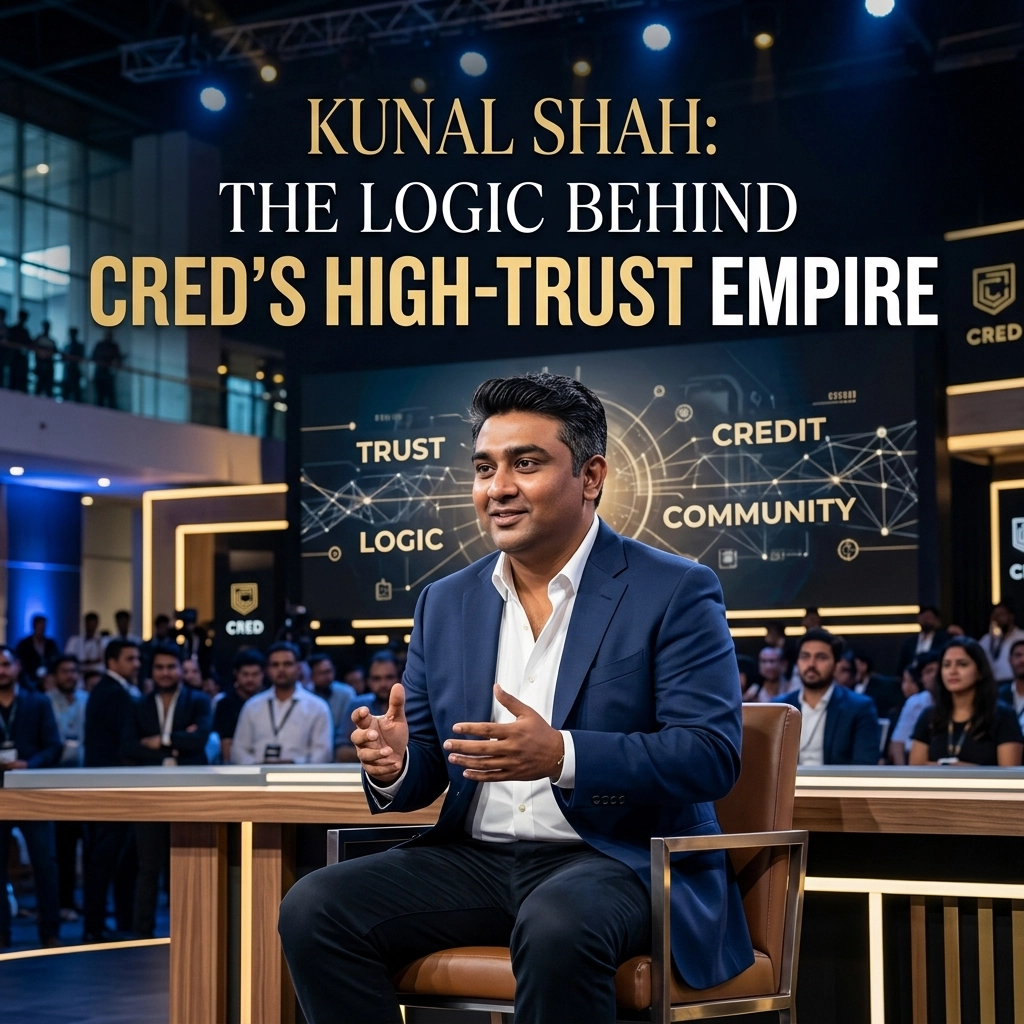

Most startups look for the biggest market. They look for the millions of users at the bottom of the pyramid, hoping to find "scale" in volume. Kunal Shah did the exact opposite. He looked for the most trustworthy market. Now, he’s building India’s most exclusive financial network: a high-trust empire designed for people who don’t necessarily "need" another app, but crave the status and efficiency of a curated community.
In the world of Indian startups, where "customer acquisition cost" (CAC) is a nightmare and "lifetime value" (LTV) is often a myth, Kunal Shah’s approach with CRED has been nothing short of a catalyst for change. At Business Tantra, we’ve been watching this play out with a mix of fascination and analytical rigor. This isn't just about paying credit card bills; it’s about a fundamental shift in how we perceive economic value in a "trust-deficit" nation.
1. Background: The Philosophy of the Exit (The FreeCharge Era)
Before CRED became a household name (and a source of viral ad-memes), Kunal Shah was the man behind FreeCharge. Founded in 2010, FreeCharge was a pioneer in the recharge and utility payments space. It was a classic "mass-market" play. But even then, Shah was looking at the data differently.
When FreeCharge was acquired by Snapdeal in 2015 for approximately $400 million: one of the largest exits at the time: the industry saw a successful entrepreneur. Kunal, however, saw a lesson. He realized that while FreeCharge had massive volume, the quality of the "trust" in the ecosystem was low. People were there for the discounts, not the platform.
This realization became the foundation for his next move. He didn't want to build another utility; he wanted to build a high-trust empire. He understood that in a country like India, trust doesn't scale linearly: it concentrates.

(Image suggestion: Use "https://cdn.marblism.com/__fI0hvIgrA.webp" to represent the career journey and transition from one successful venture to another.)
2. The Struggle: Convincing Skeptics About the 1%
When Kunal Shah first started talking about CRED in 2018, the feedback was almost universally skeptical. Critics asked: "Why build for people who already have money?" or "Who needs an app just to pay credit card bills?"
The struggle wasn't just about capital: though having a $400M exit helped: it was about the thesis. In a market obsessed with the "Next Billion Users," Shah was doubling down on the "Top 30 Million." His logic was grounded in the "Trust Deficit" theory. In India, because trust is scarce, the cost of verifying a transaction is high. If you can create a gated community where every member is already "pre-filtered" by their credit score (750+), you essentially democratize efficiency within that group.
Convincing investors like DST Global and Sequoia that a "lifestyle brand for the wealthy" was a viable fintech play required more than just a pitch deck; it required a complete reframing of the Indian consumer. You can read more about how we cover these shifts in our about-us page.
3. The Turning Point: The CRED Coins Hype and "Indira Nagar ka Gunda"
The turning point for the brand wasn't just the product: it was the storytelling. CRED didn't just offer bill payments; it offered "CRED Coins." Suddenly, paying your bills became a game. You earned rewards, you got "exclusive" access to brands, and most importantly, you felt part of a club.
Then came the marketing. While other fintechs were talking about "security" and "speed," CRED gave us Rahul Dravid shouting in a traffic jam. It was absurd, it was viral, and it was brilliant.
The "Logic" was simple: High-trust individuals are bored by traditional ads. They respond to cleverness, exclusivity, and status. By making the app invite-only and rewarding "good behavior" (on-time payments), Shah turned a mundane financial chore into a digital badge of honor. This pivot from a functional tool to a lifestyle platform is what revitalized the fintech conversation in India.

(Image suggestion: Use "https://cdn.marblism.com/3El8J5BKWj0.webp" to illustrate the celebration of the startup's place in the Indian skyline and its role in the fintech revolution.)
4. Growth: Expanding the Empire to Payments and Beyond
Once the high-trust community was established, the "High-Trust Empire" began to flex its muscles. CRED didn't stay in the bill-payment lane. It expanded into:
- CRED Pay: A seamless checkout experience for premium D2C brands.
- CRED Cash: Instant credit lines for those with high scores.
- CRED Mint: A peer-to-peer lending platform where high-trust individuals lend to other high-trust individuals.
By aggregating the most creditworthy individuals in India, Kunal Shah created a platform where the "risk" was naturally lower. This allowed for exponential growth in financial products because the data-driven insights from the credit card spend patterns were more accurate than any bank's traditional KYC.
For the latest updates on how these expansions are impacting the market, keep an eye on our home-news section.
5. Strategic Lessons: Why Community Over Scale Wins
If there is one thing entrepreneurs should learn from Kunal Shah, it is the concept of "High-Trust Economies." Here are the key takeaways from the CRED playbook:
- Trust Concentrates: 80% of the value in many industries comes from 20% of the users. Focus on that 20%.
- Status is a Utility: People will pay for (or stay on) a platform if it makes them feel successful.
- The Power of Pre-Filtering: By setting a high bar for entry (the 750 credit score), you reduce the "noise" and increase the "signal" for every business that wants to partner with you.
- Don't Compete on Price, Compete on Trust: In a race to the bottom with discounts, the one who owns the trust wins the long game.
At Business Tantra, we often see startups fail because they try to be everything to everyone. Shah's CRED is a masterclass in being everything to a specific, valuable someone.

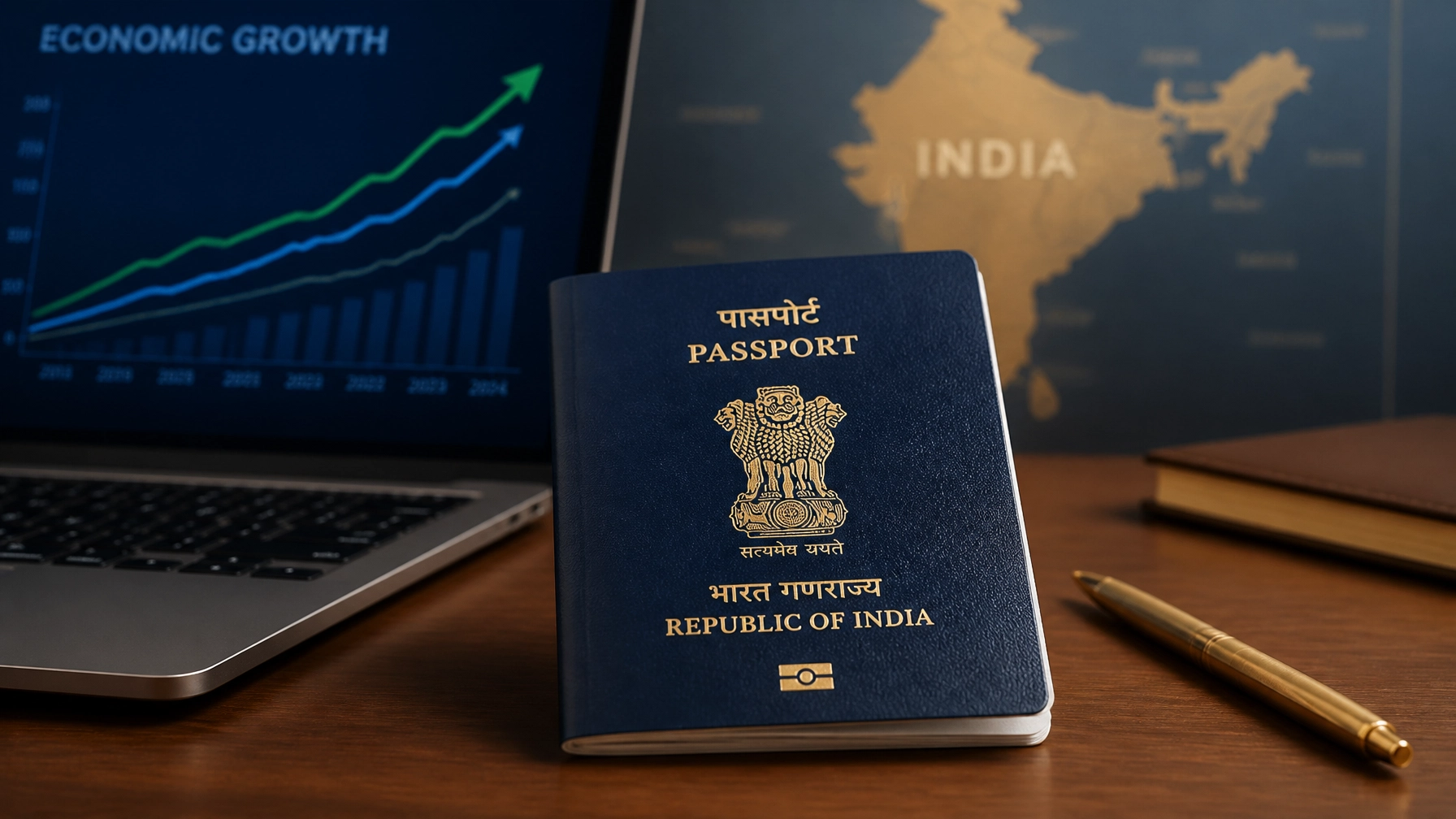
(Image suggestion: Use "https://cdn.marblism.com/hySo_d3bbBe.webp" to represent the futuristic outlook and economic optimism of the Indian business landscape.)
6. Conclusion: The Long Game of Kunal Shah
Kunal Shah isn't just building an app; he’s building a social credit system for India’s elite. He recognized that the "logic" of the Indian market is often inverted. We are a country that values education and financial stability, yet our digital platforms often treat us like anonymous clicks.
CRED is the response to that. It is a mission to reward those who play by the rules. It is a business built for people who don't "need" the rewards, but who value the recognition of their trustworthiness.
As we look toward the future of the Indian economy: with a 7.4% GDP growth forecast and an increasing number of unicorns: the role of high-trust networks will only grow. Whether you love the ads or find the coins confusing, you cannot deny the clarity of the vision. Kunal Shah has proven that in a world of infinite choices, the most valuable thing you can own is a piece of the user's trust.
If you are an entrepreneur looking to scale your own vision, consider how you are building trust within your own community. And if you're looking for the right tools to present that professional image, check out our NFC-enabled digital business cards to start your own high-trust journey.
The high-trust empire isn't just about credit cards. It’s about a future where being a "good" financial citizen pays off. And in that future, Kunal Shah is already several steps ahead.
Want to stay updated on the latest in Indian business and entrepreneurship? Register for our newsletter or visit our blog-layout for more deep dives.