






















Indian Stock Market News: Why Everyone Is Talking About UPI’s Global Expansion (And You Should Too)

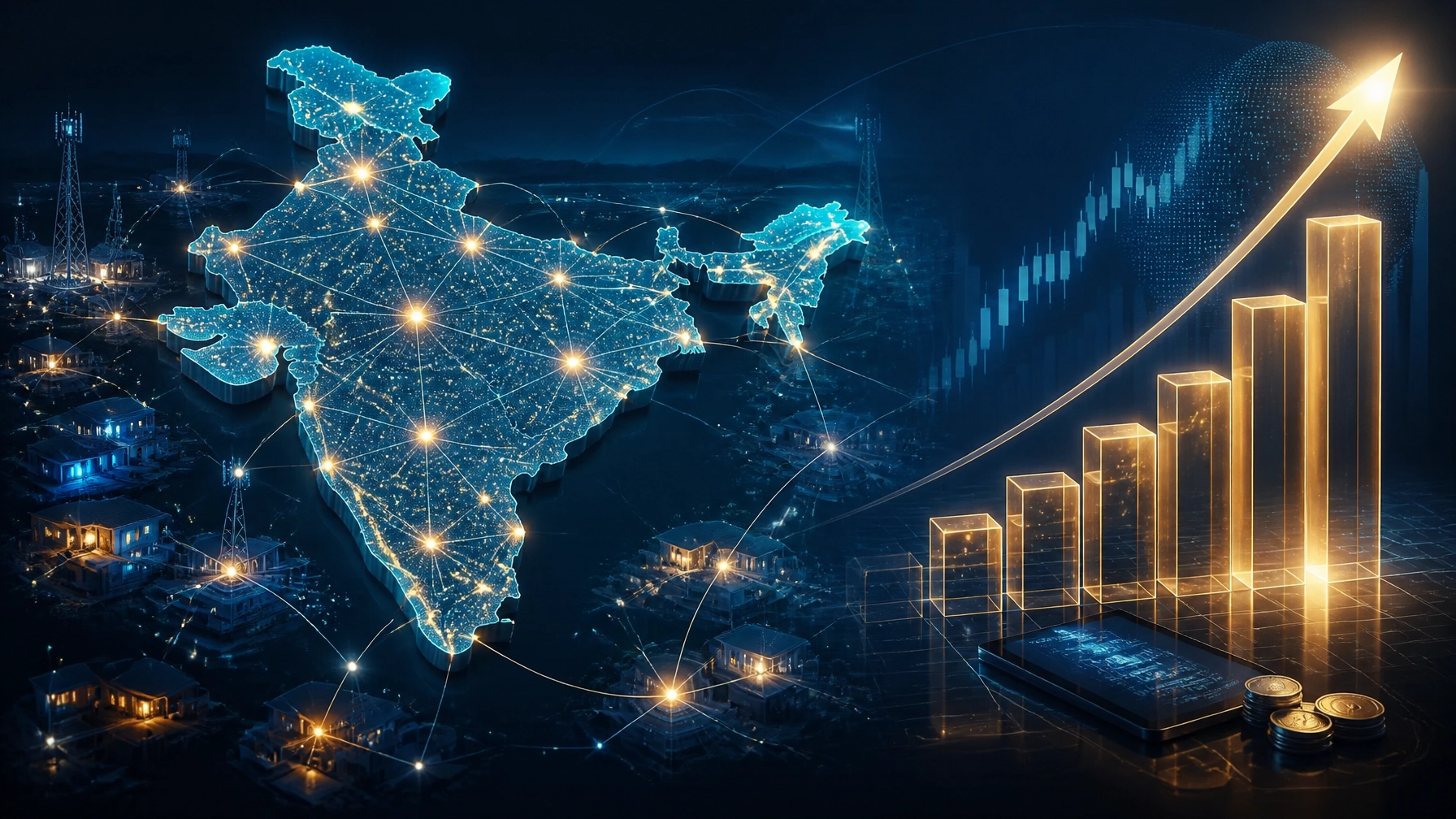
The global financial landscape is witnessing a seismic shift as India’s digital crown jewel, the Unified Payments Interface (UPI), transcends domestic borders to become a catalyst for change in international fintech. For any investor tracking indian stock market news, the rapid globalization of UPI is no longer just a "feel-good" story about national pride: it is a sophisticated strategic maneuver that is fundamentally altering the economy of India.
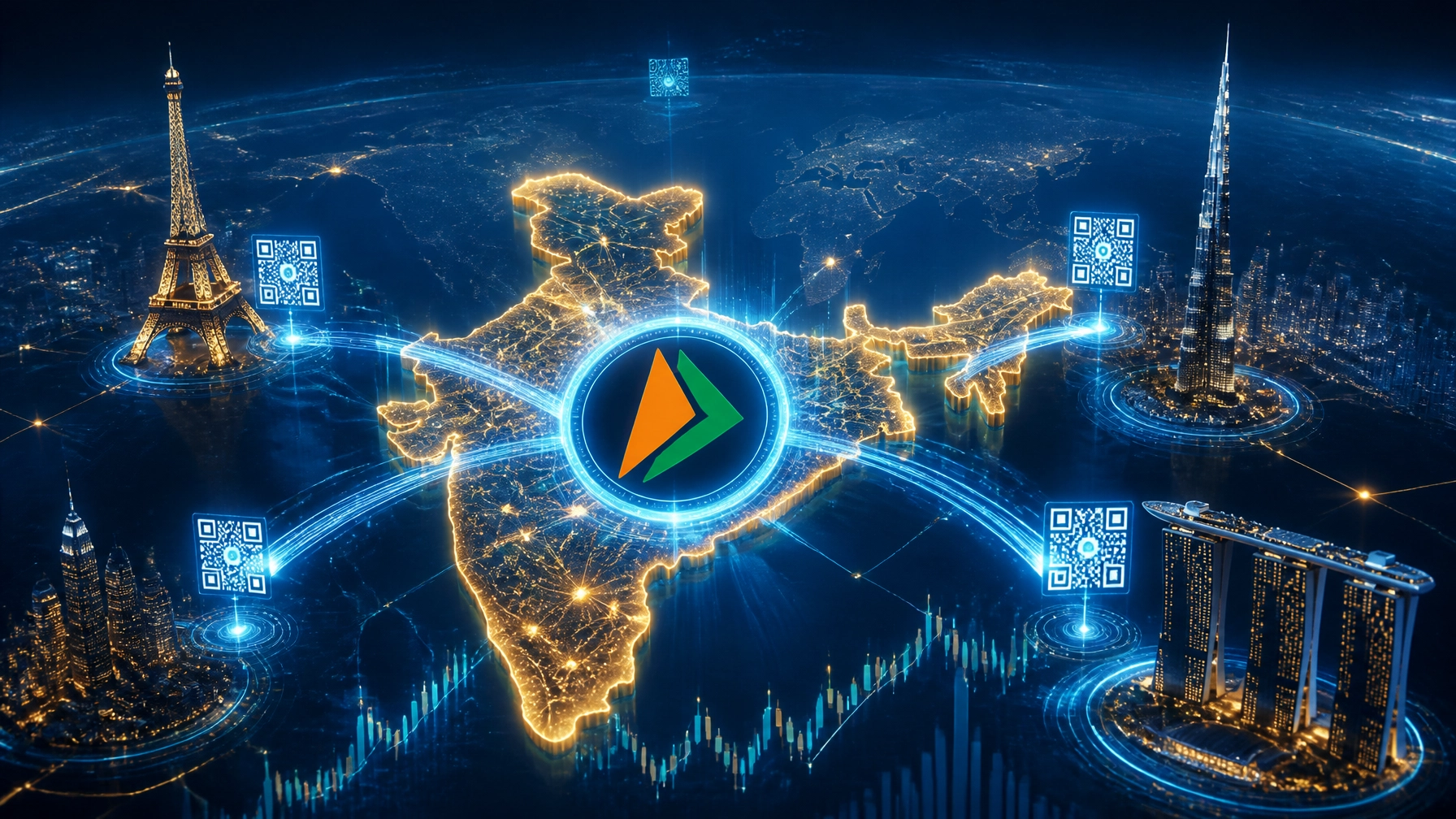
As of June 2026, UPI has evolved from a local peer-to-peer tool into a formidable competitor to traditional global card networks. With successful integrations in France, the UAE, Singapore, and a growing list of G20 nations, the implications for the stock market today are profound. This expansion is not merely about convenience; it is about the democratization of cross-border finance and the projection of India's digital public infrastructure as a global benchmark.
1. The Global Footprint: Beyond the Borders of India
The internationalization of UPI, spearheaded by NPCI International Payments Limited (NIPL), has targeted strategic hubs that host significant Indian diasporas and attract high volumes of Indian tourists. This targeted expansion has created a "UPI corridor" that simplifies transactions and reduces dependency on high-fee traditional banking channels.
The European Gateway: France and the Eiffel Tower
The launch of UPI at the iconic Eiffel Tower was a watershed moment for Indian fintech. Through a partnership with the Lyra Network, Indian tourists can now pay for tickets and souvenirs in Indian rupees by simply scanning a QR code. This move has revitalized the European tourism experience for Indians, with reports indicating a significant uptick in consumer spending by travelers who feel more secure using a familiar, transparent payment system.

The Middle East Powerhouse: UAE and AANI Linkage
In the UAE, UPI’s presence has scaled exponentially. By interlinking with the UAE’s AANI instant payment platform and partnering with entities like Mashreq’s NeoPay, UPI is now accepted at over 60,000 merchant locations. For the millions of Indian expats living in the UAE, this integration serves a legitimate purpose: enabling real-time, low-cost remittances that bypass the "slow and expensive" legacy systems of the past.
The Fintech Hub: Singapore and PayNow
The UPI-PayNow linkage remains the gold standard for bilateral payment integration. By allowing real-time transfers between bank accounts in India and Singapore via mobile numbers, the two nations have created a seamless electronic communications network that facilitates micro-trade and personal remittances.
2. Macroeconomic Catalyst: How UPI Strengthens the Economy of India
The globalization of UPI is a cornerstone of India’s broader mission to become a $5 trillion economy. The macroeconomic benefits are multifaceted, acting as a transformative solution for fiscal challenges.
- Reduction in Remittance Costs: Historically, remittances were burdened by fees ranging from 5% to 7%. UPI-linked channels have slashed these costs to nearly 2-3%, aligning with the UN Sustainable Development Goals. By keeping more capital in the hands of Indian households, UPI directly stimulates domestic consumption: a key driver of the economy of India.
- Digital "Soft Power": By exporting its digital public infrastructure, India is positioning itself as a global leader in technology. This "UPI diplomacy" opens doors for Indian IT firms to consult on and build payment systems for other developing nations, creating a new stream of high-value services exports.
- Financial Formalization: As UPI goes global, more cross-border transactions are captured within the formal financial system. This data-driven insight allows for better tax compliance and more accurate economic forecasting, enhancing the overall fiscal health of the nation.
3. Indian Stock Market News: Sector-Specific Beneficiaries
When analyzing the stock market today, investors must look beyond immediate revenue and focus on the long-term value proposition of UPI’s expansion. While UPI itself is a non-profit-seeking entity, the ecosystem surrounding it is ripe with investment opportunities.
The Banking Giants
Leading Indian banks such as State Bank of India (SBI), HDFC Bank, and ICICI Bank are the primary nodes in the UPI network. As cross-border volumes increase, these banks benefit from increased float, lower operational costs for remittances, and a wealth of transactional data. For the indian stock market news cycle, these banks represent stable, long-term plays on the country's digital maturity.
IT Services and System Integrators
The "export" of UPI requires immense backend support, including cybersecurity, cloud integration, and local system alignment. Large-cap IT firms like TCS, Infosys, and Wipro, as well as specialized fintech integrators, are often the invisible architects behind these international deals. Their ability to deliver these solutions on a global scale is a significant driver of their order books.

Tourism and Hospitality
The ease of payment is a powerful incentive for travel. As noted on our International News category, frictionless payments in places like Mauritius, Sri Lanka, and Nepal have made these destinations more accessible. Listed entities in the aviation and hospitality sectors stand to gain from the exponential growth in outbound Indian travel fueled by payment convenience.
4. Why Global Expansion is a Strategic "Soft Power" Play
The "mission" of UPI has never been just about peer-to-peer payments; it was designed to solve the problem of financial exclusion. Internationally, it solves the problem of "walled gardens" created by global card duopolies. By offering an alternative that is cheaper, faster, and more transparent, India is providing a democratized payment rail for the world.
For the stock market today, this translates into a "digital premium" for Indian equities. Global investors are increasingly viewing India not just as a consumer market, but as a technological innovator. This shift in perception is a primary reason why the Indian market continues to trade at a premium compared to other emerging markets.

5. Challenges and the Path to 1 Billion Transactions
Despite the optimism, the path to global dominance is not without hurdles. Interoperability between different regulatory frameworks, data localization laws, and the technical challenge of linking diverse banking systems require constant innovation. However, as we have seen in the Startups section of Business Tantra, the Indian fintech ecosystem is uniquely equipped to handle these complexities.
PwC projects that by FY 2026-27, UPI will reach 1 billion transactions per day. If even a small percentage of those are international cross-border transactions, the revenue potential for the supporting financial services sector is staggering.
Conclusion
The global expansion of UPI is the definitive narrative for the economy of India in the mid-2020s. It represents a shift from being a consumer of global technology to being a provider of global solutions. For those following indian stock market news, the message is clear: the digital formalization of the economy, backed by international acceptance, is creating a high-moat environment for banks, IT services, and fintech players.
As the stock market today reflects the optimism of a nation on the move, UPI stands as the most visible symbol of India’s technological and economic ascent. Investors who understand this transformative solution will be well-positioned to capitalize on the next decade of India's growth.
For more insights into the latest market movers and economic trends, stay tuned to the latest stories on Business Tantra.