





















Cali Entrepreneur Vs Indian Startup Founder: Which Ecosystem Is Better For Your Next Big Idea?

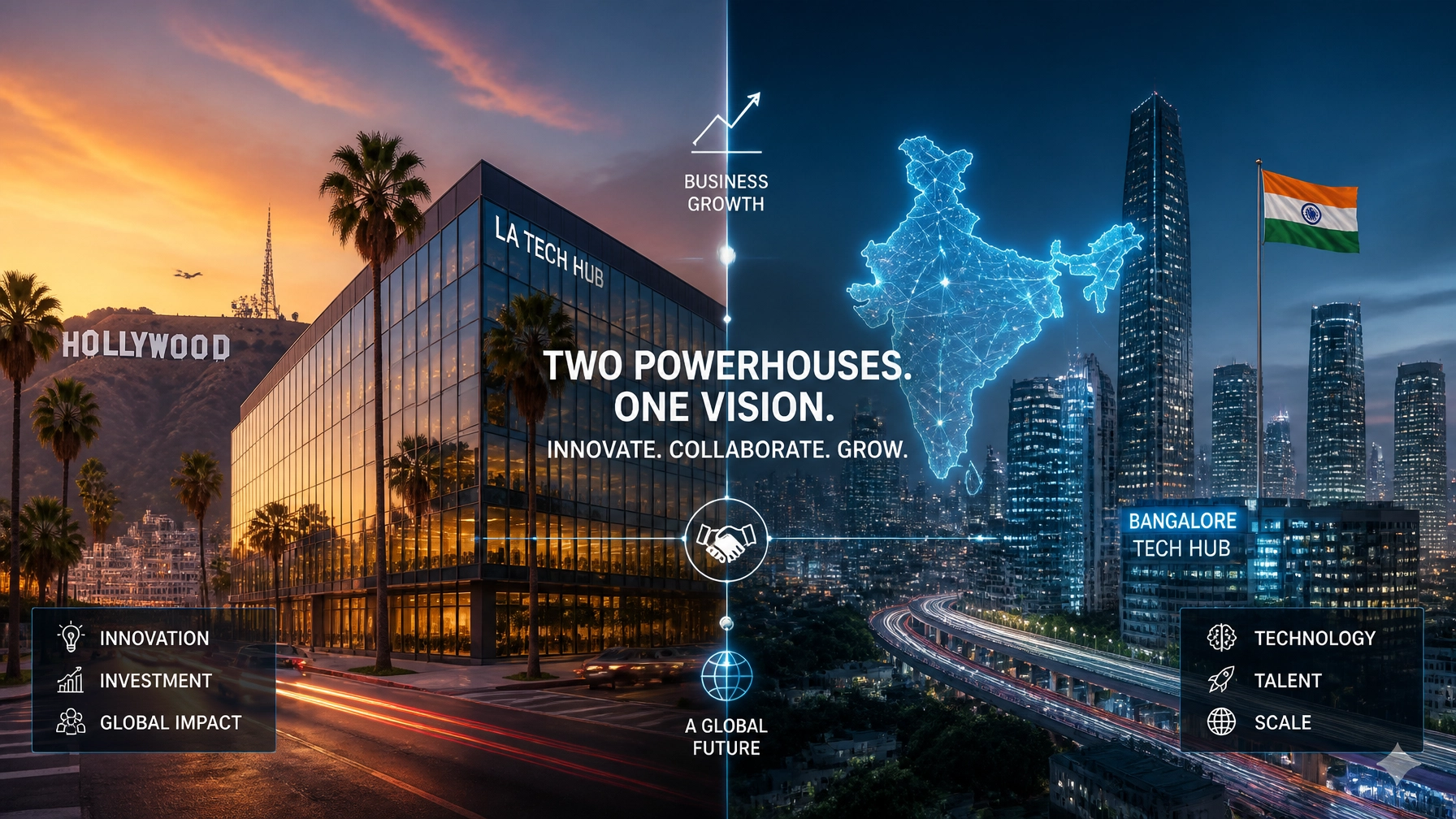
The decision of where to plant the seeds of a new venture is perhaps the most significant strategic move a founder can make in 2026. For many, the choice boils down to two tectonic plates of innovation: the sun-drenched, media-heavy landscape of Southern California and the hyper-growth, mobile-first economy of India. Whether you are a Cali Entrepreneur looking to disrupt the entertainment industry or an Indian founder building the next global SaaS giant, the ecosystem you choose acts as the primary catalyst for your company's growth trajectory.
In this deep-dive analysis, we compare the "Silicon Beach" experience of a Los Angeles Entrepreneur against the relentless momentum of the Indian tech scene. We will examine funding trends, operational costs, and the unique cultural value propositions that define these two global hubs.
1. The Funding Paradigm: Silicon Beach vs. The Bangalore Boom
Capital is the lifeblood of any "mission-critical" startup. However, the nature of that capital varies wildly between a Startup in LA and one based in Mumbai or Bangalore.
The California Maturity
California remains the undisputed heavyweight of venture capital. While the Bay Area often steals the spotlight, the LA business environment has matured into a formidable secondary hub. In 2026, the funding landscape in Los Angeles is characterized by "smart capital": investors who aren't just writing checks but are deeply integrated into the media, gaming, and aerospace sectors. For a Cali Entrepreneur, the proximity to legacy Hollywood studios and new-age tech giants like Snap Inc. or SpaceX provides a layer of strategic partnership that is difficult to replicate elsewhere.
The Indian Growth Velocity
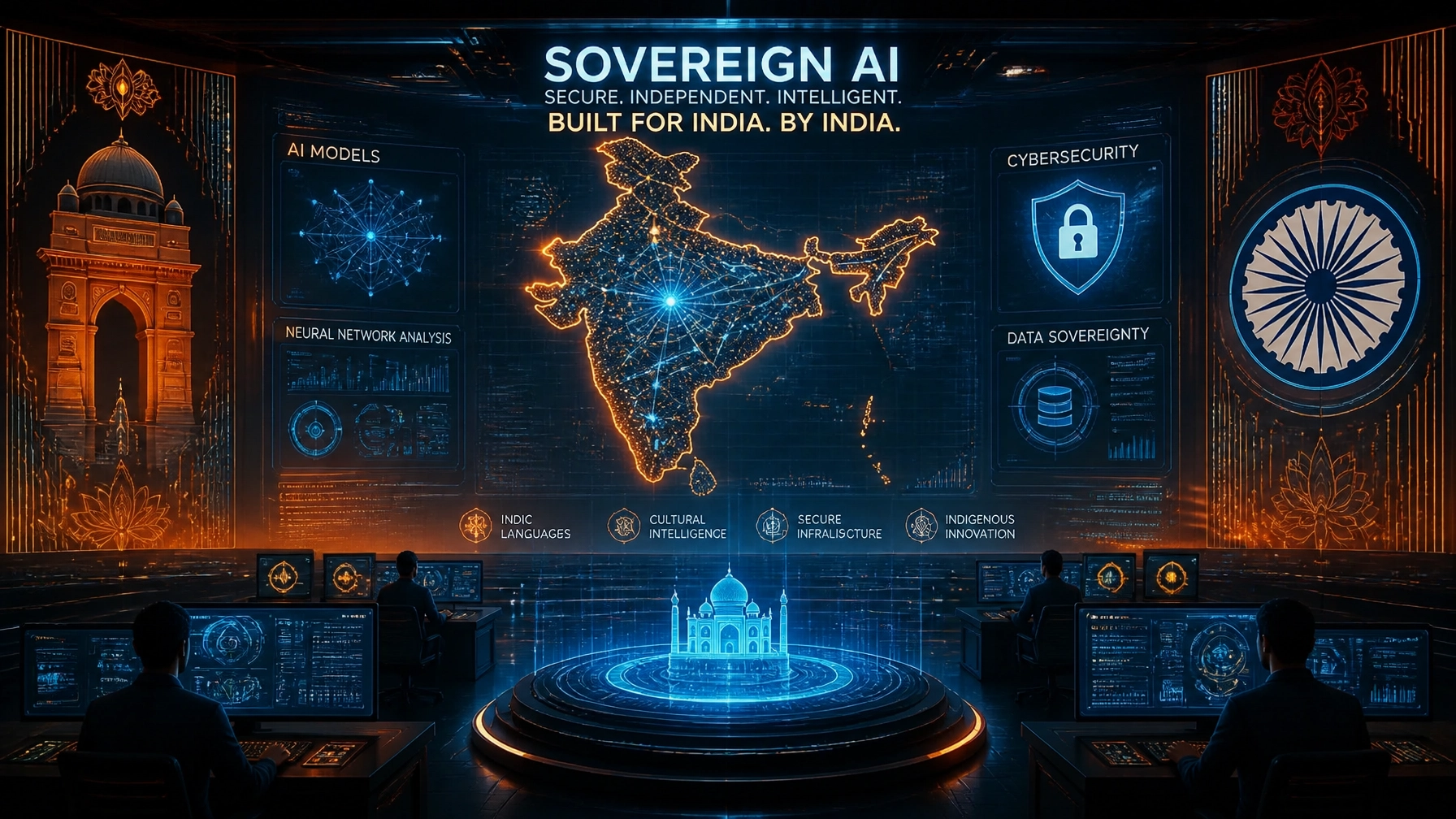
Conversely, the Indian ecosystem has moved past its "emerging" phase. According to recent market data, India stands as the world’s third-largest startup ecosystem, boasting over 94 unicorns. While the number of deals in early 2026 has seen a consolidation: prioritizing quality over quantity: the check sizes for Series A and B rounds have actually increased. The Indian Startups List is no longer just about e-commerce; it now features heavyweights in deep-tech, AI, and green energy.
| Feature | Los Angeles / California | India (Bangalore/Mumbai) |
|---|---|---|
| Primary Sectors | Media, Gaming, SpaceTech, AI | Fintech, SaaS, Logistics, Edtech |
| Capital Access | Deep, mature, highly competitive | High growth, selective, global interest |
| Investor Mindset | Focus on "The Big Exit" (M&A/IPO) | Focus on Unit Economics & Scale |
2. The Los Angeles Entrepreneur: Networking at the Speed of Light
One cannot discuss the LA business scene without mentioning the lifestyle and networking advantages. The "Silicon Beach" stretch: spanning Santa Monica, Venice, and Playa Vista: has democratized access to high-level decision-makers.

A Los Angeles Entrepreneur typically operates in a high-trust, high-velocity environment. The "coffee meeting culture" in Santa Monica often leads to rapid-fire angel rounds or strategic pivots inspired by a chance encounter at a tech mixer. Furthermore, for businesses at the intersection of technology and culture, LA offers an "electronic communications network" of creators and influencers that can provide instant distribution for consumer products.
However, this proximity comes at a premium. The cost of living and the "burn rate" for a Startup in LA are among the highest in the world. Founders here must balance the need for "premium branding" with the harsh reality of California’s tax and regulatory framework.
3. Deciphering the Indian Startups List: Growth at Unprecedented Scale
If California represents the "pinnacle of branding," India represents the "pinnacle of scale." The Indian founder operates in a market of 1.4 billion people, where the digital infrastructure: led by the Unified Payments Interface (UPI): has created a frictionless environment for consumer transactions.
The Power of Networks
In India, success is often tied to your ability to navigate complex socio-economic networks. From referral-structured organizations to high-level CEO peer networks, the Indian business landscape is built on connections.

For a founder appearing on the Indian Startups List, the goal is often "democratizing access." Whether it is providing credit to small-town merchants or streamlining logistics for the "last mile," the value proposition is rooted in solving massive, systemic problems. This mission-driven approach often attracts global "impact investors" who see India as the ultimate testing ground for solutions that can eventually be exported to other emerging markets.
4. Operational Dynamics: High Burn in LA vs. High Efficiency in India
One of the most critical factors in a startup's survival is its "runway." This is where the contrast between a Cali Entrepreneur and an Indian founder becomes most apparent.
Talent and Costs
- The LA Challenge: Hiring a world-class engineer in Los Angeles can cost upwards of $180,000 annually, not including benefits and office space. A Startup in LA often has to raise significantly more capital just to reach the same technical milestones as a lean international competitor.
- The Indian Advantage: India offers a "legitimate purpose" for a hybrid model. Many founders today choose to incorporate in the US while maintaining their entire engineering and back-office operations in India. This allows them to tap into the high-quality technical talent of Bangalore or Pune at a fraction of the cost, effectively extending their runway by 3x or 4x.

5. Security and Infrastructure: The New Global Standard
As we move further into 2026, the focus for both ecosystems has shifted toward "data-driven insights" and cybersecurity. Regardless of whether you are building a fintech app in Mumbai or an adtech platform in LA, protecting user data is paramount.

The regulatory environment in India has become increasingly sophisticated, with new data protection laws mimicking the GDPR. For the Indian founder, this means a higher compliance burden but also a more "revitalized" trust from global partners. Meanwhile, the LA business community continues to navigate the complexities of California’s strict privacy laws, ensuring that any Cali Entrepreneur must prioritize legal precision from day one.
6. The Lifestyle: Resilience vs. Wellness
Finally, we must address the "human element." The life of a founder is grueling.
- California Lifestyle: LA offers an unparalleled "outdoor" lifestyle. The focus on wellness, bio-hacking, and mental health among the Cali Entrepreneur community is a strategic advantage. A founder who can surf in the morning and take VC meetings in the afternoon often maintains a higher level of creative endurance.
- India Lifestyle: The Indian founder’s lifestyle is one of "resilience." Navigating the logistical hurdles of a mega-city like Mumbai requires a certain "hustle" that becomes ingrained in the startup's culture. This grit is what allows Indian startups to survive "funding winters" and emerge as market leaders.

Conclusion: Which Ecosystem Is Better?
The answer depends entirely on your "mission" and "value proposition."
If your goal is to build a high-margin, brand-centric platform that leverages the world’s most powerful media and entertainment machinery, being a Cali Entrepreneur in Los Angeles is your best bet. The proximity to capital, creators, and "global signaling" is unmatched.
However, if your goal is to build a high-utility, high-scale solution for the "next billion" users: or if you want to leverage a massive pool of technical talent to build a global SaaS product: the Indian Startups List is where you belong. The capital efficiency and domestic growth potential in India offer a "catalyst for change" that is simply more explosive in the current decade.
At Business Tantra, we believe the most successful founders of the future will be those who can bridge these two worlds: leveraging the branding of California with the operational scale of India.
Ready to share your own startup story? Publish your interview on Business Tantra and reach a global audience of investors and professionals.