























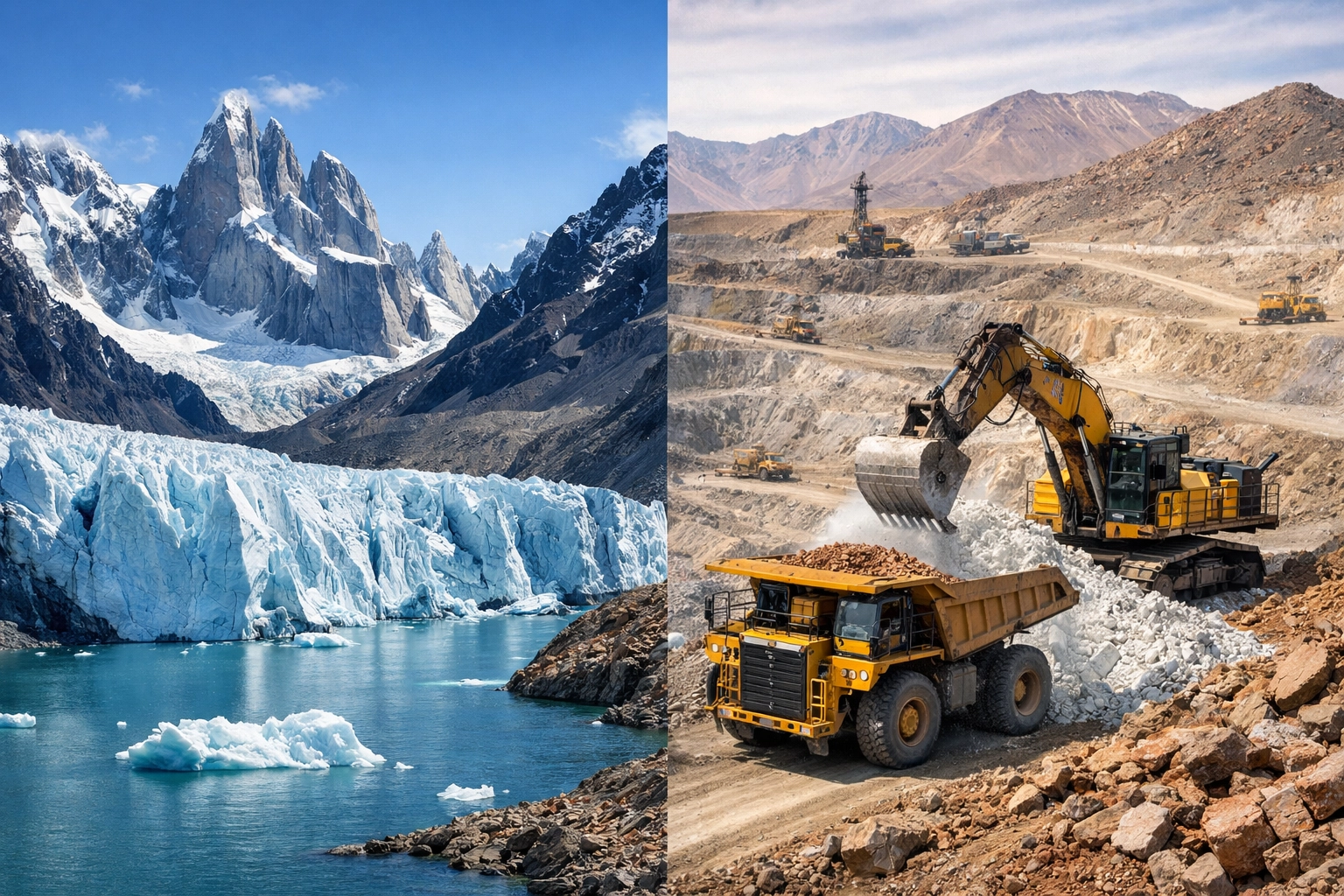

Economy of India discussions increasingly intersect with global commodity politics, and Javier Milei’s move to loosen glacier protections in Argentina is a prime example of why. Argentina is positioning copper and lithium extraction as a strategic lever for growth, foreign investment, and participation in the energy transition. For readers tracking financial news india, this development matters because resource nationalism, mining reform, and green-metals supply chains now shape everything from investor sentiment to inflation expectations and industrial strategy.
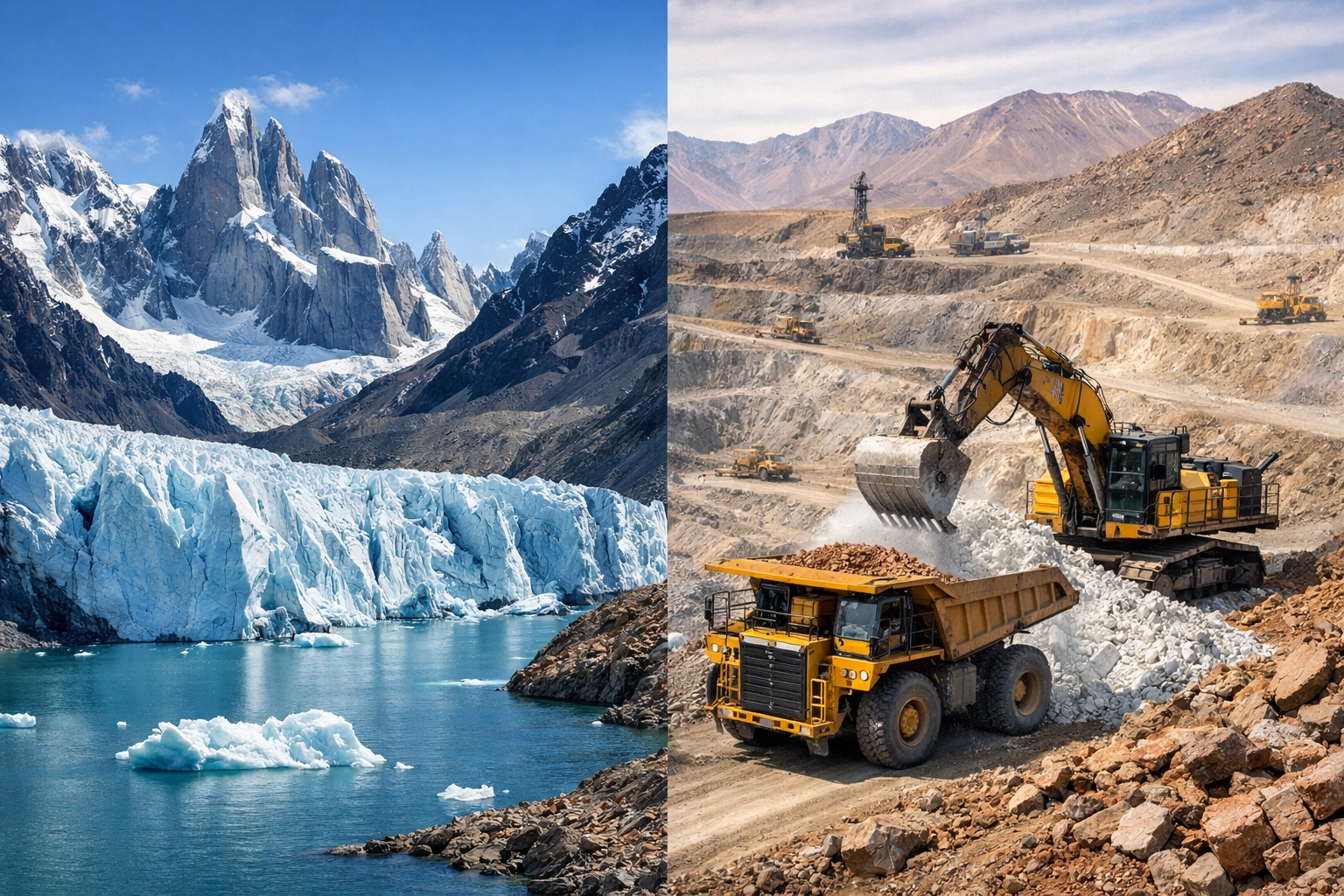
Milei’s decision has triggered a high-stakes debate between environmental safeguards and economic acceleration. The core policy direction is clear: Argentina wants to revitalize dormant mining projects by easing restrictions that previously limited activity in glacier and periglacial zones. In official and industry terms, the argument rests on a legitimate purpose—unlocking critical minerals needed for batteries, electric vehicles, grids, and renewable infrastructure. Yet the controversy is equally clear: glaciers are strategic freshwater reserves, and any weakening of protections could create long-term ecological and legal risks.
1. Why Argentina’s Glacier Policy Matters Beyond Latin America
The policy shift is not merely a domestic Argentine issue. It is a catalyst for change in the global race to secure copper and lithium, two minerals central to decarbonization. Copper remains indispensable for transmission networks, electric motors, and the broader electronic communications network supporting industrial modernization. Lithium, meanwhile, is foundational to battery manufacturing and energy storage.
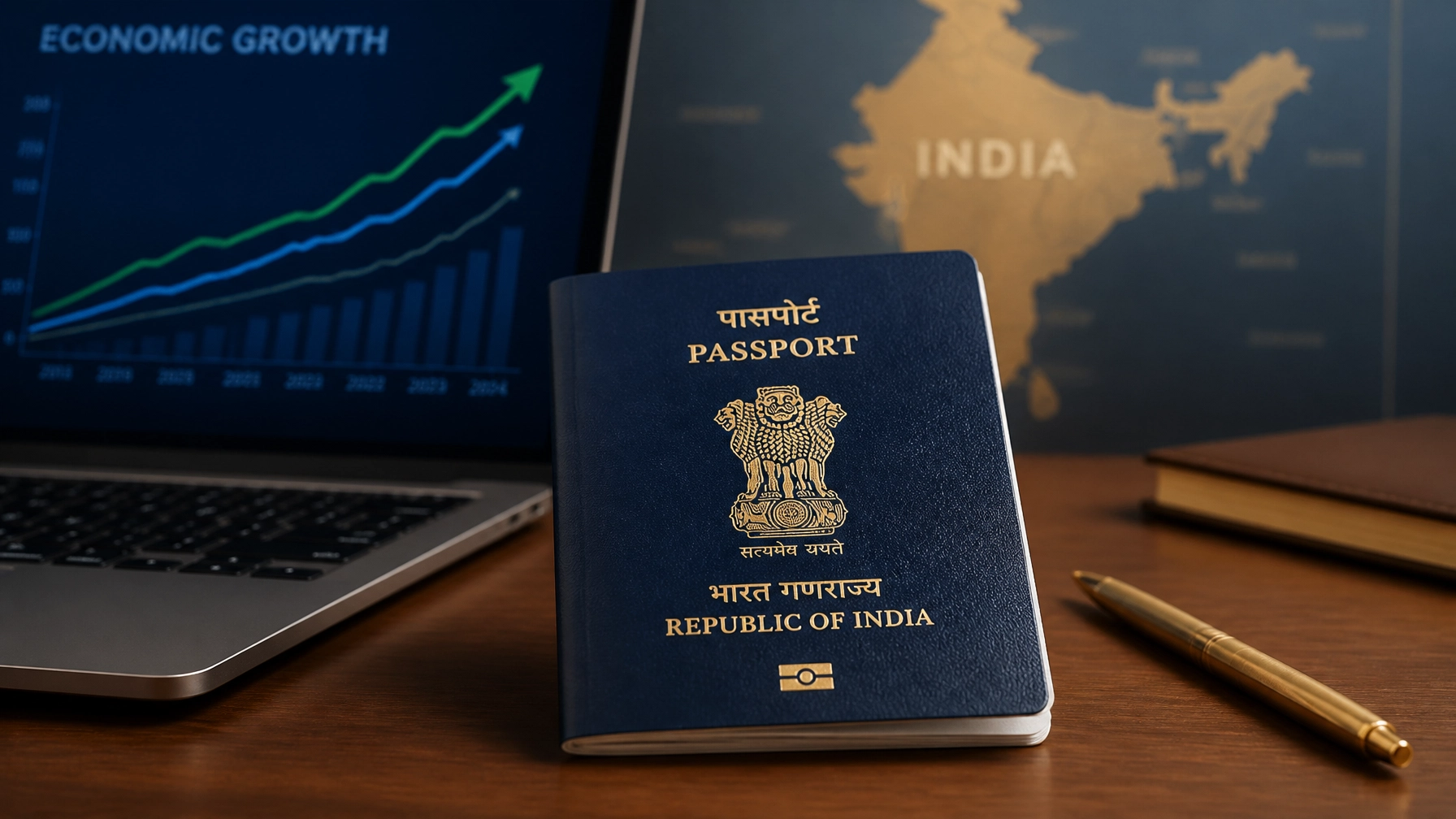
For the economy of india, such moves matter because India is scaling its clean-energy ambitions, EV manufacturing ecosystem, and industrial competitiveness agenda. If Argentina expands output materially, global supply conditions could change, influencing procurement costs and strategic planning for Indian manufacturers. That, in turn, can affect gdp growth india narratives linked to industrial output, imports, and capital expenditure.
Alt text: economy of india
Readers following Business Tantra will recognize that commodity access is no longer a side story. It is a frontline economic issue with implications for trade balances, energy security, and long-term competitiveness.
2. Milei’s Mining Push and the Energy Transition
Milei’s administration is framing mining deregulation as a growth engine. The broader value proposition is straightforward: attract capital, accelerate approvals, and monetize Argentina’s geological potential before competitors capture the moment. In that sense, the reform agenda is being sold as a transformative solution rather than a narrow regulatory tweak.
Argentina already sits within the world’s “lithium triangle,” alongside Chile and Bolivia, and also holds major copper prospects. By loosening glacier-related constraints, the government is signaling to investors that stalled or legally constrained projects may receive a renewed pathway. That message is likely to appeal to international mining houses seeking exposure to metals tied to exponential growth in electrification demand.
For Indian audiences consuming financial news india, the lesson is practical. Commodity shocks and commodity opportunities increasingly travel together. When key producing nations alter extraction rules, downstream sectors in India—from batteries to auto components to renewable infrastructure—must recalibrate assumptions quickly.
For deeper coverage of business and policy shifts, readers can explore the latest reporting on Business Tantra’s news coverage.
3. The Environmental and Legal Risks Behind the Reform
The reform push is far from universally celebrated. Glacier laws were designed to protect fragile ecosystems and preserve water resources that communities and industries depend upon. Critics argue that loosening these protections may create environmental liabilities that outweigh short-term revenue gains.
This is where the story moves from abstract optimism to operational complexity. Mining in high-altitude, glacier-adjacent regions raises concerns about water contamination, tailings management, and cumulative ecological damage. It also opens the door to prolonged litigation, regulatory uncertainty, and reputational risk for investors.
According to reporting and analysis from Reuters and sector research from organizations such as the International Energy Agency, the global demand case for critical minerals is strong, but supply expansion is rarely frictionless. The legal architecture around environmental protections often becomes the decisive variable. Any attempt to weaken safeguards in Argentina could therefore produce delays even as it seeks to speed investment.
For the economy of india, this matters as a cautionary principle: rapid industrialization and resource access must be balanced with enforceable environmental governance. That balance is central to credible, durable gdp growth india.
4. What This Means for Economy of India, GDP Growth India, and Financial News India
The connection to the economy of india is not rhetorical; it is strategic. India’s ambition to democratize access to clean mobility, build resilient supply chains, and strengthen advanced manufacturing depends in part on the availability and affordability of imported critical minerals. If Argentina succeeds in increasing copper and lithium output, Indian companies could benefit from broader supply optionality.
That said, more mining supply does not automatically mean lower risk. Geopolitics, environmental disputes, infrastructure bottlenecks, and financing constraints can still distort markets. Hence, readers scanning financial news india should watch this issue through three lenses:
1. Supply Chain Security
India’s battery, energy storage, and EV ecosystems require reliable raw materials. Expanded Argentine mining could become a meaningful input for future sourcing strategies.
2. Investment Signaling
When governments dilute protections to attract capital, investors gain opportunity but also inherit policy risk. This matters for global funds, commodity traders, and Indian corporates evaluating overseas exposure.
3. Inflation and Industrial Competitiveness
Copper and lithium prices ripple across manufacturing costs. In a scenario where input pressures moderate, sectors tied to infrastructure and mobility may receive a modest boost, supporting broader gdp growth india expectations.
For related market and policy reads, visit Business Tantra’s economics section, where global developments are assessed through an Indian business lens.
5. A Defining Test of Growth Versus Conservation
Milei’s glacier-law approach encapsulates a defining contradiction of the green economy: the energy transition requires more mining, but more mining can threaten the very ecosystems climate policy seeks to protect. Argentina’s current direction reflects a hard-nosed economic logic—one that prioritizes export earnings, investor confidence, and accelerated project development. Yet the political durability of that logic will depend on whether the administration can prove that mining expansion and environmental accountability are not mutually exclusive.
For the economy of india, the episode is highly instructive. India’s policymakers, investors, and corporate leaders are navigating the same global reality: growth now depends not only on technology and capital, but on secure access to strategic minerals under legally defensible frameworks. This is why stories like Argentina’s are no longer distant geopolitical curiosities; they are integral to understanding financial news india and the forces that influence gdp growth india over the next decade.
Conclusion
Javier Milei’s decision to loosen glacier protections for copper and lithium mining is more than an Argentine regulatory adjustment—it is a bold, controversial wager on the future of critical minerals. The policy aims to revitalize investment and position Argentina as a more aggressive supplier to the global energy transition, but it also raises serious environmental and legal questions.
For observers focused on the economy of india, the takeaway is definitive: global mining policy is now a material driver of industrial costs, strategic sourcing, and long-term competitiveness. As the race for lithium and copper intensifies, this story will remain relevant to financial news india, and its ripple effects may ultimately feed into the broader trajectory of gdp growth india.