























As we navigate the fiscal landscape of 2026, the global economy finds itself at a critical juncture. For the Association of Southeast Asian Nations (ASEAN), a region previously celebrated for its robust recovery and resilient manufacturing hubs, a new set of variables is complicating the growth narrative. Chief among these is the escalating volatility in the Middle East. While geographically distant, the ripple effects of these tensions are serving as a catalyst for change in how regional economists view the "ASEAN-6": Indonesia, Malaysia, the Philippines, Singapore, Thailand, and Vietnam.
In this analytical deep dive, Business Tantra explores why economists have recently downgraded growth forecasts and what these shifts mean for the Economy of India and forward-thinking entrepreneurs looking to expand their footprint across the Indo-Pacific.
1. The Downgrade: Analyzing the ASEAN-6 GDP Forecast
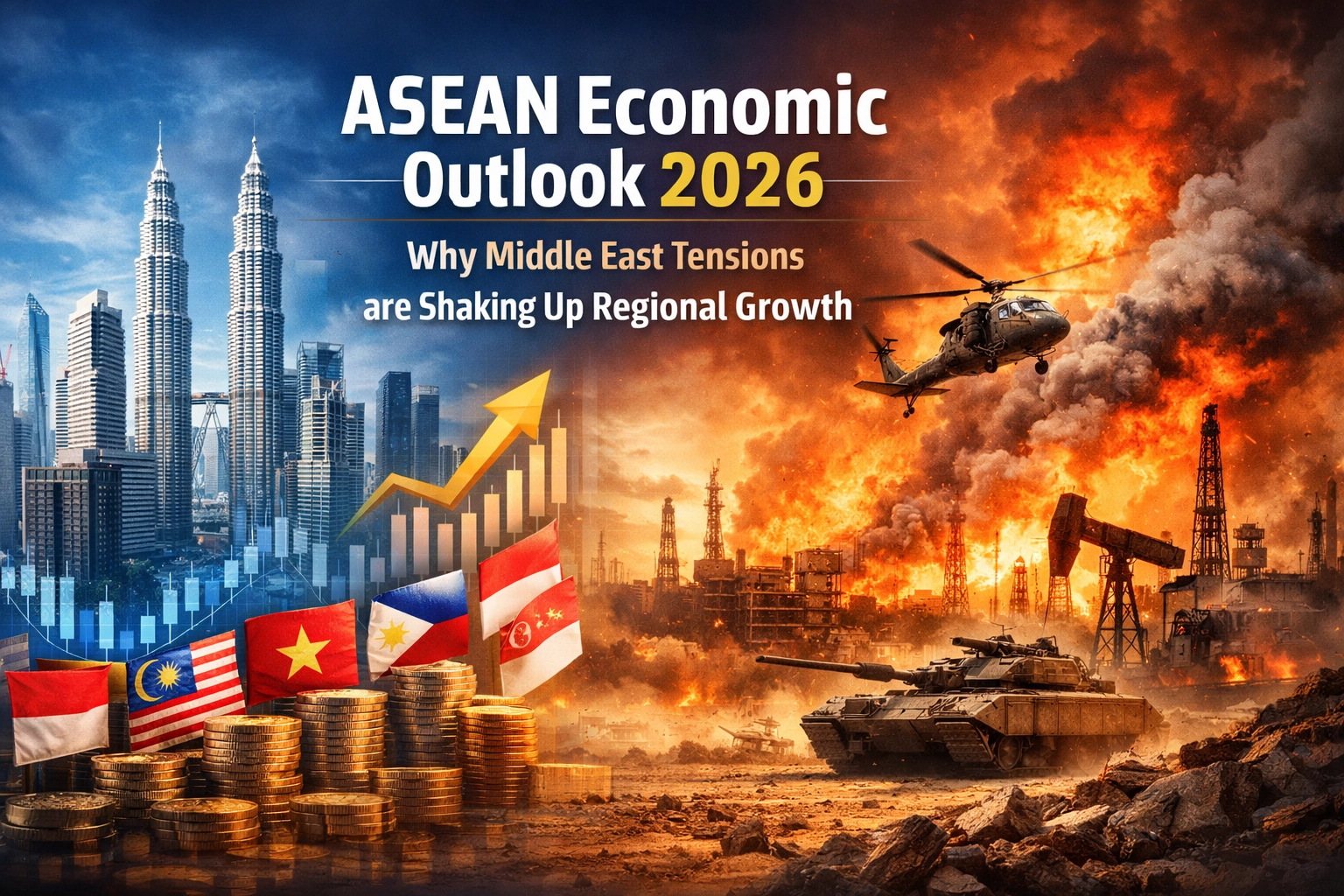
The economic sentiment for 2026 has undergone a significant recalibration. According to recent data from the Asia News Network, economists have cut the ASEAN-6 GDP growth forecast to a more conservative 4.5 percent. This revision is not merely a statistical adjustment but a reflection of the systemic risks currently permeating global trade.
The downgrade stems from the realization that the "geopolitical premium" on commodities and logistics is no longer a temporary fluctuation but a sustained structural challenge. For Indian business updates, this serves as a cautionary signal. Southeast Asia, often viewed as the primary alternative to Chinese manufacturing, is now grappling with external shocks that threaten to dampen domestic consumption and industrial output.

2. Energy Security: The Achilles’ Heel of Regional Growth
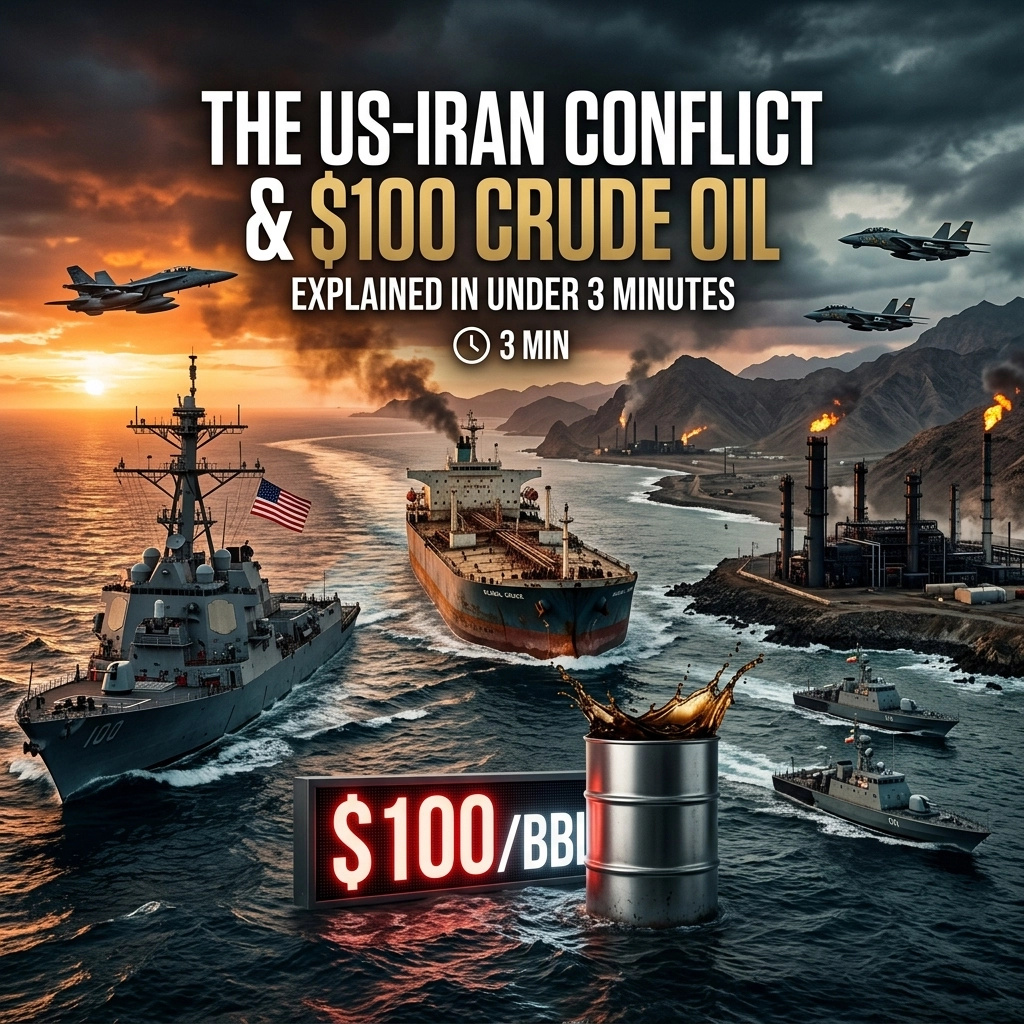
The most immediate transmission mechanism for Middle East tensions is energy pricing. Asia remains the world’s largest energy-importing region, and the ASEAN-6 are particularly vulnerable to price spikes in Brent crude and natural gas. In early 2026, we witnessed Brent crude surge nearly 45 percent following disruptions in Middle Eastern energy infrastructure.
For several ASEAN nations, oil and natural gas imports now surpass 2 percent of their total GDP. This creates a dual-pronged crisis:
- Fiscal Strain: Governments that maintain fuel subsidies are seeing their national budgets stretched to a breaking point.
- Industrial Costs: For manufacturers in Vietnam and Thailand, the rise in energy costs acts as a "tax" on production, making their exports less competitive in the global market.
At Business Tantra, we recognize that energy diversification is no longer a long-term goal but a short-term necessity. Indian businesses currently engaged in the renewable energy sector may find this an opportune moment for technology transfers and cross-border partnerships.
3. Supply Chain Disruptions and the Maritime Chokepoint
Beyond the cost of the fuel itself is the cost of moving goods. The Strait of Hormuz and the broader maritime corridors linking the Gulf to Asia are critical arteries for global commerce. Any perceived threat to these routes leads to immediate spikes in insurance premiums and freight rates.
We are currently seeing a "cascading effect" where higher logistics costs are being passed down the value chain. This is particularly relevant for the electronics and automotive sectors: industries where India and ASEAN share deep supply chain interdependencies. Entrepreneurs should keep a close eye on Indian business updates to monitor how these maritime delays affect the delivery of intermediate goods required for domestic manufacturing.
4. The Threat of Regional Stagflation
Perhaps the most concerning prospect for 2026 is the emergence of stagflation: a combination of stagnant growth, high unemployment, and persistent inflation. As energy and food prices rise due to supply chain friction, household budgets across Jakarta, Bangkok, and Manila are being squeezed.
When utility costs represent a significant share of household spending, discretionary spending falls. For Indian consumer goods companies looking to penetrate the Southeast Asian market, this means a shift in strategy may be required. Value-driven products and essential commodities are likely to outperform luxury or non-essential items in this high-inflation environment.
5. Policy Coordination and the Risk of Protectionism
In response to these external pressures, ASEAN economic ministers have voiced concerns regarding a potential drift toward protectionism. When resources become scarce or expensive, the temptation for "nationalist" economic policies: such as export restrictions on essential goods: grows.
To counter this, the region is doubling down on existing frameworks like the ASEAN Power Grid and the ASEAN Framework Agreement on Petroleum Security. For the Economy of India, maintaining a strong diplomatic and economic relationship with these blocs is essential. Business leaders should stay informed through our blog layout to understand how shifting trade policies might affect their "legitimate purpose" in entering these markets.

6. Strategic Implications for Indian Businesses
How should an Indian entrepreneur react to the ASEAN slowdown? Despite the lowered GDP forecasts, the region remains a vital partner. The key lies in strategic positioning.
- Manufacturing Diversification: As ASEAN costs rise, India’s own manufacturing sector, bolstered by "Make in India" initiatives, becomes a more attractive hub for both domestic and international demand.
- Tech and Services: While physical trade faces logistics hurdles, digital services and SaaS solutions continue to enjoy exponential growth. Indian tech firms can democratize access to efficiency tools for ASEAN businesses looking to cut operational costs.
- The Rise of Women Entrepreneurs: A significant trend in 2026 is the revitalized role of women-led startups in the Indo-Pacific. Women entrepreneurs in India are increasingly leading the charge in sustainable fashion, fintech, and agri-tech: sectors that are proving remarkably resilient to geopolitical shocks.
7. Investment Tips: Navigating a Volatile 2026
For those seeking to optimize their portfolios, here are three high-level investment tips based on current trends:
- Energy Transition Stocks: Look for companies specializing in renewable energy infrastructure within the ASEAN-India corridor. As fossil fuel prices become unpredictable, the transition to green energy will accelerate.
- Agri-Tech Innovations: With food security at the forefront of policy discussions, firms providing data-driven insights to improve crop yields will see increased valuation.
- Logistics Tech: Companies that provide transparency and "real-time" rerouting solutions for maritime trade are the new gatekeepers of the global economy.

8. Business Tantra: Empowering the Next Generation of Leaders
At Business Tantra, our mission is to provide the clarity needed to navigate complex global shifts. We believe that informed decision-making is the ultimate catalyst for business success. Whether you are a seasoned CEO or one of the many rising women entrepreneurs shaping the future, staying ahead of the curve is non-negotiable.
We invite you to register for our premium insights or contact us to learn more about how we can support your business expansion goals.
Conclusion
The 2026 ASEAN economic outlook is a stark reminder of the interconnectedness of our modern world. Middle East tensions are not just a localized conflict; they are a systemic shock that requires a sophisticated, data-driven response. While the downgrade to a 4.5 percent growth rate for the ASEAN-6 is a setback, it also presents a unique opening for the Economy of India to strengthen its role as a regional stabilizer.
By focusing on energy efficiency, supply chain resilience, and the burgeoning talent of our entrepreneurs, the Indo-Pacific region can turn these challenges into a foundation for more sustainable, long-term growth. The road ahead requires agility, but for those who are prepared, the opportunities remain vast.
Stay tuned to Business Tantra for the latest updates on international trade and economic shifts.
Want to dive deeper? Explore our latest home-blog for more industry-specific analysis.