




















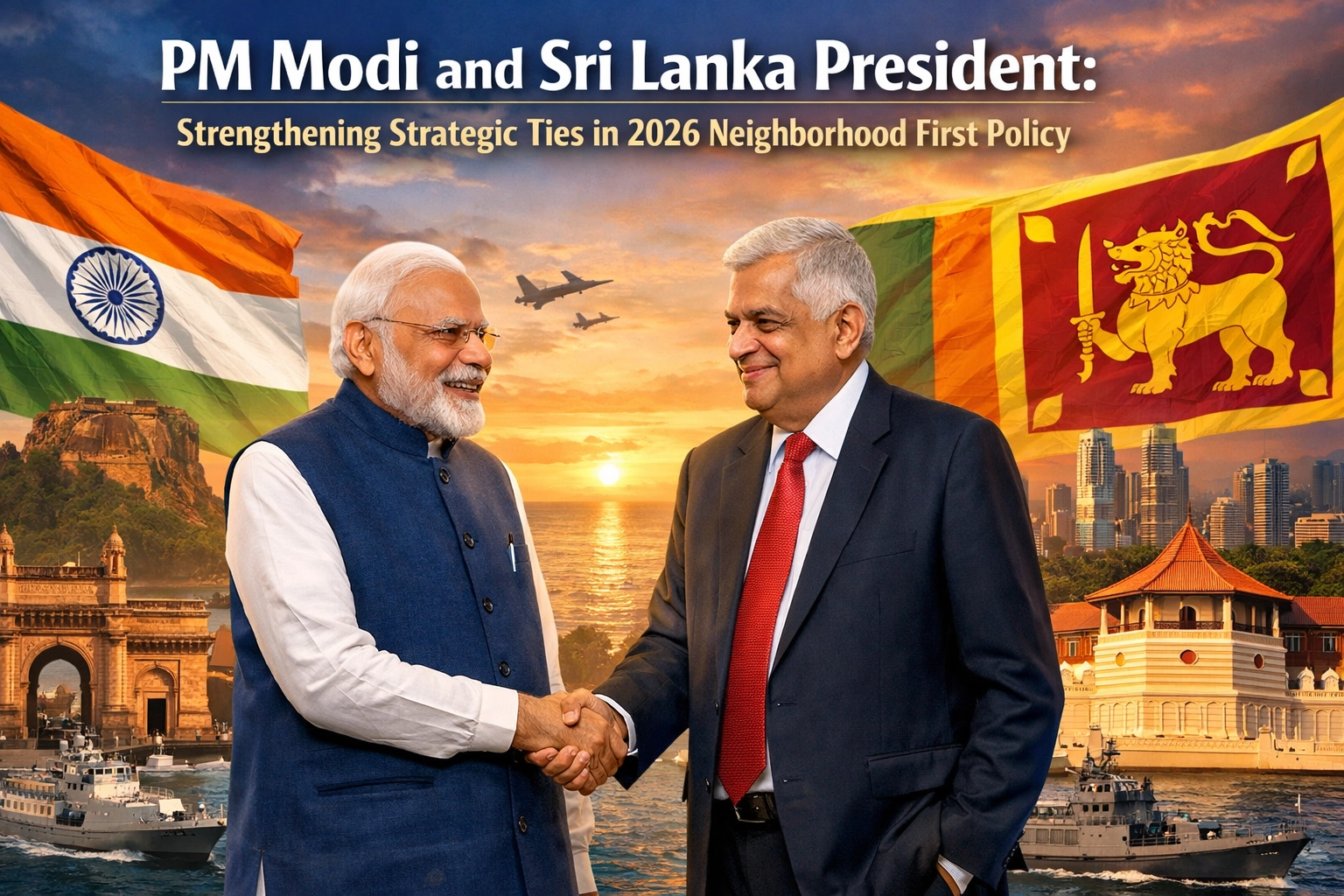

On March 24, 2026, a pivotal diplomatic engagement occurred that underscored the deepening resilience of South Asian geopolitics. Prime Minister Narendra Modi received a high-level telephonic call from the President of Sri Lanka, Anura Kumara Dissanayake. This conversation, while ostensibly a periodic check-in, represents a much larger narrative of revitalized bilateral relations and the robust implementation of India’s "Neighborhood First" policy.
For the business community and strategic observers at Business Tantra, this dialogue is a catalyst for change, signaling a period of prolonged regional stability and economic synergy. As the global economy navigates the complexities of 2026, the Indo-Lanka partnership is emerging as a cornerstone of prosperity in the Indian Ocean Region (IOR).
1. The Strategic Context of the March 2026 Dialogue
The timing of this interaction is particularly significant. Following the high-level engagements at the India AI Impact Summit in New Delhi earlier in February 2026, the March 24 call served to solidify the roadmap laid out during President Dissanayake’s state visit. The leaders focused on the evolving regional challenges, particularly the volatility in West Asia, which has direct implications for energy prices and maritime security.
By maintaining a direct line of communication, both nations are signaling a commitment to a "no-surprises" foreign policy. For Indian entrepreneurs looking to expand into neighboring markets, this diplomatic consistency provides a legitimate purpose for long-term investment and cross-border trade.
2. Reinforcing the 'Neighborhood First' Policy
India’s foreign policy in 2026 remains anchored by the "Neighborhood First" doctrine. Prime Minister Modi’s conversation with the Sri Lankan President reiterated that Sri Lanka holds a special place in India's developmental vision. This policy is not merely about diplomatic courtesy; it is a strategic framework designed to democratize economic opportunities across the subcontinent.
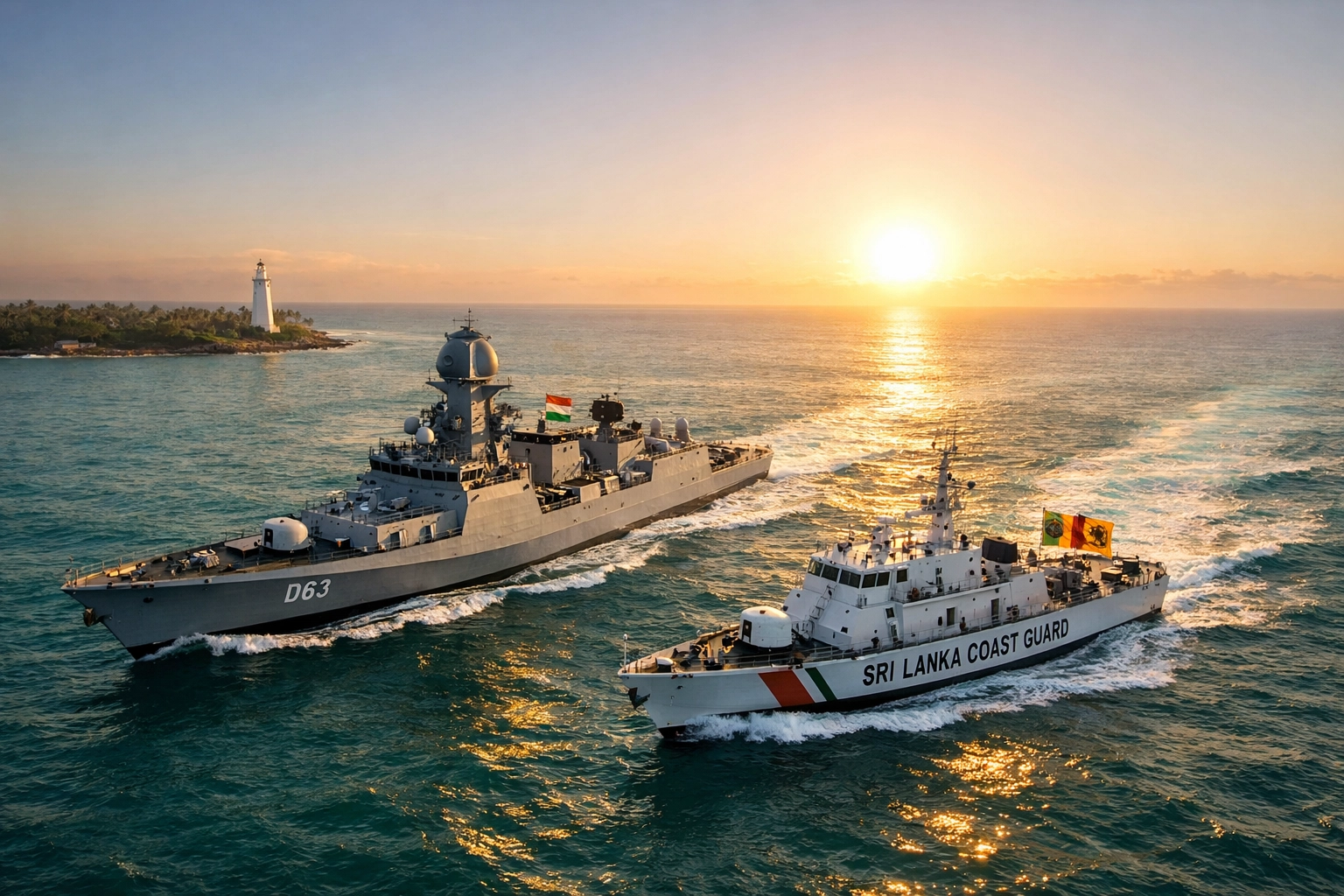
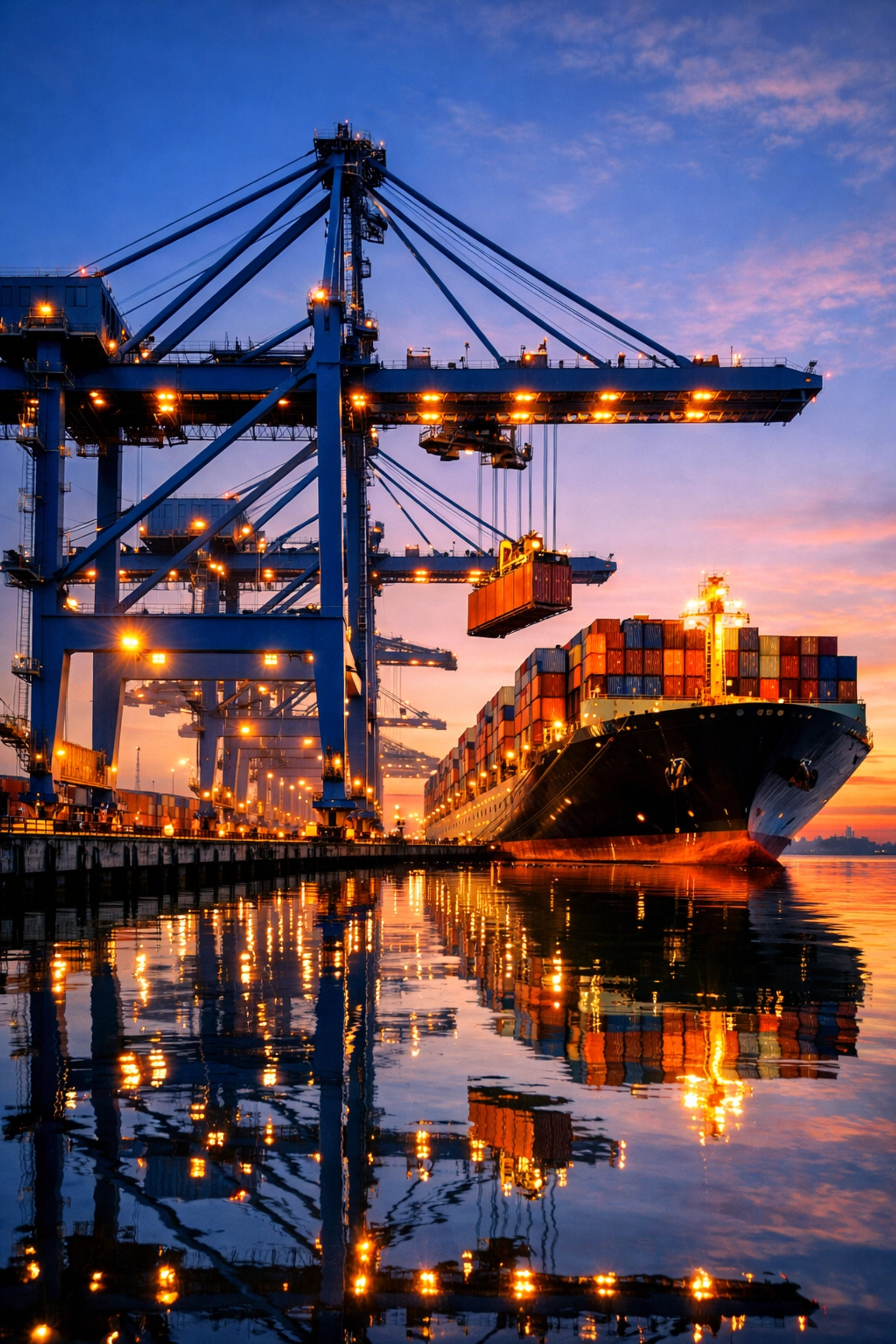
The "MAHASAGAR" Vision, an acronym for Maritime Security and Growth for All in the Region, was a focal point of the discussion. This vision emphasizes collective action to ensure the Indian Ocean remains a zone of peace and productivity. By aligning their maritime strategies, India and Sri Lanka are effectively safeguarding the electronic communications networks and shipping lanes that are vital for global trade.
3. Economic Cooperation and Infrastructure Development
One of the most transformative elements of the current bilateral relationship is the USD 450 million reconstruction assistance package provided by India. During the call, the leaders reviewed the progress of various projects funded under this initiative. These projects are primarily focused on:
- Physical Connectivity: Revitalizing ports and railways to lower logistics costs.
- Energy Infrastructure: Developing integrated power grids that allow for the seamless transfer of renewable energy.
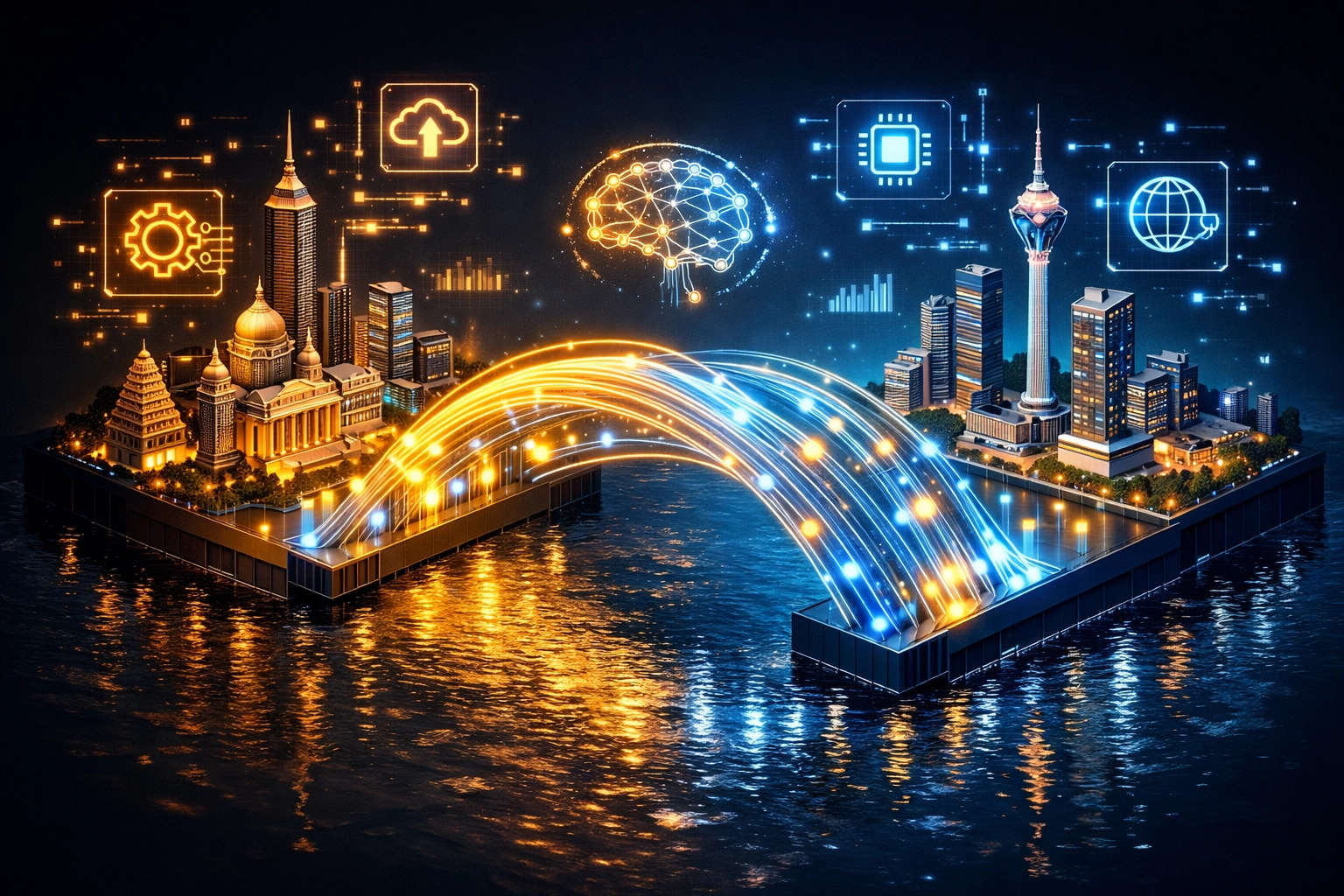
- Digital Integration: Expanding the reach of digital public infrastructure to facilitate smoother financial transactions.
For those interested in the broader impact on the Indian economy, visiting the Business Tantra Home News section provides deeper insights into how these infrastructure milestones are driving GDP growth.
4. Energy Security in a Volatile Global Market
With escalating tensions in West Asia impacting global oil supplies, energy security has moved to the forefront of the bilateral agenda. India and Sri Lanka are currently collaborating on initiatives to keep shipping lines open and secure. This is crucial for the steady flow of energy resources that power the industries of both nations.
The leaders discussed the progress of the India-Sri Lanka energy pipeline and the integration of the electrical grids. These projects are seen as essential for achieving energy independence and stability. From a business perspective, the successful execution of these energy projects will lead to more predictable operational costs for manufacturers and startups alike.
5. AI and Technology: The New Frontier of Growth
The February 2026 India AI Impact Summit set the stage for a technological revolution in the region. PM Modi and President Dissanayake exchanged views on deploying artificial intelligence responsibly to meet development goals. The focus is on using data-driven insights to improve service delivery in sectors like healthcare, agriculture, and urban planning.
This technological alignment presents a massive opportunity for tech-based startups in India. As Sri Lanka seeks to modernize its economy, the demand for Indian expertise in AI and digital transformation is expected to see exponential growth. Entrepreneurs can stay updated on these emerging trends through the Business Tantra Blog.
6. Humanitarian Leadership: Operation Sagar Bandhu
The strength of a partnership is often tested during times of crisis. The recent Cyclone Ditwah saw India acting as the first responder under "Operation Sagar Bandhu." India’s swift and unconditional support, providing emergency relief supplies and conducting search and rescue operations, has significantly bolstered India’s image as a reliable regional leader.
President Dissanayake expressed his gratitude for this "first responder" approach, noting that such humanitarian gestures reinforce the civilizational linkages between the two peoples. This soft power exercise is essential for creating a favorable environment for Indian businesses operating on the island.
7. Civilisational Linkages and Cultural Diplomacy
Beyond trade and security, the relationship is rooted in shared history. The successful exposition of the Holy Devnimori relics in Sri Lanka was highlighted during the call as a demonstration of shared cultural heritage. This cultural diplomacy serves to strengthen the bond between the citizens of both nations, creating a foundation of trust that facilitates smoother business and diplomatic interactions.
8. Implications for Indian Businesses and Entrepreneurs
The stability resulting from these high-level diplomatic maneuvers is a net positive for the Indian business ecosystem. As regional volatility decreases, the risk premium for investing in South Asian markets also drops.
Key takeaways for the Business Tantra community include:
- Supply Chain Resilience: Enhanced maritime security ensures that supply chains remain uninterrupted.
- Market Expansion: The USD 450 million assistance package opens doors for Indian contractors and service providers.
- Collaborative Innovation: The focus on AI and technology allows for joint ventures between Indian and Sri Lankan tech firms.
If you are a business leader looking to network or establish your presence in this revitalized regional economy, consider utilizing tools like our Digital Business Card to stay connected with international partners.
9. Women Entrepreneurs and the New Regional Economy
At Business Tantra, we are committed to highlighting the stories of Women Entrepreneurs who are breaking barriers in the South Asian market. The economic cooperation between India and Sri Lanka is creating specific niches in the handicraft, textile, and tech sectors where women-led businesses are thriving. We encourage our readers to explore these narratives on our Authors page.
10. Conclusion: A Transformative Partnership for 2026
The dialogue between Prime Minister Modi and President Dissanayake on March 24, 2026, is a testament to the fact that the India-Sri Lanka relationship has moved past historical frictions into a phase of strategic maturity. By focusing on connectivity, energy security, and technological collaboration, both nations are setting a global example of how "Neighborhood First" can be translated into tangible economic prosperity.
As we move forward into the second quarter of 2026, the synergy between New Delhi and Colombo will likely serve as a primary engine for growth in South Asia. For entrepreneurs, investors, and policymakers, this is a moment to capitalize on the stability and opportunities provided by this revitalized partnership.
To stay ahead of these developments and ensure you have the latest data-driven insights, we invite you to Register on our platform and join the conversation regarding the future of Indian business.
The mission of Business Tantra remains clear: to provide the professional community with the technical and legalistic precision required to navigate the complexities of the modern economy. This diplomatic move is more than just a headline; it is a transformative solution for regional growth.

For more information on our mission and values, please visit our About Us page or Contact our editorial team for specific inquiries.