






















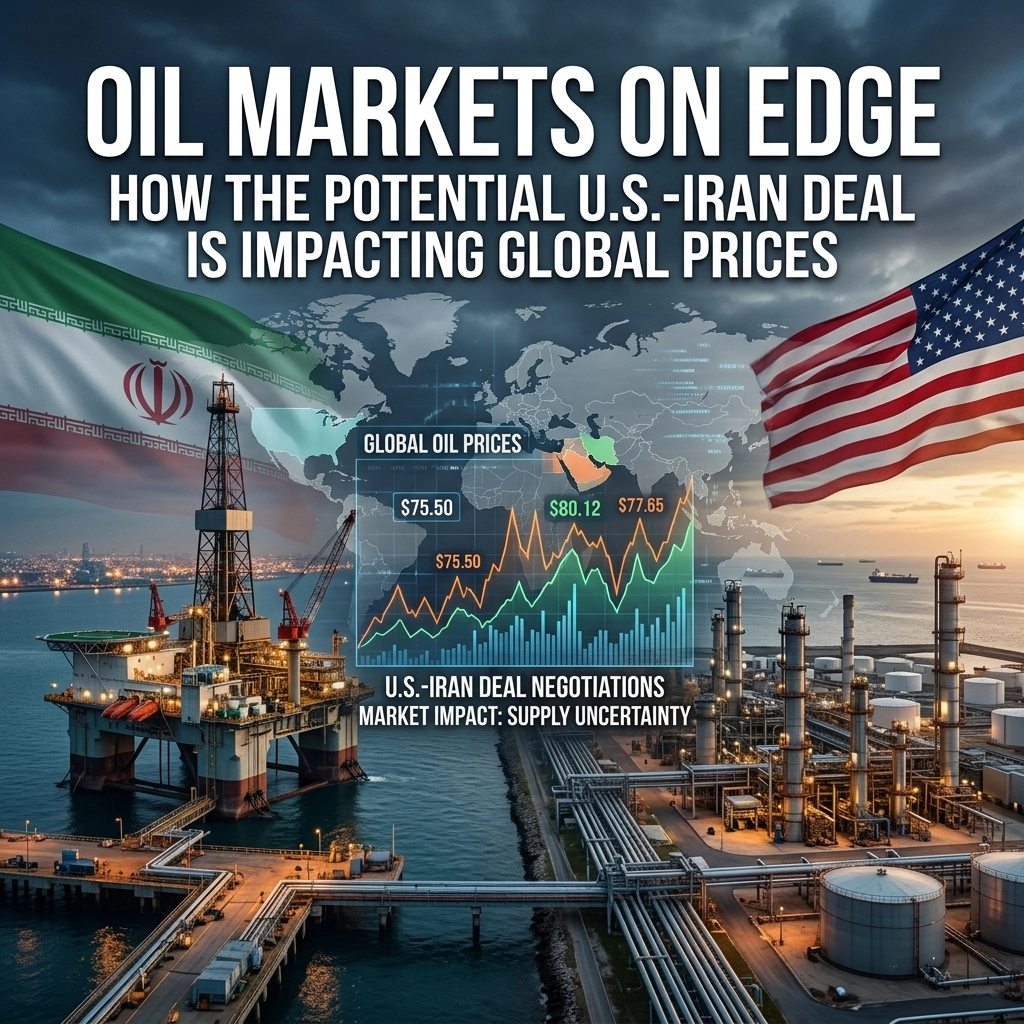

The global energy landscape is currently navigating a period of profound uncertainty as participants in the energy sector closely monitor the evolving narrative surrounding a potential U.S.-Iran deal. For weeks, the specter of geopolitical instability has acted as a primary driver for volatility, yet recent diplomatic developments have introduced a complex set of variables into the market's pricing mechanisms. As of early May 2026, the intersection of speculative diplomacy and physical supply constraints has created a unique "wait-and-see" environment for investors, policymakers, and consumers alike.
The primary focus of this market anxiety revolves around the possibility of a "one-page memorandum" that could effectively de-escalate long-standing tensions. While the prospect of a diplomatic breakthrough is viewed as a significant catalyst for change, the immediate impact on global benchmarks like West Texas Intermediate (WTI) and Brent crude has been marked by a sharp divergence between futures contracts and retail reality.
1. The Paradox of Falling Crude and Rising Gas Prices
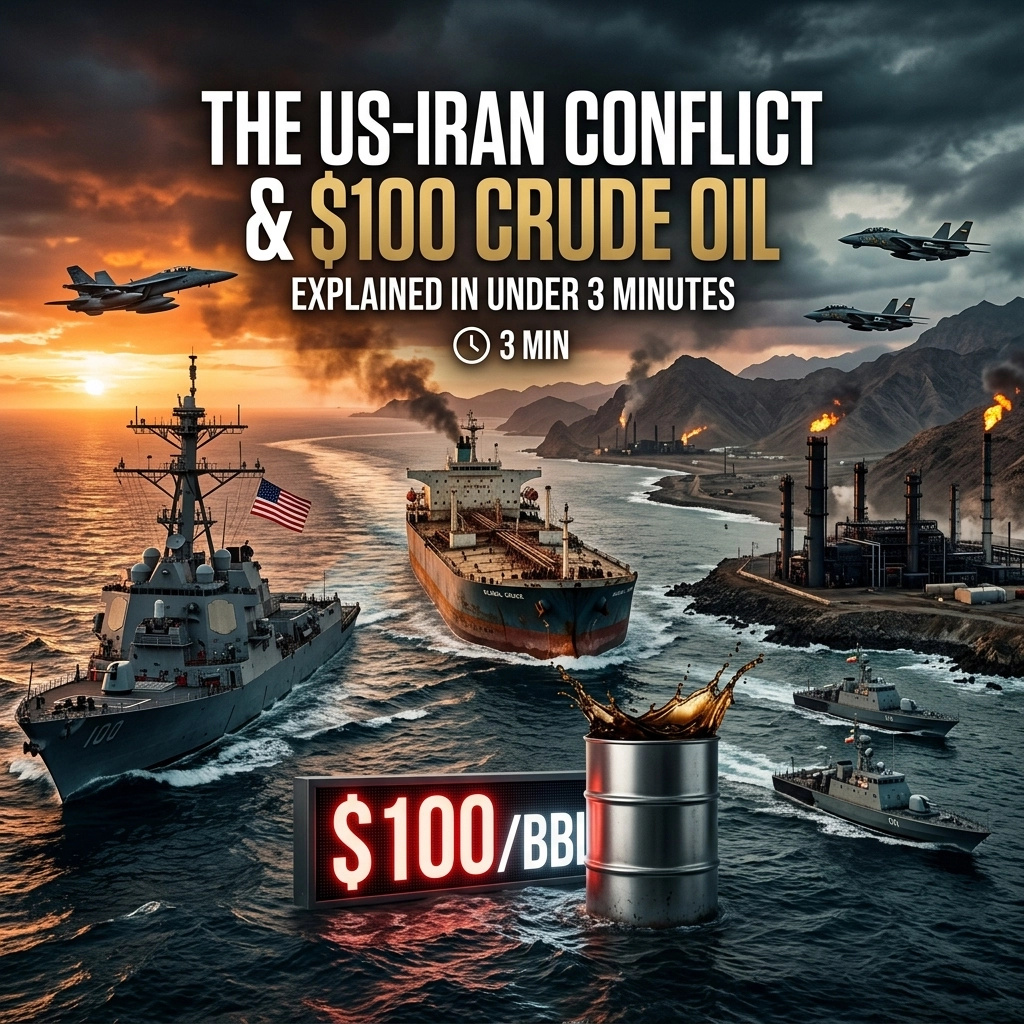
One of the most striking phenomena in the current economic cycle is the disconnect between wholesale oil prices and the costs faced by the average consumer. Following reports that the Biden administration and Iranian officials are nearing a framework for a U.S.-Iran deal, crude oil futures have experienced a notable decline. Prices that were previously hovering at dangerous highs have retreated toward the $100-per-barrel mark: a drop of approximately 8% in a matter of days.
However, the retail sector tells a different story. In the United States, the average price of gasoline has reached $4.54 per gallon, representing a significant increase from the $3.00 levels seen prior to the escalation of regional hostilities. This pricing lag is not merely a matter of corporate greed but is rooted in the complex mechanics of the energy supply chain.
The market is currently pricing in the hope of a deal, but it has not yet felt the relief of actual supply. This situation mirrors historical economic shifts, such as when a key inflation gauge rose 5.8% in 2021, marking the highest increase in nearly four decades and demonstrating how sticky inflationary pressures can be even when underlying raw material costs begin to soften.
2. Geopolitical Chokepoints and the Strait of Hormuz
A central pillar of the potential U.S.-Iran deal involves the restoration of safe passage through the Strait of Hormuz. As one of the world's most critical maritime chokepoints, the Strait's stability is non-negotiable for the global energy trade. Currently, the physical disruption of tanker movements has created a bottleneck that prevents the recent decline in crude oil prices from translating into immediate relief for the downstream market.

For supply to normalize, the following milestones must be achieved:
- De-escalation of Naval Presence: A formal agreement must lead to a reduction in military posturing within the Gulf.
- Insurance Normalization: Maritime insurance premiums, which spiked during the conflict, must retreat to allow for affordable shipping.
- Physical Flow Restoration: The actual movement of Iranian barrels back into the global market must be verified.
Until these criteria are met, the "Iran supply shock" remains a legitimate concern for global logistics. The restoration of this trade route is essential for maintaining the 2021 economic rebound momentum that global markets have fought hard to sustain through various crises.
3. Broader Market Sentiment and the "Peace Dividend"
While the energy sector grapples with supply logistics, equity markets have responded with cautious optimism to the news of a potential U.S.-Iran deal. On Wall Street, the S&P 500 and Nasdaq have touched fresh intraday highs, driven largely by tech and semiconductor stocks. Investors are betting that a resolution to the conflict will lower input costs for manufacturers and boost consumer discretionary spending.
The relationship between geopolitical stability and technological growth is more intertwined than ever. When global energy prices stabilize, capital often flows back into innovation-heavy sectors. This trend is particularly relevant for emerging markets and tech-hubs, such as the Indian startups set to showcase ideas at Expo 2020 Dubai, where energy-efficient technologies are becoming a cornerstone of the next decade of growth.

The "Peace Dividend" refers to the economic boost that results from the reallocation of resources away from military preparation toward productive economic activity. If the deal is finalized, we can expect a revitalized focus on global trade agreements and cross-border investments.
4. U.S. Oil Exports and Domestic Production Resilience
In a surprising turn of events, the U.S. domestic energy sector has demonstrated remarkable resilience despite the volatility. Data indicates that U.S. oil exports have surged by 20% year-over-year. As the world looked for alternatives to Iranian and Russian supply during various periods of tension, American producers filled the vacuum.

This surge in production has provided a necessary buffer for the global economy, preventing prices from reaching the catastrophic heights predicted by some analysts. However, the reliance on high domestic production also brings into focus the importance of infrastructure and policy. For instance, the transition toward greener alternatives, such as India’s new battery swap scheme, highlights a global trend toward diversifying energy sources to reduce dependence on traditional fossil fuel geopolitics.
Despite the increase in supply, the Consumer Price Index (CPI) remains a critical metric for business owners to monitor. For those in the logistics and transport sectors, the rising CPI has direct implications on operations. Understanding how the rising consumer price index impacts your truck financing is essential for maintaining a healthy bottom line in an era of fluctuating fuel costs.
5. Strategic Implications for Business Management
For modern entrepreneurs and C-suite executives, the current oil market volatility serves as a case study in risk management. The ability to pivot during a geopolitical crisis is what separates long-term winners from those who succumb to market pressures. Whether it is adjusting supply chains or re-evaluating transportation budgets, why business management for startups is essential for growth becomes incredibly clear during these periods of "black swan" events.
Businesses must adopt a data-driven insights approach to handle the following:
- Cost Hedging: Utilizing financial instruments to lock in energy prices.
- Operational Efficiency: Reducing waste through lean management principles.
- Scenario Planning: Developing "what-if" models for various outcomes of the U.S.-Iran deal.
The success of companies that navigated previous global disruptions, such as the 3 COVID pivots, proves that reinvention is not just a strategy but a necessity for survival in the 2026 business landscape.
Conclusion
The potential U.S.-Iran deal stands as a pivotal moment for the global economy in 2026. While the initial reaction in the crude oil futures market has been one of relief, the reality at the pump and in the manufacturing floor remains strained by physical supply limitations and the lingering effects of the Strait of Hormuz blockade.
We are witnessing a shift where diplomacy has become the primary market mover, yet the transition from a "memorandum of understanding" to tangible supply relief will take time. For the global business community, this period requires a balance of optimism and pragmatic financial planning. As we move forward, the focus will remain on whether these diplomatic overtures can translate into a sustained period of lower energy costs and stable economic expansion.
In an era where even giants like Tesla face hurdles, as seen when India rejected Elon Musk's calls for tax breaks, it is clear that no entity is immune to the overarching influence of government policy and geopolitical shifts. The path to energy security is complex, but with the possibility of a deal on the horizon, the markets are: at least for now( choosing to look toward a more stable future.)