




















The Oil Crisis: Pros, Cons, and Economic Impact


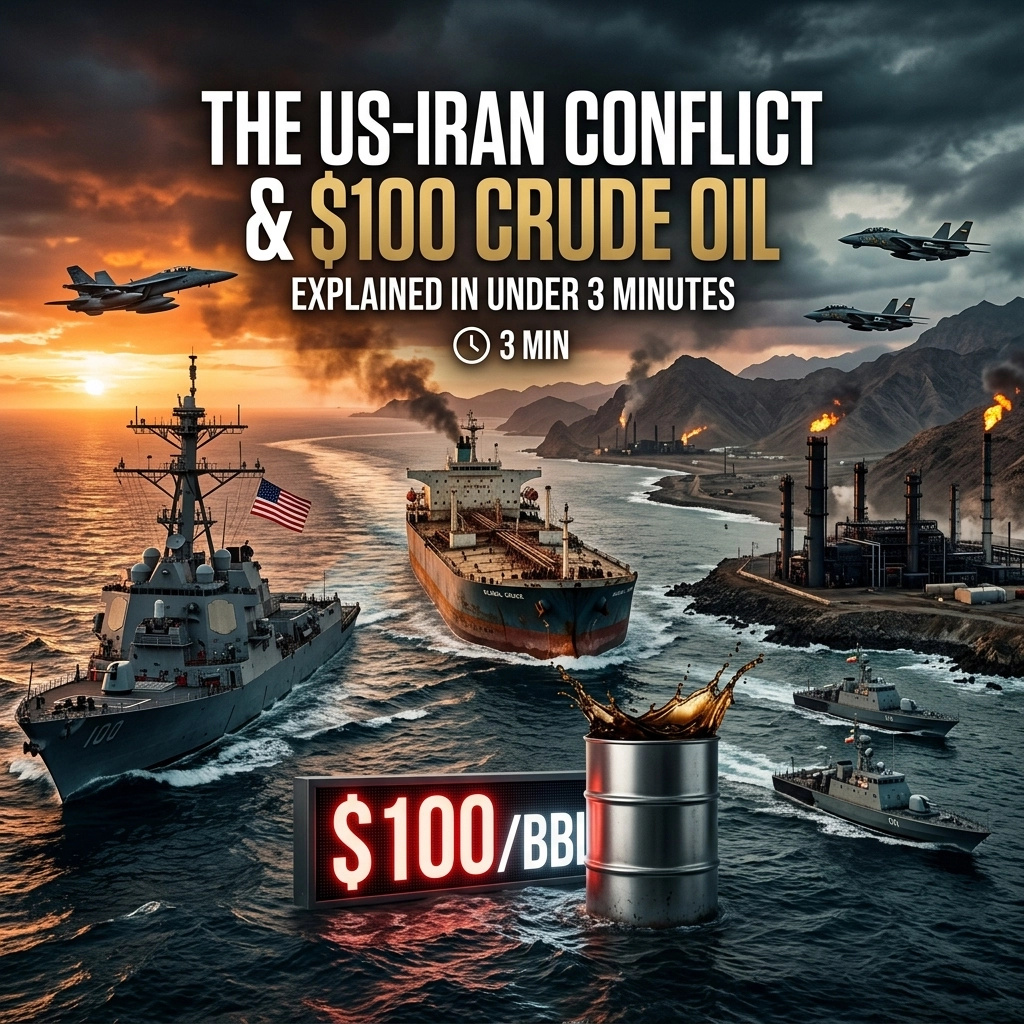
As we navigate through the complexities of mid-2026, the global economy finds itself at a critical juncture. The current Oil Crisis, precipitated by escalating geopolitical tensions and the strategic closure of major maritime arteries like the Strait of Hormuz, has sent shockwaves through international markets. What began as a localized conflict has rapidly evolved into a systemic disruption, forcing nations and corporations to re-evaluate their reliance on fossil fuels.
The volatility in energy prices is not merely a localized phenomenon; it acts as a catalyst for change across the entire industrial spectrum. From the logistics of global trade to the cost of your morning commute, the ripple effects are profound. In this analytical deep dive, we explore the multifaceted nature of the crisis, examining the immediate drawbacks, the surprising strategic benefits, and the long-term economic impact that will redefine the global landscape for years to come. 📈
1. The Immediate Supply Shock: A Global Reality Check
The initial phase of the 2026 crisis saw global oil supply plummet by approximately 10 million barrels per day. With nearly 20% of the world’s consumption passing through the Strait of Hormuz, the closure of this passage was akin to severing a primary artery in the global body politic. Brent crude prices surged past the $100 per barrel mark with alarming speed, a level not seen with such intensity in years.
For business professionals and investors, this sudden contraction in supply serves as a stark reminder of the "legitimate purpose" of strategic reserves. The International Energy Agency (IEA) was forced to release over 400 million barrels to stabilize markets, yet the sheer scale of the disruption has made it clear that traditional stabilization tools may no longer suffice in an era of hyper-connected geopolitical risks.
2. The Cons: Inflation, Logistics, and Consumer Strain
The most visible and immediate impact of the Oil Crisis is the inflationary pressure it exerts on the global economy. Energy is a foundational input; when the price of crude rises, the cost of everything from plastics to agricultural fertilizers follows suit.
- Hyper-Inflationary Pressures: High oil prices drive up the cost of production and transport. This mirrors the challenges we saw in earlier years, such as when a key inflation gauge rose 5.8%, signaling the beginning of a long-term trend of rising costs.
- Logistics and Supply Chain Paralysis: For the shipping and aviation industries, diesel and jet fuel are non-negotiable overheads. The spike in these costs has forced a drastic "revitalization" of logistics strategies, with many companies shifting toward more localized supply chains to minimize transit costs.
- Decreased Consumer Purchasing Power: As fuel prices at the pump hit record highs, discretionary spending takes a hit. This has a cooling effect on sectors like retail and tourism, which are traditionally the engines of domestic growth.
- Operational Disruptions: Industries that rely on "electronic communications networks" and data centers are also seeing indirect costs rise as the price of grid electricity: often still dependent on thermal power: climbs.

3. The Pros: Accelerating the Renewable Transition
While the term "Oil Crisis" inherently sounds negative, it serves as a powerful mechanism to democratize the transition to sustainable energy. High fossil fuel prices act as a natural deterrent, making green alternatives not just environmentally friendly, but economically superior.
- Exponential Growth in Green Tech: The current price environment has made solar, wind, and hydrogen technologies more competitive than ever. Capital that was once earmarked for deep-sea drilling is now being redirected toward renewable infrastructure.
- Rapid EV Adoption: The automotive sector is seeing a massive shift. In Asia, particularly China and India, the incentive to move away from internal combustion engines is now a matter of national security. This shift is supported by initiatives like India's new battery swap scheme, which aims to reduce the high upfront cost of electric vehicles.
- Efficiency Innovations: Scarcity breeds innovation. Companies are now investing heavily in energy-efficient manufacturing processes and "data-driven insights" to trim every ounce of waste from their operations.

4. India's Strategic Position: Managing the Squeeze
India find itself in a unique position during this Oil Crisis. As a major importer: with 40% of its crude passing through the now-contested Strait: the nation has had to move with "exponential growth" in its strategic planning.
The Indian government has utilized its strategic petroleum reserves to shield the domestic market from the worst of the volatility. However, the long-term solution lies in diversifying energy partnerships. We are seeing a pivot toward more robust energy corridors, symbolized by partnerships such as the India-Russia energy cooperation, which seeks to secure supply lines through alternative routes.
Furthermore, the crisis has accelerated the mission to make India a global hub for green hydrogen and battery manufacturing. By framing these challenges as a "mission" rather than a hurdle, the Indian business landscape is showing remarkable resilience.

5. The Economic Impact: GDP Forecasts and Market Volatility
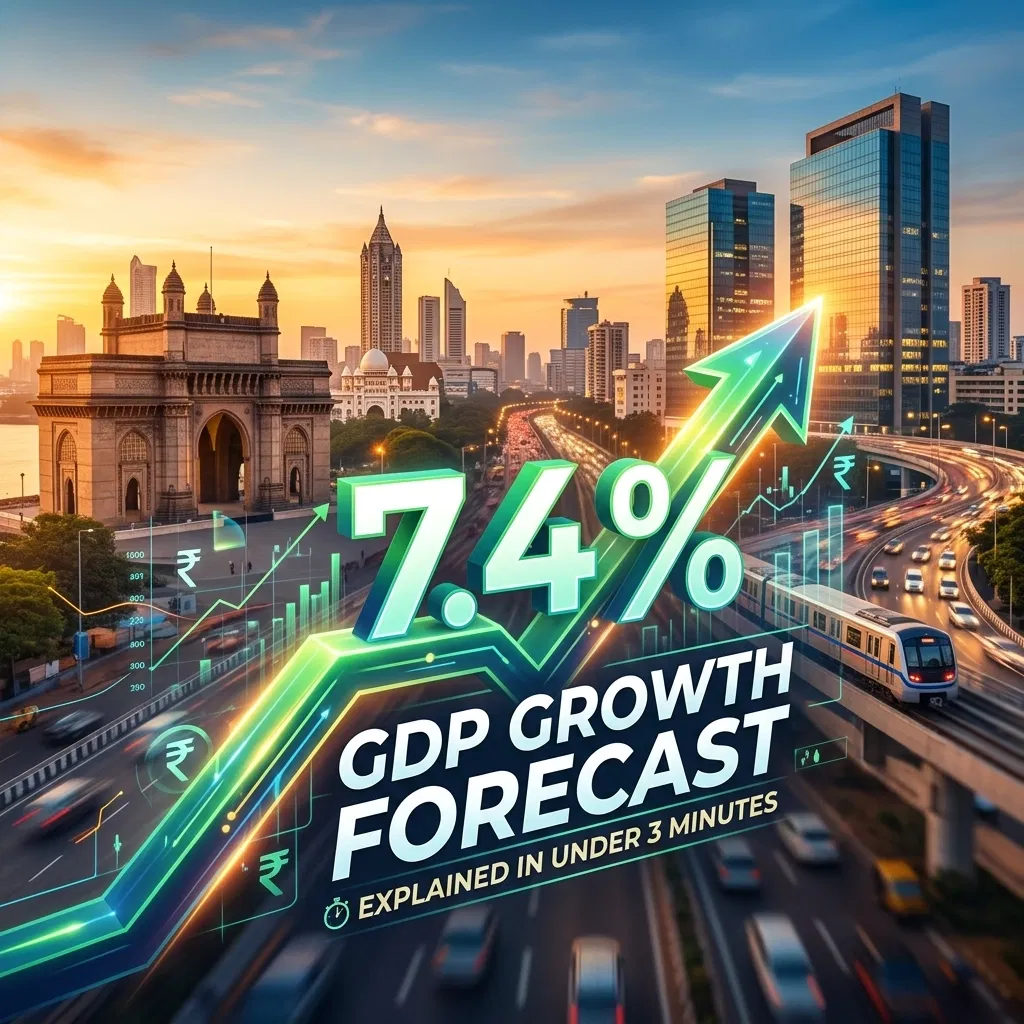
The overarching economic impact of a sustained Oil Crisis is often measured in basis points of GDP growth. Current projections suggest a downward revision of global growth forecasts by 0.5% to 1.2% for the fiscal year 2026.
According to the World Bank, energy-importing nations in Asia and Europe are the most vulnerable. The increased cost of imports widens trade deficits and puts pressure on domestic currencies. For investors, this volatility requires a sophisticated approach to portfolio management, focusing on "value propositions" that are resilient to energy price swings.
Despite these headwinds, certain sectors are flourishing. Energy services, renewable infrastructure companies, and "tech-driven" logistics firms are seeing record-breaking interest. The GDP growth forecast for major emerging markets remains optimistic in the long run, provided the structural shift to energy independence is maintained.
Conclusion
The 2026 Oil Crisis is more than just a temporary spike in commodity prices; it is a fundamental realignment of the global economic order. While the "cons": inflation, supply chain disruptions, and consumer strain: are significant and require immediate tactical responses, the "pros" offer a glimpse into a more sustainable future.
The crisis has served to revitalize the global commitment to the green transition, proving that energy security and environmental sustainability are two sides of the same coin. For business leaders and entrepreneurs, the takeaway is clear: those who can navigate the volatility with "data-driven insights" and pivot toward energy-efficient models will lead the next era of global growth.
At Business Tantra, we remain committed to providing you with the latest stories and analytical perspectives on the movers and shakers of the Indian and global economy. As the world transitions away from a fossil-fuel-centric model, staying informed is your greatest asset. 🚀
Stay updated with the latest in Business, Economics, and Market Trends at businesstantra.in.

admin
Related Post