


























In the competitive landscape of Indian industrialization, few cities have demonstrated the resilience and adaptability of Rajkot. Often overshadowed by the textile giants of Ahmedabad or the diamond moguls of Surat, the Rajkot manufacturing hub has quietly emerged as a critical catalyst for change in the nation’s engineering and automobile sectors. As of May 2026, this Saurashtra-based powerhouse has not only revitalized traditional casting and forging industries but has also positioned itself as a sophisticated center for precision engineering and high-tech machine tool production.
The trajectory of Rajkot’s industrial evolution serves as a masterclass in how localized MSME (Micro, Small, and Medium Enterprises) ecosystems can democratize industrial wealth and foster exponential growth. With over 23,000 industrial units operating within a 25-kilometer radius, the city represents a high-density zone of innovation and productivity that supplies essential components to both domestic markets and global supply chains.
1. The Machine Tool Capital: Precision Engineering at Scale
Rajkot has long been recognized as the "Machine Tool Capital of India." This title is not merely ceremonial; it is backed by an impressive concentration of approximately 400 dedicated machine tool manufacturing units. These facilities produce a vast array of equipment, including CNC (Computer Numerical Control) turning centers, vertical machining centers, and sophisticated lathe machines that are the lifeblood of modern factories.
The transition from manual machining to automated Industry 4.0 standards has been a significant milestone for the Rajkot manufacturing hub. Local manufacturers like Ganesh Machine Tools and Rajkot Machine Tools have integrated IoT-enabled sensors and data-driven insights into their equipment, allowing users to monitor performance in real-time. This shift toward high-precision, tech-enabled machinery has been essential for startups looking to scale, as discussed in our analysis of why business management for startups is essential for growth.
By providing affordable yet high-quality machinery, Rajkot has lowered the barrier to entry for entrepreneurs across the country. The city’s ability to offer customized solutions: ranging from heavy-duty drilling machines to intricate grinding equipment: ensures that it remains the preferred destination for industrial procurement in the Asian subcontinent.
2. A Global Leader in Casting and the Rajkot Manufacturing Hub Powerhouse
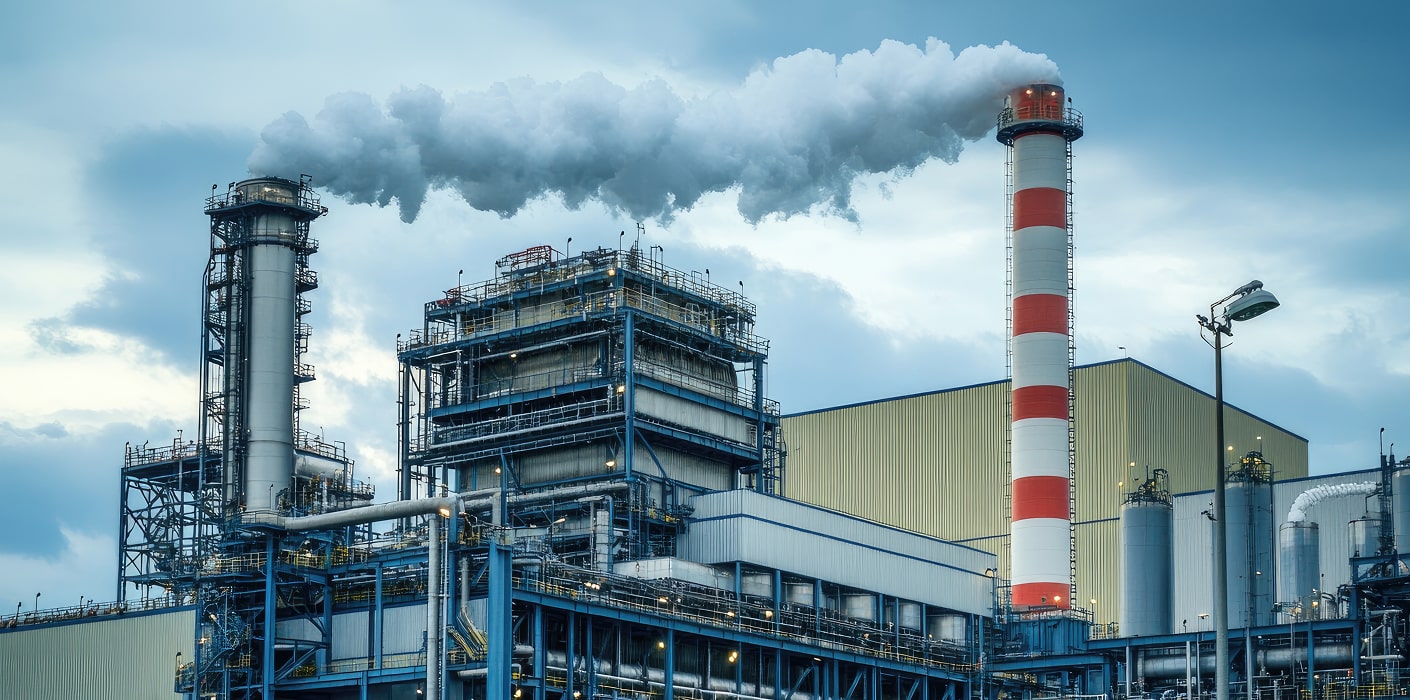
The backbone of Rajkot’s industrial prowess lies in its formidable casting and foundry sector. The region hosts one of the largest concentrations of foundries in the world, specializing in gray iron and ductile iron castings. These units produce critical components for the agricultural, construction, and power generation sectors.

The sheer volume of production in the Rajkot manufacturing hub is staggering. The city’s foundries are known for their ability to execute complex geometries with high metallurgical integrity. This expertise is not just a local asset but a global one; Rajkot-made castings are exported to Europe, North America, and the Middle East, where they serve as integral parts of international infrastructure projects.
Furthermore, the forging industry in Rajkot has undergone a significant modernization phase. By adopting advanced metallurgical techniques and efficient energy-management systems, these units have significantly reduced their carbon footprint while increasing yield. For those interested in how these industrial shifts align with national economic trends, our article on the Indian startup flood and the Modi wave provides further context on the policy-driven incentives fueling this revitalization.
3. Driving the Future: The Automobile Component Sector
If machine tools are the brain of the industry, and casting is the bone, then the automobile component sector is the heart of Rajkot’s economic engine. With over 500 manufacturers specializing in auto parts, the city has become an indispensable node in the global automotive value chain.
From high-precision engine valves and connecting rods to heavy-duty kingpins and bush bearings, Rajkot’s portfolio is comprehensive. Companies like RE Components have established themselves as leaders, providing critical spare parts for heavy commercial vehicles (HCVs) and light commercial vehicles (LCVs) worldwide.

The sector’s growth is bolstered by the Automotive Component Manufacturers Association (ACMA), which has consistently highlighted Rajkot’s role in meeting the stringent quality standards of global OEMs (Original Equipment Manufacturers). As the automotive world pivots toward electric vehicles (EVs), Rajkot’s manufacturers are already diversifying their product lines to include EV-specific components, ensuring they remain relevant in a revitalized transport landscape.
4. Infrastructure as a Catalyst for Change
The exponential growth of the Rajkot manufacturing hub would not have been possible without robust infrastructure and government-backed industrial zones. Areas such as Aji GIDC, Metoda, and Shapar-Veraval serve as organized clusters where businesses can thrive with access to reliable power, water, and logistical connectivity.
The Gujarat Industrial Development Corporation (GIDC) has played a pivotal role in creating these ecosystems. By providing shared facilities and streamlined regulatory clearances, the government has ensured a legitimate purpose for these industrial clusters: to provide a competitive platform for MSMEs to compete on a global stage.

Moreover, the proximity to major ports like Kandla and Mundra provides Rajkot with a distinct logistical advantage. This "port-led industrialization" model reduces transit times and costs, making Rajkot-based products highly competitive in international markets. This synergy between manufacturing and logistics is a key component of India's broader livelihood business incubator initiatives, which aim to foster self-reliance at the grassroots level.
5. Economic Indicators and the 2026 Outlook
As we look at the data from the first half of 2026, the economic impact of Rajkot is undeniable. The Indian auto component industry reached a turnover of approximately $80.2 billion in FY2025, with Rajkot contributing a significant share of that growth. Projections indicate a 10%+ CAGR for the region’s engineering exports over the next five years.
Several factors contribute to this optimistic outlook:
- Cost-Effectiveness: The MSME-driven structure allows for lower overheads and flexible production cycles.
- Skilled Workforce: Generations of technical expertise have created a deep pool of skilled labor specialized in metalworking.
- Technological Integration: The adoption of an electronic communications network for supply chain management has increased operational efficiency.
- Policy Support: Schemes like the Production Linked Incentive (PLI) for the auto sector have incentivized local manufacturing.
The "Make in India" initiative has found its most authentic expression in Rajkot. The city does not just assemble; it creates. It transforms raw pig iron and steel into high-value engineering solutions that power the world.
Conclusion
The transformation of Rajkot from a regional trade center into a global manufacturing powerhouse is a testament to the city’s entrepreneurial spirit and technical ingenuity. By serving as a Rajkot manufacturing hub, the region has effectively balanced traditional craftsmanship with modern industrial requirements, creating a resilient economic model that other emerging hubs would do well to emulate.
In summary, Rajkot’s primary impact lies in its ability to offer high-quality, precision-engineered products at a scale that few other regions can match. As the global economy continues to seek diverse and reliable supply chains, Rajkot stands ready to fill that void, serving as an indispensable pillar of India's industrial future. For investors and business leaders, the message is clear: the road to India’s manufacturing dominance runs directly through the bustling workshops of Rajkot.