




















Fuel Price Hike: Petrol and Diesel Up by ₹3 Per Litre across India


In a significant move that is set to reverberate across the Indian economic landscape, the central government has announced a substantial fuel price hike, raising the costs of petrol and diesel by approximately ₹3 per litre. Effective immediately as of Friday, May 15, 2026, this upward revision marks one of the sharpest single-day increases in recent memory, ending an eleven-week period of price stability. As citizens and businesses grapple with the immediate financial implications, the narrative surrounding India’s energy security and fiscal health has once again taken center stage.
The decision, which was hinted at earlier this week by Union Petroleum Minister Hardeep Singh Puri, comes at a time when the global energy market is facing unprecedented volatility. For the average consumer at the pump, this fuel price hike translates to a direct increase in the daily cost of living, while for the logistics and industrial sectors, it represents a profound surge in operational overheads.
The Immediate Surge: A City-wise Breakdown
The impact of the fuel price hike is being felt unevenly across the country, primarily due to the variation in Value Added Tax (VAT) and local levies imposed by different state governments. Nevertheless, the ₹3 per litre benchmark remains the baseline for this nationwide escalation.
| Major City | New Petrol Price (approx.) | Change (₹) | New Diesel Price (approx.) | Change (₹) |
|---|---|---|---|---|
| Delhi | ₹97.77 | +₹3.14 | ₹90.67 | +₹3.11 |
| Mumbai | ₹106.68 | +₹3.14 | ₹95.80 | +₹3.08 |
| Kolkata | ₹108.74 | +₹3.29 | ₹96.40 | +₹3.15 |
| Chennai | ₹103.67 | +₹2.83 | ₹94.90 | +₹3.05 |
| Bangalore | ₹106.21 | +₹3.00 | ₹94.10 | +₹3.10 |
In metropolitan hubs like Mumbai and Kolkata, where prices were already elevated, the fuel price hike has pushed petrol costs closer to the dreaded ₹110 mark. Meanwhile, in regions like Jammu, petrol has reached ₹99.63, narrowly missing a triple-digit psychological barrier. These shifts are not merely numbers on a digital board; they are a catalyst for change in how households manage their monthly budgets and how corporations forecast their quarterly expenditures.
Geopolitical Catalysts: Conflict and the Strait of Hormuz
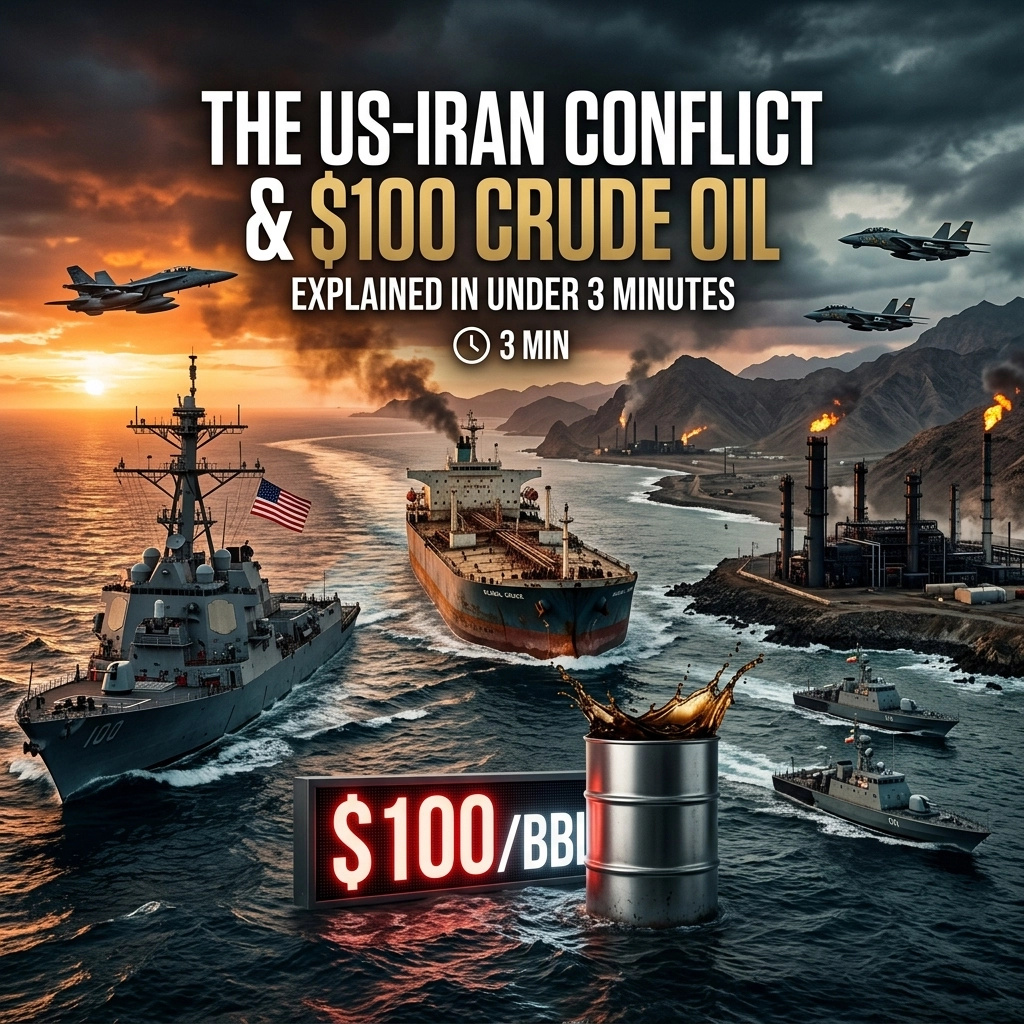
The primary driver behind this sudden fuel price hike is a complex web of geopolitical tensions in West Asia. The recent escalation in regional conflicts has led to a strategic blockade of the Strait of Hormuz: a vital maritime artery through which a significant portion of the world’s crude oil passes. This disruption to the global electronic communications network of supply chains has sent Brent crude prices soaring on the international market.

India, which imports nearly 85% of its crude oil requirements, is exceptionally vulnerable to such external shocks. According to reports from Bloomberg, the blockade has revitalized fears of a prolonged supply deficit, forcing state-owned Oil Marketing Companies (OMCs) to rethink their pricing strategies. For nearly three months, these OMCs: including Indian Oil Corporation (IOC), Bharat Petroleum (BPCL), and Hindustan Petroleum (HPCL): held prices steady despite rising input costs. However, the financial strain of absorbing these losses became unsustainable, leading to the eventual decision to pass the burden to the consumer.
The Macroeconomic Ripple Effect: Inflation and Logistics
One of the most critical concerns following a major fuel price hike is the inevitable inflationary pressure it exerts on the broader economy. Diesel, often referred to as the "lifeline" of Indian commerce, is the primary fuel used for transporting agricultural produce and industrial goods. When the price of diesel rises, the cost of moving everything from onions to electronics follows suit.
1. Escalating Transportation Costs
The logistics sector is perhaps the most immediate victim of this policy shift. Transporters and fleet owners, already operating on thin margins, are now forced to revise their freight rates. This rise in transport costs is a direct impact on truck financing and the viability of long-haul logistics. As freight charges climb, the wholesale prices of essential commodities are expected to witness a corresponding spike.
2. The Inflationary Gauge
Historically, fuel prices have a high correlation with the Consumer Price Index (CPI) and the Wholesale Price Index (WPI). We have previously noted how inflation gauges can rise significantly due to supply-side shocks. This latest ₹3 hike is likely to keep inflation well above the Reserve Bank of India’s (RBI) comfort zone, potentially prompting the central bank to maintain a hawkish stance on interest rates.

Impacts on FMCG and Consumer Sentiment
The Fast-Moving Consumer Goods (FMCG) sector is particularly sensitive to the cost of "last-mile delivery." Companies that produce daily essentials: soaps, packaged foods, and beverages: often rely on a vast network of small commercial vehicles. A fuel price hike of this magnitude frequently leads to "shrinkflation," where companies reduce the size of their products while keeping the price constant to mitigate rising distribution costs.
Furthermore, consumer discretionary spending is expected to take a hit. As a larger portion of the average household's income is diverted toward commuting and utility costs, spending on non-essential items like high-end electronics, dining out, and travel may decrease. Even the aviation sector, which is highly dependent on Aviation Turbine Fuel (ATF), may see a rise in ticket prices, threatening to undo the progress of airlines that have recently swung back to profit.
The Role of OMCs and Fiscal Sustainability
From a business perspective, the decision to implement the fuel price hike is a necessary evil for the long-term health of India’s energy sector. State-owned OMCs are tasked with the "legitimate purpose" of ensuring a steady supply of fuel while maintaining a semblance of fiscal discipline.
By holding prices steady for 11 weeks, these companies acted as a buffer for the Indian public. However, the mounting under-recoveries: the difference between the international cost of crude and the domestic selling price: could have led to severe balance sheet damage. Allowing the OMCs to adjust prices according to market dynamics is essential for their ability to invest in future infrastructure, such as battery swap schemes and green hydrogen projects, which aim to democratize energy and reduce long-term dependence on fossil fuels.

Conclusion
The ₹3 per litre fuel price hike is a stark reminder of India’s intricate link to global energy markets and the delicate balance required to manage a developing economy. While the immediate impact is undoubtedly painful for the common man and the logistics industry, the hike serves a critical fiscal role in preventing the financial collapse of our primary energy providers during a period of intense geopolitical strife.
As we look toward the remainder of 2026, the focus must shift toward sustainable alternatives. The current crisis reinforces the value proposition of electric vehicles (EVs) and renewable energy as transformative solutions rather than just environmental tools. In the short term, however, businesses and individuals must prepare for a period of tightened budgets and increased operational scrutiny as the ripple effects of this price surge move through the veins of the Indian economy.
Stay tuned to Business Tantra for the latest business and economic news as we continue to track the market movers and economic indicators shaping India's future. 📈⛽

admin
Related Post