
















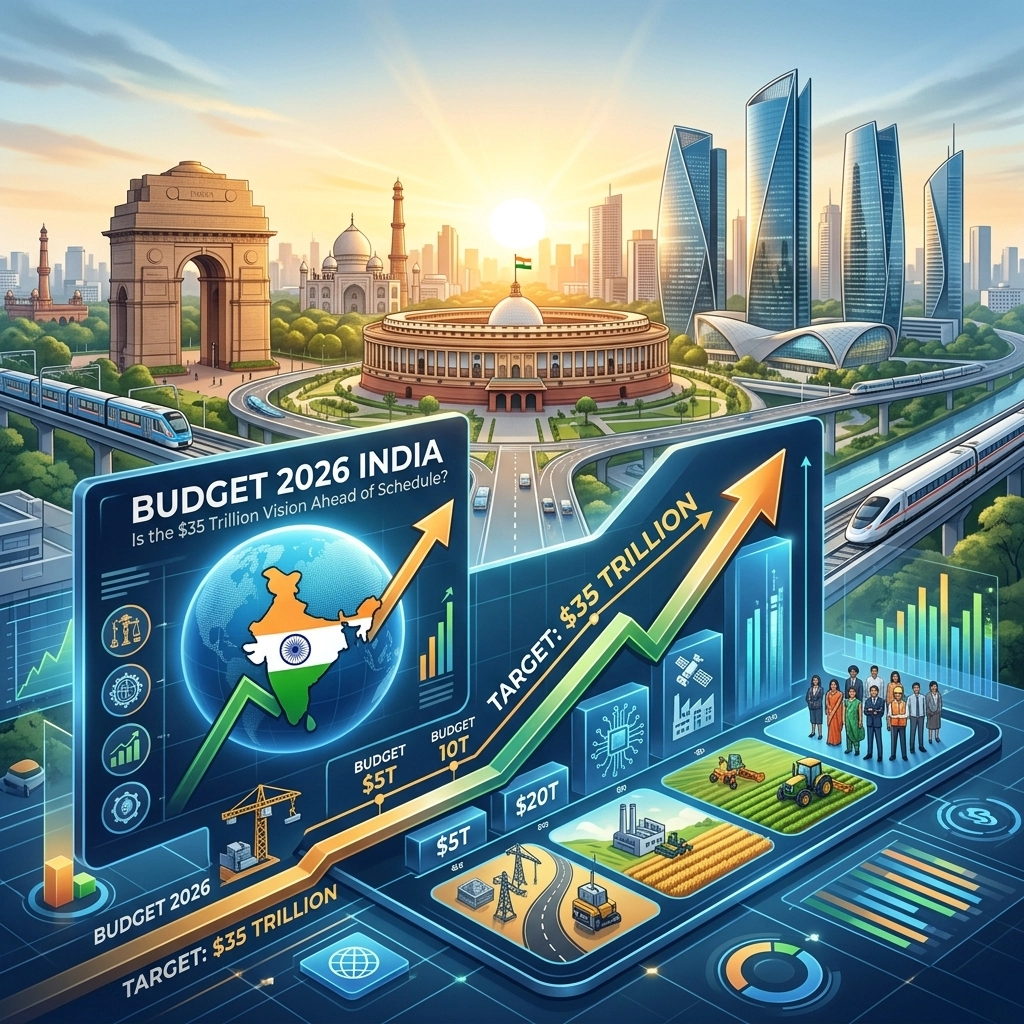








The $100 Billion Startup Gold Rush: Why 2026 is India’s Year

If you’ve been keeping a pulse on startup news india lately, you know the vibe has shifted. Gone are the days of the "funding winter" that chilled the ecosystem between 2023 and 2025. As we sit here in April 2026, the temperature isn't just rising: it’s hitting a boiling point. We are officially witnessing what analysts are calling the "$100 Billion Gold Rush," and if you thought the unicorn craze of 2021 was wild, you haven't seen anything yet.
But here’s the kicker: this isn’t just about burning VC cash on customer acquisition. The 2026 landscape is built on something much sturdier: infrastructure, artificial intelligence, and a government that has decided to go "all-in" on deep tech. At Business Tantra, we’ve been tracking these movements closely, and the data suggests that 2026 will be remembered as the year India stopped playing catch-up and started setting the pace for the global digital economy.
The Foundation: A $100 Billion Infrastructure Backbone
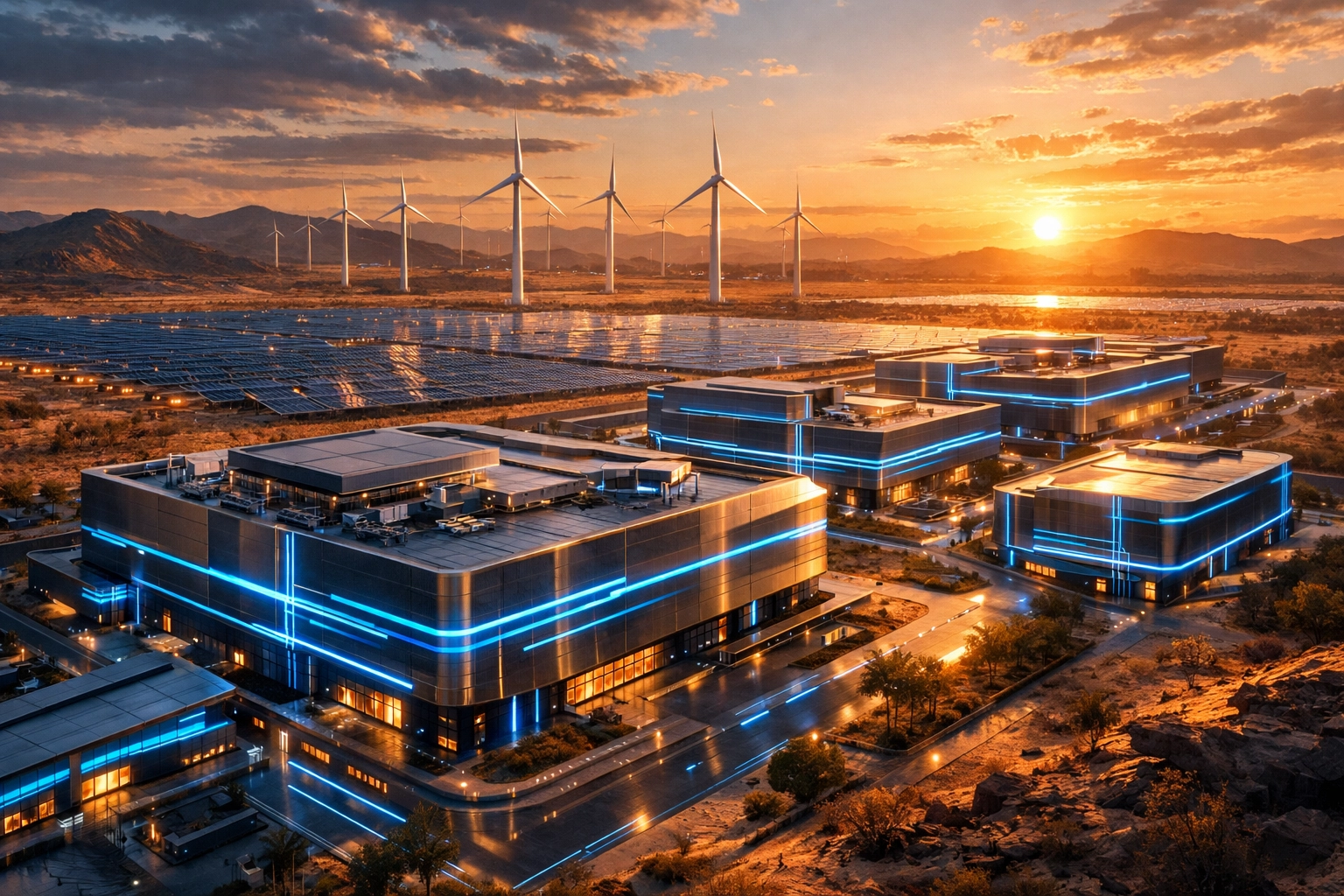
To understand why the startup scene is exploding, you have to look at the massive pillars being built beneath it. The headline-grabbing figure of $100 billion isn't just a random estimate; it’s backed by massive commitments. Leading the charge is the Adani Group, which has pivoted heavily toward renewable-powered AI data centers. This isn't just about storage; it’s about creating the "brain power" needed for a billion-person economy to run on AI.
When you combine this with Microsoft’s $17.5 billion commitment to cloud infrastructure and Google’s $15 billion AI hub in Visakhapatnam, you get a country that is suddenly the most attractive playground for tech founders. These giants are providing the picks and shovels for the gold rush. For any entrepreneur looking at startup news india, the message is clear: the tools you need to build world-class products are now sitting right in your backyard.
The 2026 Funding Landscape: Quality Over Hype
Let’s be real for a second. In 2021, if you had a PowerPoint and a pulse, you could get a seed round. By 2024, that door slammed shut. But in 2026, the "Startup News India" headlines are finally showing a healthy middle ground. Investors are back, but they’ve traded their "growth at all costs" hats for "sustainable unit economics" glasses.
The funding landscape this year is characterized by three major shifts:
- The Rise of Deep Tech: Investors are moving away from copycat e-commerce models and pouring billions into space tech, biotech, and specialized AI.
- Strategic Consolidation: We’re seeing more "mergers of equals" as startups realize that scaling to a global level requires combined resources.
- The IPO Exit Route: With the Indian stock market showing incredible resilience, the backlog of startups waiting to go public is finally clearing. This liquidity is being recycled back into early-stage ventures, creating a self-sustaining loop.
If you’re a founder today, your value proposition needs to be airtight. It’s a "gold rush," sure, but it’s one where you actually have to find the gold to get paid.
Government as a Catalyst for Change
One cannot discuss the current boom without mentioning the "war chest" the government has unlocked. The 2026 budget was a watershed moment for the Indian economy. With a ₹1 Trillion R&D fund designed to last through the decade, the state has moved from being a regulator to a primary stakeholder in innovation.
The "IndiaAI Mission" has deployed over ₹2,000 crore into local ecosystems, establishing 80 dedicated AI labs across the country. This isn't just academic; these labs are the birthplaces of startups that are solving uniquely Indian problems: from vernacular language processing to precision agriculture for our millions of farmers. This state-backed support has "revitalized" the confidence of foreign institutional investors who now see India not just as a market, but as a global R&D hub.

Networking in the New Age: Digital First
As the startup ecosystem matures, so does the way we do business. In a world where billion-dollar deals are discussed over coffee in Bengaluru or virtually across time zones, the "first impression" has moved from paper to pixel.
We’ve noticed a massive surge in founders moving away from traditional networking tools. It’s why our Digital Business Card (NFC Enabled) has become a staple in the pockets of the 2026 entrepreneur. In this high-speed "gold rush," fumbling with a paper card feels like using a rotary phone in the age of 6G. It’s about precision and instant connectivity: values that define the current era of Indian business.
The AI Pivot: Beyond the Chatbot
If you look at the recent startup news india, the word "AI" is everywhere. But in 2026, we’ve moved past the "wrapper" phase. We aren't just seeing startups built on top of OpenAI anymore. We are seeing startups building their own Large Language Models (LLMs) trained on Indian datasets.
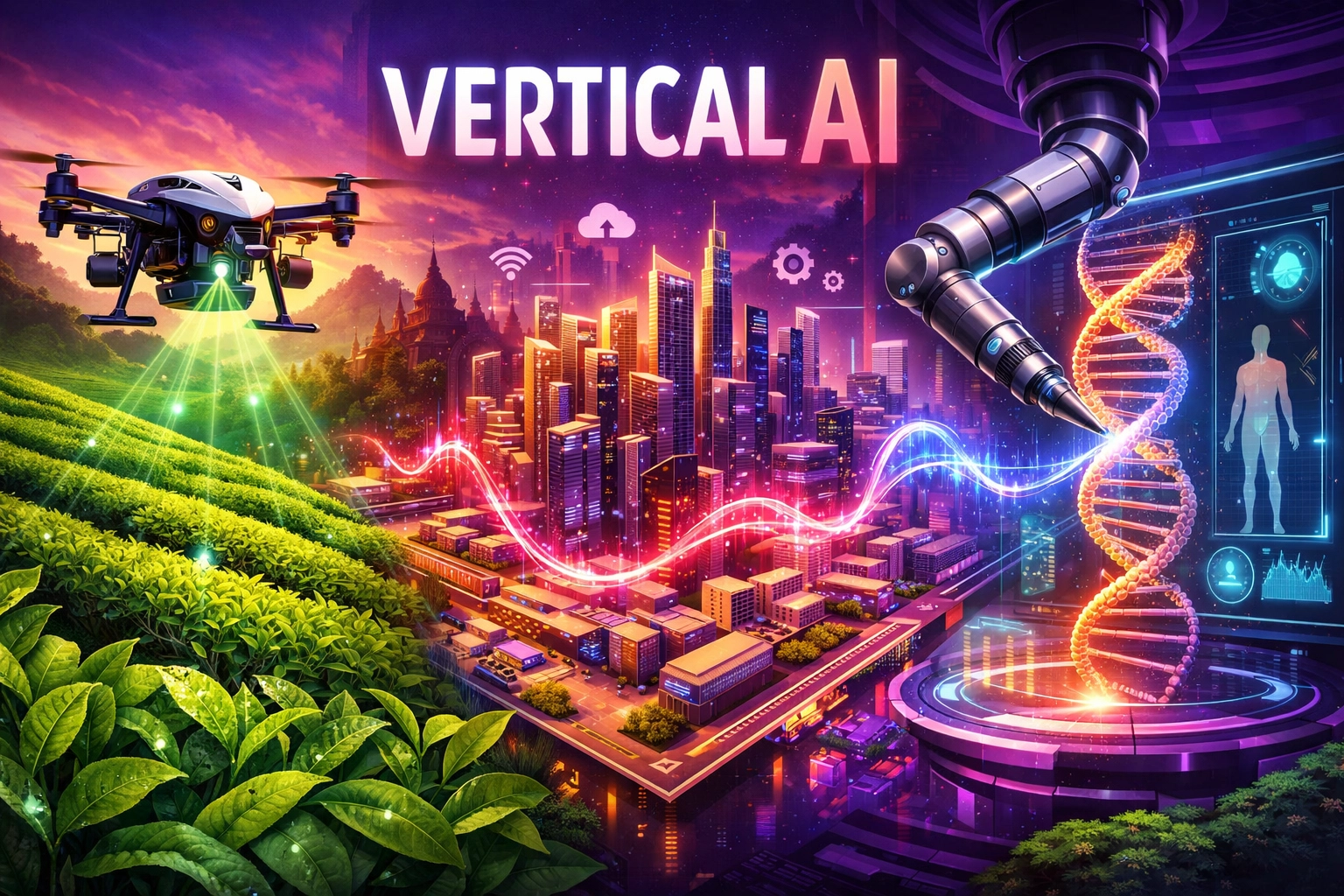
The real "gold" is being found in "vertical AI": applications built specifically for sectors like law, healthcare, and logistics. These companies aren't just looking for "data-driven insights"; they are building autonomous systems that handle the heavy lifting of a $7 trillion economy.
Key Areas of Growth in 2026:
- Climate Tech: With the global push for ESG, Indian startups are leading in battery tech and green hydrogen.
- FinTech 3.0: Moving beyond UPI to sophisticated credit-on-tap and cross-border settlement systems.
- Defense Tech: A sector that was once closed is now seeing a "democratization" of innovation as private players join the National Quantum Mission.
Challenges: Not All That Glitters…
While the "gold rush" narrative is exciting, we have to maintain a professional distance and look at the risks. The median deal size has stabilized, but the scrutiny is at an all-time high. Investors are looking for "legitimate purpose" and clear paths to profitability. The 40% fertilizer squeeze and global supply chain disruptions linked to the West Asia crisis have reminded everyone that no startup exists in a vacuum.
Founders in 2026 must be more than just tech-savvy; they must be geopolitically aware. Managing a supply chain in 2026 requires more than just a good CRM; it requires an understanding of the Strait of Hormuz and global trade shifts.
Conclusion
The $100 Billion Startup Gold Rush is not a myth: it’s the logical conclusion of a decade of digital transformation. India has moved from being the world’s back office to its front office. With the government’s ₹1 Trillion R&D commitment, the $100 billion infrastructure play by giants like Adani, and a talent pool that is increasingly "AI-first," 2026 is undeniably India's year.
For those involved in the ecosystem, the "mission" is clear: build with scale, focus on value, and leverage the unprecedented infrastructure available today. The "exponential growth" we’ve been promised for years is finally here, and it’s being written in the code of a thousand new startups every month.
Stay updated with the latest in the business world by checking our full blog archive or connecting with our community of industry experts. The future isn't coming; it’s already being built right here in India. 🚀
Want to stay ahead of the curve? Check out our latest Investment Tips and Corporate News to keep your edge in the market.

admin

Related Post