






















Why the ₹12.2 Lakh Crore Capex Will Change the Way You Invest in the Indian Stock Market

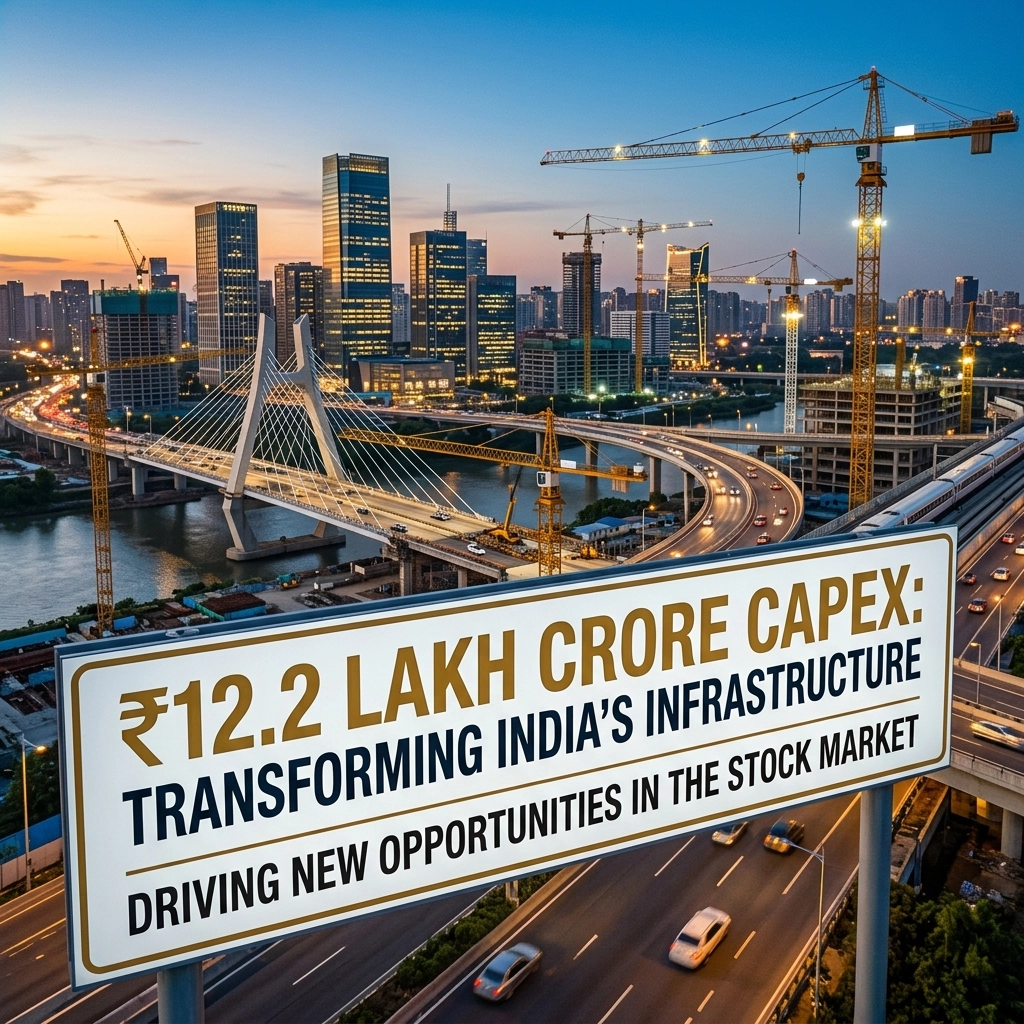
The landscape of the indian stock market news changed significantly when the Union Budget 2026 india was tabled. The headline figure that sent ripples through Dalal Street was the staggering ₹12.2 lakh crore allocation for capital expenditure (Capex). This isn't just a number; it is a definitive statement of intent by the government to prioritize infrastructure-led growth over short-term consumption stimulus.
For the savvy investor, this massive outlay represents a fundamental shift in how one should approach the stock market today. We are moving away from a period of "wait and watch" regarding private investment and entering an era where public spending acts as the primary locomotive for the economy. Understanding the nuances of this ₹12.2 lakh crore spend is essential for anyone looking for actionable investment tips india to build a resilient portfolio.
The Multiplier Effect: Why ₹12.2 Lakh Crore Matters
Capital expenditure is the money spent by the government on the acquisition of assets like roads, bridges, and machinery. Unlike revenue expenditure (salaries, pensions), Capex has a high "multiplier effect." Economists suggest that for every rupee spent on Capex, the GDP expands by roughly ₹2.5 to ₹3 over the long term.
With the ₹12.2 lakh crore allocation: a significant jump from the previous year’s ₹11.1 lakh crore: the government is doubling down on its "Viksit Bharat" vision. This sustained momentum is designed to "crowd in" private investment. When the state builds the highways and the power grids, it becomes easier and more profitable for private companies to set up factories and distribution centers. If you are tracking the stock market today, you’ll notice that companies in the capital goods and industrial sectors are already beginning to reflect this optimism.
Railways and Logistics: The Backbone of Modern India
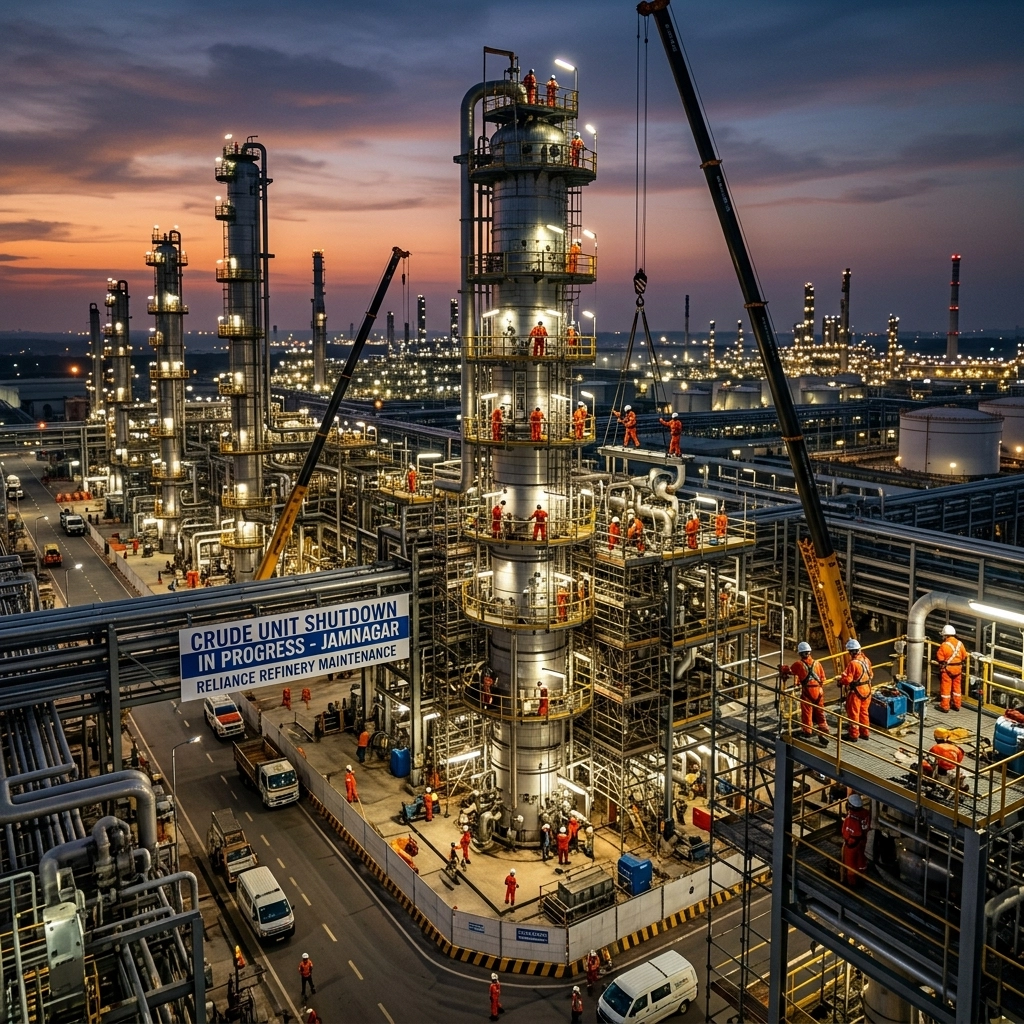
One of the primary beneficiaries of this Capex surge is the Indian Railways. The government’s focus has shifted from merely running trains to creating a sophisticated "multimodal" logistics network. The expansion of the Vande Bharat fleet, the completion of Dedicated Freight Corridors (DFCs), and the modernization of railway stations are not just vanity projects; they are essential for reducing India's logistics costs, which currently hover around 14% of GDP.
Investment Tips India: Focus on the Supply Chain
Investors should look beyond the obvious rail-engine manufacturers. The real value often lies in the companies providing signaling systems, specialized steel for tracks, and logistics tech. As India aims to become a global manufacturing hub, the efficiency of our rails will determine our competitiveness. This infrastructure push is a catalyst for change that will benefit both legacy players and tech-enabled logistics startups.
Roadways and the Tier II/III Revolution
The Budget 2026 India roadmap places a heavy emphasis on connecting the "hinterlands." While the past decade focused on connecting major metros, the next phase of the ₹12.2 lakh crore Capex is targeted at Tier II and Tier III cities.
Improved connectivity in these regions leads to a "Start-up Flood," as seen in recent years. When a small town in Madhya Pradesh or Bihar is connected to a national highway, the cost of doing business drops, allowing local entrepreneurs to scale. For investors, this means the consumption story is no longer limited to Mumbai or Delhi. Companies with strong distribution networks in rural and semi-urban India are set for exponential growth.

Green Energy: Investing in a Sustainable Future
A significant portion of the Capex is being diverted toward the "Green Transition." India's commitment to achieving net-zero emissions has led to massive investments in solar energy, wind power, and green hydrogen. The budget provides clear incentives for companies involved in the EV ecosystem and renewable energy storage.
One of the most exciting developments in this space is India's new battery swap scheme, which aims to democratize EV ownership by reducing the upfront cost of electric vehicles. For the stock market investor, the "Green Capex" implies that the energy sector is undergoing a revitalized transformation. Utility companies that are successfully pivoting from coal to renewables are likely to see their valuations rerated in the coming years.
How to Navigate the Stock Market Today
When you see the indian stock market news flooded with talk of Capex, it is easy to get caught up in the hype. However, successful investing requires a data-driven approach. Here are three strategies to align your portfolio with the Budget 2026 India goals:
- Analyze the Order-to-Bill Ratio: Don't just buy a company because it got a large contract. Look at how quickly they can execute. In a high-interest-rate environment, execution delays can eat into margins.
- Focus on Debt Levels: Infrastructure companies are notorious for high debt. Look for "lean" companies that are benefiting from the Capex cycle without overleveraging their balance sheets.
- The "Pick and Shovel" Strategy: Instead of betting on the company building the road, bet on the companies providing the cement, the specialized equipment, and the business management tools that keep these projects running.

Risks to Consider: The Execution Gap
While the ₹12.2 lakh crore figure is impressive, the "legitimate purpose" of an investor is to question the feasibility. Execution remains a challenge in the Indian context. Land acquisition delays, state-level bureaucratic hurdles, and global supply chain disruptions can stall even the most well-funded projects.
Furthermore, as seen in the past, a key inflation gauge can impact the cost of raw materials. If the price of steel and bitumen rises faster than anticipated, the "real" value of the ₹12.2 lakh crore Capex may diminish, forcing the government to prioritize certain projects over others.
The Role of Technology and AI in Infrastructure
In 2026, infrastructure isn't just about concrete; it's about data. The government is increasingly using AI and data-driven insights to monitor project progress through the Gati Shakti portal. This transparency is a boon for the stock market, as it allows analysts to track the progress of listed companies in real-time.
Companies that integrate technology into their construction and logistics processes will have a competitive edge. Whether it is using drones for surveying or AI for predictive maintenance of power grids, the digital layer of the Capex spend is where the next "multibaggers" might be hiding.

Conclusion
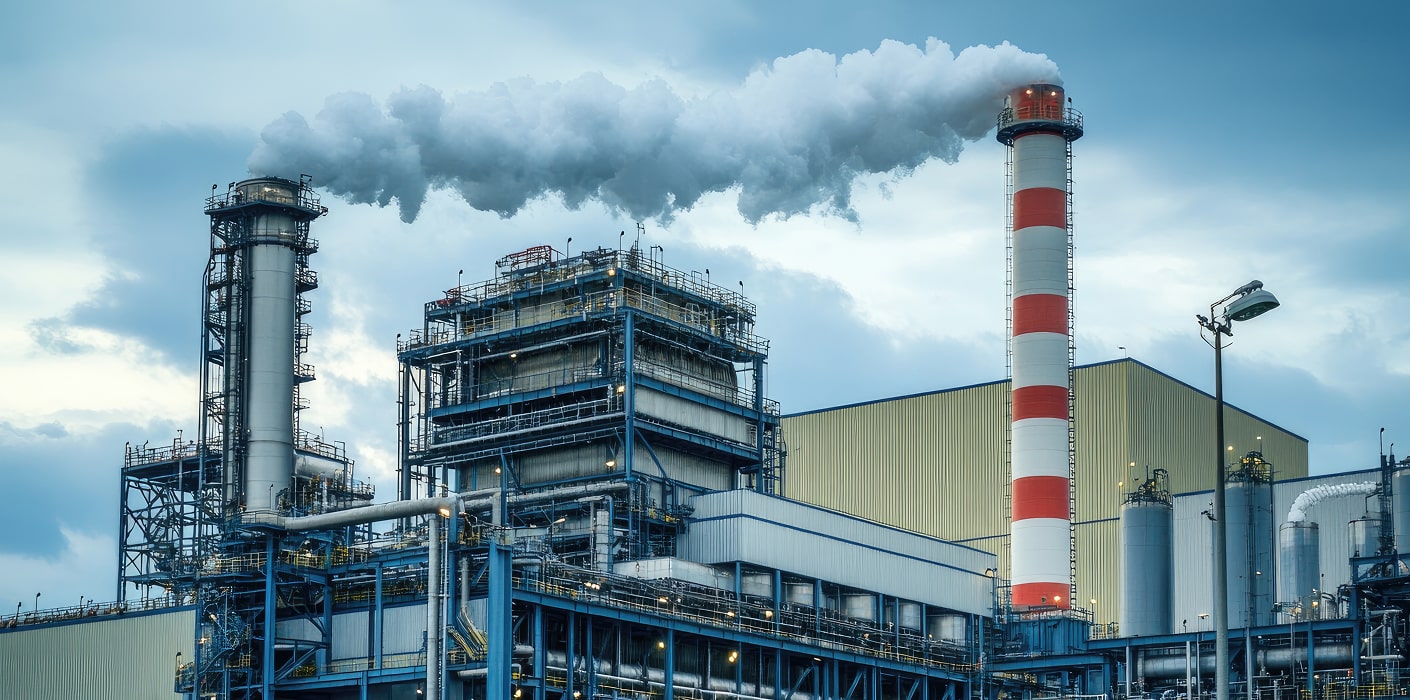
The ₹12.2 lakh crore Capex announced in Budget 2026 india is more than just a fiscal target; it is a structural pivot that will redefine the Indian economic landscape for the next decade. By focusing on railways, roads, and green energy, the government is building the "hard" assets required to support a $5 trillion economy.
For those following the indian stock market news, the message is clear: the era of speculative growth is giving way to a period of asset-backed, industrial expansion. While the stock market today may fluctuate based on global cues, the long-term trajectory for India-focused infrastructure plays remains robust. By applying disciplined investment tips india: focusing on execution, debt management, and technological integration: investors can position themselves to reap the rewards of this massive national rebuilding project.
As we move forward, the success of your portfolio will depend on your ability to distinguish between companies that are simply riding the wave and those that are fundamentally strong enough to lead it. The future of the Indian market is being built on a foundation of ₹12.2 lakh crore: make sure your investments are part of that foundation.


admin

Related Post