

















The ‘Bharat’ E-commerce Explosion: Why Kolar and Rohtak are Outpacing Metros in 2026

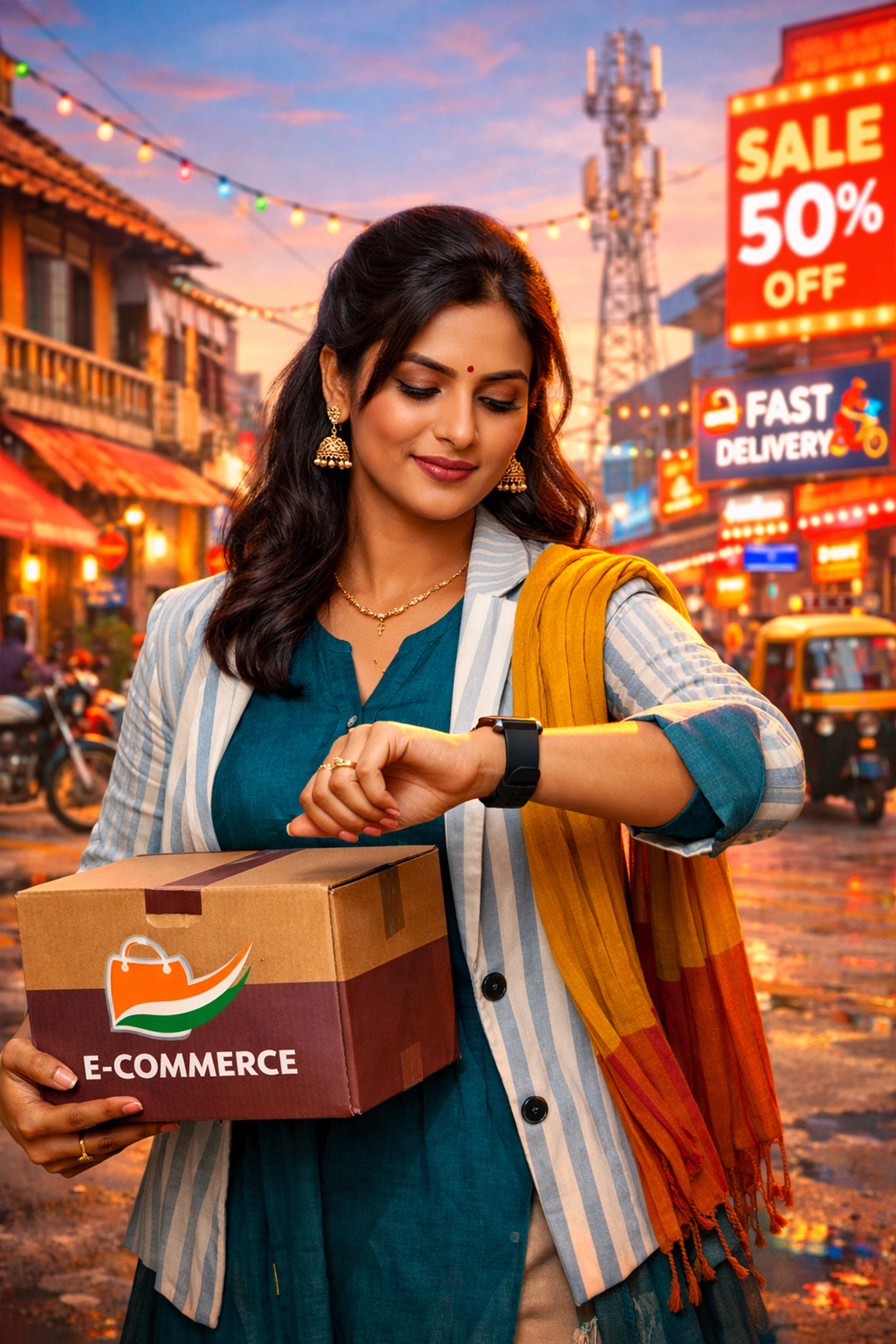
The sleeping giant of the Indian economy hasn't just woken up; it has hijacked the driver's seat. For years, the boardroom discussions in Mumbai and Bengaluru focused on the "top 10%," the metro-dwelling elite with high disposable income. But as we cross the threshold into the second quarter of 2026, the data tells a radically different story. The Bharat E-commerce Explosion is no longer a forecasted trend: it is a full-throttle reality that is reshaping the retail landscape of the subcontinent.
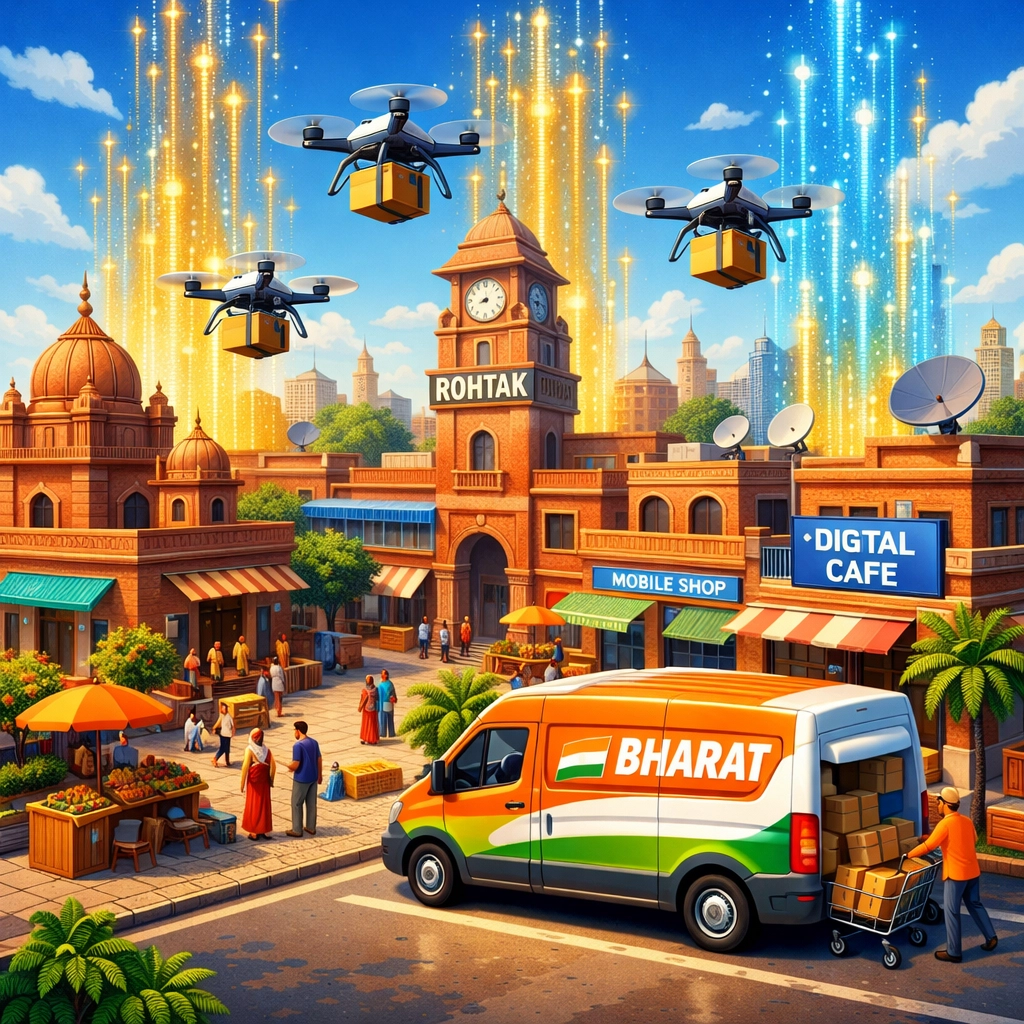
In a stunning reversal of historical norms, Tier-3 cities are no longer just "participating" in the digital economy; they are dominating it. Locations like Kolar in Karnataka and Rohtak in Haryana have emerged as the new high-velocity hubs, frequently outpacing the growth rates of Tier-1 metros. If you are still looking at the Delhi-Mumbai-Bangalore triangle for your primary growth metrics, you are looking in the rearview mirror.
The 40% Revolution: Defining the New Frontier
The numbers coming in for the first half of 2026 are nothing short of revolutionary. According to recent market analysis, Tier-3 cities: led by surprising frontrunners like Kolar and Rohtak: are now driving nearly 40% of total e-commerce order volumes in India. This is a massive leap from the pre-2024 era, where metro cities accounted for the lion's share of digital transactions.
What we are witnessing is the democratization of consumption. The digital divide hasn't just narrowed; it has been bridged by high-speed 5G networks and a hyper-localized logistics infrastructure. For a deep dive into how these market shifts affect your specific industry, you can explore our latest insights at Business Tantra Blog.
A Tale of Two Holidays: 2026 Republic Day and Women’s Day
The real litmus test for this shift came during the major sales events of early 2026. During the Republic Day sales in January and the Women’s Day festivities in March, the data sent shockwaves through the industry.
- Republic Day 2026: In the electronics and home appliances category, order volumes from Tier-3 clusters surpassed Tier-1 metros for the first time in history. Rohtak, once considered a satellite town, recorded a 55% year-on-year growth in premium smartphone sales.
- Women’s Day 2026: The beauty and personal care (BPC) segment saw an unprecedented surge. Interestingly, Kolar saw a higher per-capita spend on organic skincare and premium wellness products than several upscale neighborhoods in South Mumbai.
This isn't just "budget shopping." This is a sophisticated, brand-conscious consumer base that is finally finding the access it deserves. The Bharat E-commerce Explosion is characterized by an "aspirational" mindset where the quality of the product matters as much as the convenience of the delivery.
From Hype-Driven to Habit-Led: The FMCG Shift
In the early days of Indian e-commerce, small-town shopping was largely "hype-driven": people bought electronics or fashion during deep-discount sales. By 2026, the narrative has shifted to "habit-led" consumption.
We are seeing a massive uptick in everyday categories:
- FMCG & Grocery: Residents in Rohtak are now ordering their monthly staples and niche health foods via subscription models.
- Agriculture: Kolar has become a blueprint for "Agri-commerce," where farmers are purchasing high-tech inputs and specialized equipment directly through mobile platforms.
- Beauty & Fashion: The "Instagram-effect" has leveled the playing field. A teenager in a Tier-3 town now demands the same global beauty brands as a college student in Delhi.
This shift toward daily essentials ensures that the growth is sustainable and not just a seasonal spike. If your business is looking to pivot toward these emerging markets, staying updated via our Home News section is essential for real-time strategy adjustments.

The Catalysts: AI Voice Agents and Seamless Payments
Why now? Why is 2026 the year the Bharat E-commerce Explosion reached its zenith? The answer lies in the intersection of technology and linguistics.
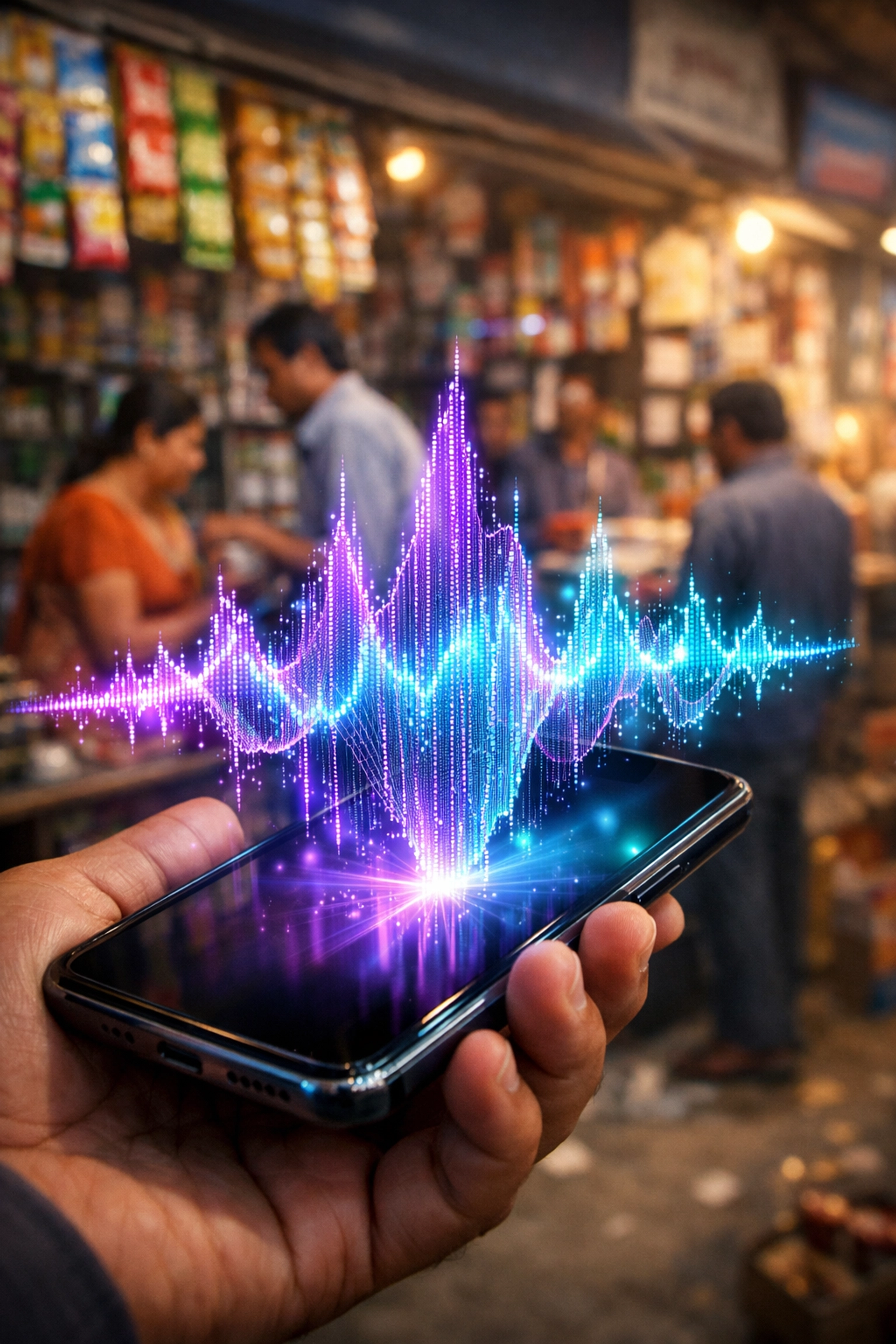
The rise of AI-driven voice agents has been a total game-changer. In 2026, typing a search query is becoming obsolete in Bharat. Consumers in Kolar are using vernacular AI assistants to "talk" to their apps, searching for products in Kannada with natural dialects. These AI agents don't just find products; they explain features, compare prices, and handle the checkout process via voice-activated UPI.
Furthermore, the integration of digital payments has moved past the "trial" phase. With the widespread adoption of NFC-enabled tech, even physical networking in these towns has gone digital. For professionals looking to bridge the gap between digital and physical presence in these booming markets, our NFC-enabled Digital Business Cards are becoming a staple tool.
Logistics: The Death of the "Delivery Delay"
For a long time, the hurdle for cities like Rohtak was the "Last Mile." In 2026, that hurdle has been pulverized. Decentralized warehousing and AI-managed micro-fulfillment centers have enabled same-day or next-day delivery in towns that used to wait a week for a package.
Logistics providers have leveraged local "Kirana" stores as pick-up and drop-off points, creating a hybrid model that blends traditional trust with modern efficiency. This "Hyper-Local Bharat" model has reduced logistics costs by nearly 22%, allowing brands to offer better pricing without sacrificing margins.
The Rise of the Aspirational Consumer
The consumer in Kolar or Rohtak isn't looking for "cheap" versions of metro products. They are looking for the exact same lifestyle. This aspirational surge is driving the demand for premium goods. Whether it's high-end fitness trackers or sustainable fashion, the Tier-3 consumer is making choices based on value, ethics, and brand prestige.
At Business Tantra, we recognize that this demographic is the new backbone of the Indian economy. Their purchasing power is revitalizing sectors that were previously stagnant in the metros. For businesses, this means the marketing strategy must change: it needs to be more inclusive, more vernacular, and significantly more authentic.
Why Your Business Must Adapt Now
If you are a brand owner or a service provider, the window to "pioneer" in these markets is closing fast. The competition is fierce, and the rewards are exponential. This is a call to action to democratize your reach.
To start your journey into the heart of Bharat's new economy, you can Register on our platform to access exclusive market reports and networking opportunities. Whether you are looking to buy or sell in this new ecosystem, our Shop and Contact Us pages are your gateways to the future of Indian retail.
Conclusion
The Bharat E-commerce Explosion of 2026 is a definitive catalyst for change. It has proven that the real pulse of India’s economic growth beats in cities like Kolar and Rohtak. The shift from metro-centricity to a decentralized, digital-first retail model has democratized prosperity and created a more resilient national economy.
As logistics continue to improve and AI-driven tools further lower the barrier to entry, the dominance of Tier-3 cities will only solidify. The question is no longer "Will the small-town consumer shop online?" but rather "Is your business ready to meet them where they are?"
The future is here, it’s vibrant, and it’s speaking the language of Bharat. For more in-depth analysis on the evolving business landscape, stay connected with us at Business Tantra.
Want to learn more about the masterminds behind these insights? Meet our team at Business Tantra Authors or check out our About Us page to see how we are helping businesses navigate the 2026 landscape.