















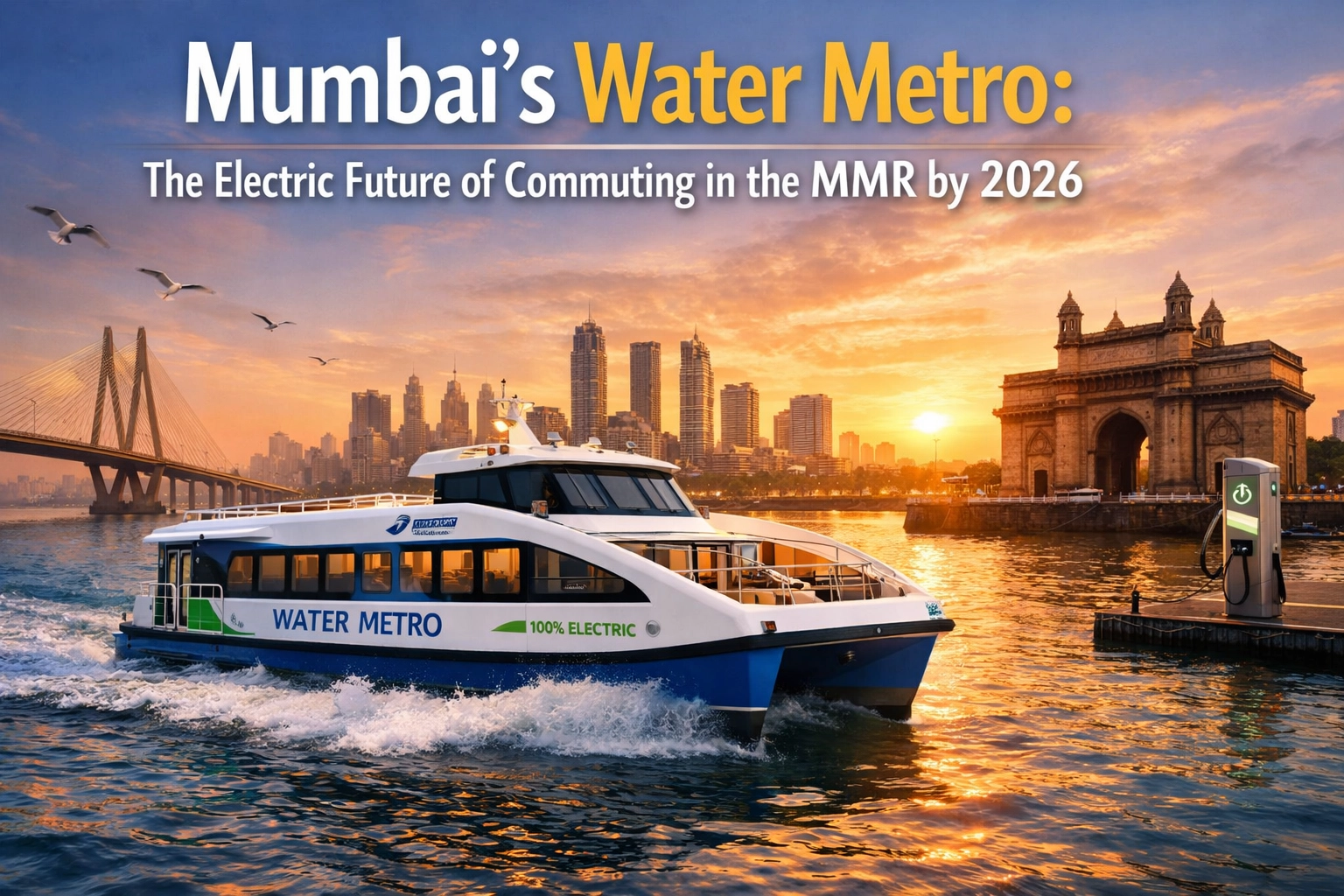
Mumbai’s Water Metro: The Electric Future of Commuting in the MMR by 2026

The landscape of the Mumbai Metropolitan Region (MMR) is on the precipice of a historical transformation. For decades, the lifeblood of India’s financial capital has been its overworked suburban railway network: the "Lifeline of Mumbai." However, as urban density reaches an inflection point, the search for a sustainable, high-capacity alternative has led planners back to the very element that defines the city’s geography: water.
The proposed Mumbai Water Metro is not merely a supplementary ferry service; it is a sophisticated, large-scale, metro-style electric ferry network designed to democratize luxury commuting and provide a vital catalyst for change in the regional economy. Expected to launch its first phase by December 2026, this ambitious project represents a significant milestone in the Economy of India, signaling a shift toward green infrastructure and integrated urban mobility.
1. A Paradigm Shift in Urban Mobility
The Water Metro project aims to revitalize the underutilized waterways of the Mumbai coast, rivers, and creeks. Unlike traditional ferry services that operate in isolation, the Water Metro is modeled after the successful Kochi Water Metro, emphasizing "metro-style" efficiency. This means commuters can expect fixed routes, rigorous scheduled timings, and a frequency of service that rivals the reliability of the existing rail network.
By shifting a portion of the daily passenger load to the sea and inland waterways, the MMR can achieve a significant reduction in road congestion and the carbon footprint of its transport sector. For the business professional navigating from the outskirts to the financial hubs, this transition offers a more predictable and serene commuting experience, effectively turning transit time into productive or restorative windows.
2. The Infrastructure Blueprint: Routes and Reach
The Maharashtra Maritime Board has envisioned a comprehensive 36-route network that will eventually weave together the far-flung nodes of the MMR. In the initial rollout, the focus remains on 10 major corridors that address the most critical "pain points" in current daily travel.
Key routes identified for development include:
- The Ulhas River and Thane Creek: Providing a vital link for the northern and eastern suburbs.
- Vasai Creek: Connecting the high-growth residential hubs of Vasai-Virar to the industrial and commercial nodes.
- Kalyan to Gateway of India: A flagship corridor that promises to redefine connectivity between the historical South Mumbai district and the rapidly expanding Kalyan-Dombivli belt.
- Versova-Madh and Marve-Manori: Enhancing the "last-mile" connectivity for coastal communities.
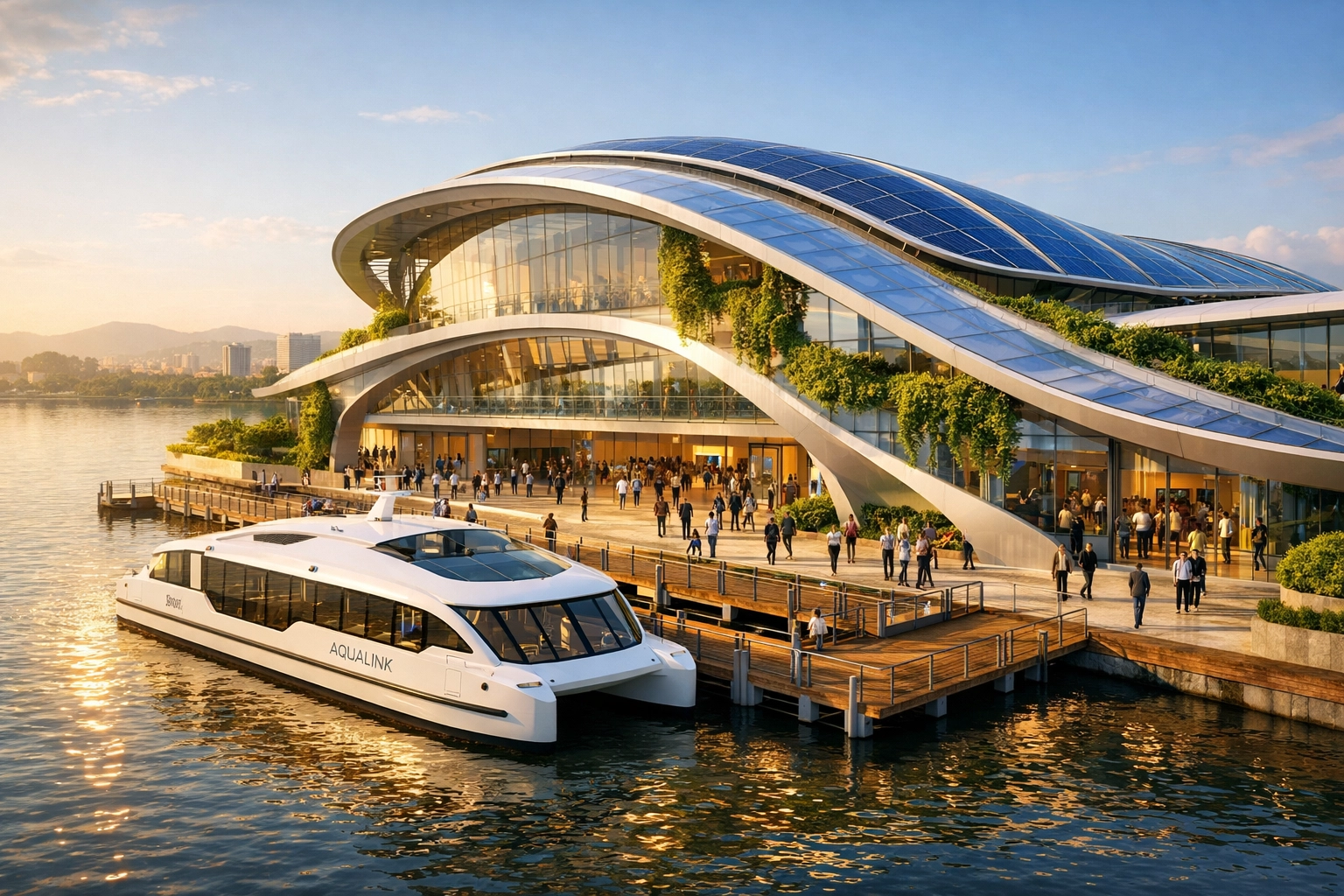
This network is designed to be an expansive web, with the potential to carry up to 18 million passengers annually at peak capacity. By identifying 25 key terminals in the first phase alone, the project ensures that the Water Metro is accessible to diverse socio-economic segments, from industrial laborers to C-suite executives.
3. Sustainable Innovation: The Fleet of the Future
At the heart of the Water Metro’s value proposition is its commitment to eco-friendly technology. The project will deploy a fleet of state-of-the-art electric vessels, positioning Mumbai as a leader in sustainable maritime transport. To accommodate different traffic densities and waterway depths, two primary types of ferries are planned:
- Shallow Water Inland Vessels: With a capacity of 150+ passengers, these boats are designed for the narrower confines of the Ulhas River and various creeks, ensuring maneuverability without compromising on speed or comfort.
- High-Capacity Sea Ferries: Capable of carrying 500+ passengers, these larger vessels will dominate the harbour and coastal stretches, providing the stability required for open-water transit.
These vessels are not just modes of transport; they are data-driven machines equipped with navigational safety infrastructure. The move toward electric propulsion is a mission-critical step in aligning Mumbai's growth with global environmental standards. For those following Indian business updates, the investment of over ₹3,000 crore into marine assets and high-tech vessels represents a massive opportunity for the local manufacturing and green-tech sectors.
4. Economic Catalysts: Impact on the MMR and the Economy of India
The economic implications of the Water Metro are profound. Infrastructure has always been the primary driver of real estate value and commercial growth. By connecting regions like Kalyan, Bhiwandi, and Vasai directly to South Mumbai and the Navi Mumbai International Airport, the Water Metro will likely trigger a surge in regional development.
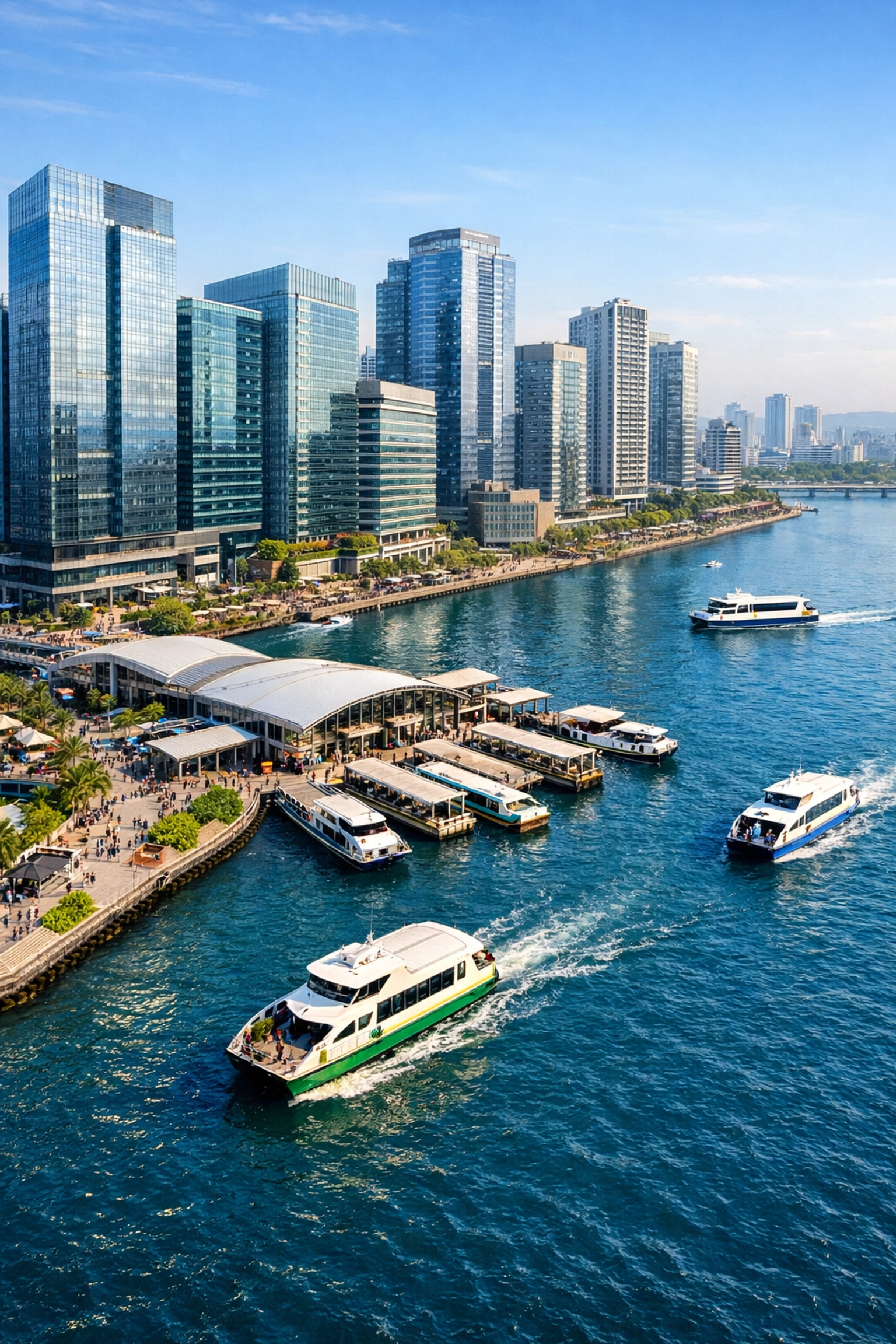
Furthermore, the project operates on a Public-Private Partnership (PPP) model. While the government manages the essential civil and navigational infrastructure, private operators will manage the fleet. This synergy ensures operational efficiency while inviting private capital into the public transport sphere. For entrepreneurs and investors, the terminals themselves will become micro-economies, hosting retail spaces, digital hubs, and commercial services.
Businesses looking to establish a presence in these emerging hubs can leverage modern tools to stay ahead. For instance, as these new transport nodes develop, professional networking will become even more decentralized. Using a digital business card will be essential for entrepreneurs meeting new partners at the modern water terminals of 2026.
5. Lessons from the South: The Kochi Influence
The Mumbai Water Metro is heavily inspired by the Kochi Water Metro, which has already demonstrated the viability of integrated water transport in India. The "Kochi Model" proved that if the service is clean, punctual, and technologically advanced, commuters will choose it over traditional road or rail options.
Mumbai’s version, however, is being scaled to meet the gargantuan demands of a global megacity. The total investment required is estimated at ₹6,592 crore, split between infrastructure development and the acquisition of a diverse fleet including hydrofoils and hovercrafts for specialized routes. This level of investment underscores the government's confidence in the Water Metro as a transformative solution rather than a mere experimental pilot.
6. Seamless Integration: Digital Ticketing and Connectivity
A transport system is only as good as its integration with the existing grid. The Mumbai Water Metro is designed to be a "plug-and-play" addition to the city’s transport ecosystem. This involves:
- Intermodal Hubs: Terminals are being planned in close proximity to existing railway stations and upcoming Metro Line stations.
- Unified Digital Ticketing: Following the "One Nation, One Card" vision, commuters will likely be able to use the same digital passes for the Water Metro as they do for the bus and rail systems.
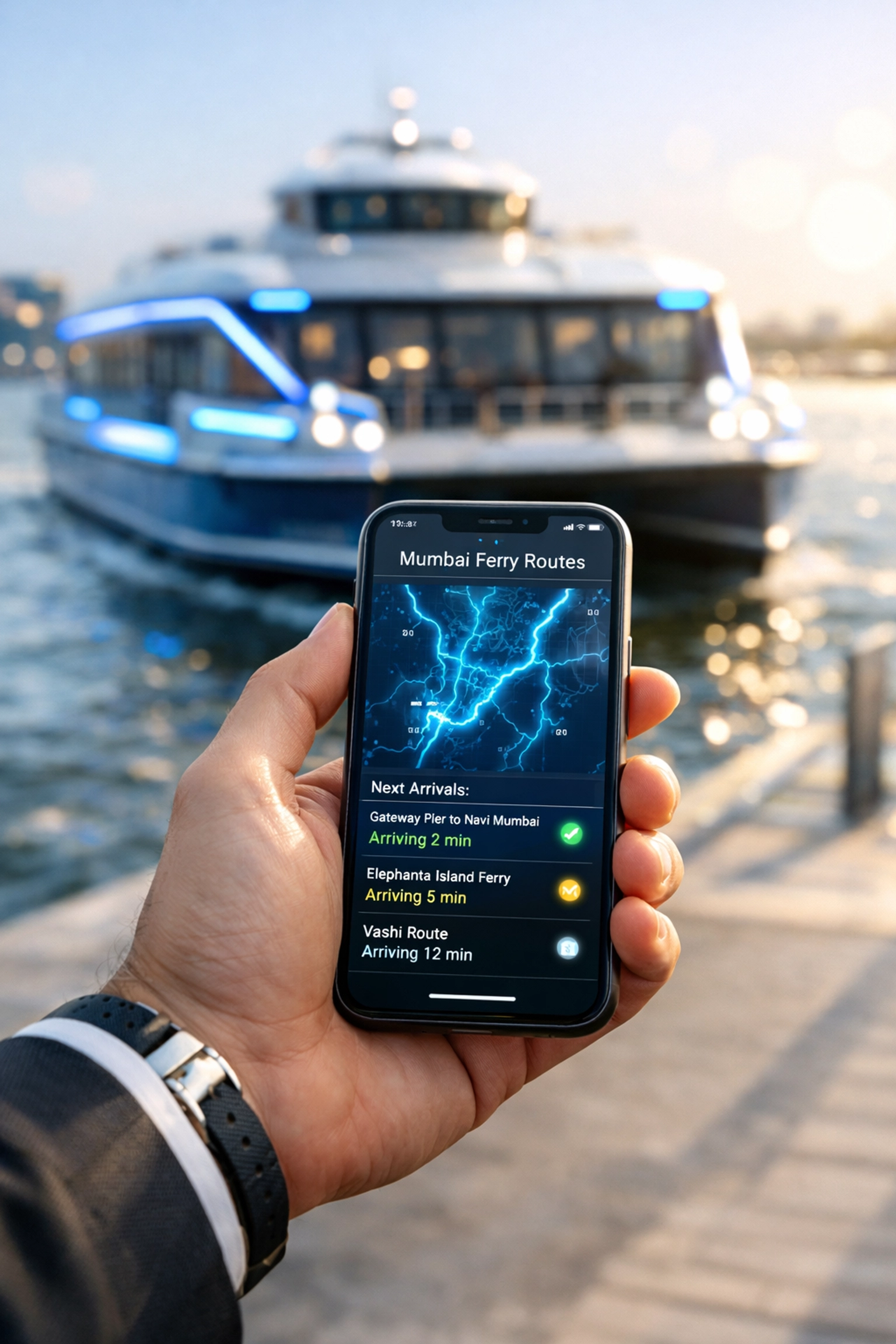
- Digital-First Approach: From real-time tracking on mobile apps to cashless terminals, the system aims to provide a frictionless user experience.
For professionals and businesses tracking these developments via Business Tantra, the emphasis on digital-first infrastructure is a clear indicator of where the Economy of India is headed. The integration of data-driven insights into daily commuting will allow for better fleet management and a more responsive public service.
7. The Roadmap to 2026 and Beyond
While the vision is expansive, the execution is disciplined and phased. Phase 1, covering the most critical routes with projected daily ridership of 44,000 passengers, is slated for a launch by the end of 2026. Subsequent phases, leading up to 2036, will see the network grow into one of the largest water-based passenger transport systems in the world.
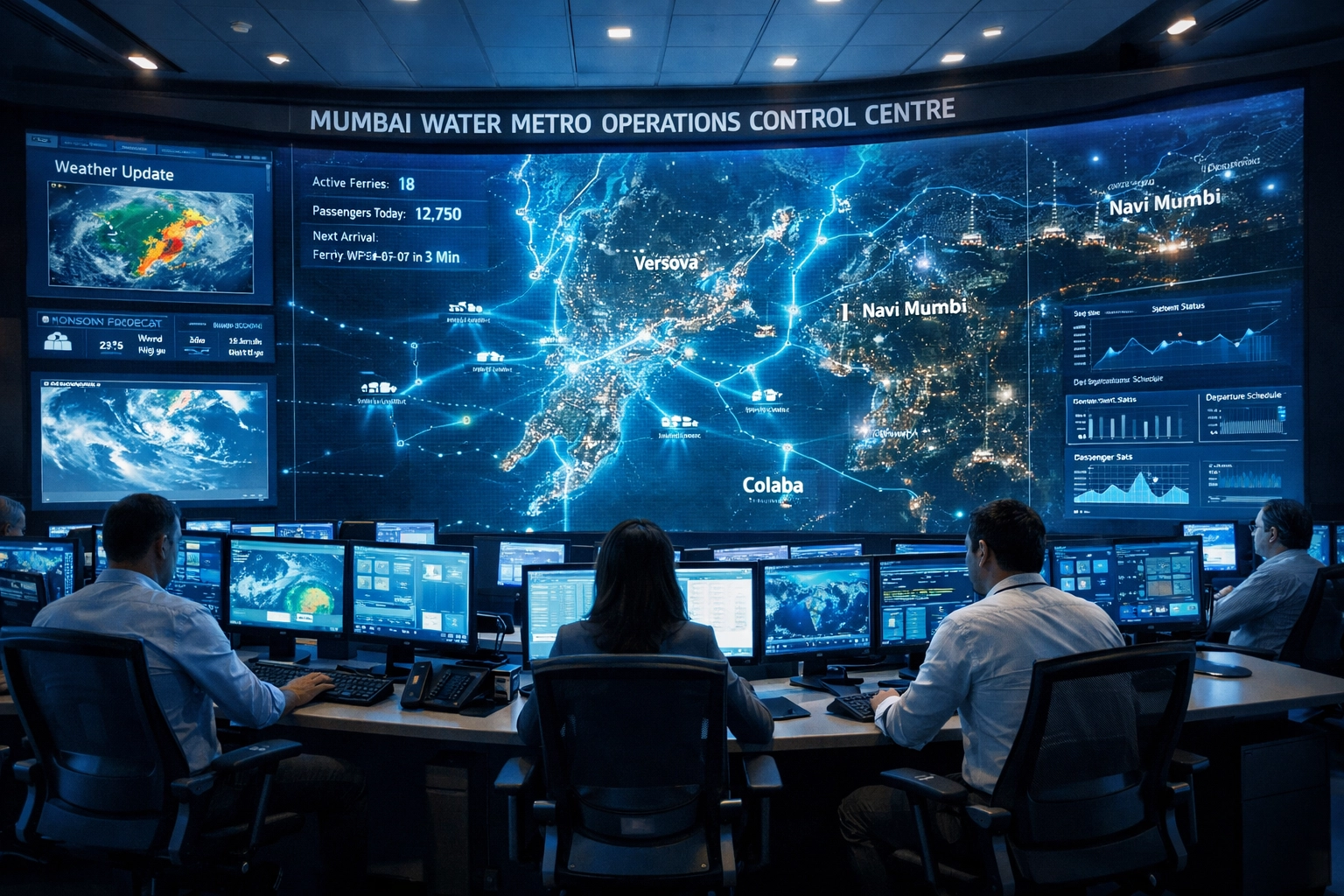
An Operations Control Centre (OCC) is expected to be established at Kalher, near Bhiwandi, serving as the "brain" of the entire network. This facility will monitor vessel movements, manage schedules, and ensure the highest standards of safety across the 125 km of initial waterways.
Preparing for the Future
As Mumbai prepares to reclaim its waterways, the business community must also prepare for the shifts in demographics and commercial density that this project will bring. Staying informed through reliable sources is crucial for navigating these changes. You can explore more about regional business trends on our home news page or learn about the visionaries behind such projects in our authors section.
Conclusion
The Mumbai Water Metro is poised to be more than just a way to beat the traffic; it is a fundamental reimagining of what urban life in a coastal megacity can be. By blending sustainable electric technology with the rigour of metro-style operations, the project addresses the twin challenges of environmental degradation and urban congestion.
As we approach 2026, the Water Metro stands as a testament to India's growing capacity for complex, high-tech infrastructure projects that cater to the needs of millions. It is a bold step toward a more connected, efficient, and revitalized Mumbai Metropolitan Region: a true catalyst for the next chapter of the Economy of India. Whether you are a daily commuter looking for a breeze-filled journey or a business leader identifying the next growth corridor, the Water Metro is a development that cannot be ignored.
The future of Mumbai is not just on the tracks or the roads; it is on the water.
Stay updated with the latest in Indian business and infrastructure by visiting Business Tantra. For inquiries on how these developments affect your sector, feel free to contact us or register for our exclusive insights.

admin

Related Post