
























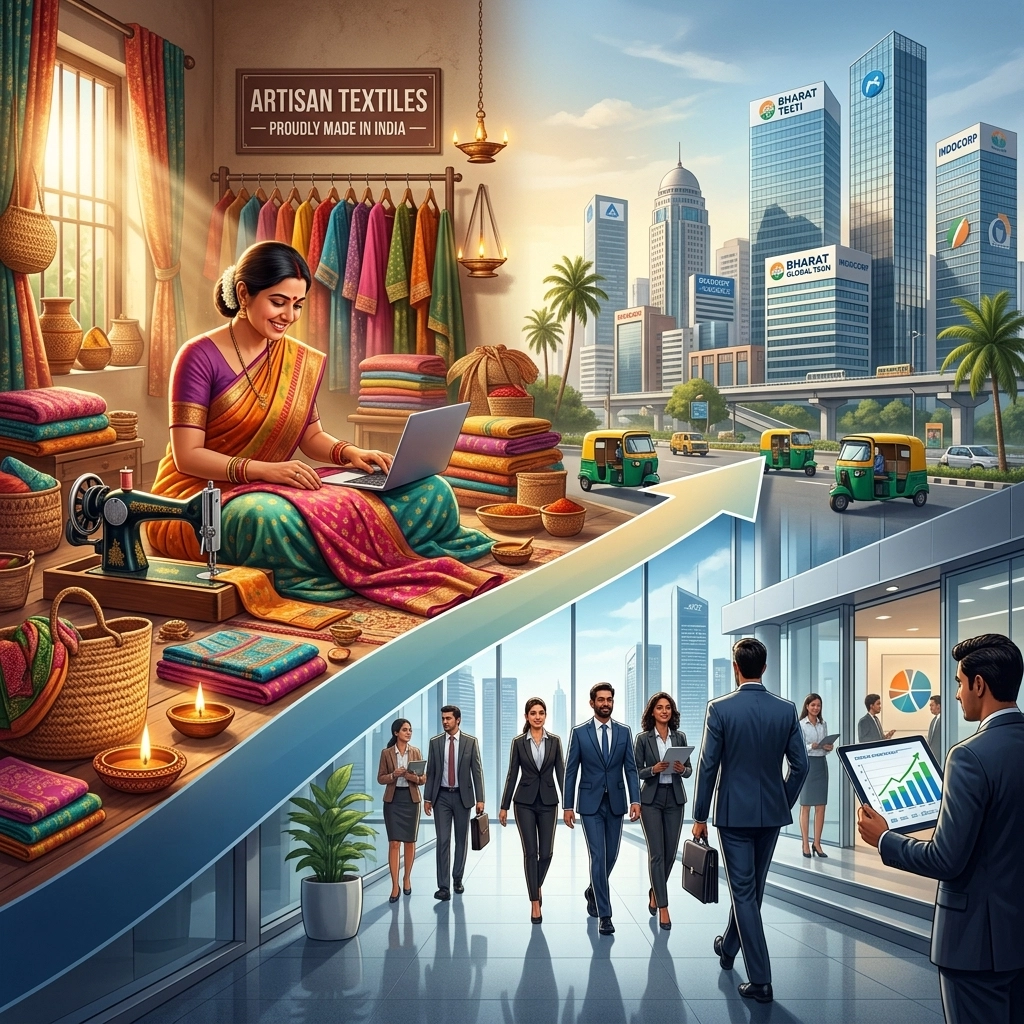

The landscape of the Indian economy has undergone a seismic shift over the last decade. What was once a market dominated by established industrial houses is now a vibrant ecosystem where a "home-grown" idea can evolve into a global powerhouse within a matter of years. For anyone following corporate news India, the narrative has shifted from basic survival to exponential scaling. The journey from a garage, a kitchen, or a small dormitory room to becoming a Multinational Corporation (MNC) is no longer a rare anomaly; it is becoming the blueprint for the modern Indian entrepreneur.
As we look at the indian business updates in mid-2026, the maturity of the Indian startup ecosystem is evident. With over a hundred unicorns and a maturing IPO market, the transition from domestic player to international heavyweight requires a unique blend of localized innovation, strategic capital infusion, and a global mindset.
1. The Classic Blueprint: Shri Mahila Griha Udyog (Lijjat Papad)
Before the era of venture capital and digital marketing, the gold standard for scaling a home business was set by Lijjat Papad. Founded in 1959 by seven women on a terrace in Mumbai with a borrowed sum of ₹80, this cooperative has become a multi-million dollar venture with a presence in over 15 countries.
Lijjat’s success was built on a decentralized production model that empowered women at the grassroots level. This "hyper-local" production coupled with a "hyper-standardized" quality control mechanism allowed them to scale without losing the essence of their product. Today, it serves as a foundational case study for how a collective of home-based workers can build a brand that resonates in international markets, proving that the "MNC" status is as much about reach and impact as it is about corporate structure.
2. The Tech-Led Transformation: Flipkart and Ola
The modern iteration of scaling usually involves a significant technological catalyst. Flipkart, famously started by Sachin and Binny Bansal in 2007 as an online bookstore operating out of an apartment, redefined the Indian retail landscape. Their journey highlights a critical phase in scaling: the "Infrastructural Pivot." By building their own supply chain (e-Kart) and introducing "Cash on Delivery," they solved uniquely Indian problems to achieve domestic dominance before being acquired by Walmart in a multi-billion dollar deal.
Similarly, Ola Cabs transitioned from a small Mumbai-based startup to a global mobility player. By understanding the nuances of the Indian commuter and later expanding into international markets like Australia and the UK, Ola demonstrated that Indian service models are exportable. Their recent pivot into the electric vehicle (EV) space via Ola Electric further illustrates how scaling often requires a company to reinvent its core product to stay relevant in a changing global economy.
3. The D2C Revolution: Scaling Niche to Global
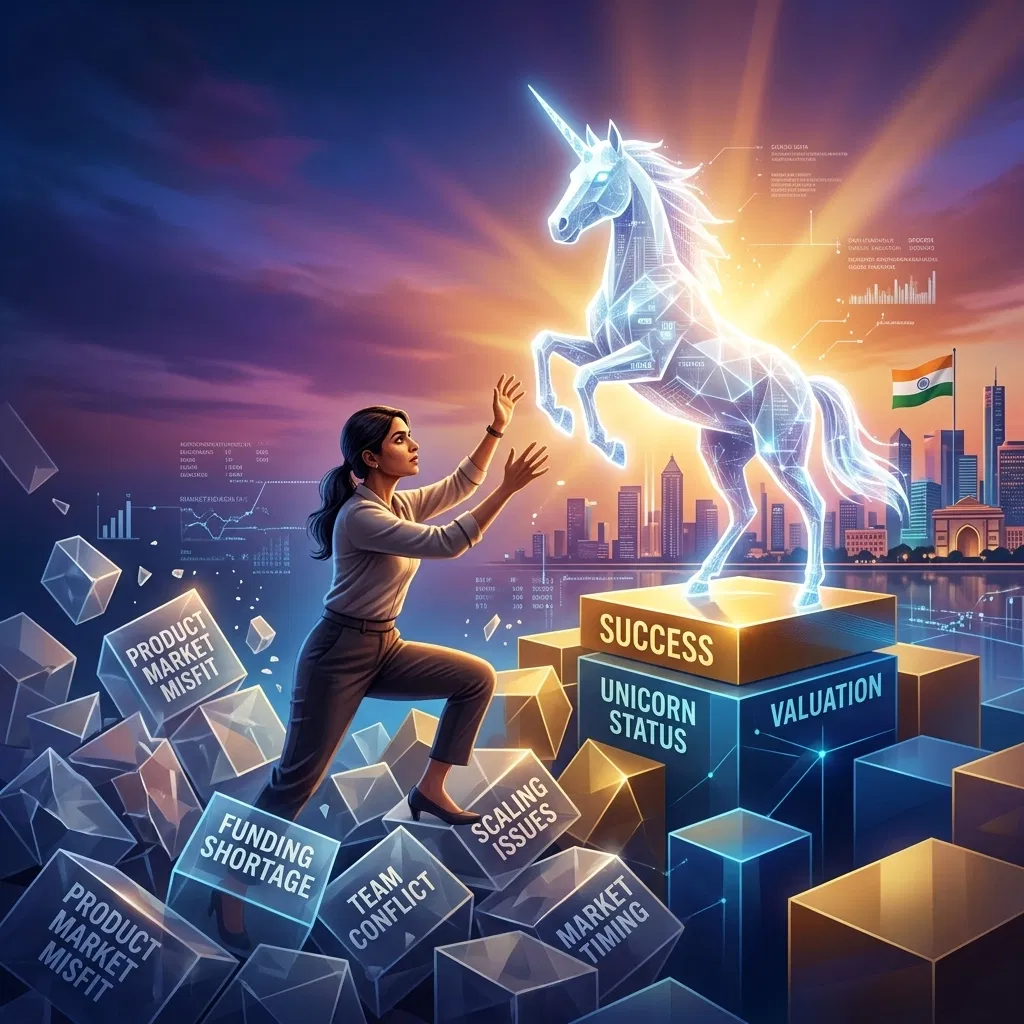
In the last five years, "Direct-to-Consumer" (D2C) brands have become the new frontrunners for rapid scaling. Brands like Mamaearth, Sugar Cosmetics, and Nykaa started with a narrow focus on specific consumer pain points: such as toxin-free products or specialized makeup for Indian skin tones.
The trajectory for these brands often follows a similar pattern:
- Niche Identification: Solving a specific problem for the Indian middle class.
- Digital Scaling: Leveraging social media and e-commerce platforms to bypass traditional distribution bottlenecks.
- Omnichannel Presence: Moving from "online-only" to physical retail stores.
- International Expansion: Launching in markets with a high Indian diaspora or similar demographic profiles (UAE, Southeast Asia).
Women entrepreneurs on Shark Tank India have played a significant role in this narrative, showcasing how focused leadership can drive a brand from a home-office to a publicly listed entity.
4. Why India is the Next Manufacturing and Innovation Hub
As of 2026, the phrase "Made in India" is carrying more weight in international boardrooms. The government’s Production Linked Incentive (PLI) schemes and the Startup India initiative have acted as catalysts for change. By providing subsidies and creating "Plug and Play" infrastructure, India is positioning itself as a viable alternative to other manufacturing giants.
The scaling scope is no longer limited to software. We are seeing a surge in hardware and deep-tech scaling. For instance, the battery swap scheme has opened up massive opportunities for energy startups to scale their infrastructure across the continent and beyond.
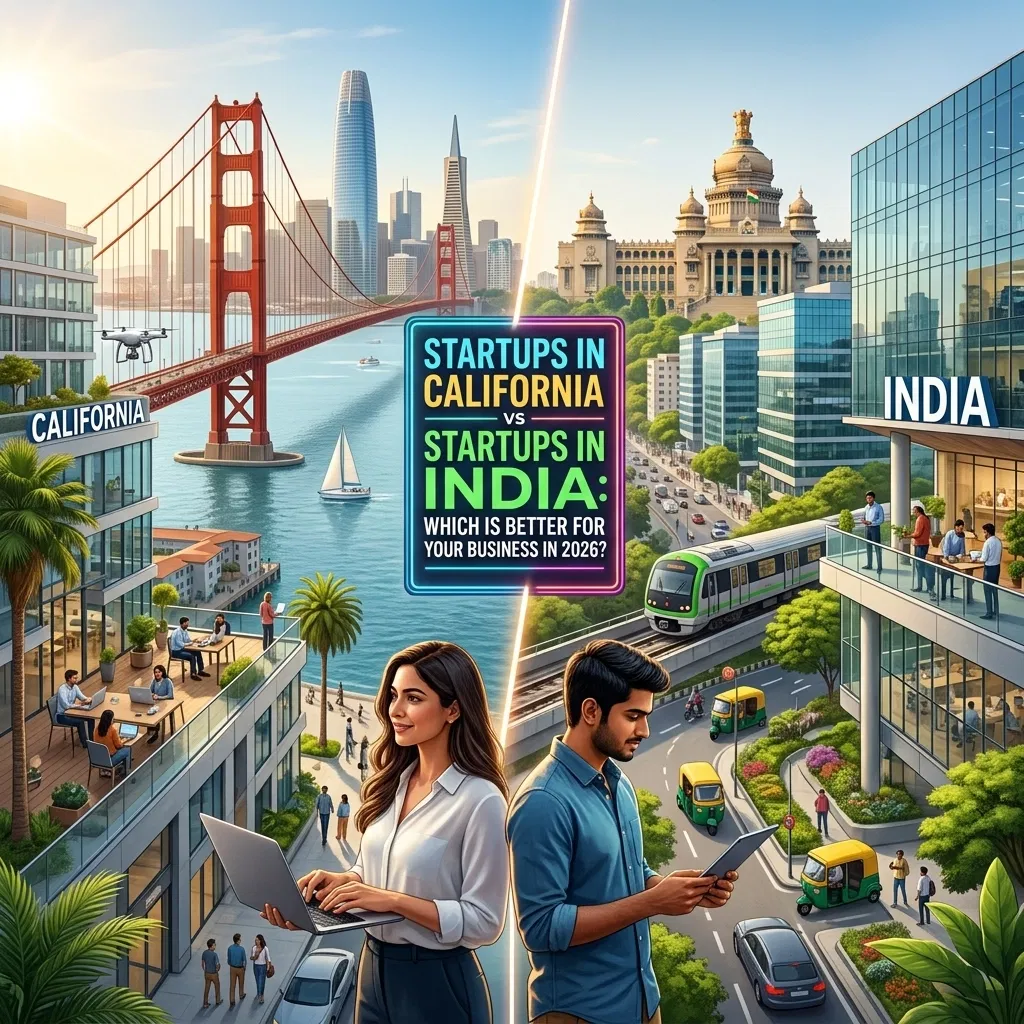
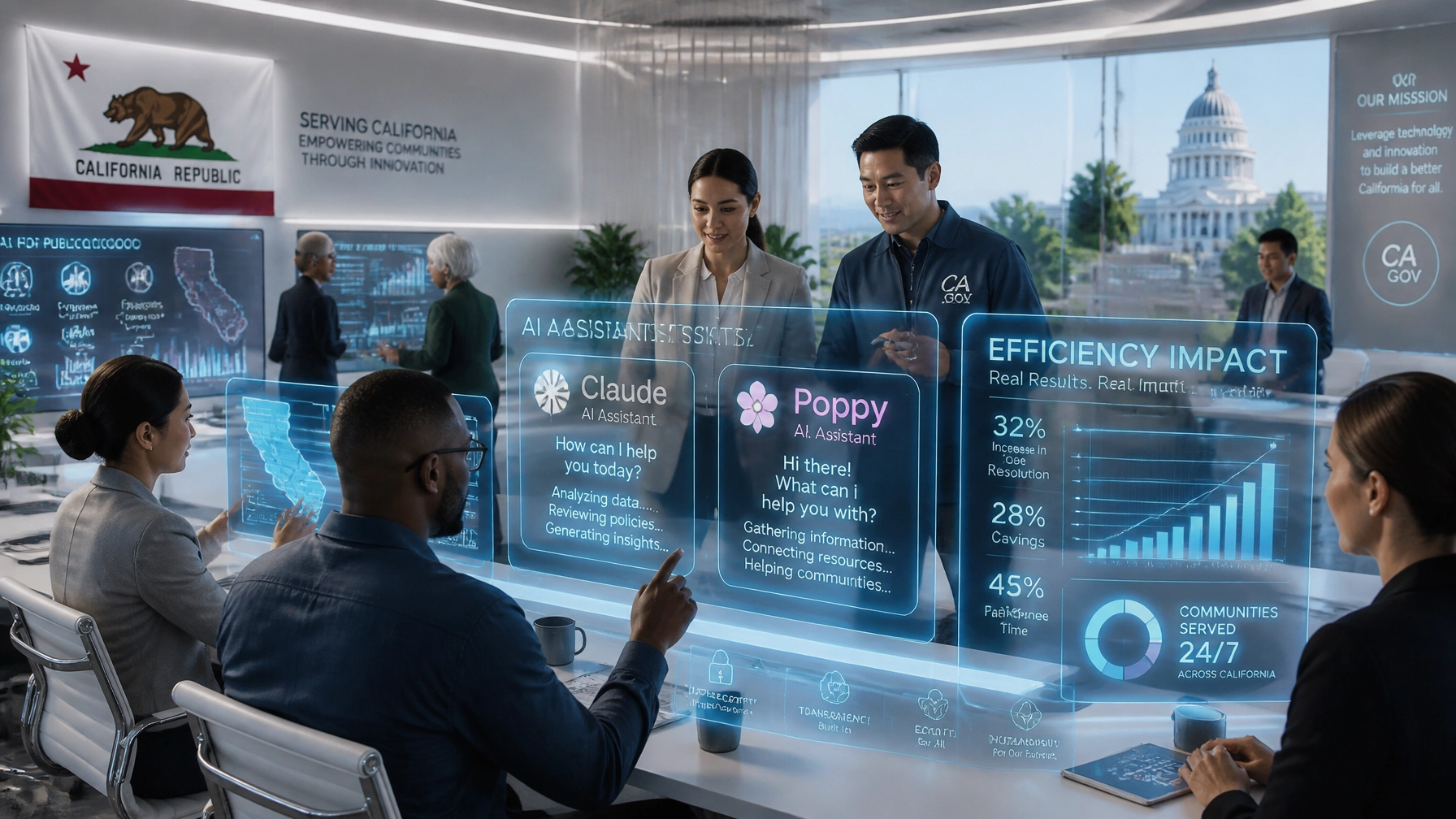
While many entrepreneurs look toward Silicon Valley for inspiration, the "India vs. California" debate is becoming more nuanced. California offers a mature venture capital ecosystem and proximity to global tech giants, but India offers an unparalleled testing ground with a massive, diverse consumer base. For an Indian brand, if you can scale to 100 cities in India, the logistical and operational resilience you build makes international expansion into markets like California much more manageable.
5. Strategic Pillars of Scaling to MNC Status
To transition from a domestic success to a multinational corporation, Indian businesses are focusing on three primary pillars:
I. Professional Management and Governance
As a business grows, the "founder-led" chaos must transition into "system-driven" order. Many startups fail to scale because they lack the necessary corporate governance. Understanding why business management for startups is essential is often the difference between a company that plateaus and one that becomes a global leader.
II. Strategic Mergers and Acquisitions (M&A)
Scaling organically can be slow. Modern Indian MNCs are increasingly using M&A to enter new markets. Whether it is Byju's acquiring US-based companies to gain a foothold in Western ed-tech or Zomato acquiring local delivery players in Southeast Asia, M&A is the fast-track to multinational status.
III. Data-Driven Insights and Localization
Even as they go global, successful Indian MNCs maintain their ability to localize. They use data to understand the "cultural nuances" of new markets, ensuring that their value proposition remains relevant whether they are selling in Bengaluru or Berlin.

6. The Shift Toward Profitability and IPOs
In the 2026 business cycle, the "growth at any cost" model has been replaced by a "sustainable scaling" model. Investors are no longer just looking for high user numbers; they are looking for path-to-profitability. This shift is vital for any business aiming for an MNC status, as public markets in India and abroad demand fiscal discipline.
Companies like IndiGo, which swung back to profit after strategic restructuring, show that even large-scale operations must remain agile. The current trend shows a record number of Indian startups racing for an IPO, signaling a mature exit environment that provides the capital necessary for further global expansion.
7. Opportunities for Indians in Global Markets (The California Connection)
For Indian entrepreneurs, California remains a land of opportunity, but the approach has changed. Rather than moving there to start fresh, many are "scaling into" California. By leveraging the low-cost, high-skill talent pool in India to build products that solve global problems, Indian businesses are establishing HQs in places like San Francisco to be closer to global capital and strategic partners.
California’s wealth and focus on innovation in sectors like Biotech and AI offer a perfect playground for Indian deep-tech startups. The synergy between Indian operational efficiency and California’s innovation-first environment is a potent combination for creating the next generation of MNCs.

8. Overcoming the Scaling "Wall"
Scaling is not without its hurdles. Many businesses hit a "wall" where their existing processes break down. This often happens due to:
- Burnout: As seen in cases where Amazon drone engineers or high-growth startup employees are pushed to the limit.
- Regulatory Friction: Navigating international tax laws and compliance (e.g., Tesla’s struggle with Indian import taxes).
- Inflation and Costs: Rising consumer price indices can impact everything from logistics to truck financing.
Successful scaling requires anticipating these frictions and building a resilient corporate structure that can withstand economic rebounds or downturns.
Conclusion
The journey from a home business to an MNC in the Indian context is a testament to the country's "Jugaad" roots evolving into "Systemic Innovation." From the community-driven success of Lijjat Papad to the tech-heavy global ambitions of 2026’s unicorn fleet, the path is clear: start local, solve a genuine problem, leverage technology, and scale with discipline.
As India continues its trajectory toward becoming a global manufacturing and services hub, the opportunities for homegrown brands to dominate the world stage have never been greater. For the Indian entrepreneur, the world is no longer just a market to export to; it is a playground to lead in.