









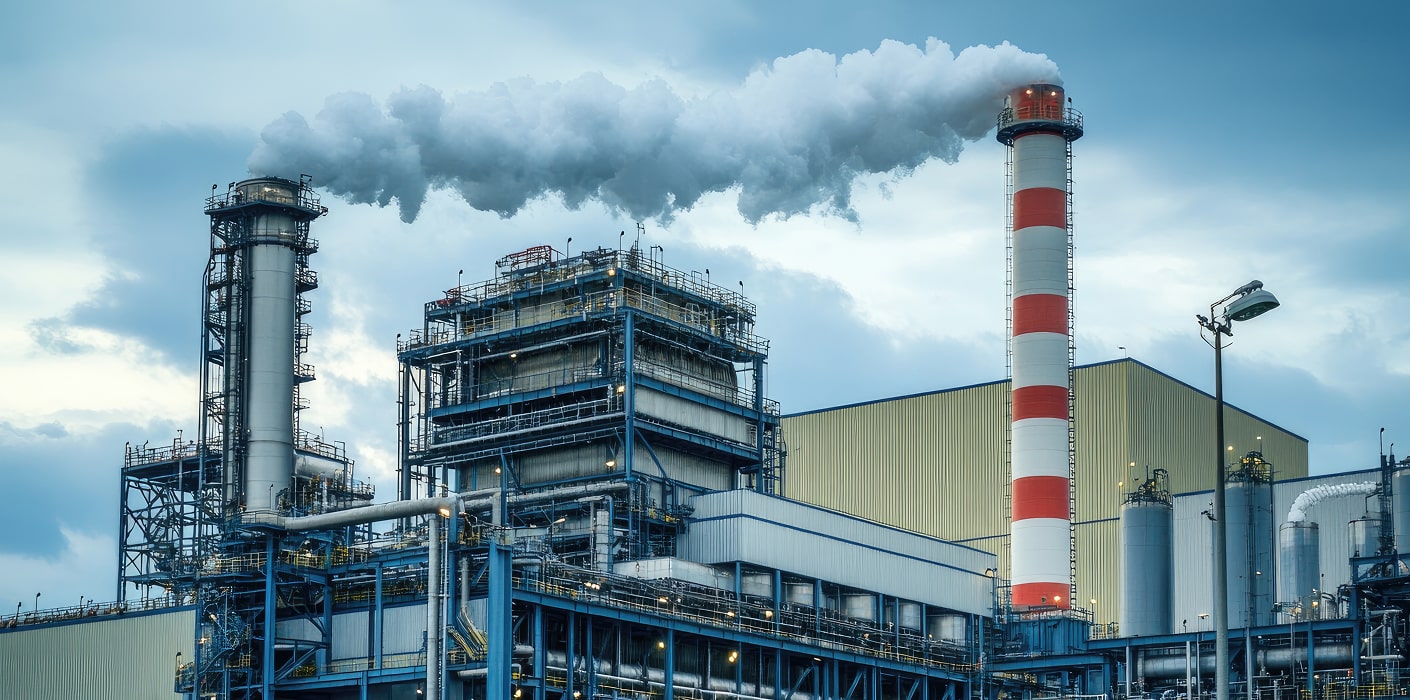

















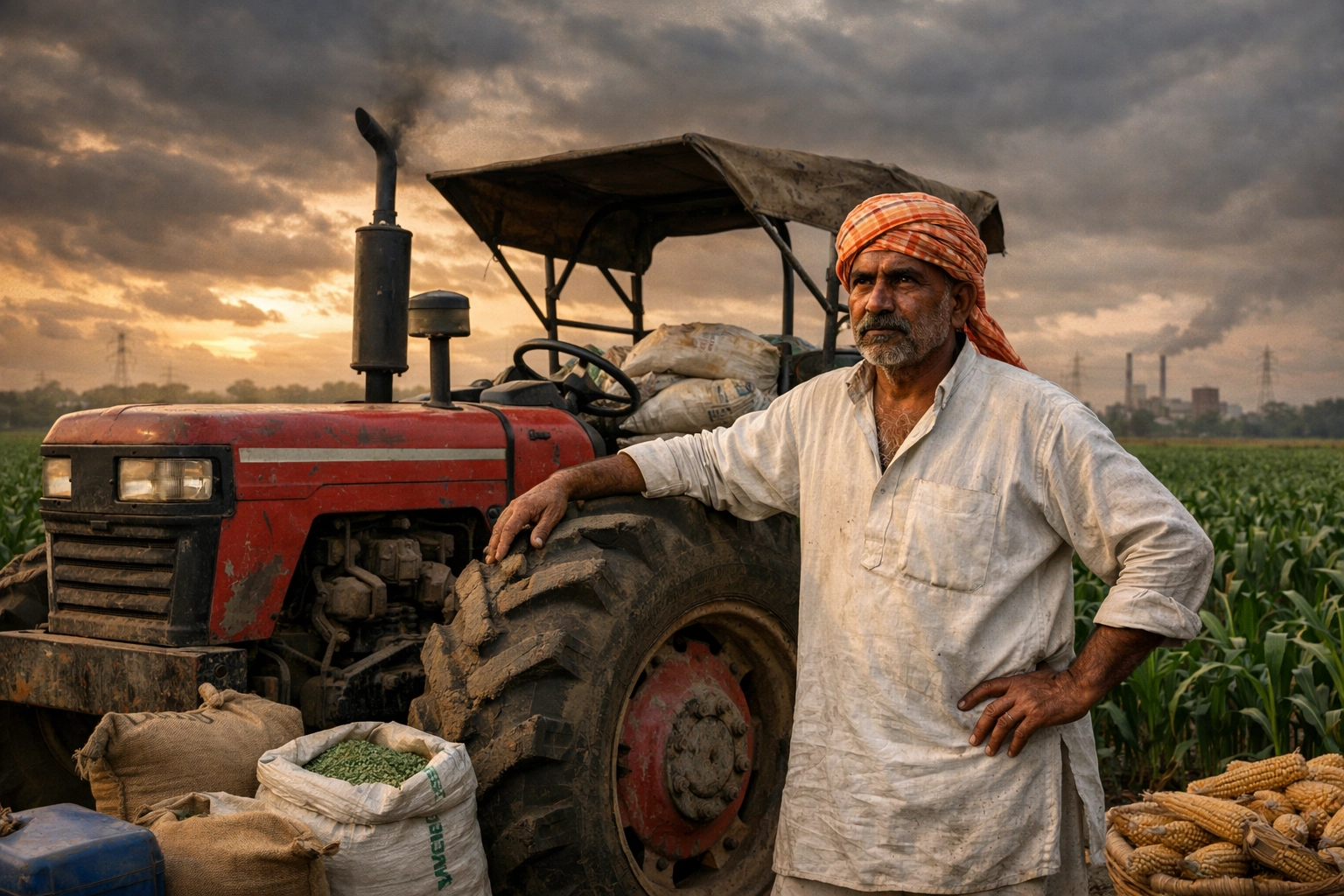

Indian business updates now carry an urgent warning for policymakers, agri-supply chains, and households alike: the Iran war has sharply intensified input costs for Indian farmers, and the ceasefire, even if it holds, has arrived too late to prevent a fresh round of food inflation. The conflict disrupted energy-linked supply chains, tightened global fertilizer markets, and pushed landed costs higher at a moment when sowing decisions were already under pressure. For the economy of India, this is not a peripheral farm-sector story; it is a front-line inflation risk with direct consequences for rural margins, wholesale prices, and household budgets.
The brutal arithmetic is straightforward. Fertilizer production and pricing remain deeply connected to global energy markets, shipping routes, and geopolitical stability. When war elevates freight, insurance, feedstock, and import uncertainty all at once, farmers absorb the shock first. By the time diplomatic language shifts toward de-escalation, procurement cycles, inventory planning, and planting economics have already been damaged. That is why the ceasefire is too late to fully neutralize the inflationary spillover now building across the food chain.
1. Why Indian Business Updates Are Tracking Fertilizer Costs So Closely
For any serious observer of indian business updates, fertilizer is not just an agricultural input; it is a macroeconomic signal. Urea, DAP, potash, and complex nutrients influence crop yields, acreage choices, and production costs across the farm economy. India’s dependence on imported inputs and energy exposure means a geopolitical shock in West Asia can rapidly become a domestic pricing issue.
According to the World Bank’s commodity market insights, fertilizer prices are highly sensitive to energy costs and international trade disruptions. That relationship matters enormously for the economy of India, where food inflation can quickly shape monetary expectations, rural sentiment, and consumption trends. A ceasefire may calm headline risk, but it does not instantly restore shipping confidence, working capital cycles, or affordable supply.
Alt text: indian business updates
2. The 40% Squeeze on Farmers Is a Catalyst for Change — and Distress
Reports across agri-trade channels suggest farmers are confronting a severe fertilizer squeeze, in some cases nearing 40% in effective cost pressure once logistics, dealer pricing, delayed availability, and credit burdens are considered together. That does not merely raise one line item in a farm budget; it threatens the viability of cultivation itself. When nutrient costs spiral, farmers often reduce application, delay purchases, or shift to less input-intensive crops. The result can be weaker yields and more volatile mandi arrivals later.
This is where the issue becomes central to the economy of India. Lower nutrient use today can translate into tighter supply tomorrow. Food inflation does not emerge only from poor monsoons or retail speculation; it can also stem from a structurally weakened production cycle. In that sense, the war has become a catalyst for change in how India must think about fertilizer security, strategic reserves, and data-driven insights for agri-risk management.
For broader coverage on how macro shocks influence Indian markets, readers can track Business Tantra’s latest stories and sector updates shaping the national business conversation.
3. Why the Ceasefire Is Too Late for Food Inflation
The assumption that a ceasefire immediately solves commodity stress is commercially inaccurate. Even if hostilities cool, traders still reassess risk, insurers maintain elevated premiums, and importers proceed cautiously until supply reliability is revitalized. Contracts disrupted during conflict are not replaced overnight. Inventory lost in timing cannot be magically restored during a critical sowing window.
That lag is why food inflation may still intensify. A farmer who paid more for nutrients — or could not access the right mix at the right time — has already locked in a worse cost structure. Those higher costs move through the value chain into cereals, vegetables, pulses, and edible supply ecosystems. The indian business updates narrative therefore must look beyond diplomacy and focus on operational consequences. In practical terms, the ceasefire may stabilize sentiment, but it cannot erase planting-season damage already embedded in the cost base.
The FAO’s food price analysis consistently underlines how upstream disruptions can filter into broader food systems with a delay. That delayed pass-through is precisely what makes the current moment so consequential for the economy of India.
4. The Policy Challenge for the Economy of India
The policy response now requires more than short-term reassurance. The economy of India needs a legitimate purpose-driven fertilizer resilience framework that blends subsidy efficiency, import diversification, domestic production support, and logistics monitoring. A fragmented response would only defer the pain. A strategic response, by contrast, could democratize access to stable inputs and protect smallholders from sudden geopolitical shocks.
There is also a legalistic and fiscal dimension. If subsidy burdens expand sharply while market prices remain unstable, the government faces pressure on both public finances and inflation management. That creates a delicate balance between shielding farmers and preserving macro stability. India’s electronic communications network, digital marketplaces, and agri data systems can help, but only if they are integrated into real-time distribution and stock visibility.
Readers following inflation, trade, and commodity transmission trends can also explore Business Tantra’s economics coverage for deeper reporting on policy implications and sectoral shifts.
5. What Businesses, Investors, and Consumers Should Watch
This story extends far beyond the farm gate. Food processors, FMCG companies, rural lenders, agri-retailers, and logistics players all have exposure to this squeeze. Businesses should monitor fertilizer availability, crop pattern shifts, rural demand softness, and the possibility of elevated retail prices in the coming months. Investors should treat this as a serious inflation input, not a temporary headline. Consumers, meanwhile, should prepare for the possibility that food prices remain sticky even if geopolitical rhetoric softens.
From a business-news standpoint, indian business updates over the next quarter will likely be shaped by one question: can supply-side intervention move fast enough to prevent a broader inflation spiral? If not, the pressure on household budgets and rural profitability could intensify just when growth sentiment needs support. That would make farm input economics one of the most consequential undercurrents in the economy of India this season.
For ongoing business and market intelligence, monitor the Business Tantra sitemap and official updates from the Ministry of Chemicals and Fertilizers.
Conclusion
The latest indian business updates point to a stark reality: the Iran war’s disruption to fertilizer economics has already hit Indian farmers, and the ceasefire has arrived too late to fully prevent food inflation from building through the supply chain. What appears to be a geopolitical aftershock is, in fact, a direct stress test for the economy of India. Unless supply resilience, subsidy execution, and distribution efficiency are revitalized at speed, the 40% fertilizer squeeze could become a defining driver of rural strain and consumer inflation in the months ahead.
For more analytical reporting on India’s markets, policy, and business landscape, visit our About Us section or connect through our Contact Us page. Stay alert. Track the data. Understand the input chain before the inflation numbers tell the full story. 📉🚜