





















Narendra Modi’s Recent Request from Indians


In the latest edition of Mann Ki Baat, Prime Minister Narendra Modi issued a compelling call to action that resonates deeply with the nation’s economic and environmental trajectory. As we move further into 2026, the administration's focus has sharpened on a specific, transformative goal: energy conservation and the adoption of renewable technology. Narendra Modi's request to Indians is not merely a suggestion for domestic efficiency but a strategic mandate to fortify India's position as a global leader in sustainable development.
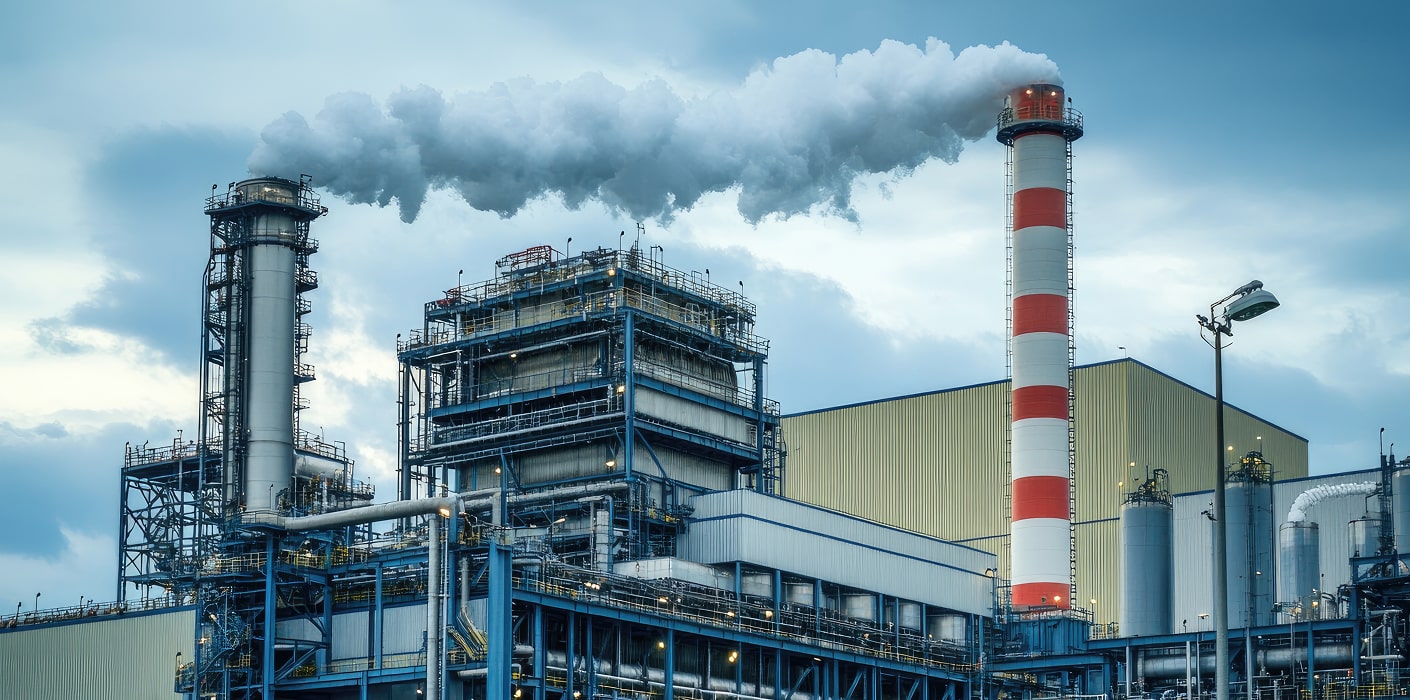
This recent directive comes at a pivotal moment. With India currently ranked 4th globally in wind energy capacity, the transition from a traditional energy consumer to a "green energy powerhouse" has become a cornerstone of the Viksit Bharat 2047 mission. For the business community and the general populace alike, this request serves as a catalyst for change, urging a fundamental shift in how we produce and consume power.
1. The Strategic Mandate for Energy Conservation 💡
The core of Narendra Modi's request to Indians revolves around the principle of energy as a national resource. The Prime Minister emphasized that every unit of electricity saved is a unit produced for the nation’s growth. This philosophy of conservation is being framed as a "New National Duty."
By reducing domestic and industrial power consumption, the administration aims to:
- Mitigate Inflationary Pressures: Lower energy demand directly impacts the operational costs for MSMEs and startups, which are the backbone of the Indian economy.
- Enhance Energy Security: Reducing reliance on imported fossil fuels is critical for maintaining a stable balance of trade.
- Democratize Power Access: Savings in urban centers can be redirected to fuel industrial hubs and rural development projects.
For professionals, this is a call to audit operational efficiencies. As discussed in our analysis of why business management for startups is essential for growth, optimizing resources is no longer optional; it is a prerequisite for scaling in a competitive landscape.
Alt text: Narendra Modi's request to Indians
2. India as a Global Wind and Solar Leader 🌬️
A significant portion of the Prime Minister's recent address highlighted India’s exponential growth in the renewable sector. Ranking 4th in the world for wind energy capacity is a feat that highlights the success of the "Make in India" initiative. Narendra Modi's request to Indians includes a push for the private sector to lead the charge in wind and solar installations.
The government is actively incentivizing this transition through schemes like the India's new battery swap scheme, which aims to revolutionize urban mobility and energy storage. By adopting clean energy, Indian businesses are not just fulfilling a civic request but are positioning themselves as legitimate purpose leaders in the global supply chain.
The Impact on the Startup Ecosystem
The "Modi Wave" has already triggered a start-up flood in India, particularly in the Agri-Tech and Green-Tech sectors. Entrepreneurs are now being urged to innovate in "Energy-as-a-Service" (EaaS) models, which could potentially revolutionize how residential and commercial complexes manage their carbon footprints.
3. "Wed in India": A Cultural and Economic Request 💍
Beyond energy, the Prime Minister has revitalized his appeal for the "Wed in India" campaign. This request asks affluent Indians to host their celebrations within the country rather than seeking international venues. The logic is purely economic: keeping the multi-billion dollar wedding industry’s capital within the electronic communications network of the Indian economy.
This move is designed to:
- Boost Local Tourism: Utilizing heritage sites and luxury resorts in states like Rajasthan, Kerala, and Uttarakhand.
- Support Local Artisans: Ensuring that the "Vocal for Local" sentiment translates into actual revenue for weavers, caterers, and planners.
- Strengthen Domestic Ownership: Encouraging a sense of pride in Indian infrastructure and hospitality.

Alt text: Narendra Modi's request to Indians
4. Supporting the "Viksit Bharat" Roadmap for 2047 🇮🇳
Narendra Modi's request to Indians is deeply embedded in the long-term vision of Viksit Bharat 2047: the roadmap to making India a developed nation by its centenary of independence. This vision requires a data-driven insight into demographic dividends and technological prowess.
The Prime Minister’s recent emphasis on supporting girls in academic Olympiads and scientific research further clarifies the "mission" of the administration. By fostering a culture of excellence in STEM, India is preparing its workforce for a future dominated by AI and quantum computing.
For investors, this roadmap indicates a stable, growth-oriented environment. There is a noticeable trend of investors pouring capital into Mumbai suburbs, anticipating that infrastructure booms like the Navi Mumbai International Airport and the Mumbai Trans Harbour Link will serve as the physical foundation for this 2047 vision.
5. Environmental Harmony and Agricultural Progress 🚜
A poignant part of the May 2026 address was the reminder to live in harmony with nature. This is not just a spiritual request but a practical one for India’s massive agricultural sector. The Prime Minister urged farmers to adopt sustainable practices and for the youth to explore the bamboo sector, which has seen revitalized growth as a sustainable alternative to plastic.

Alt text: Narendra Modi's request to Indians
The integration of technology in agriculture, as seen with livelihood business incubators, is transforming rural India into an industrial powerhouse. The request to Indians is to facilitate this transition by investing in rural-urban linkages.
Conclusion: A Call to Collective Action
The recent request from Prime Minister Narendra Modi is a sophisticated blend of economic strategy and civic duty. By focusing on energy conservation, renewable energy adoption, and domestic investment, the Prime Minister is framing the individual citizen as a vital stakeholder in the nation’s value proposition.
The transition to a sustainable, developed India requires more than government policy; it requires a collective behavioral shift. Whether it is a startup founder optimizing their cloud energy usage or a family choosing a domestic destination for a wedding, these actions collectively serve as the catalyst for change that will define the next decade of the Indian story.
As we navigate the complexities of the 2026 economic landscape, staying informed through platforms like Business Tantra is essential for those who wish to align their personal and professional growth with the national mission. The request is clear: save energy, embrace innovation, and believe in the Indian potential.
References & External Resources:
- Prime Minister's Office (PMO) India – Official Speeches
- Ministry of New and Renewable Energy (MNRE) – Wind Energy Statistics
- NITI Aayog – Viksit Bharat 2047 Strategy
- India Investment Grid – Real Estate Opportunities


admin
Related Post
- By admin
- 09 Views