


























7 Mistakes You’re Making with Your 2026 Investment Portfolio (And How to Fix Them)

As we navigate the second quarter of 2026, the global financial landscape has transformed into a high-stakes arena of technological disruption and geopolitical volatility. In India, the narrative is dominated by a staggering ₹1.47 lakh crore startup boom and a revitalized manufacturing sector. However, for many retail and institutional investors, the euphoria of market highs often masks underlying structural flaws in their asset allocation.
Managing a 2026 Investment Portfolio in this climate requires more than just a passing acquaintance with the Sensex or Nifty; it demands a sophisticated understanding of how AI integration, fluctuating energy costs, and shifting global supply chains impact valuation. Whether you are tracking the latest startup revolution in India or analyzing the ripple effects of Brent crude nearing $110, avoiding common pitfalls is the only way to ensure long-term wealth preservation.
Here are the seven critical mistakes currently undermining your 2026 investment portfolio and the strategic fixes needed to rectify them.
1. Excessive Concentration in "Unicorn" Hype
The allure of the Indian startup ecosystem is undeniable. With the market witnessing a flood of capital, many investors have over-indexed their portfolios into high-growth, pre-IPO tech ventures. While these companies offer the promise of exponential growth, they also carry high beta risks. Relying solely on the "Modi Wave" of entrepreneurship without a safety net is a recipe for volatility.
The Fix: Rebalance your portfolio to include established "Blue Chip" companies that are acting as a catalyst for change. While startups provide growth, established giants like Reliance Industries, which is currently setting up India’s largest data center cluster in Andhra Pradesh, provide the infrastructural backbone that mitigates risk during market corrections.

2. Emotional Reactivity to Macro-Economic Noise
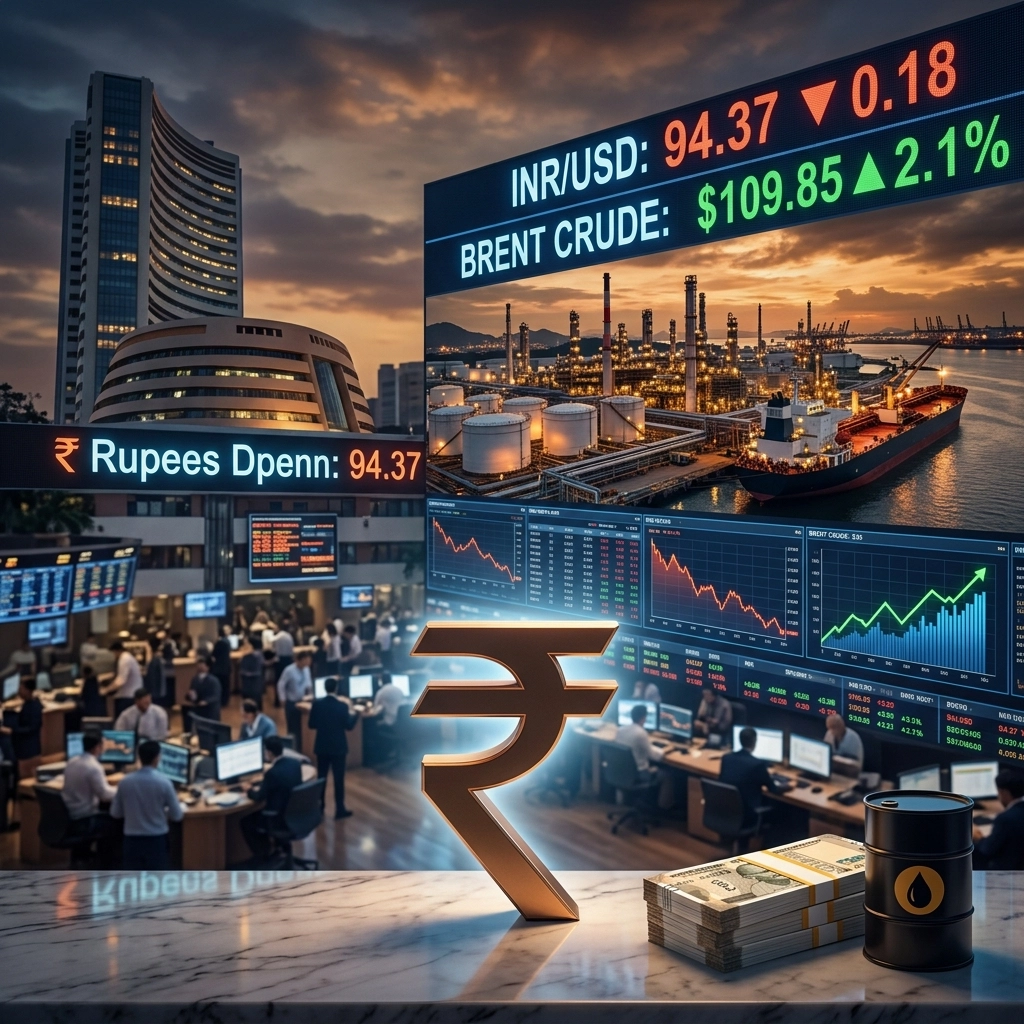
In 2026, the news cycle is faster than ever. With the Rupee opening down at 94.37 against the dollar and oil demand destruction warnings pouring in, it is easy to succumb to "panic selling" or "fear-of-missing-out" (FOMO). Many investors make the mistake of timing the market based on daily headlines rather than fundamental data-driven insights.
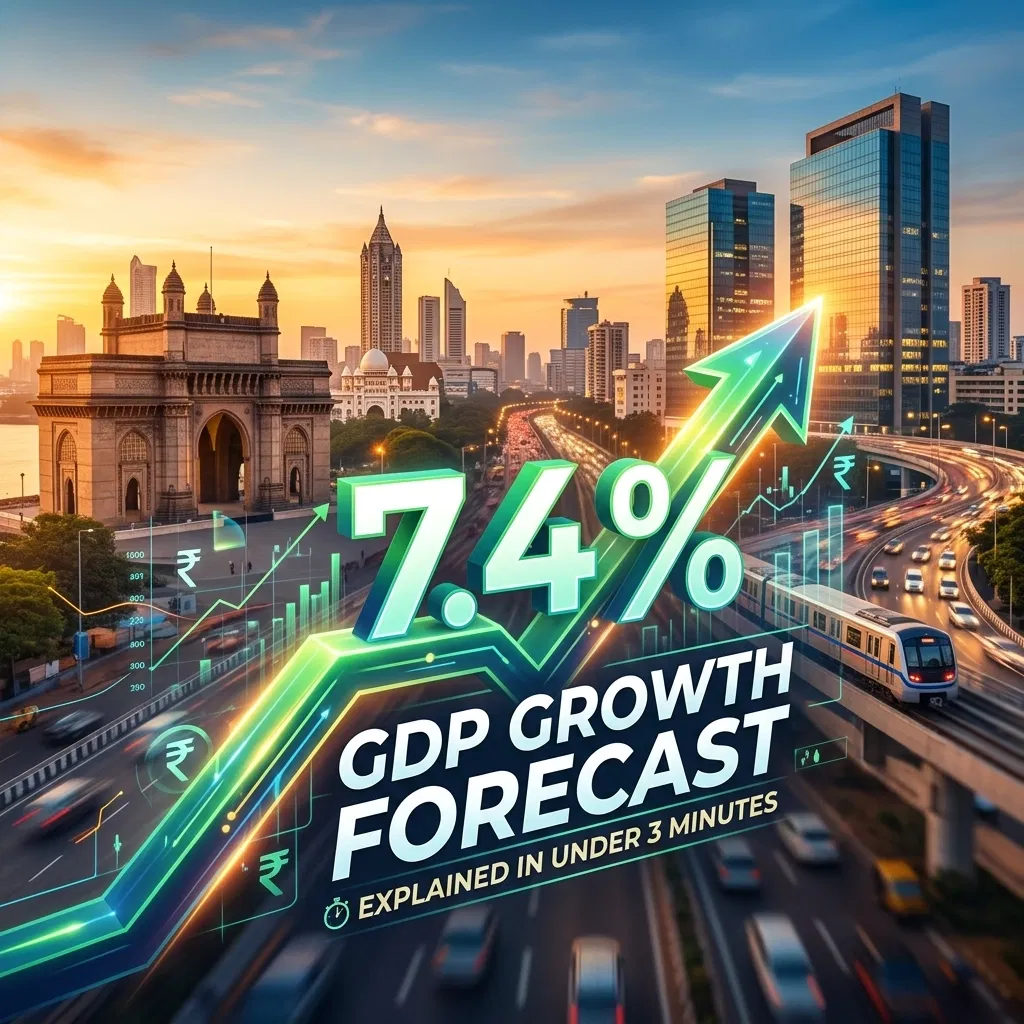
The Fix: Implement a "Rules-Based" investment strategy. Instead of reacting to the daily 18-paise fluctuations of the Rupee, focus on the long-term trajectory of the Indian economy, which remains pegged at a 7.4% GDP growth forecast. Use tools like data analytics for improved decision-making to filter out the noise and focus on secular trends.
3. Ignoring the Semiconductor and AI Pivot
We are no longer in an era where traditional sector analysis suffices. The global conflict over semiconductor supply chains has direct implications for the Indian stock market. If your 2026 Investment Portfolio does not account for the integration of AI in traditional business models, such as Acko’s recent AI-driven restructuring, you are holding "legacy" assets that may soon face obsolescence.

The Fix: Allocate a portion of your capital to AI accelerators and infrastructure providers. Companies that facilitate the "democratize" of technology will be the primary beneficiaries of the next decade. Keep a close eye on the top AI accelerators to identify early-stage winners before they hit the mainstream.
4. Neglecting Portfolio Liquidity and "Exit" Strategies
A common mistake in a bullish market is "locking in" too much capital in illiquid assets. While real estate and long-term private equity are valuable, the 2026 environment is prone to sudden liquidity crunches. Many investors fail to maintain a "dry powder" reserve to capitalize on sudden market dips.
The Fix: Ensure that at least 15-20% of your portfolio is in highly liquid instruments. This allows for an "easy-in, easy-out" approach, creating a friendly environment for your capital to maneuver when high-value opportunities arise, such as the recent 9% surge in Tata Chemicals.
5. Overlooking Global Diversification
While the Indian market is a global bright spot, home-country bias can be a silent killer of returns. By ignoring non-domestic markets, you miss out on the hedge that international equities provide against local currency depreciation. With the Rupee under pressure from rising Brent crude prices, having USD-denominated or international assets is a legitimate purpose for any sophisticated investor.
The Fix: Look toward cross-border opportunities. Whether it is a $111 billion Hollywood merger or Sun Pharma’s $12 billion all-cash acquisition of US-based Organon, global events dictate local prices. Diversifying internationally ensures that your wealth is not tied to the fate of a single central bank’s policy.
6. Failure to Modernize Your Professional Network
Investment is as much about who you know as what you know. Many investors are still using outdated networking methods to gather market intelligence. In the fast-paced world of 2026, information arbitrage is the key to outperforming the index. If you are not connected to the founders and movers of the industry, you are receiving information that has already been priced in.
The Fix: Transition to modern networking tools to stay ahead of the curve. Utilizing technology like a Digital Business Card (NFC enabled) at industry summits can be the difference between getting a seed-round invite and reading about it in the news three months later. Your network is your net worth; ensure it is as technologically advanced as your portfolio.
7. Anchoring to Past Performance
The "Recency Bias" is perhaps the most dangerous mistake in 2026. Investors often assume that the sectors that performed well in 2024 and 2025 will continue their trajectory indefinitely. However, market cycles are shortening. What worked in the "battery swap scheme" era might not work in the era of solid-state hydrogen power.
The Fix: Conduct a quarterly "Zero-Base" review of your holdings. Ask yourself: "If I had the cash today, would I buy this stock at its current valuation?" If the answer is no, it’s time to exit. Refer to the list of government websites to stay updated on regulatory changes that could turn today’s winner into tomorrow’s laggard.

Conclusion
The year 2026 presents an unprecedented landscape of opportunity, but it is one fraught with complexity. From the ₹1.47 Lakh Crore startup boom to the geopolitical shifts in energy and technology, the margin for error has narrowed. By addressing these seven common mistakes: diversifying away from hype, filtering out macro-noise, embracing the AI pivot, maintaining liquidity, seeking global exposure, modernizing your network, and shedding recency bias: you can transform your 2026 Investment Portfolio into a resilient engine for wealth creation.
In the world of Business Tantra, we believe that informed decision-making is the ultimate "Tantra" for success. As the markets continue to evolve, staying grounded in data and disciplined in execution will remain the hallmark of the successful modern investor.
To stay updated on the latest market trends, IPO races, and startup news, visit our blog section for daily insights.

admin


Related Post