





















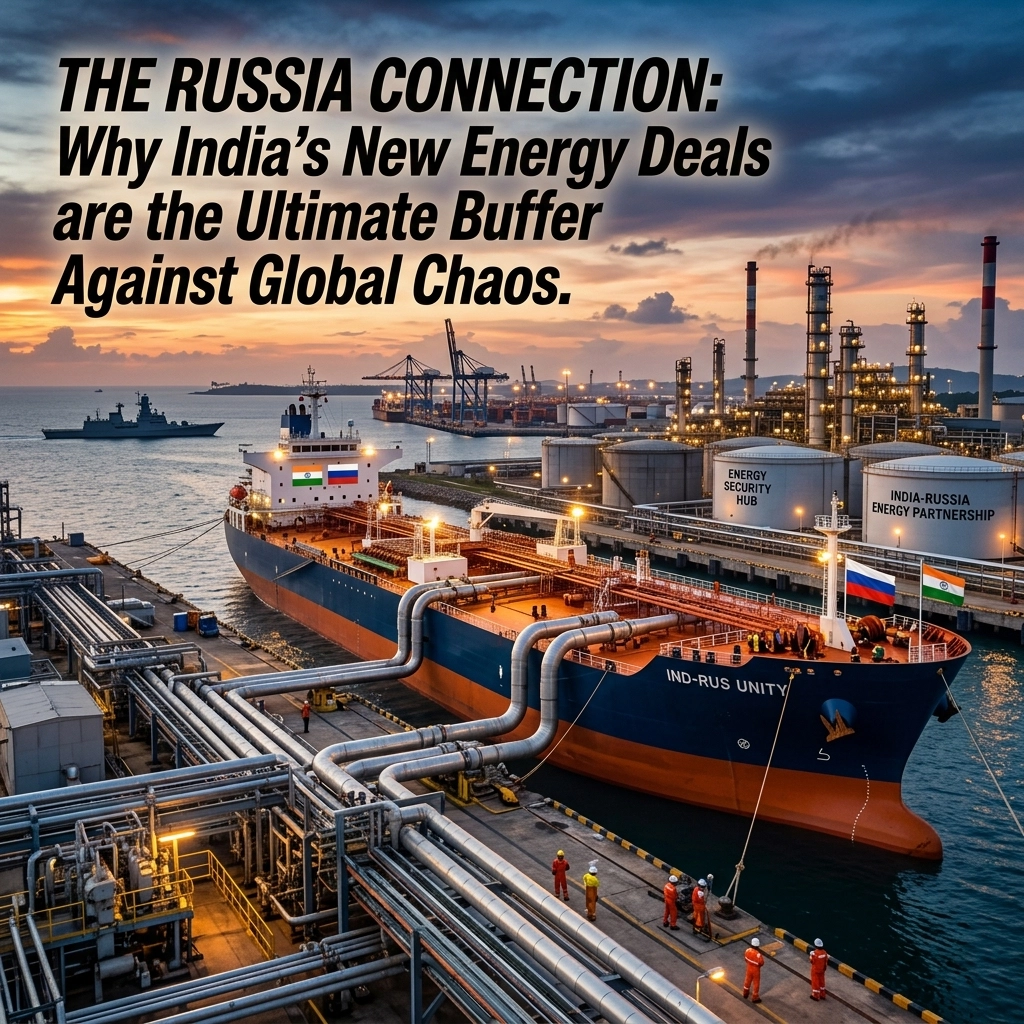
The Russia Connection: Why India’s New Energy Deals are the Ultimate Buffer Against Global Chaos.

In the volatile landscape of April 2026, the global energy market is grappling with unprecedented shifts. As tensions in the Middle East escalate and critical maritime corridors like the Strait of Hormuz face frequent disruptions, the "Russia Connection" has emerged as a cornerstone of India’s economic resilience. This strategic alignment is not merely a transactional procurement of resources; it is a sophisticated geopolitical hedge designed to insulate the Indian economy from external shocks.
India’s recent maneuvers in the energy sector represent a calculated effort to ensure energy security and economic stability. By securing long-term commitments for crude oil and liquefied natural gas (LNG), New Delhi is effectively creating a buffer against the chaos that currently defines the international arena. For investors and business leaders following Business Tantra’s home news, understanding this shift is essential for navigating the current fiscal year.
1. Navigating the Strait of Uncertainty: The Geopolitical Context
The global energy supply chain is currently under immense pressure. With approximately 20% of the world’s oil and LNG exports passing through the Strait of Hormuz, any instability in West Asia sends immediate ripples through global markets. For a rapidly growing economy like India, these ripples can manifest as hyper-inflation, increased logistics costs, and stunted industrial growth.
The current geopolitical climate has forced a "revitalized" approach to energy diplomacy. India has recognized that over-reliance on a single geographic region for energy is a systemic risk. Consequently, the Russia Connection has been amplified to serve as a stabilizer. By diversifying away from traditional Western Asian sources, India is not just buying time; it is buying a "legitimate purpose" for sustained economic expansion.

2. The Russia Connection: A Strategic Pivot in Energy Procurement
As of early April 2026, the data-driven insights are clear: India’s energy cooperation with Russia has reached a historic zenith. Recent reports indicate that Indian refiners have secured a staggering 60 million barrels of Russian crude for the month of April alone. This follows a massive 90% surge in imports recorded in March 2026.
This pivot is characterized by more than just volume. The "value proposition" of Russian energy lies in its reliability and the competitive pricing structures that have been negotiated through bilateral frameworks. During high-level talks in New Delhi, Russian First Deputy Prime Minister Denis Manturov reaffirmed that Russian companies are prepared to steadily increase the supply of both crude and LNG. This commitment provides India with a predictable supply of high-grade hydrocarbons, which is a "catalyst for change" for the nation’s energy-intensive manufacturing sectors.
3. Securing the Future: The Logistics of LNG and Crude Imports
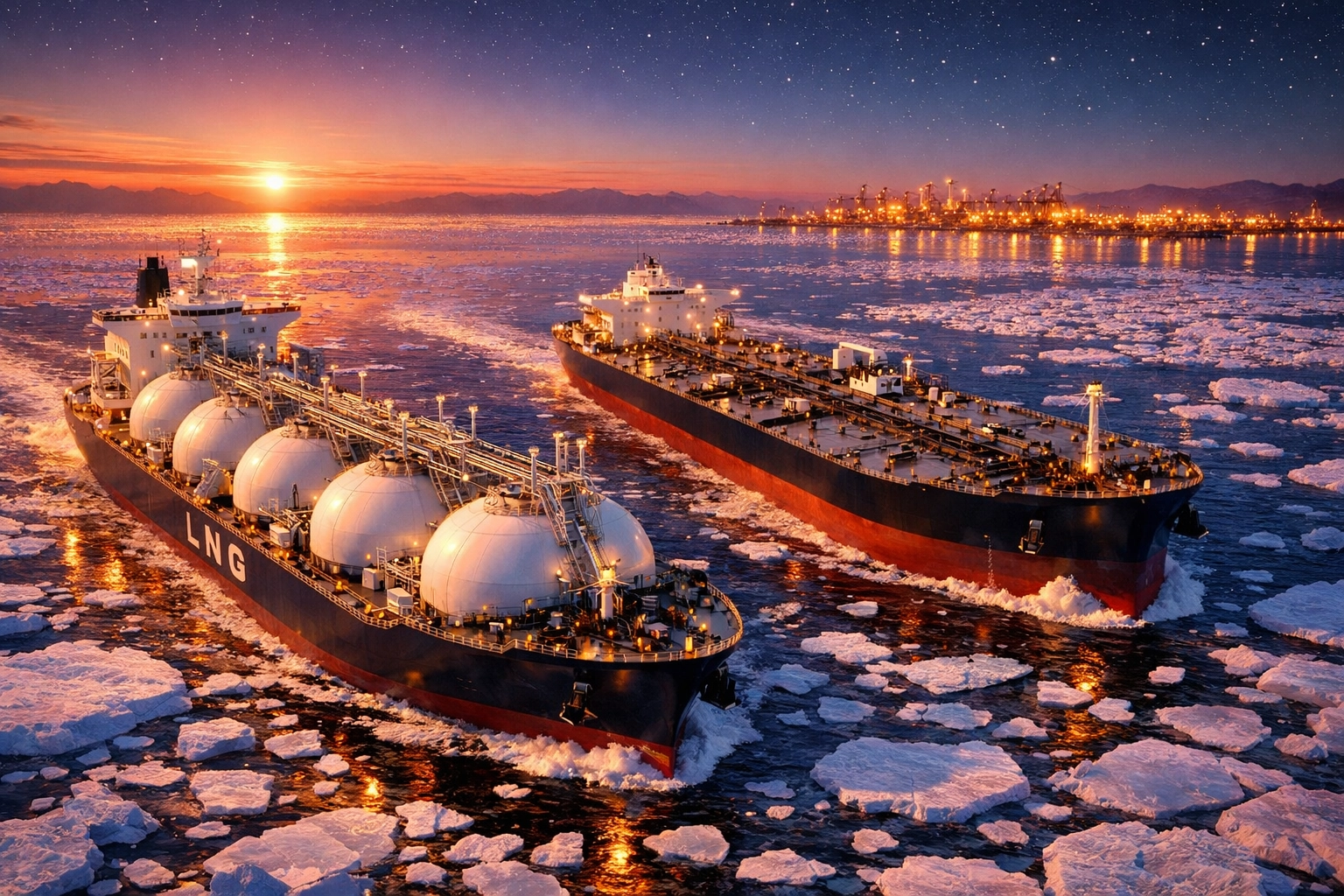
While crude oil often dominates the headlines, the restart of direct LNG imports from Russia marks a significant milestone in India’s energy roadmap. For the first time since 2022, direct shipments are being explored to satisfy the growing demand of India's city gas distribution networks and fertilizer plants.
The logistics of these deals are as impressive as the volumes. The use of the Northern Sea Route and enhanced maritime cooperation have allowed for a streamlined flow of resources. This infrastructure development ensures that even if traditional routes are compromised by "global chaos," the Russia Connection remains intact. For stakeholders interested in the logistical underpinnings of these deals, more detailed analysis can be found in our Insights section.
4. Agricultural Resilience: The Role of Mineral Fertilizers
Energy security is intrinsically linked to food security. A less discussed but equally vital component of the India-Russia partnership is the supply of mineral fertilizers. By the end of 2025, Russia increased its supply of fertilizers to India by 40%.
As we move into 2026, the development of joint carbamide production projects is set to further "democratize" access to essential agricultural inputs. By securing the raw materials needed for farming, India is protecting its massive agrarian economy from the price volatility seen in global chemical markets. This ensures that the cost of living remains manageable, providing a stable foundation for the broader economy.
5. Nuclear Ambitions and Long-term Energy Infrastructure
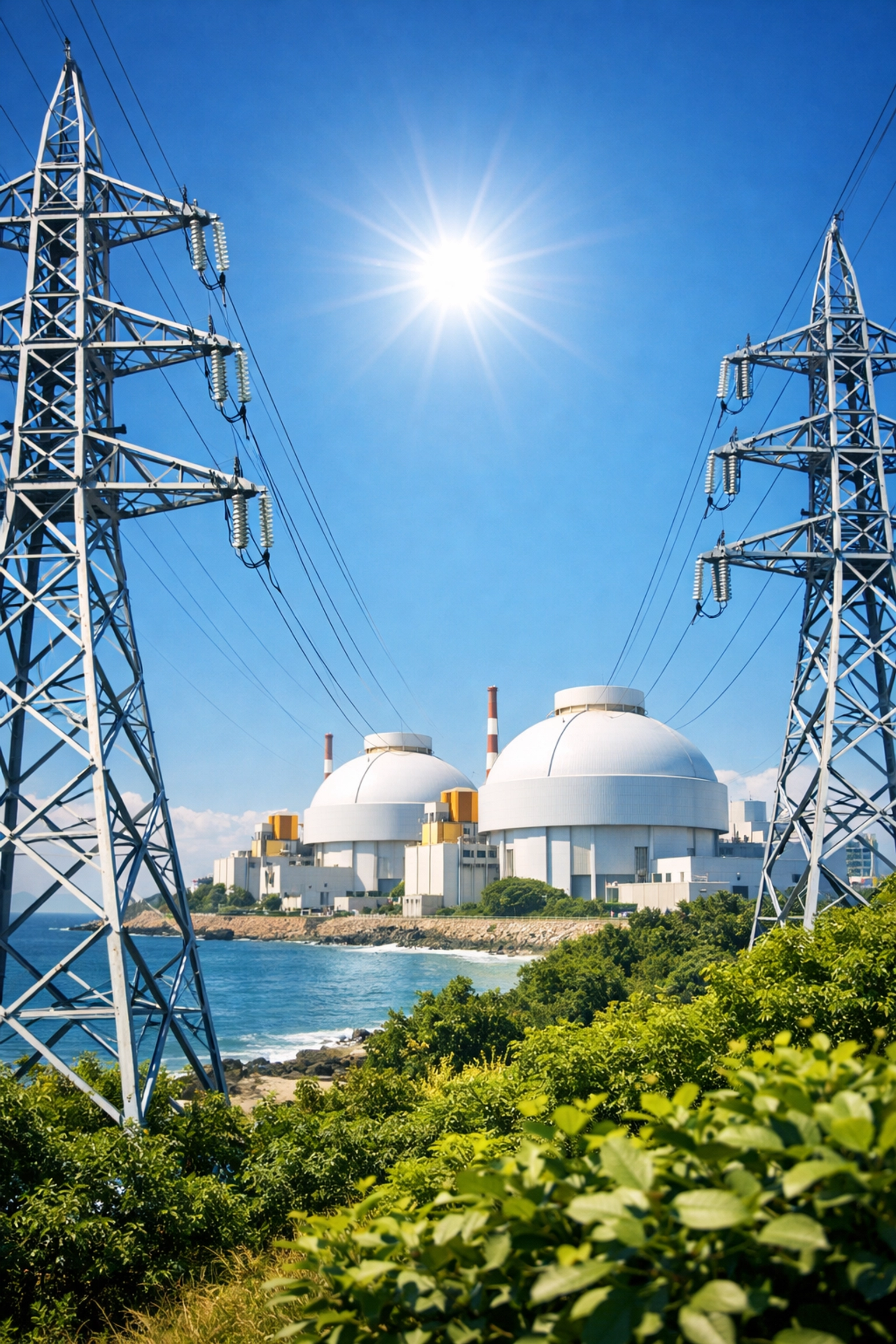
Beyond fossil fuels, the Russia Connection encompasses the high-tech realm of nuclear energy. The Kudankulam nuclear power plant projects are progressing on schedule, representing a long-term investment in carbon-neutral baseload power.
This cooperation is part of a broader five-year roadmap established during President Vladimir Putin's visit in December 2025. The goal is to elevate bilateral trade to a record USD 100 billion by 2030. Nuclear energy serves as a critical pillar in this strategy, providing India with the "exponential growth" potential required to meet its 2070 net-zero targets while maintaining a robust industrial base.
6. Market Stability: Why Investors Should Monitor India’s Energy Strategy
From an investment perspective, India’s energy deals with Russia act as a formidable buffer. When energy costs are predictable, corporate margins are protected, and the Reserve Bank of India (RBI) has more room to manage monetary policy without the constant threat of imported inflation.
For the savvy investor, this translates into a more stable equity market and a resilient Indian Rupee. While other emerging markets may struggle with the rising cost of energy due to Middle Eastern tensions, India’s strategic hedging provides a level of certainty that is rare in today’s environment. This "geopolitical hedge" is a key reason why international capital continues to view India as a safe harbor for long-term growth. To learn more about our perspective on market trends, visit our About Us page.
Conclusion
The deepening energy partnership between India and Russia in 2026 is a masterclass in strategic autonomy. By leveraging the Russia Connection, India has successfully navigated the complexities of a fractured global order, ensuring that its journey toward becoming a global economic superpower remains unhindered by external volatility.
The combination of increased crude imports, the revival of LNG trade, and the expansion of nuclear and agricultural cooperation provides a multifaceted shield against "global chaos." As we look toward the 2030 goal of USD 100 billion in bilateral trade, it is evident that these energy deals are not just about fuel: they are about the "value proposition" of a stable, secure, and sovereign economic future.
For more updates on how global politics are shaping the business world, stay tuned to Business Tantra.

admin


Related Post