


























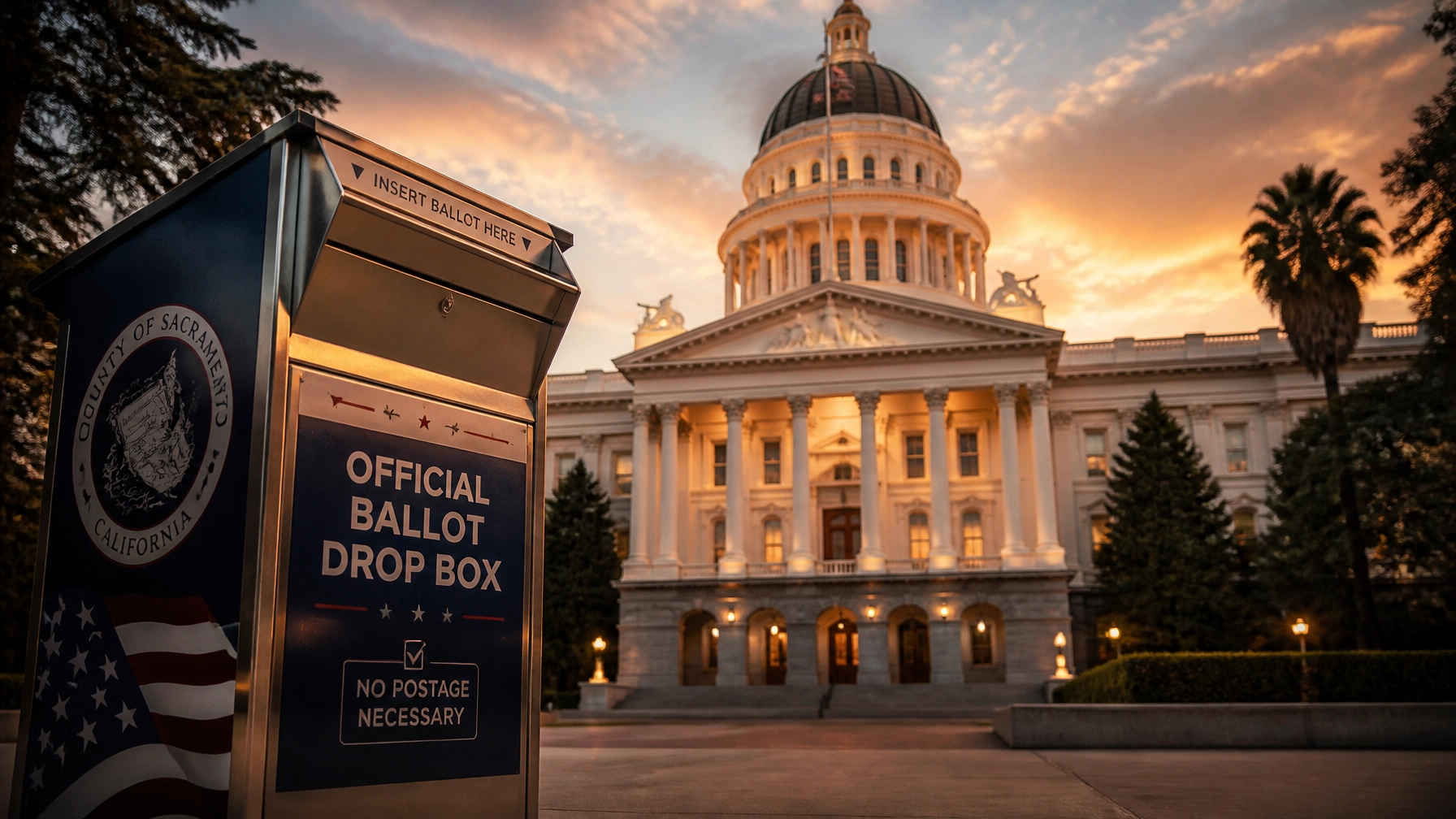

In the modern era of instant communication and rapid-fire data dissemination, the temporal gap between the closing of polls and the final certification of California election results often serves as a point of significant public discourse. While other jurisdictions may declare victors within hours of sunset on Election Day, California adheres to a meticulously structured, multi-week process designed to maximize voter participation and ensure the absolute integrity of the democratic mission. 🗳️
As an analytical observer of the Indian and global business landscapes, Business Tantra recognizes that political stability and the predictable transition of power are essential catalysts for market confidence. For investors and business professionals tracking the latest economic indicators, understanding the mechanics behind these delays is crucial for navigating the period of policy uncertainty that often follows a major election.
1. The Scale of the Electorate: A Macro-Operational Challenge
California is home to nearly 22 million registered voters, making its electoral system one of the largest and most complex administrative operations in the world. The sheer volume of ballots necessitates an industrial-scale approach to processing that cannot be rushed without compromising accuracy.
Unlike smaller states where a centralized counting system might suffice, California’s 58 counties operate as independent hubs, each managing their own logistics, staffing, and technological infrastructure. This decentralized model, while robust, introduces a variable timeline as larger counties like Los Angeles and San Diego navigate the exponential growth of mail-in participation. 📈

2. Universal Vote-by-Mail: Democratizing the Ballot Box
A primary driver behind the extended timeline for California election results is the state's commitment to universal vote-by-mail. In recent years, California has moved to democratize the voting process by mailing a ballot to every active registered voter. While this has revitalized civic engagement, it has also shifted the majority of the workload from Election Day polling places to high-tech processing centers.
The transition to a mail-dominant system means that ballots are not just "counted": they must be received, authenticated, and prepared before they ever touch a scanner. This "voter’s choice" model prioritizes the legitimate purpose of enfranchisement over the expediency of a television-ready result.
3. The 7-Day Grace Period for Postmarked Ballots
One of the most significant legalistic nuances in California’s election code is the "postmark rule." Under current regulations, a ballot is considered valid if it is postmarked by Election Day and received by the county elections office within seven days.
This means that for an entire week following the "end" of the election, valid ballots are still legally flowing into the system through the electronic communications network of the United States Postal Service. For close races, it is mathematically impossible to finalize the California election results until this window has closed and every late-arriving ballot has been accounted for. This policy ensures that voters in rural areas or those facing postal delays are not disenfranchised by external logistical factors.
4. The Rigor of Signature Verification and "Curing"
Every single mail-in ballot in California undergoes a rigorous signature verification process. This is not a mere formality; it is a data-driven security measure where trained officials compare the signature on the return envelope with the signature in the voter’s official registration file.
- Handwriting Characteristics: Officials analyze height, slant, spacing, and specific character formations.
- The "Cure" Process: If a signature is missing or does not match, California law requires counties to notify the voter and provide an opportunity to "cure" the discrepancy.
This "curing" period is a transformative solution for election integrity, but it necessarily extends the timeline. Counties must wait for the voter to respond: often via mail, phone, or digital portals: before the ballot can be revitalized and moved into the counting queue. Business leaders familiar with operational growth and management will recognize this as a critical quality-control stage that prevents "false negatives" in the democratic output.

5. Physical Workflow: From Extraction to Adjudication
Once a signature is cleared, the ballot begins a labor-intensive physical journey. This workflow is designed to maintain the secrecy of the ballot while ensuring every mark is interpreted correctly.
- Extraction and Flattening: Ballots are removed from envelopes and flattened to ensure they can pass through high-speed scanners without jamming.
- Bipartisan Inspection: Damaged ballots are duplicated by bipartisan teams to ensure the voter’s intent is preserved on a machine-readable format.
- Adjudication: If a scanner cannot determine a voter’s intent (e.g., a person circled a name instead of filling in the bubble), an adjudication team reviews the digital image to finalize the vote according to statewide standards.
This level of precision is the cornerstone of a fair election. Just as entrepreneurs on Shark Tank India must undergo due diligence to prove their value proposition, every ballot undergoes a series of checks to confirm its validity.
6. The 30-Day Official Canvass Period
While the media often focuses on the "unofficial" results reported on election night, the California Secretary of State maintains a 28-to-30-day "canvass" period. During this time, election officials conduct a comprehensive audit of the entire process.
This includes:
- Provisional Ballot Processing: Verifying the eligibility of voters who registered at the last minute or voted at the wrong precinct.
- Manual Tallies: Conducting a hand count of a 1% random sample of precincts to verify that the machines performed accurately.
- Reconciliation: Ensuring the number of ballots counted matches the number of voters who checked in or returned mail ballots.
This exhaustive period is not a sign of failure but a testament to the system’s commitment to precision. For the business community, this period of the California election results cycle represents a time for strategic patience as the final regulatory environment takes shape.

7. New Transparency Mandates for 2025 and 2026
To combat misinformation and manage public expectations, California recently introduced Senate Bill 3 (SB 3), which modifies how counties report their progress. Starting in the 2025-26 cycle, counties are required to update their public results and estimates of outstanding ballots at a higher frequency: at least twice a week: until the certification is complete.
This move to provide more frequent data-driven insights helps to mitigate the "red mirage" or "blue shift" phenomena, where results appear to swing wildly as different types of ballots are processed. By providing a clear roadmap of what is left to count, the state aims to enhance the mission of public trust.
Economic Implications: Why the Wait Matters to Business
For the target customers of Business Tantra: entrepreneurs, investors, and professionals: the timeline of California election results has direct economic consequences. California is the world's fifth-largest economy; its policy shifts regarding taxation, environmental regulation, and labor laws send ripples through the global market.
The delay in finality can lead to:
- Market Volatility: Uncertainty regarding the outcome of key ballot measures can cause fluctuations in sectors like tech, energy, and real estate.
- Delayed Capital Allocation: Businesses may pause major investments until the legislative landscape is clarified.
- Public Policy Lag: The period between the election and the inauguration of new officials is a critical window for corporate strategy and lobbying efforts.
Just as the rejection of tax breaks for major tech entities can shift market dynamics in India, the outcomes of California's elections are pivotal for the global tech and automotive sectors.
Conclusion
The pursuit of an "instant" result is often at odds with the pursuit of a "perfect" result. California has structurally chosen the latter, prioritizing a comprehensive and inclusive process that accounts for every legitimate vote. While the wait for finalized California election results can be frustrating for those accustomed to the rapid pace of the 24-hour news cycle, the meticulousness of the process is what sustains the integrity of the system.
Ultimately, the delay is not a symptom of dysfunction but a reflection of a high-functioning, large-scale operation dedicated to the democratic value proposition. As we look toward the 2026 cycle, the integration of better reporting tools and more frequent updates promises to make this transition from "Election Day" to "Election Month" a more transparent and predictable experience for all stakeholders. 🏛️