





















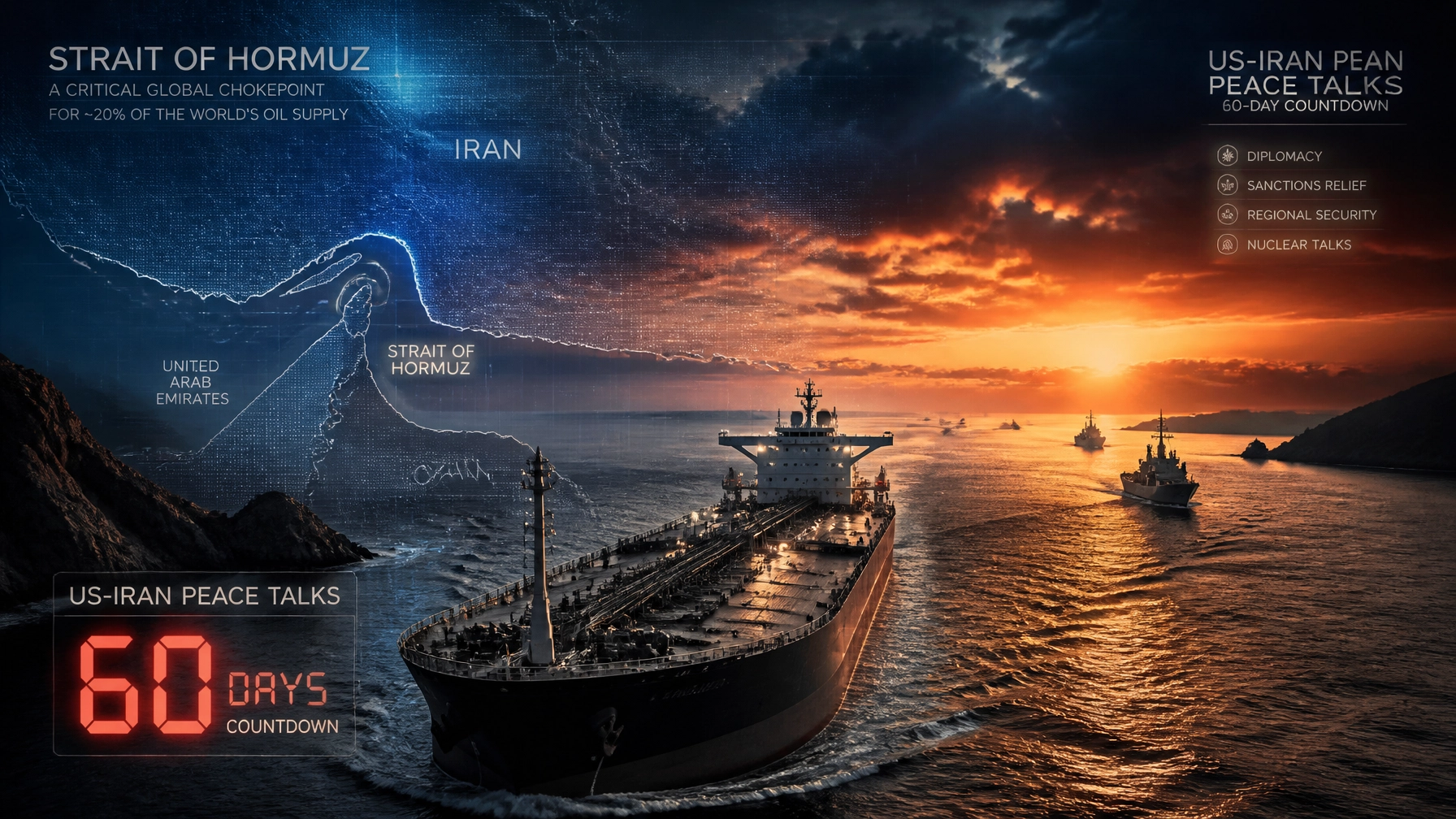

The geopolitical landscape of the Middle East has entered a period of profound uncertainty, serving as a dual-edged catalyst for change in the global energy markets. As of June 30, 2026, the world remains transfixed by the fallout of the June 17 Islamabad Memorandum, a landmark 14-point memorandum of understanding (MoU) signed between the United States and Iran. This agreement, while ostensibly a "framework for peace," has initiated a high-stakes 60-day negotiation window that could either stabilize the global energy supply or precipitate an exponential growth in crude prices should the fragile ceasefire unravel.
At the center of this diplomatic storm lies the Strait of Hormuz, a narrow waterway that remains the most critical chokepoint for the global trade of hydrocarbons. For the economy of India, a nation that has seen its crude oil import dependency surge toward 90% in FY26, the outcome of these talks is not merely a matter of foreign policy: it is a fundamental driver of domestic inflation, fiscal stability, and the performance of the stock market today.
The 60-Day Ultimatum: Navigating the Islamabad Memorandum
The Islamabad Memorandum, formally ratified on June 17 by President Trump and President Masoud Pezeshkian, established an immediate, though precarious, cessation of hostilities. This document serves as a transitionary mechanism, designed to provide a 60-day period for the finalization of a comprehensive peace treaty. During this interval, both nations are expected to address the revitalized complexities of Iran’s nuclear program, the lifting of systemic sanctions, and the governance of a proposed $300 billion reconstruction fund.
However, the "legitimate purpose" of this window is being tested by the asymmetric leverage Iran holds over the Strait of Hormuz. US intelligence assessments recently declassified indicate that Tehran possesses the tactical capability to shut the Strait "at will." While the MoU mandates the immediate reopening of the waterway and the safe passage of commercial vessels, the threat of a closure remains a potent diplomatic deterrent. For investors monitoring the stock market today, this "Hormuz Card" represents a lingering risk premium that prevents a full normalization of energy-linked equities.
The Strait of Hormuz: A Chokepoint of Strategic Leverage
The Strait of Hormuz facilitates the transit of approximately 20% of the world’s petroleum liquids. In the context of the Strait of Hormuz US-Iran Peace Talks, the waterway is being utilized as a tool of strategic coercion. Despite the ceasefire, Iranian officials have continued to flex their regional influence, warning that any perceived breach of the Islamabad Memorandum could lead to a swift re-imposition of maritime blockades.
For the economy of India, the significance of this 21-mile-wide passage cannot be overstated. Indian refineries, which have increasingly relied on Russian crude: accounting for over 53% of imports in June 2026: still require the logistical stability of the Persian Gulf for their Middle Eastern blends and LNG shipments. Any disruption in Hormuz would lead to an immediate escalation in freight and insurance costs, effectively neutralizing the discounts currently enjoyed by Indian procurement agencies.

Macroeconomic Implications for the Economy of India
The sensitivity of the economy of India to global oil price fluctuations has reached a historic zenith. With crude dependency hovering near 91%, every $1 per barrel increase in the price of Brent crude translates into a multi-billion dollar expansion of the national import bill.
The immediate impact of the June 17 MoU was a relief rally, with Brent crude stabilizing around $77.5 per barrel. This moderate pricing environment has been a welcome development for the Reserve Bank of India (RBI), as it mitigates the risk of imported inflation. However, the 60-day negotiation window is perceived by many analysts as a "calm before a potential storm."
Should the talks collapse, the resulting spike in oil prices would likely:
- Devalue the Indian Rupee: A wider current account deficit would exert downward pressure on the currency, raising the cost of all dollar-denominated imports.
- Fuel Domestic Inflation: Logistics and transport-intensive sectors would be forced to pass on higher fuel costs to consumers, potentially necessitating a hawkish pivot from the RBI.
- Stifle Industrial Growth: High energy costs act as a tax on manufacturing, impacting sectors such as cement, chemicals, and automobiles.
You can stay updated on these macroeconomic shifts through our dedicated Economics section.
Navigating the Stock Market Today: Sectors at Risk and Opportunities
For those observing the stock market today, the volatility of the US-Iran peace process provides both risks and strategic entry points. The Indian equity landscape is currently segmented based on energy sensitivity.
1. Energy and Upstream Oil Producers
Domestic upstream companies like ONGC and Oil India generally benefit from higher global crude realizations. However, if prices exceed a certain threshold, the government may re-introduce windfall taxes to protect the broader economy, complicating the earnings outlook for these entities.
2. Oil Marketing Companies (OMCs)
OMCs like BPCL, HPCL, and IOC are in a precarious position. While lower crude prices during the 60-day ceasefire period improve their marketing margins, the threat of a price spike looms. If the government restricts retail price hikes to contain inflation during the negotiations, OMCs could face a significant margin squeeze.
3. Energy-Intensive Sectors (Aviation, Logistics, Paints)
These sectors are the primary beneficiaries of the current de-escalation. The Business news section at Business Tantra has highlighted how aviation stocks have revitalized their balance sheets as fuel costs stabilized post-June 17.
4. Consumer Staples and Discretionary
Inflationary pressures directly impact household disposable income. A successful conclusion to the Strait of Hormuz US-Iran Peace Talks would likely democratize growth across the FMCG and auto sectors by keeping rural and urban demand resilient.

The Bypass Mirage: Oman’s Alternative Route and the Iranian Deterrent
In an effort to diversify away from the "Hormuz risk," several regional players have accelerated plans for alternative export corridors. The most notable among these is the Oman-backed alternative route, centered on a proposed pipeline from Basra, Iraq, to the Omani port of Duqm. This project aims to bypass the Strait entirely, delivering oil directly to the Arabian Sea.
While this project is framed as a transformative solution for regional energy security, it faces significant geopolitical headwinds. Iran has issued stern warnings against the development of bypass infrastructure, asserting that such projects do not provide immunity from regional conflict. US intelligence suggests that Iran views these pipelines as "frontline targets" rather than peacetime contingencies.
Furthermore, existing bypass capacity: such as Saudi Arabia’s East-West pipeline and the UAE’s ADCOP: remains insufficient to replace the sheer volume of oil that transits through the Strait of Hormuz. For India, relying on these conceptual routes provides little immediate comfort, as the infrastructure required to democratize non-Hormuz flows is years, if not decades, away from fruition.

Strategic Imperatives for Indian Investors
As we progress through this 60-day window, the economy of India must prepare for multiple scenarios. Analysts at Business Tantra recommend a data-driven approach to portfolio management, focusing on firms with strong pricing power and low energy intensity.
- Monitor the July 21 Hearings: While primarily focused on antitrust issues (as discussed in our World news section), the broader geopolitical sentiment often reflects in the regulatory environment.
- Watch the Rupee-Rouble Trade: India's continued success in securing discounted Russian oil remains a vital buffer against the volatility of the Persian Gulf.
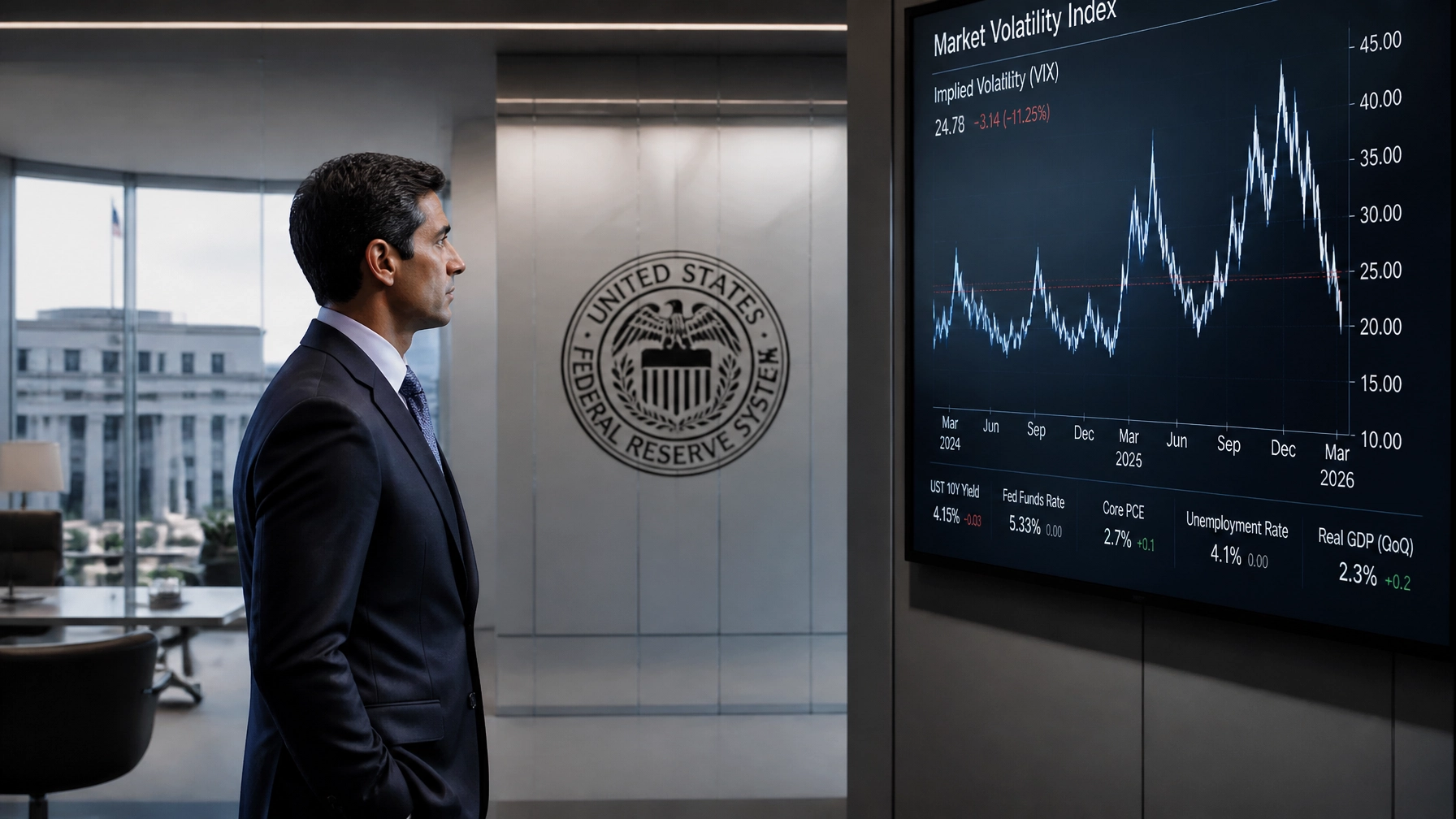
- Analyze Forward Guidance: The stock market today is highly reactive to Fed signals and domestic policy statements. Any shift in the RBI's stance regarding inflation will be a critical indicator of how the government perceives the oil risk.
Conclusion
The 60-day window established by the Islamabad Memorandum represents a watershed moment for global geopolitics and the economy of India. While the current ceasefire has provided a much-needed reprieve for the stock market today, the "Hormuz Card" held by Iran serves as a reminder that the path to a permanent peace is fraught with strategic obstacles.
The ability of the international community to navigate these negotiations will determine whether the world moves toward a period of stable, democratized energy access or a return to the volatile cycles of the past. For the Indian investor, staying informed through Business Tantra is essential for deciphering the complex interplay between global diplomacy and domestic prosperity.